
Business
Avoiding Legal Problems: The Importance of Due Diligence Before Buying Property in Nigeria by Dennis Isong
Skipping due diligence before buying property in Nigeria can lead to devastating legal problems.


Consider Tunde’s story. Tunde, a hopeful investor, trusted in promises and skipped due diligence.
He ended up with land under government acquisition, facing the bitter consequences of a hasty decision.
His story echoes through the real estate market, serving as a cautionary tale to those who believe shortcuts are harmless.
As a realtor with years of experience, I’ve seen many lessons in real estate, and Tunde’s story is one of them.
In September 2020, Tunde reached out to me after reading one of my articles.
He was thrilled about buying land in Folu Ise village, Ibeju-Lekki, because it was very cheap—just around N300,000.
I advised him to verify the land’s documents to ensure it wasn’t under government acquisition.
However, because the real estate company behind the deal was popular,
Tunde chose to trust them and rushed into the purchase.
Later, Tunde found out the land was under government acquisition and couldn’t be used.
He lost a significant amount of money and learned a painful lesson.
Unfortunately, this wasn’t an isolated case—many investors who bought land in that location around that time have faced similar losses.
This is why working with an experienced and thorough realtor is crucial. I ensure my clients avoid these pitfalls and make secure, informed investments.
Whether you’re a first-time buyer or a seasoned investor, taking the time to verify, investigate, and confirm every aspect of a property before purchasing is a prudent decision that can save you from heartache and financial ruin.
It’s a humid afternoon in Lagos, and you’re sitting across from a beaming seller at a bustling cafe.
He’s selling you a dream—a piece of land in a prime location, promising high returns and a secure future.
The deal seems too good to pass up. Excited by the possibilities, you shake hands, exchange money, and leave with a sense of accomplishment. But what happens next?
Months down the line, reality hits hard. You receive a letter from a government agency claiming ownership of the land.
The seller has disappeared, and your dreams of building a home or starting a business are shattered.
The money you invested seems irretrievable, and legal battles loom ominously on the horizon.
The regret sinks in—why didn’t you verify everything before signing the dotted line?
Skipping due diligence before buying property in Nigeria can lead to devastating legal problems.
It’s not just about securing a good deal; it’s about protecting your investment, your future, and your peace of mind.
The Heartbreak of Legal Issues Imagine the emotional turmoil of realizing that the property you thought was yours is entangled in legal disputes.
The stress of navigating complex legal systems, the financial burden of legal fees, and the uncertainty of the outcome can weigh heavily on anyone.
It’s a scenario that no one wants to experience, yet many unwitting buyers find themselves in precisely this predicament.
Why Due Diligence Matters
Due diligence isn’t just a formality—it’s your shield against potential disasters.
Here’s why taking the time to investigate before buying property in Nigeria is crucial:
1. Verifying Ownership and Title The first step in due diligence is confirming that the seller has legal ownership of the property and can transfer that ownership to you.
In Nigeria, where land ownership can be contentious and documentation irregular, verifying the title is non-negotiable.
Without this step, you risk buying property that someone else may claim as theirs, leading to legal battles that could tie up your investment indefinitely.
2. Uncovering Hidden Liabilities Properties can come with hidden liabilities such as unpaid taxes, mortgages, or pending litigation. Without due diligence, you might inherit these financial burdens along with the property. Imagine buying what seems like a lucrative plot of land, only to discover hefty tax bills or unresolved disputes that threaten your financial stability.
3. Ensuring Compliance with Regulations Local regulations, zoning laws, environmental restrictions—these are just some of the regulatory aspects that can affect your property’s use and value.
Ignoring these factors can result in penalties, restrictions on developmand ent, or even demolition orders. Due diligence ensures that the property you intend to buy aligns with your plans and complies with all legal requirements.
4. Assessing Market Value A property’s market value isn’t always what it seems. Sellers may inflate prices, especially in high-demand areas or emerging markets.
By conducting due diligence, including market analysis and comparative valuations, you can negotiate from a position of knowledge.
Knowing the true value protects you from overpaying and ensures that your investment is financially sound.
5. Protecting Your Peace of Mind Investing in real estate should be exciting, not anxiety-inducing.
Proper due diligence provides peace of mind, knowing that you’ve done everything possible to safeguard your investment.
It’s about making informed decisions rather than taking blind risks, ensuring that your property purchase is a step towards your goals, not a leap into uncertainty.
Conclusion
In the fast-paced world of real estate investment in Nigeria, due diligence isn’t just advisable—it’s essential.
It’s the difference between a successful transaction and a costly mistake.
Whether you’re a first-time buyer or a seasoned investor, taking the time to verify, investigate, and confirm every aspect of a property before purchasing is a prudent decision that can save you from heartache and financial ruin.
So, before you sign that contract or transfer that payment, ask yourself: Have I done my due diligence?
The answer could make all the difference in your real estate journey.
Written by Dennis Isong, your trusted advisor in Nigeria’s real estate market.
Let’s ensure your next investment is a smart and secure one.
STOP LOSING MONEY IN LAGOS REAL ESTATE! Learn How to Protect Your Investment Today. => LandProperty.ng/free
Your future deserves the assurance of due diligence.











Business
Kenyan Presidential hopeful threatens to stop Dangote refinery’s project if he wins 2027 election
The presidential hopeful argued that Kenya had capable businesspeople who could undertake the refinery project, adding that the country needed a facility capable of meeting its energy requirements.

Kenyan presidential candidate, Patrick Osoi, has warned the President of Dangote Group, Aliko Dangote, against rushing the proposed construction of a 700,000-barrel-per-day refinery in Kenya, insisting that the Nigerian billionaire could be forced to leave the country if he becomes president in February 2027.
Osoi issued the warning in a video shared by AM Media, declaring that he would ensure Dangote returned to Nigeria after his inauguration.
“I want to tell Dangote, please, don’t hurry up to start the refinery, because by next year, February, the time I’m sworn in as the president of this country, you’ll be back going to Nigeria,” he said.
The presidential hopeful argued that Kenya had capable businesspeople who could undertake the refinery project, adding that the country needed a facility capable of meeting its energy requirements.
“Because we are asking a refinery which can do that job. We also have business people in this country who can do that job,” Osoi said.
Business
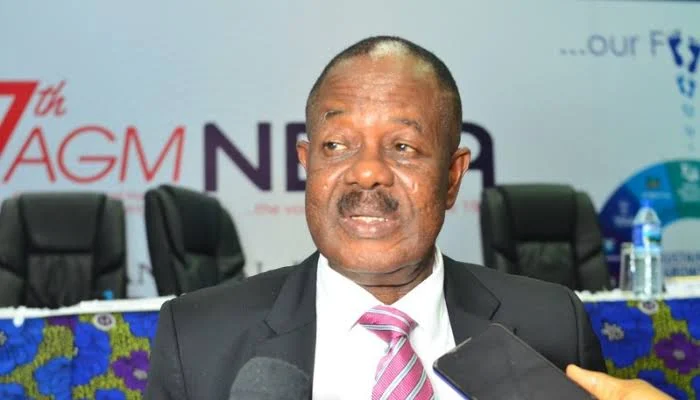
Juhel CEO-Dr Ifeanyi Okoye, Becomes MAN President
Before he was elected President, Dr. Okoye served the Association in various capacities, including as Chairman of the Enugu, Anambra and Ebonyi States Branches from 1998 to 2005, and as Vice President from 2006 to 2010.
Business
Investors Rush For Airtel Money IPO on LSE
Airtel Money is proving popular among retail investors ahead of full admission next week.

Airtel Money began conditional trading on the London Stock Exchange this morning in a £5.3 billion market debut, dubbed Africa’s Revolut.
Shares, which were open only to investors allocated stock in the offer, were trading flat at around 194p.
But armchair investors are rushing to sign up to the City’s largest IPO in five years ahead of full admission on October 14.
It is the ninth most popular initial public offering on AJ Bell’s investment platform based on the number of customers applying to take part in the offer, it said.
Airtel Money is proving popular among retail investors ahead of full admission next week
Airtel Money, a subsidiary of Airtel Africa, which offers mobile payment services in 13 countries across Africa, is a subsidiary of FTSE 100 telecoms group Airtel Africa, whose shares have trebled in less than two years.


Kenyan Presidential hopeful threatens to stop Dangote refinery’s project if he wins 2027 election

‘Up to our people’ to pick leader, Zelenskyy responds to Trump’s pledge for new elections in Ukraine

Time for Ukraine to get a new president’, says Trump

Tech Expert, Zuckerberg trains with UFC champions, Adesanya, Alexander

Organ Trafficking: Ekweremadu bags 10 years in UK prison

SAINT OBI: Between his marriage and his death
-

 News3 days ago
Tears, Embraces as Rescued NYSC Members Reunite with Families in Ibadan
-

 Business3 days ago
Naira Exchange Rates Friday, October 9
-

 Business3 days ago
Manufacturers sitting on N40trn untapped opportunities, says report
-
 News3 days ago
Ahmadu Bello University Hikes Fees Across Programme
-
 Politics3 days ago
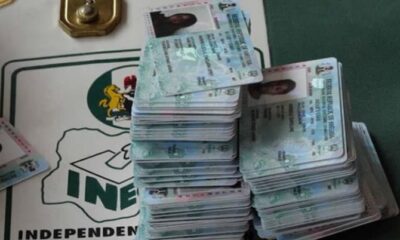
2027: INEC Displays Voter Register, Begins PVC Distribution Today
-
 Sports3 days ago
National Sports Commission Changes Secretaries
-
 News2 days ago
JUST IN: Omi Eko Project Debunks Claims of Zero Progress
-

 Health3 days ago
Millions of bedbugs crawl out of mattresses and walls in huge outbreak