
Business
Nigerian Govt Suspends Single Use Plastic Tax of 10%


By Ocheneyi Alli
The Nigerian government , today, announced the suspension of its green tax of 10 percent on Single Use Plastics (SUPs), including plastic containers and bottles.
President Bola Ahmed Tinubu, gave the directives to the Ministry of Finance, and the Customs authority, after he had signed four Executive Orders which includes the suspension of the 10 percent Single Use Plastics tax, five percent excise tax on telecommunication services; some imported vehicles as well as the excise duties escalation on locally manufactured products.
Also, President Tinubu shifted the commencement date of Finance Act 2022 from May 23, 2023 to September 1, 2023.
He said that the suspension was to ensure adherence to the 90 days minimum advance notice for tax changes as contained in the 2017 National Tax Policy.
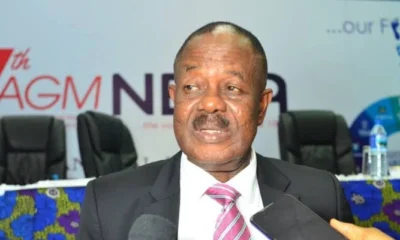
Ohibaba.com, reported that two months ago, the Manufacturers Association of Nigeria ( MAN) kicked against the surcharge of 10 percent on Single Use Plastic under HS Code 3919.10.00.00 and 3919.90.00.00 as well as Headings – 39.20; 39.21 and 39.23 (Plastic Containers, Films and Bags).
Otunba Francis Meshioye, President of MAN, said that the tax on Single Use Plastics was ill-timed and hasty in view of the fact that the government, through the Federal Ministry of Environment, is currently working towards instituting a Plastic Recycle Waste Management Policy with technical assistance from the United Nations Industrial Organisation (UNIDO) along with support from the Japanese government.
” The project is to institute a long-term solution to manage the menace of plastic wastes and assist the affected industries to retrofit, thereby reaching the threshold of the United Nations goal of green environment as being espoused by the series of the UN organized Conference of Parties (COP),” he said .
Global Ban On Single Use Plastics
On the global scene, the OECD estimated that global plastic pollution could nearly triple to 1.0 billion metric tons by 2060.
And while they estimate that the share of plastic that escapes waste management systems will fall from 22% (2019) to 17% (2060), that’s still a lot of plastic to deal with.
Also, the tide is turning against single-use plastics as many governments have banned the it.
Bangladesh was the first country to ban plastic bags in 2002, while the U.S. banned microbeads in personal care products in 2015, followed by the UK (2018), Canada (2018), and then China (2020-2022).








Business
Germany plans tax on sugary drinks
The tax is expected to generate additional revenue for the federal government of €690 million in 2027 and €925 million in 2028.

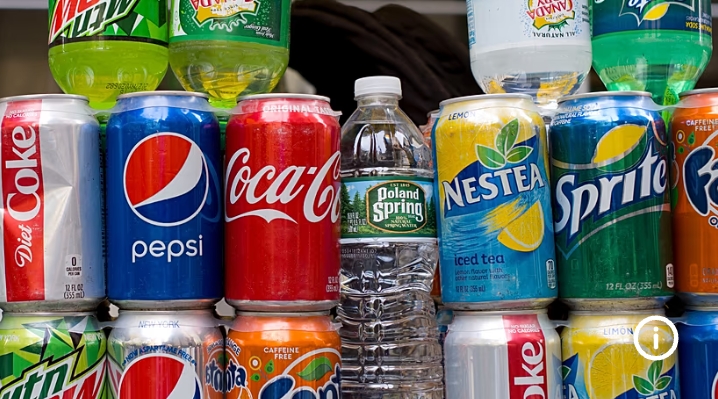
The German cabinet has approved draft legislation to tax sugary drinks in Europe’s biggest economy.
If passed by the German Bundestag, the tax will take effect on 1 July 2027.
The coalition aims to raise revenue for the federal budget while encouraging manufacturers to reduce sugar content and offer healthier products.
The levy is intended to ease pressure on the healthcare system, which faces costs of more than €2 billion every year linked to the high consumption of sugary drinks, which contributes to obesity, diabetes and tooth decay.
According to the federal government, Berlin is using the tax to implement “what associations from the fields of health, science, child protection, and consumer protection have long been demanding.”
The tax is expected to generate additional revenue for the federal government of €690 million in 2027 and €925 million in 2028.
BLACK (PARALLEL) MARKET RATES
₦1370 DOLLAR (USD
₦1800 POUND (GBP)
₦1500 EURO (EUR)
₦970 CANADIAN DOLLAR (CAD)
₦65 SOUTH AFRICAN RAND (ZAR)
₦350 UAE DIRHAM (AED)
₦190YUAN (CNY)
₦2300CFA F.(XOF)
₦2200CFA F.(XAF)
₦850AUSSIE (AUD)SELL₦1000
Official CBN Exchange Rates
DOLLAR (USD)₦1332.59
POUND (GBP)₦1765.55
EURO (EUR)₦1491.57
SWISS FRANC (CHF)₦1590.77
JAPANESE YEN (JPN)₦8.39
CFA FRANC (XOF)₦2.27
WEST AFRICAN UNIT OF ACCOUNT (WAUA)₦1802.33
CHINESE YUAN (CNY)₦199.10
SAUDI RIYAL (SAR)₦354.92
SOUTH AFRICAN RAND (ZAR)₦80.37
Business
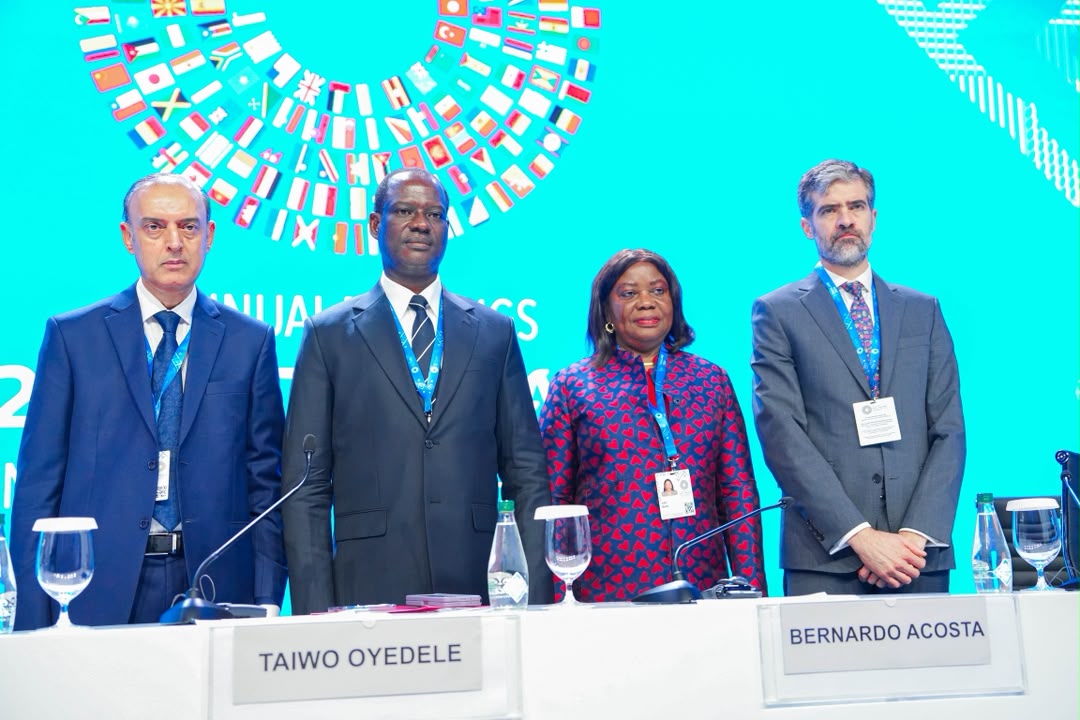
Oyedele Chairs G-24 Call for Fairer Global Financial System, Affordable Development Financing
The meeting concluded that domestic reform alone will not shield developing economies from external shocks — affordable finance, effective debt resolution, fairer representation in international institutions, and sustained cooperation are equally necessary.


Germany plans tax on sugary drinks

ASCON To Be Rebranded “National School Of Government”

CAF Increases Annual Funding for Member Federations to $700,000

Tech Expert, Zuckerberg trains with UFC champions, Adesanya, Alexander

BREAKING: Lagos Govt Declares Today, Thursday Work-Free to Mark 2026 Ìṣẹ̀ṣe Day

Organ Trafficking: Ekweremadu bags 10 years in UK prison
-

 Business2 days ago
Dangote Refinery IPO Attracts N8.61trn in Subscriptions, Four Times Offer
-
Business2 days ago
Top 10 Highest-Paid CEOs in Nigeria
-
 Business2 days ago
Naira Exchange Rates To Dollar , Pound ,Euro, … Tuesday, October 13
-

 Business3 days ago
AI to eliminate 40% of global jobs – IMF boss
-

 Business2 days ago
Global smartphone shipments fall 20% in Q3 2026, lowest in 14 years
-

 International2 days ago
Child marriage in southern Germany: Over 350 cases recorded, some brides as young as 11
-
Sports2 days ago
Rwanda to host F1’s first race in Africa since 1993
-

 International3 days ago
JUST IN: Pope Leo XIV to Undergo Surgery for Early-Stage Lung Nodule