
Business
Dangote: Nigeria Can Become Africa’s Petroleum Refining Power house

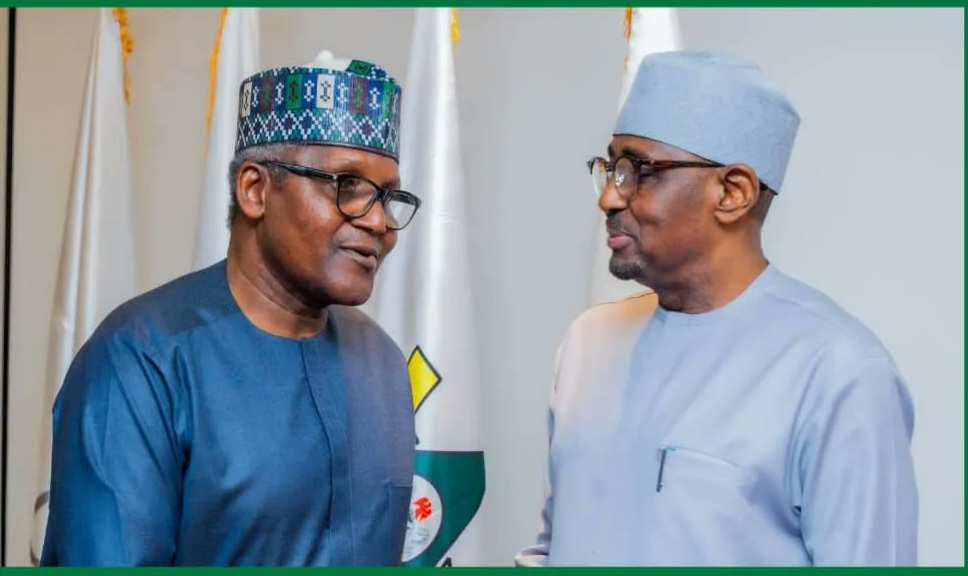
▪︎Aliko Dangote and Sen Heineken Lokpobiri
The Chairman of the Dangote Refinery and Petrochemical Company Limited, Aliko Dangote, says Nigeria can become a petroleum refining hub in Africa, citing his Refinery and the other private refineries that are coming up in the country.
Dangote affirmed this in his keynote address during a summit held in Lagos by the Crude Oil Refinery Owners Association of Nigeria, (CORAN).
The event attracted top government officials and key stakeholders from the midstream and downstream sectors.
Addressing Nigeria’s potential as a refining hub, Dangote expressed concern that, despite producing over 3.4 million barrels of crude oil per day, Africa imports around 3 million barrels of petroleum products daily.
He noted that these imports, primarily from Europe, Russia, and other regions, were estimated to cost approximately $17 billion in 2023.
Represented by Engr. Mansur Ahmed, Group Executive Director of Dangote Industries Ltd,
Dangote said Nigeria could capitalise on this situation to become a net exporter of refined petroleum products, as the markets would be more competitively served by the country.
“Both the crude oil and the petroleum products will travel shorter distances.
The logistics costs of floating storage will be eliminated, and countries can purchase their petroleum product requirements just in time. Nigeria and Africa can become completely self-sufficient, and we can keep all the value on our shores. We have done it in cement, and we can certainly do it for petroleum products.
“It is worth noting that the Dangote Refinery already produces sufficient diesel and jet fuel to meet Nigeria’s demand. We recently started the production of PMS and will soon ramp up to meet Nigeria’s needs.
”Our refined products have been exported to diverse markets, including Europe, Brazil, the UK, the USA, Singapore, and South Korea,” he added.
He said that Nigeria must develop a refining capacity of 1.5 million barrels per day and prioritise domestic crude supply obligations to seize this opportunity.
At the event, the Chairman of IPPG/Waltersmith Refinery & Petrochemicals Co. Ltd, Abdulrazaq Isa, called on the government to support domestic refiners by ensuring the availability of crude, adhering to domestic crude supply obligations, and implementing effective pricing and monitoring measures to prevent smuggling.
The Minister of State for Petroleum Resources (Oil), Senator Heineken Lopkobiri, assured that the government would continue to refine frameworks to enhance crude production and support domestic refineries.
The Chairman of CORAN’s Board of Trustees and CEO of Integrated Oil & Gas, Captain Emmanuel Iheanacho, retd, said Dangote Oil Refinery had set a high standard by producing Euro-V products, thus protecting citizens from exposure to high-sulphur products.
He noted that transforming Nigeria into a net exporter will bring numerous benefits but reiterated the need for increased investment to boost crude production, lamenting that Nigeria loses approximately $83 billion annually by not meeting its OPEC quota.




Business
Kenyan Presidential hopeful threatens to stop Dangote refinery’s project if he wins 2027 election
The presidential hopeful argued that Kenya had capable businesspeople who could undertake the refinery project, adding that the country needed a facility capable of meeting its energy requirements.
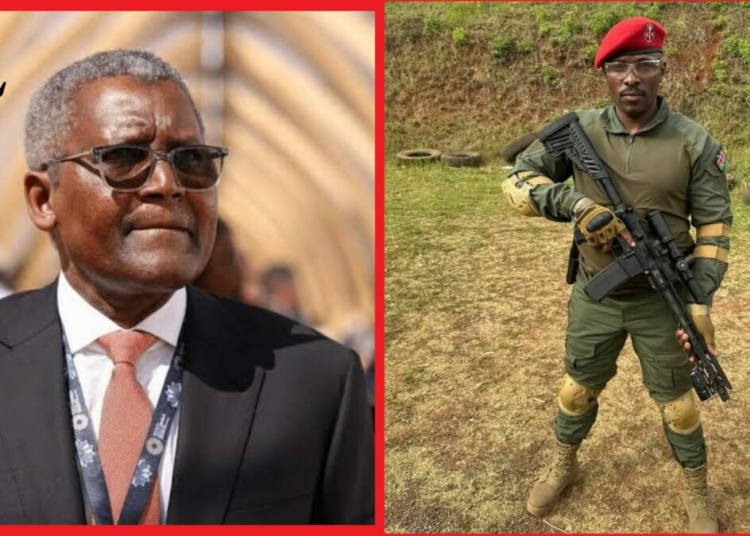
Kenyan presidential candidate, Patrick Osoi, has warned the President of Dangote Group, Aliko Dangote, against rushing the proposed construction of a 700,000-barrel-per-day refinery in Kenya, insisting that the Nigerian billionaire could be forced to leave the country if he becomes president in February 2027.
Osoi issued the warning in a video shared by AM Media, declaring that he would ensure Dangote returned to Nigeria after his inauguration.
“I want to tell Dangote, please, don’t hurry up to start the refinery, because by next year, February, the time I’m sworn in as the president of this country, you’ll be back going to Nigeria,” he said.
The presidential hopeful argued that Kenya had capable businesspeople who could undertake the refinery project, adding that the country needed a facility capable of meeting its energy requirements.
“Because we are asking a refinery which can do that job. We also have business people in this country who can do that job,” Osoi said.
Business
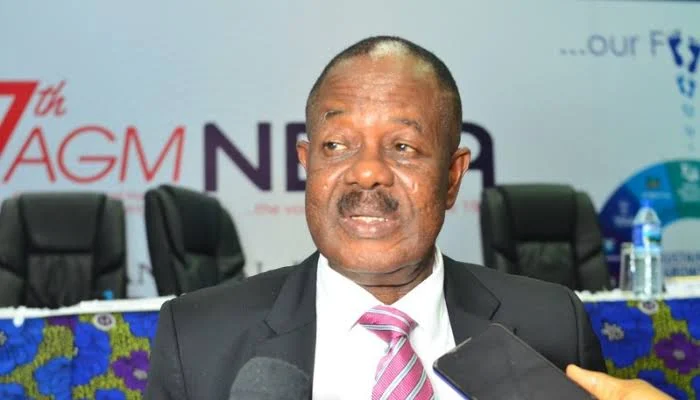
Juhel CEO-Dr Ifeanyi Okoye, Becomes MAN President
Before he was elected President, Dr. Okoye served the Association in various capacities, including as Chairman of the Enugu, Anambra and Ebonyi States Branches from 1998 to 2005, and as Vice President from 2006 to 2010.
Business
Investors Rush For Airtel Money IPO on LSE
Airtel Money is proving popular among retail investors ahead of full admission next week.

Airtel Money began conditional trading on the London Stock Exchange this morning in a £5.3 billion market debut, dubbed Africa’s Revolut.
Shares, which were open only to investors allocated stock in the offer, were trading flat at around 194p.
But armchair investors are rushing to sign up to the City’s largest IPO in five years ahead of full admission on October 14.
It is the ninth most popular initial public offering on AJ Bell’s investment platform based on the number of customers applying to take part in the offer, it said.
Airtel Money is proving popular among retail investors ahead of full admission next week
Airtel Money, a subsidiary of Airtel Africa, which offers mobile payment services in 13 countries across Africa, is a subsidiary of FTSE 100 telecoms group Airtel Africa, whose shares have trebled in less than two years.


Kenyan Presidential hopeful threatens to stop Dangote refinery’s project if he wins 2027 election

‘Up to our people’ to pick leader, Zelenskyy responds to Trump’s pledge for new elections in Ukraine

Time for Ukraine to get a new president’, says Trump

Tech Expert, Zuckerberg trains with UFC champions, Adesanya, Alexander

Organ Trafficking: Ekweremadu bags 10 years in UK prison

SAINT OBI: Between his marriage and his death
-

 News2 days ago
Tears, Embraces as Rescued NYSC Members Reunite with Families in Ibadan
-
 News2 days ago
Ahmadu Bello University Hikes Fees Across Programme
-
 Politics2 days ago
2027: INEC Displays Voter Register, Begins PVC Distribution Today
-
 News3 days ago
VON now broadcast in nine languages — DG
-
 Business3 days ago
Naira Exchange Rates Friday, October 9
-
 Business2 days ago
Manufacturers sitting on N40trn untapped opportunities, says report
-
 Sports2 days ago
National Sports Commission Changes Secretaries
-
 News3 days ago
FG Plans National Strategic Fuel Reserve As Oil Price Bites