
Business
NESG says FG Must Support Domestic Industries Like Dangote to Achieve $1 Trillion Economy Goal
It’s inconceivable that a nation of over 230 million people, with an annual birth rate higher than the total population of some countries, is still dependent on imports to feed its citizens

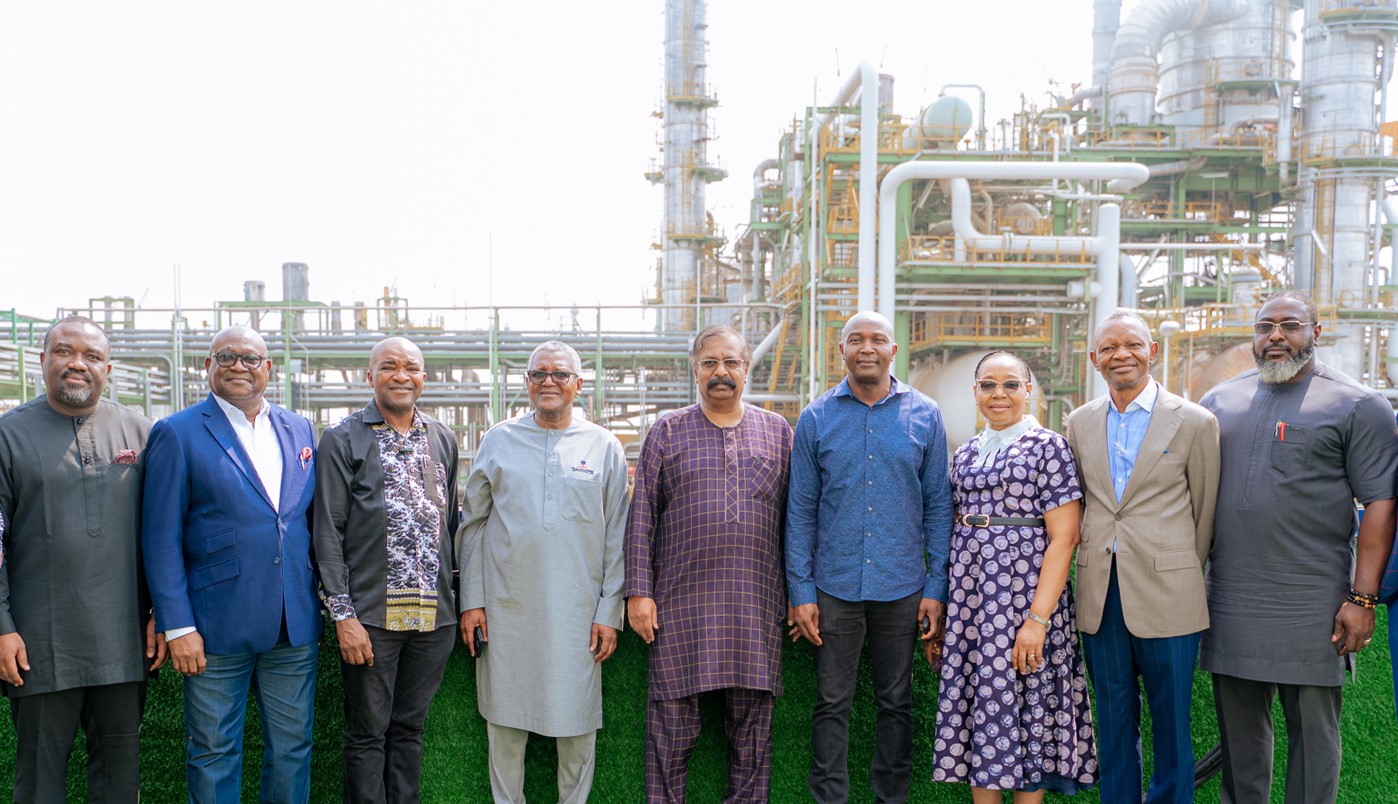
▪︎ Board members, Nigerian Economic Summit Group (NESG), Mr Lanre Akinbo; Mr. Udeme Ufot; Chairman, NESG, Mr Niyi Yusuf; President/CE, Dangote Group, Aliko Dangote; Vice President (Oil & Gas), Dangote Group, Mr Devakumar Edwin; Board Members, NESG, Mr Philip Mshelbila; Mrs Wonu Adetayo; Mr Frank Aigbogun and CEO NESG, Dr. Tayo Aduloju, during the visit of NESG delegation to Dangote Petroleum Refinery & Petrochemicals and Dangote Fertilisers in Ibeju Lekki, Lagos.
The Nigerian Economic Summit Group (NESG) has appealed to the Federal Government to support the survival of domestic industries if the economy will achieve the $1 trillion economy goal by 2030.
The NESG Chairman, Mr. Niyi Yusuf, made the call during a visit by the NESG team to both Dangote Fertiliser Limited and the Dangote Petroleum Refinery & Petrochemicals at Ibeju Lekki, Lagos.
Yusuf said: ” Nigeria needs more investments of this caliber to reach its $1 trillion economy goal. To achieve a $1 trillion economy, much of that must come from domestic investments.
I joked during the bus ride that while others are dredging to create islands for leisure, you’ve dredged 65 million cubic tonnes of sand to create a future for the country.
This refinery, fertilizer plant, petrochemical complex, and supporting infrastructure are monumental,” he said. “My hope is that God grants you the strength, courage, and health to realize your ambitions and that in your lifetime, a new Nigeria will emerge,”
Yusuf emphasized that such local industries are essential to Nigeria’s industrialization and will help foster the growth of Small and Medium Enterprises (SMEs).
He added that the NESG would continue to advocate for an improved investment climate to attract entrepreneurs, boost development, ensure food security, and address insecurity.
He lamented that Nigeria has become a dumping ground for foreign products and stressed that the country must support its entrepreneurs to become a global player.
“It’s inconceivable that a nation of over 230 million people, with an annual birth rate higher than the total population of some countries, is still dependent on imports to feed its citizens.”
Yusuf also praised Dangote’s bold vision for making Nigeria self-sufficient in several key sectors.
“The NESG is grateful, and I believe the nation is as well. This refinery represents the audacity of courage. It takes immense effort to do what you’ve done and still be standing and smiling. Thank you for inspiring us and showing that nothing is impossible.
You’ve transformed Nigeria from a net importer of petroleum products to a net exporter,” he said.
“We’ve all read Think Big, but this is truly about thinking big. The message is clear: the private sector can bring about real change.”
Dangote stated that the concept of a free market should not be used as a pretext for continued import dependence, highlighting that both developed and developing nations, including the USA and China, actively protect their domestic industries to safeguard jobs and promote self-sufficiency.
Yusuf, alongside NESG board members and stakeholders, toured the refinery and fertilizer plants, lauding the level of investment, technology, and sophistication of young Nigerian engineers running world-class laboratories and central control units.
He acknowledged Dangote’s perseverance and success in overcoming numerous challenges.
In response, the President of Dangote Group, Aliko Dangote, reiterated the importance of the private sector in national development, asserting that Nigeria’s challenges could largely be overcome by providing gainful employment to its people.
Dangote stated that the concept of a free market should not be used as a pretext for continued import dependence, highlighting that both developed and developing nations, including the USA and China, actively protect their domestic industries to safeguard jobs and promote self-sufficiency.
Dangote also cited the example of the Benin Republic, where cement imports are restricted as part of a deliberate strategy to protect local industries, despite the proximity of his Ibese plant.
“The President is a personal friend, and my Ibese plant is just 28km from Benin, yet they refuse to allow imports to protect their local industries, most of which are grinding plants,” he remarked.
He further emphasized that the government stands to gain substantially when the private sector flourishes, noting that 52 kobo (52%) of every naira Dangote Cement generates goes to the government. Dangote also pointed out the significant challenges involved, in setting up industries in Nigeria, particularly the substantial capital investment required due to the lack of infrastructure.
He stressed that investors are often forced to take on responsibilities for essential services such as power, roads, and ports – services that should be provided by the government.






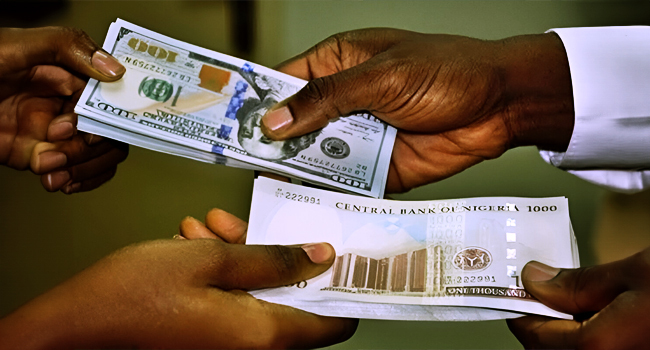
BLACK/ PARALLEL MARKET RATES
₦1370 DOLLAR (USD)
₦1800 POUND (GBP)
₦1510 EURO (EUR)
₦970 CANADIAN DOLLAR (CAD)
₦65 SOUTH AFRICAN RAND (ZAR)
₦350 UAE DIRHAM (AED)
₦190 CHINESE YUAN (CNY)
₦100 GHANAIAN CEDI (GHS)
₦2300 WEST AFRICAN CFA F.(XOF)
₦2200 CENTRAL AFRICAN CFA F.(XAF)
₦850 AUSTRALIAN DOLLAR AUSSIE (AUD)
CBN OFFICIAL RATES
DOLLAR (USD)₦1331.61
POUND (GBP)₦1764.26
EURO (EUR)₦1490.48
SWISS FRANC (CHF)₦1608.23
JAPANESE YEN (JPN)₦8.4
CFA FRANC (XOF)₦2.27
WEST AFRICAN UNIT OF ACCOUNT (WAUA)₦1802.33
CHINESE YUAN (CNY)₦199.01
SAUDI RIYAL (SAR)₦354.83
SOUTH AFRICAN RAND (ZAR)₦80.49
Business
WEF could appoint Lagarde as its next chair, sources say
The WEF’s Board of Trustees, which includes Lagarde herself, was due to meet on November 2 and could elect her as its next chair, said the people close to the organisation, who spoke on condition of anonymity due to the sensitivity of the matter.
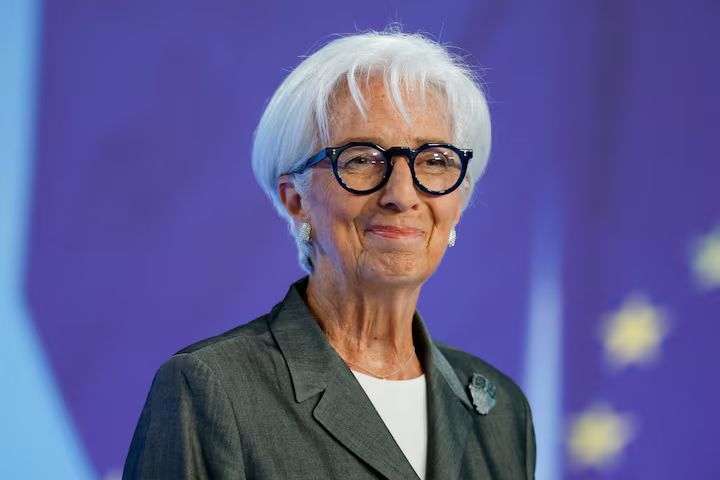
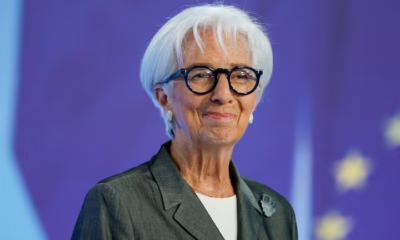
•European Central Bank President Christine Lagarde
The World Economic Forum could appoint Christine Lagarde as its next chair as soon as next month, four people close to the organisation told Reuters, meaning she would step down early as European Central Bank chief and trigger a wider reshuffle at the top of the ECB.Lagarde’s ECB term is scheduled to end in October 2027.
Leaving early would give European Union leaders a chance to pick a new ECB President before France’s spring presidential election, which opinion polls suggest the far-right could win, and could pave the way for a deal involving two other senior ECB roles.
The WEF’s Board of Trustees, which includes Lagarde herself, was due to meet on November 2 and could elect her as its next chair, said the people close to the organisation, who spoke on condition of anonymity due to the sensitivity of the matter.
No final decision has been taken yet, they said.
A spokesperson for the WEF said the forum could not confirm when the next full Board of Trustees meeting would take place, but that the aim was to hold one before the end of the year.
Business
Germany plans tax on sugary drinks
The tax is expected to generate additional revenue for the federal government of €690 million in 2027 and €925 million in 2028.
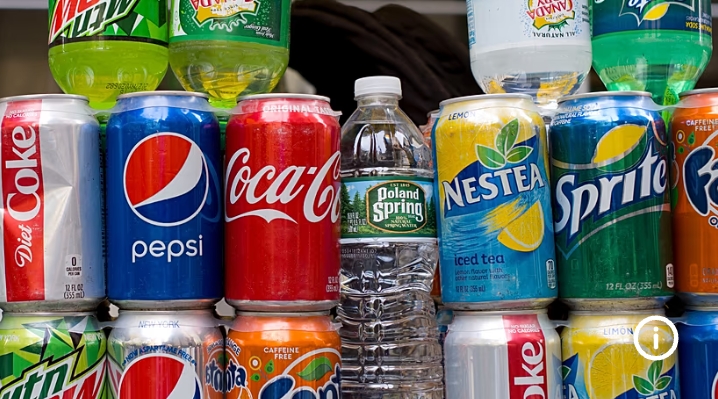
The German cabinet has approved draft legislation to tax sugary drinks in Europe’s biggest economy.
If passed by the German Bundestag, the tax will take effect on 1 July 2027.
The coalition aims to raise revenue for the federal budget while encouraging manufacturers to reduce sugar content and offer healthier products.
The levy is intended to ease pressure on the healthcare system, which faces costs of more than €2 billion every year linked to the high consumption of sugary drinks, which contributes to obesity, diabetes and tooth decay.
According to the federal government, Berlin is using the tax to implement “what associations from the fields of health, science, child protection, and consumer protection have long been demanding.”
The tax is expected to generate additional revenue for the federal government of €690 million in 2027 and €925 million in 2028.


JUST IN: Mob Sets BRT Bus Ablaze After Motorcyclist’s Death in Lagos

BREAKING: DSS Arrests Fugitive Maina Son, Hands Him to EFCC

BREAKING: 5 Arrested Over Imo NYSC Abduction

BREAKING: Lagos Govt Declares Today, Thursday Work-Free to Mark 2026 Ìṣẹ̀ṣe Day

Tech Expert, Zuckerberg trains with UFC champions, Adesanya, Alexander

Organ Trafficking: Ekweremadu bags 10 years in UK prison
-
 Business2 days ago
Naira Exchange Rates For Thursday, October 15
-
 Sports2 days ago
CAF Increases Annual Funding for Member Federations to $700,000
-
 Politics3 days ago
Exclusion of candidates from INEC list: CD cautions INEC against manipulation by politicians
-
 News2 days ago
ASCON To Be Rebranded “National School Of Government”
-
 Business2 days ago
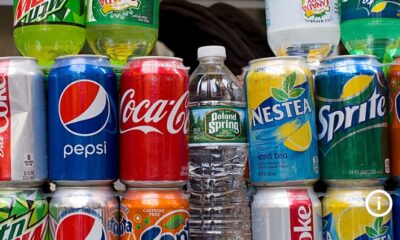
Germany plans tax on sugary drinks
-

 News3 days ago
Sanwo-Olu Appoints Olatunbosun Ogunbanwo, 5 Others as Perm Secs
-
 Business2 days ago
WEF could appoint Lagarde as its next chair, sources say
-
 International2 days ago
“Mother of all bombs,” Trump Plans To Hit Iran