
Business
Buying Land in Lagos: Legal Considerations Every Investor Must Know by Dennis Isong
Additionally, visit the site yourself. Don’t rely on Google Maps or the seller’s description. Go there, walk the land, and make sure it matches what you’ve been told.

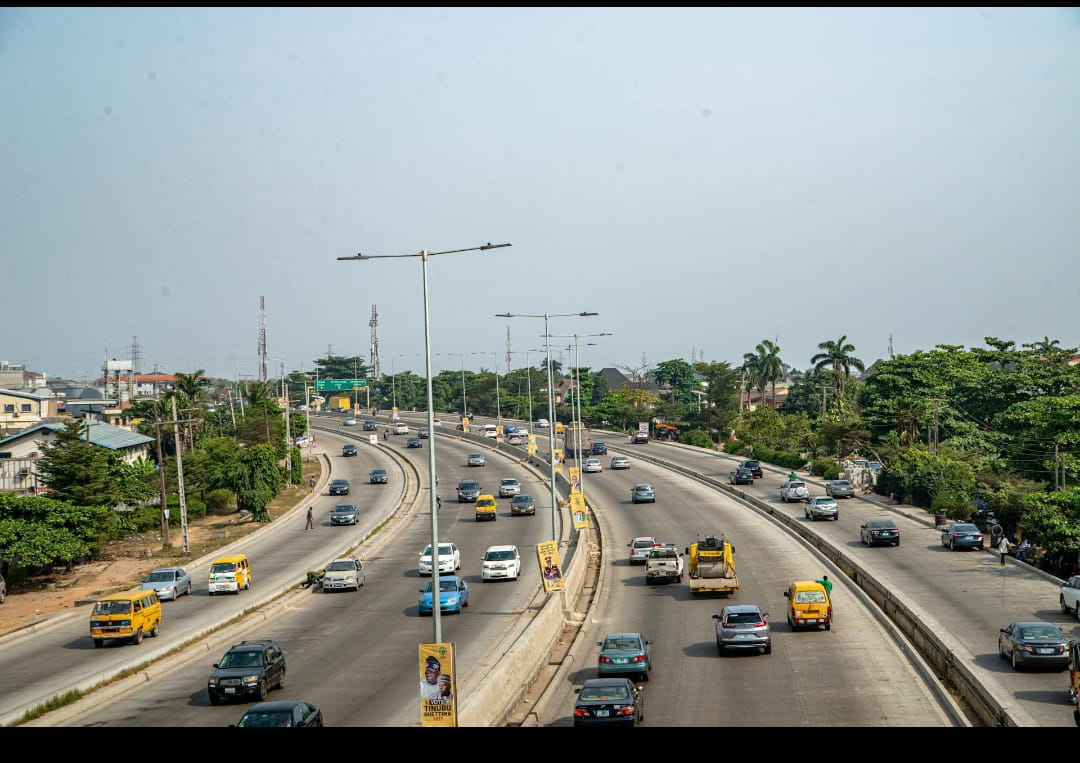
Lagos is the city of dreams, hustle, and endless opportunities.
It’s a place where fortunes are made, where the skyline is constantly changing, and where the promise of a better future lures thousands of people every day.
But beneath the glitz and glamour of Nigeria’s commercial capital lies a complex, often treacherous landscape—especially when it comes to buying land.
If you’ve ever dreamed of owning a piece of Lagos, whether to build your dream home, start a business, or simply as an investment, you need to tread carefully.
The stories of heartbreak, betrayal, and financial ruin are as common as the tales of success. Let me tell you, buying land in Lagos is not for the faint-hearted. But with the right knowledge, you can avoid the pitfalls and make a smart, secure investment.
You’ve worked hard, saved diligently, and finally have enough to buy a plot of land in Lagos.
You envision building a home where your family will thrive or developing a property that will generate passive income for years to come. You’ve seen the ads—prime locations, affordable prices, and promises of quick returns.
It all sounds perfect, doesn’t it? But here’s the harsh reality: not all that glitters is gold. Lagos is notorious for land disputes, fraudulent sellers, and bureaucratic nightmares.
I’ve heard too many stories of people who paid for land only to discover that it belonged to someone else, or worse, that it was part of a government acquisition.
Take the story of Ada, a single mother who saved for years to buy a plot of land in Lekki.
She was thrilled when she found what seemed like the perfect deal. The seller was charming, the paperwork looked legit, and the price was within her budget.
She paid in full, only to find out months later that the land was under dispute between two families. She spent years in court, draining her savings and losing sleep over what was supposed to be her golden ticket to financial security.
Ada’s story is not unique. It’s a cautionary tale that underscores the importance of doing your due diligence before buying land in Lagos.
What You Need to Know
Buying land in Lagos is not as simple as handing over cash and getting a receipt. There are legal considerations that every investor must be aware of. Ignoring these can lead to costly mistakes.
Here are the key legal aspects you need to consider: 1. Verify the Title Documents
The first step in any land transaction is to verify the title documents.
In Lagos, the most secure form of land ownership is a Certificate of Occupancy (C of O) issued by the state government.
This document proves that the government has allocated the land to the owner and grants them the right to use it. However, not all lands have a C of O. Some may have a Governor’s Consent, Deed of Assignment, or other forms of documentation.
The important thing is to ensure that the documents are genuine and that the seller has the legal right to sell the land. This is where many people get into trouble.
They assume that because the seller has a piece of paper, everything is fine. But in Lagos, fake documents are rampant. Always engage a lawyer to conduct a thorough search at the Land Registry to confirm the authenticity of the documents and ensure there are no encumbrances on the land.
2. Check for Government Acquisition One of the biggest risks when buying land in Lagos is purchasing a property that has been acquired by the government for public use.
This is more common than you might think, especially in areas like Lekki, Ibeju-Lekki, and Epe, where large-scale infrastructure projects are underway. If the land is under government acquisition, you could lose it without compensation, no matter how much you’ve paid.
To avoid this, your lawyer should conduct a search at the Ministry of Physical Planning and Urban Development to confirm whether the land is free from government acquisition.
This step is non-negotiable. Don’t let anyone convince you to skip it, no matter how trustworthy they seem.
3. Survey and Land Verification
Before you buy any land, you need to know exactly what you’re buying. This means conducting a survey to confirm the size, location, and boundaries of the property. A survey plan prepared by a licensed surveyor will give you a clear picture of the land and help you avoid disputes with neighbors or other claimants.
Additionally, visit the site yourself. Don’t rely on Google Maps or the seller’s description. Go there, walk the land, and make sure it matches what you’ve been told.
I’ve heard stories of people who bought land only to discover that it was in the middle of a swamp or already occupied by squatters. Don’t let that be you.
4. Engage a Competent Lawyer
I cannot stress this enough: do not try to navigate the land-buying process on your own. The legal complexities are too great, and the risks are too high.
A competent lawyer will guide you through the process, conduct the necessary searches, and ensure that all the paperwork is in order. They will also help you draft a solid contract that protects your interests.
Yes, legal fees can be expensive, but they are a small price to pay for peace of mind. Think of it as an insurance policy against fraud and future disputes. As the saying goes, “If you think hiring a professional is expensive, try hiring an amateur.”
5. Beware of Omo-Onile (Landowners)
In Lagos, the term “Omo-Onile” refers to the original landowners or their descendants. These individuals often demand fees from buyers, claiming it’s their right as the original owners of the land. While some of these claims may be legitimate, many are not. Some Omo-Onile are notorious for extorting money from buyers and causing trouble during construction.
To avoid this, make sure you understand the history of the land and any agreements the seller has with the Omo-Onile. Your lawyer can help you navigate this delicate issue and ensure that all necessary payments have been made.
The Emotional Toll of Land Disputes
Buying land is not just a financial transaction; it’s an emotional journey.
For many people, it represents hope, stability, and a brighter future.
When things go wrong, the emotional toll can be devastating. Imagine the frustration of watching your dream property slip through your fingers because of a legal technicality.
Or the heartbreak of realizing that the land you’ve invested in is embroiled in a dispute that could take years to resolve.
I’ve seen families torn apart by land disputes, friendships ruined, and lives upended. It’s not just about the money; it’s about the dreams that are shattered along the way.
That’s why it’s so important to get it right from the start. Don’t let impatience or excitement cloud your judgment. Take the time to do things properly, and you’ll save yourself a world of pain.
The Rewards of a Smart Investment Despite the challenges, buying land in Lagos can be one of the best investments you’ll ever make. The city is growing at an unprecedented rate, and land values are skyrocketing.
If you do your due diligence and follow the legal process, you could secure a valuable asset that will be appreciated over time. I know people who bought land in Lekki 10 years ago for a fraction of what it’s worth today.
They’ve built homes, started businesses, and created a legacy for their families. With the right approach, you can do the same. But remember, success in real estate is not just about buying land; it’s about buying the *right* land.
Buying land in Lagos is a journey filled with both opportunities and risks. It’s a test of your patience, diligence, and resilience. But with the right knowledge and guidance, you can navigate the complexities and come out on top.
Don’t let the horror stories scare you away. Instead, let them inspire you to be smarter, more cautious, and more determined.
Your dream of owning a piece of Lagos is within reach. Take the time to do it right, and you’ll be rewarded with an investment that will stand the test of time.
Remember, the city may be tough, but so are you. And with the right legal considerations in place, you can turn your dream into a reality.
STOP LOSING MONEY IN LAGOS REAL ESTATE! Learn
How to Protect Your Investment Today. => LandProperty.ng/free
Your future deserves the assurance of due diligence.



Business
Dangote Refinery’s IPO Ends Tomorrow
“The level of investor interest reflects growing confidence in our business and in the strong financial results we have delivered,” the company said.

[File photo] Opening ceremony of Dangote Refinery’s IPO on the NGX, September 14,2026
Dangote Petroleum Refinery & Petrochemicals has confirmed that its Initial Public Offering (IPO) will close on Tuesday, 27 October 2026 as scheduled, with no extension.
In a statement, the management said that the IPO has become a historic ownership moment, an opportunity for Africans at home and abroad to own a stake in one of the continent’s most strategic industrial assets.
“Investors recognise that this refinery is not merely an energy asset. It is a platform for industrial growth, foreign-exchange generation, regional trade, energy security and economic development across Africa,” management said.
The offer was structured to ensure ordinary investors participate alongside institutions, broadening ownership of the world-class asset.
“The level of investor interest reflects growing confidence in our business and in the strong financial results we have delivered,” the company said.
Business
Dangote Visit London Stock Exchange Ahead of November Cement Listing
Unlike an initial public offering, a secondary listing would let Dangote Cement, already listed on the Nigerian Exchange, set up an additional presence in London.

Aliko Dangote visited the London Stock Exchange on Friday, October 23, 2026, as Dangote Cement Plc prepares a proposed $1 billion share sale and a secondary listing in the United Kingdom.
The company is reportedly targeting November 2026 for the listing, subject to market conditions and regulatory approval.
A video circulating on social media captured the visit, with exchange officials and attendees welcoming Africa’s richest man.
The trip is part of efforts to pull international investment into his business empire.
The proposed deal could see Dangote Cement offer about 10% of its equity to international investors, potentially raising roughly $1 billion.
The final timetable is not fixed and remains subject to market conditions and regulatory requirements.
Unlike an initial public offering, a secondary listing would let Dangote Cement, already listed on the Nigerian Exchange, set up an additional presence in London.
That could raise the company’s visibility with international institutional investors, including pension funds, asset managers and other investment firms.
The share sale has not been completed. Its final structure, valuation and pricing are still subject to confirmation.
Business
Olagunju to head JPMorgan’s Proposed Nigerian Merchant Bank
The proposed bank would expand JPMorgan’s presence beyond its representative office in Lagos. It could undertake a broader range of regulated banking activities after securing a final licence.

The Central Bank of Nigeria has granted JPMorgan approval-in-principle to establish a merchant bank in Nigeria.
The regulator also approved Adedapo Adedayo Olagunju as Managing Director of the proposed JPMorgan Merchant Bank Nigeria Limited.
The approval came on Friday, October 23, 2026. The bank has not received its final operating licence.
Olagunju has led JPMorgan’s West African operations since 2018.
He is an Oxford-trained banker with more than two decades of experience in treasury management, financial markets, institutional banking and structured finance.
His appointment puts him in line to head the American bank’s proposed Nigerian merchant bank once final licensing is completed.
The CBN also approved four non-executive directors and three independent non-executive directors for the proposed institution.
The proposed bank would expand JPMorgan’s presence beyond its representative office in Lagos. It could undertake a broader range of regulated banking activities after securing a final licence.


FG Approves ₦70k Transport Allowance for Civil Servants

Suffocation, Overcrowding Kill 37 Niger Miners – Panel

Nigeria’s First Imported Ebola Patient Moved to Switzerland

BREAKING: Lagos Govt Declares Today, Thursday Work-Free to Mark 2026 Ìṣẹ̀ṣe Day

Tech Expert, Zuckerberg trains with UFC champions, Adesanya, Alexander

Organ Trafficking: Ekweremadu bags 10 years in UK prison
-

 News2 days ago
BREAKING: Former Arise News Anchor, Constance Ikokwu Appointed NDC National Campaign Council Spokesperson
-
 Business2 days ago
Dangote Visit London Stock Exchange Ahead of November Cement Listing
-

 Business2 days ago
Naira To Dollar, Pound, Euro…Rate Monday, October 26
-

 International2 days ago
Brazil’s Lula Wins Fourth Term In Presidential Runoff
-

 Health2 days ago
EBOLA: Lagos Heightens Watch at Airports After Abuja Case
-
News2 days ago
Sanwo-Olu: Opebi-Ojota Link Bridge Will Open Before Christmas
-

 Health2 days ago
Ebola: Nigeria Sends Back Swiss Woman Via Medivac Plane
-

 Business2 days ago
History of Naira Revaluation and Devaluation (1973–2026) (Part 2)