
Business
Real Estate Due Diligence: What Every Buyer Must Check Before Paying in Lagos State by Dennis Isong
Avoid lands tagged as “committed”—this means the government has already planned something for that area.

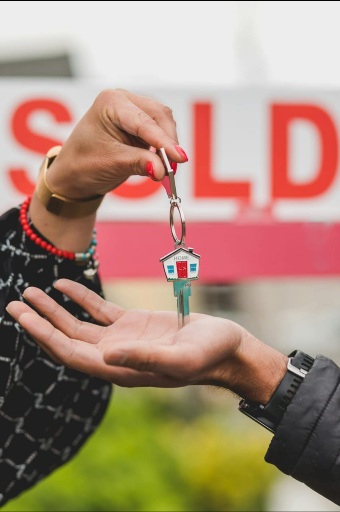
Mr. Samuel had finally saved enough to buy his dream plot in Lagos. He was tired of renting and wanted a piece of land to call his own.
One day, he came across a well-dressed agent who promised him a juicy deal—a prime piece of land in Ibeju-Lekki at an unbelievably low price.
The agent assured him that everything was “clean.” No Omo Onile drama, no government wahala. Mr. Samuel was excited.
He visited the land once, saw a few other buyers inspecting, and felt reassured. Without conducting any serious checks, he quickly made payment.
The agent even arranged for a “lawyer” to draft a deed of assignment. Everything seemed perfect.
Two months later, Mr. Samuel decided to start building. That was when the nightmare began. A group of fierce-looking men stormed the site, shouting that the land belonged to their family.
They claimed they never sold it to anyone. Confused and scared, Mr. Samuel tried calling the agent—his number was switched off.
The “lawyer” who drafted his deed had disappeared too. He went to the Lagos State Land Registry, only to discover that the land was government-acquired. Mr. Samuel had lost everything.
His hard-earned savings, his dreams, and his peace of mind. This could have been avoided if only he had done proper due diligence before paying.
What is Due Diligence in Real Estate?
Due diligence means verifying everything about a property before committing to buy it. It’s like running a background check to make sure you are not about to throw your money into a trap.
Lagos is notorious for real estate fraud—Omo Onile disputes, fake land documents, and government-acquired properties being resold illegally. One wrong move and you could lose millions.
So, before you pay a kobo, here are the critical things you must check:
1. Confirm Ownership: Who Really Owns the Land?
Never assume the person selling the land is the real owner. People sell land they don’t own every day in Lagos. Some are tenants or relatives of the real owner, while others are pure scammers.
What to Do:
● Ask for the title documents (C of O, Deed of Assignment, Governor’s Consent, or Survey Plan).
● Go to the Lagos State Land Registry (Alausa) to verify the document. If the land is not registered, don’t buy it.
● If it’s family land, ensure all family members involved sign the documents to avoid future disputes.
2. Verify Land Title and Documents
Even if the seller shows you a C of O, don’t trust it blindly. Fake C of Os and land documents flood the market. Some lands also have government restrictions, meaning they can be demolished anytime.
What to Do:
● Conduct a search at the Lagos State Lands Bureau to verify if the title is genuine.
● Cross-check survey plans at the Office of the Surveyor-General to confirm the land’s coordinates and whether it falls under government acquisition.
● Engage a trusted real estate lawyer to help you review the documents.
3. Check for Government Acquisition Issues Lagos State is aggressive when it comes to land acquisition. Some lands are meant for future government projects but are still being illegally sold to unsuspecting buyers.
What to Do: ● Visit the Lagos State Ministry of Physical Planning and Urban Development to check if the land is under acquisition.
● Avoid lands tagged as “committed”—this means the government has already planned something for that area.
4. Conduct a Physical Inspection—Don’t Rely on Photos Many buyers have fallen victim to real estate scams because they paid for land they never saw. Some agents take buyers to a different land, collect money, and disappear.
What to Do:
● Visit the land multiple times—morning, afternoon, and evening. ● Talk to neighbors and ask questions about the land’s history.
● Check for any signs of disputes (e.g., different people laying claims to the land).
5. Avoid Verbal Agreements—Everything Must Be in Writing Many people have lost money because they trusted verbal agreements. Some sellers will promise you land and later deny ever meeting you.
What to Do:
● Ensure you have a proper sales agreement signed by both parties.
● The agreement should be prepared by a trusted lawyer, not the seller’s lawyer (to avoid conflict of interest).
● Every payment must be documented, and receipts issued.
6. Investigate the Seller or Real Estate Company Some real estate companies in Lagos operate like Ponzi schemes.
They sell lands that don’t belong to them, promising fake allocations.
Before you pay, verify! Before you sign, investigate! Before you trust, confirm! And if you need expert guidance, reach out to a trusted real estate professional (like me) who can help you avoid the pitfalls.
What to Do:
● Research the company’s history and reviews from past buyers.
● Confirm their RC number and check if they are registered with CAC.
● Visit their physical office and ask tough questions. 7. Beware of Omo Onile Wahala Omo Onile (land grabbers) can frustrate landowners with illegal fees and disturbances.
They can show up after purchase, demanding extra money or threatening to seize the land.
What to Do:
● Buy land in secured estates to avoid Omo Onile drama.
● If buying directly from a family, ensure ALL family members agree to the sale.
● Have a lawyer draft an indemnity clause in your agreement to protect you from future Omo Onile claims.
8. Know the Land Use Purpose
Not all lands are meant for residential buildings. Some are strictly for commercial, agricultural, or industrial use.
What to Do:
● Check the zoning regulations at the Lagos State Ministry of Physical Planning.
● If you’re buying for business, ensure you won’t run into legal troubles later.
Don’t Let Greed and Urgency Lead You Into a Trap Many people fall victim to real estate scams because they are in a rush or want “cheap land.”
Lagos is a tough market—if a deal looks too good to be true, it probably is.
Remember Mr. Ade’s story? Don’t let it happen to you. No matter how urgent the deal seems, take your time to verify everything.
Due diligence is not a waste of time; it’s the only thing standing between you and financial disaster.
Before you pay, verify! Before you sign, investigate! Before you trust, confirm! And if you need expert guidance, reach out to a trusted real estate professional (like me) who can help you avoid the pitfalls.

Business
Dangote Refinery’s IPO Ends Tomorrow
“The level of investor interest reflects growing confidence in our business and in the strong financial results we have delivered,” the company said.

[File photo] Opening ceremony of Dangote Refinery’s IPO on the NGX, September 14,2026
Dangote Petroleum Refinery & Petrochemicals has confirmed that its Initial Public Offering (IPO) will close on Tuesday, 27 October 2026 as scheduled, with no extension.
In a statement, the management said that the IPO has become a historic ownership moment, an opportunity for Africans at home and abroad to own a stake in one of the continent’s most strategic industrial assets.
“Investors recognise that this refinery is not merely an energy asset. It is a platform for industrial growth, foreign-exchange generation, regional trade, energy security and economic development across Africa,” management said.
The offer was structured to ensure ordinary investors participate alongside institutions, broadening ownership of the world-class asset.
“The level of investor interest reflects growing confidence in our business and in the strong financial results we have delivered,” the company said.
Business
Dangote Visit London Stock Exchange Ahead of November Cement Listing
Unlike an initial public offering, a secondary listing would let Dangote Cement, already listed on the Nigerian Exchange, set up an additional presence in London.

Aliko Dangote visited the London Stock Exchange on Friday, October 23, 2026, as Dangote Cement Plc prepares a proposed $1 billion share sale and a secondary listing in the United Kingdom.
The company is reportedly targeting November 2026 for the listing, subject to market conditions and regulatory approval.
A video circulating on social media captured the visit, with exchange officials and attendees welcoming Africa’s richest man.
The trip is part of efforts to pull international investment into his business empire.
The proposed deal could see Dangote Cement offer about 10% of its equity to international investors, potentially raising roughly $1 billion.
The final timetable is not fixed and remains subject to market conditions and regulatory requirements.
Unlike an initial public offering, a secondary listing would let Dangote Cement, already listed on the Nigerian Exchange, set up an additional presence in London.
That could raise the company’s visibility with international institutional investors, including pension funds, asset managers and other investment firms.
The share sale has not been completed. Its final structure, valuation and pricing are still subject to confirmation.
Business
Olagunju to head JPMorgan’s Proposed Nigerian Merchant Bank
The proposed bank would expand JPMorgan’s presence beyond its representative office in Lagos. It could undertake a broader range of regulated banking activities after securing a final licence.

The Central Bank of Nigeria has granted JPMorgan approval-in-principle to establish a merchant bank in Nigeria.
The regulator also approved Adedapo Adedayo Olagunju as Managing Director of the proposed JPMorgan Merchant Bank Nigeria Limited.
The approval came on Friday, October 23, 2026. The bank has not received its final operating licence.
Olagunju has led JPMorgan’s West African operations since 2018.
He is an Oxford-trained banker with more than two decades of experience in treasury management, financial markets, institutional banking and structured finance.
His appointment puts him in line to head the American bank’s proposed Nigerian merchant bank once final licensing is completed.
The CBN also approved four non-executive directors and three independent non-executive directors for the proposed institution.
The proposed bank would expand JPMorgan’s presence beyond its representative office in Lagos. It could undertake a broader range of regulated banking activities after securing a final licence.


FG Approves ₦70k Transport Allowance for Civil Servants

Suffocation, Overcrowding Kill 37 Niger Miners – Panel

Nigeria’s First Imported Ebola Patient Moved to Switzerland

BREAKING: Lagos Govt Declares Today, Thursday Work-Free to Mark 2026 Ìṣẹ̀ṣe Day

Tech Expert, Zuckerberg trains with UFC champions, Adesanya, Alexander

Organ Trafficking: Ekweremadu bags 10 years in UK prison
-

 News2 days ago
BREAKING: Former Arise News Anchor, Constance Ikokwu Appointed NDC National Campaign Council Spokesperson
-
 Business2 days ago
Dangote Visit London Stock Exchange Ahead of November Cement Listing
-

 Health2 days ago
EBOLA: Lagos Heightens Watch at Airports After Abuja Case
-

 Business2 days ago
Naira To Dollar, Pound, Euro…Rate Monday, October 26
-

 International2 days ago
Brazil’s Lula Wins Fourth Term In Presidential Runoff
-

 Business2 days ago
History of Naira Revaluation and Devaluation (1973–2026) (Part 2)
-
News2 days ago
Sanwo-Olu: Opebi-Ojota Link Bridge Will Open Before Christmas
-

 Health2 days ago
Ebola: Nigeria Sends Back Swiss Woman Via Medivac Plane