
Business
Due Diligence: How to Handle Property Disputes in Lagos by Dennis Isong
Whether you’re a first-time buyer, a seasoned investor, or someone who inherited a family property, the nightmare of a property dispute can feel like a dark cloud hanging over your head.

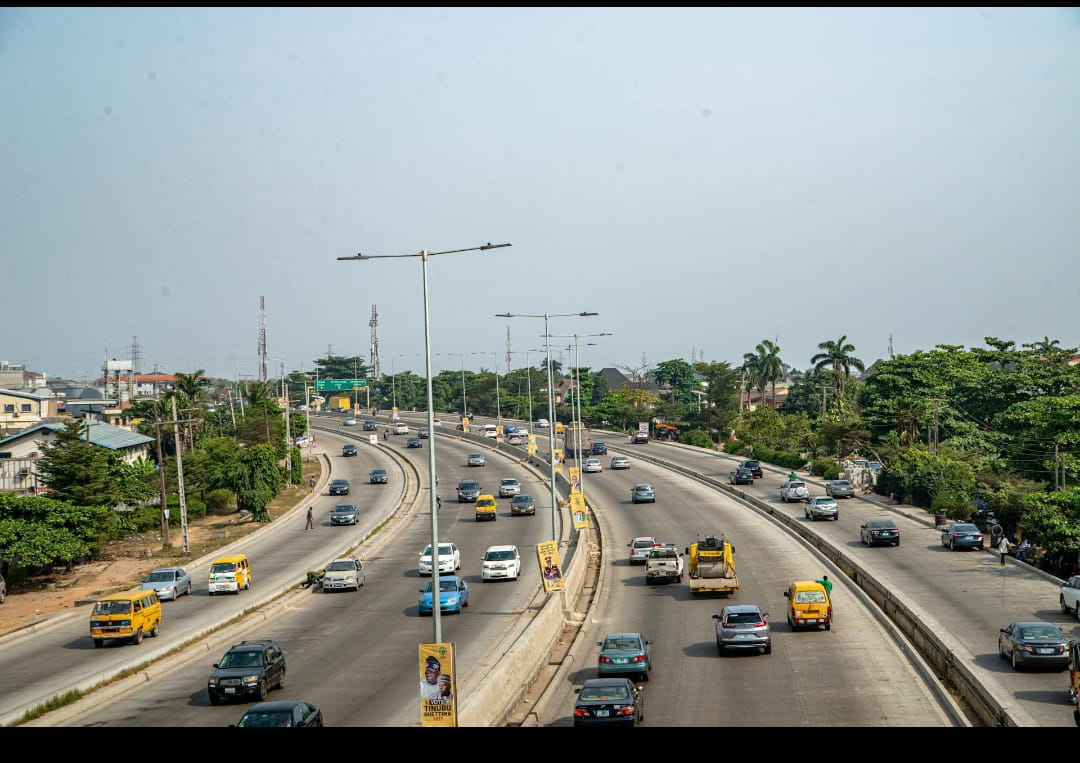
Lagos, the bustling heart of Nigeria, is a city of dreams, opportunities, and, unfortunately, property disputes.
If you’ve ever found yourself caught in the web of a property dispute in Lagos, you know how emotionally draining and financially crippling it can be.
The city’s real estate market is booming, but with that growth comes a surge in conflicts over land, buildings, and ownership rights.
Whether you’re a first-time buyer, a seasoned investor, or someone who inherited a family property, the nightmare of a property dispute can feel like a dark cloud hanging over your head.
But here’s the thing: with the right knowledge and approach, you can navigate these murky waters and come out on top. Let’s talk about how.
The Emotional Toll of Property Disputes
Imagine this: You’ve saved for years, maybe even decades, to buy a piece of land or a house in Lagos.
You’ve dreamed of building a home for your family or starting a business on that property. Then, out of nowhere, someone claims the land is theirs. Or perhaps you inherited a property from your parents, only to discover that distant relatives or even strangers are contesting your ownership.
The frustration, anger, and helplessness can be overwhelming.
Property disputes are not just about money or assets; they’re about your dreams, your security, and your peace of mind. In Lagos, where land is gold and space is limited, these disputes are all too common.
But why?
The answer lies in the complex nature of land ownership, poor documentation, and sometimes, outright fraud.
Why Property Disputes Happen in Lagos
1. Multiple Sales of the Same Property: This is one of the most common issues. Unscrupulous sellers or agents sell the same piece of land to multiple buyers. By the time you realize what’s happened, you’re already in a legal battle.
2. Inheritance Conflicts: Family disputes over inherited property are rampant. Siblings, cousins, and even distant relatives may lay claim to a property, leading to prolonged court cases.
3. Boundary Disputes: Lagos is densely populated, and boundaries between properties are often unclear. Disputes arise when neighbors encroach on each other’s land, intentionally or unintentionally.
4. Fraudulent Documents: Fake land titles, forged signatures, and doctored documents are tools used by fraudsters to swindle unsuspecting buyers.
5. Government Acquisition: Sometimes, the government acquires land for public use, but the information doesn’t reach the rightful owners, leading to confusion and disputes.
How to Protect Yourself: Due Diligence is Key
The best way to avoid property disputes is to do your due diligence before buying or inheriting any property. Due diligence is not just a fancy term; it’s your shield against fraud and conflict.
Here’s how to do it:
1. Verify the Seller’s Identity: Ensure the person selling the property is the rightful owner. Ask for valid identification and cross-check with the land registry.
2. Check the Land Title:
In Lagos, the most secure form of land ownership is a Certificate of Occupancy (C of O) issued by the government. If the property doesn’t have one, tread carefully. You can also check for a Governor’s Consent, which is required for the transfer of ownership.
3. Conduct a Search at the Land Registry:
This is crucial. A search will reveal the true owner of the property, any existing encumbrances, or pending litigation. Don’t skip this step, no matter how trustworthy the seller seems.
4. Inspect the Property Physically:
Visit the property and inspect it thoroughly. Look for signs of occupation, boundary marks, and any red flags. Talk to neighbors; they often have valuable information about the property’s history. .
5. Hire a Lawyer: A real estate lawyer can guide you through the process, review documents, and ensure everything is in order. Yes, it’s an extra cost, but it’s worth every penny to avoid future headaches.
What to Do If You’re Already in a Dispute If you’re already caught in a property dispute, don’t panic. While the process can be stressful, there are steps you can take to resolve the issue:
1. Gather Your Documents: Collect all relevant documents, including your deed of assignment, receipts, and any correspondence with the seller or other parties. These will serve as evidence in your favor.
2. Engage a Competent Lawyer: A good lawyer is your best ally in a property dispute. They can help you understand your rights, file the necessary legal actions, and represent you in court if needed.
3. Explore Alternative Dispute Resolution (ADR): Court cases can drag on for years, draining your time and resources. Consider mediation or arbitration as a faster and less expensive way to resolve the dispute.
4. Stay Calm and Patient: Property disputes can be emotionally charged, but losing your temper won’t help.
Stay focused, follow your lawyer’s advice, and be patient. Justice may take time, but it’s worth fighting for.
Real-Life Stories: Lessons from the Trenches Let me share a story that hits close to home.
A friend of mine, let’s call her Ada, bought a piece of land in Lekki, one of Lagos’ most sought-after areas. She did everything right—or so she thought.
She verified the seller’s identity, checked the documents, and even paid for a survey plan. But a year later, while preparing to start construction, she was served with a court notice. Someone else was claiming ownership of the same land.
Ada was devastated. She had invested her life savings into that property. After months of legal battles, it turned out that the original seller had sold the land to multiple buyers. Ada eventually won the case, but it cost her time, money, and sleepless nights. Her story is a stark reminder of why due diligence is non-negotiable.
The Human Side of Property Disputes
Behind every property dispute is a human story—a family torn apart, a dream deferred, or a life savings lost. It’s easy to get caught up in the legalities and forget the emotional toll these conflicts take.
I’ve seen families stop speaking to each other over inherited property. I’ve met people who lost everything because they trusted the wrong person. And I’ve also seen the relief and joy of those who fought for their rights and won.
If you’re going through a property dispute, know that you’re not alone. Many have walked this path before you, and many will come after. What matters is how you handle it. Will you let it break you, or will you rise above it?
Lagos is a city of endless possibilities, but it’s also a city where you need to be vigilant. Property disputes can happen to anyone, but with due diligence, you can minimize the risks.
If you’re buying property, take your time, do your research, and seek professional help. If you’re already in a dispute, don’t lose hope.
Fight for what’s rightfully yours, but do it wisely. Remember, your property is more than just an asset; it’s a part of your story, your legacy, and your future.
Protect it with everything you’ve got. And if you ever feel overwhelmed, take a deep breath and remind yourself why you started this journey in the first place. Your dreams are worth fighting for.
So, the next time you hear about a property dispute in Lagos, don’t just see it as a news headline.
See it as a cautionary tale, a call to action, and a reminder that in this city, due diligence isn’t just an option—it’s a necessity.

BLACK/ PARALLEL MARKET RATES
₦1370 DOLLAR (USD)
₦1800 POUND (GBP)
₦1510 EURO (EUR)
₦970 CANADIAN DOLLAR (CAD)
₦65 SOUTH AFRICAN RAND (ZAR)
₦350 UAE DIRHAM (AED)
₦190 CHINESE YUAN (CNY)
₦100 GHANAIAN CEDI (GHS)
₦2300 WEST AFRICAN CFA F.(XOF)
₦2200 CENTRAL AFRICAN CFA F.(XAF)
₦850 AUSTRALIAN DOLLAR AUSSIE (AUD)
CBN OFFICIAL RATES
DOLLAR (USD)₦1331.61
POUND (GBP)₦1764.26
EURO (EUR)₦1490.48
SWISS FRANC (CHF)₦1608.23
JAPANESE YEN (JPN)₦8.4
CFA FRANC (XOF)₦2.27
WEST AFRICAN UNIT OF ACCOUNT (WAUA)₦1802.33
CHINESE YUAN (CNY)₦199.01
SAUDI RIYAL (SAR)₦354.83
SOUTH AFRICAN RAND (ZAR)₦80.49
Business
WEF could appoint Lagarde as its next chair, sources say
The WEF’s Board of Trustees, which includes Lagarde herself, was due to meet on November 2 and could elect her as its next chair, said the people close to the organisation, who spoke on condition of anonymity due to the sensitivity of the matter.

•European Central Bank President Christine Lagarde
The World Economic Forum could appoint Christine Lagarde as its next chair as soon as next month, four people close to the organisation told Reuters, meaning she would step down early as European Central Bank chief and trigger a wider reshuffle at the top of the ECB.Lagarde’s ECB term is scheduled to end in October 2027.
Leaving early would give European Union leaders a chance to pick a new ECB President before France’s spring presidential election, which opinion polls suggest the far-right could win, and could pave the way for a deal involving two other senior ECB roles.
The WEF’s Board of Trustees, which includes Lagarde herself, was due to meet on November 2 and could elect her as its next chair, said the people close to the organisation, who spoke on condition of anonymity due to the sensitivity of the matter.
No final decision has been taken yet, they said.
A spokesperson for the WEF said the forum could not confirm when the next full Board of Trustees meeting would take place, but that the aim was to hold one before the end of the year.
Business
Germany plans tax on sugary drinks
The tax is expected to generate additional revenue for the federal government of €690 million in 2027 and €925 million in 2028.

The German cabinet has approved draft legislation to tax sugary drinks in Europe’s biggest economy.
If passed by the German Bundestag, the tax will take effect on 1 July 2027.
The coalition aims to raise revenue for the federal budget while encouraging manufacturers to reduce sugar content and offer healthier products.
The levy is intended to ease pressure on the healthcare system, which faces costs of more than €2 billion every year linked to the high consumption of sugary drinks, which contributes to obesity, diabetes and tooth decay.
According to the federal government, Berlin is using the tax to implement “what associations from the fields of health, science, child protection, and consumer protection have long been demanding.”
The tax is expected to generate additional revenue for the federal government of €690 million in 2027 and €925 million in 2028.


JUST IN: Mob Sets BRT Bus Ablaze After Motorcyclist’s Death in Lagos

BREAKING: DSS Arrests Fugitive Maina Son, Hands Him to EFCC

BREAKING: 5 Arrested Over Imo NYSC Abduction

BREAKING: Lagos Govt Declares Today, Thursday Work-Free to Mark 2026 Ìṣẹ̀ṣe Day

Tech Expert, Zuckerberg trains with UFC champions, Adesanya, Alexander

Organ Trafficking: Ekweremadu bags 10 years in UK prison
-

 Business3 days ago
Germany plans tax on sugary drinks
-

 Business3 days ago
WEF could appoint Lagarde as its next chair, sources say
-

 International3 days ago
“Mother of all bombs,” Trump Plans To Hit Iran
-

 Business2 days ago
Naira Exchange Rates Friday, October 16
-
 Crime2 days ago
BREAKING: 5 Arrested Over Imo NYSC Abduction
-

 News3 days ago
BREAKING: Explosion Rocks Rivers, Many Rushed to Hospital
-

 News2 days ago
Meta removes 3.7 million accounts in West Africa scam crackdown
-

 News2 days ago
ARISE News Wins Seven Honours At Nigerian Broadcasters Merit Awards