
Business
What Happens if You Build on Unregistered Land in Nigeria? By Dennis Isong
In Lagos and other parts of Nigeria, registration is what gives life to land ownership. It’s like having a car without registration papers—you may drive it for a while, but if the authorities stop you, you’ll have questions to answer.

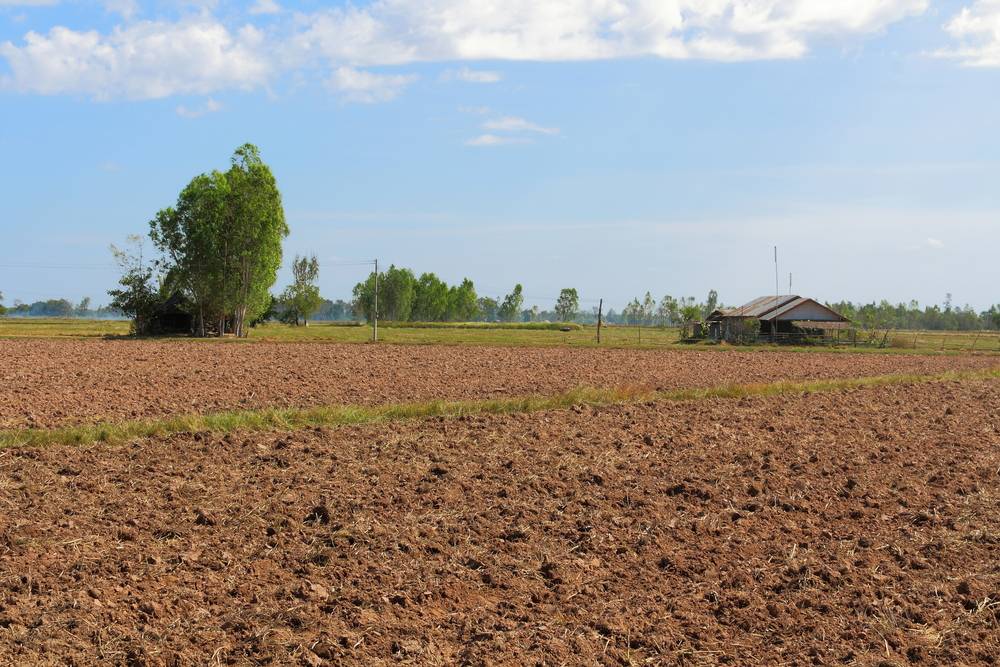
It started with Tunde, a middle-aged man who had finally saved enough to build a small bungalow for his family in Lagos. He bought land through a “family agent,” eager to start construction quickly.
Within months, the foundation was up, walls were rising, and he proudly watched his dream take shape. But one morning, government officials showed up with an order—his building was sitting on unregistered land.
Tunde’s heart sank. Everything he had worked for was suddenly at risk.Tunde’s story is not uncommon in Nigeria. Many people rush into building on land without confirming its legal status.
The result is often heartbreaking—loss of property, endless court cases, or government demolition. So, what happens if you build on unregistered land in Nigeria? Let’s break it down carefully and realistically.
1. Understanding What Unregistered Land Means
Before we talk about what happens if you build on unregistered land in Nigeria, it’s important to understand what unregistered land actually means.
In simple terms, unregistered land is land that has not been formally recorded with the government or does not have an official title document such as a Certificate of Occupancy (C of O), Governor’s Consent, or registered Deed of Assignment.
When land is registered, it means the government recognizes you as the lawful owner.
Your name and the property details are stored in official land registries, making your ownership legally protected.
But if your land is unregistered, your ownership may only be based on informal documents—like receipts, family agreements, or a local survey plan—which are not legally binding in court.
In Lagos and other parts of Nigeria, registration is what gives life to land ownership. It’s like having a car without registration papers—you may drive it for a while, but if the authorities stop you, you’ll have questions to answer.
The same principle applies to land. You may fence it, build on it, and even live there, but if your land is not legally registered, you don’t have full ownership rights.
This is why real estate experts always warn buyers to confirm land titles before paying a dime. Because in Nigeria, owning land and proving ownership are two different things.
2. The Legal Consequences of Building on Unregistered Land
Now, let’s answer the main question—what happens if you build on unregistered land in Nigeria? The legal consequences can be very serious.
When you build on unregistered land, your development is seen as being done without proper authorization.
According to the Land Use Act of 1978, all land in each state belongs to the Governor, who holds it in trust for the people.
To legally own or use any land, you must have the Governor’s approval through the Certificate of Occupancy or Governor’s Consent. Without this, your ownership is incomplete in the eyes of the law.
If government officials discover that your land is unregistered, they can issue a “stop-work” order, preventing further construction. In many cases, if the land falls under government acquisition or reserved area, the building may be marked for demolition.
And if the land belongs to another person who has legal registration, you could be charged with trespass, even if you didn’t know.
Imagine spending millions building your dream house only to be told that it stands on land that belongs to someone else—or worse, on land the government has already allocated for a public project.
In such cases, ignorance is not an excuse. The law prioritizes the registered owner.Another hidden danger is that you can’t use unregistered land for financial transactions.
For example, banks will never accept such property as collateral for a loan because it lacks a valid title.
Even selling it later becomes difficult since buyers now demand proper documentation before parting with money.
So, while you may enjoy the land temporarily, the long-term risk is too great. Building on unregistered land in Nigeria can cost you not just your investment but also your peace of mind.
3. The Financial and Emotional Cost of Building Without Proper Registration
There is a painful truth many Nigerians have learned the hard way—building on unregistered land might seem cheaper at first, but in the long run, it is far more expensive.Let’s go back to Tunde’s story.
After the authorities stopped his construction, he tried to regularize his documents.
He soon discovered that the land was under government acquisition, meaning it was never meant for private use.
To reclaim it, he had to go through an expensive and uncertain process called ratification.
That process involved multiple visits to government offices, lawyers’ fees, and months of waiting—with no guarantee of success.
Even if you’re lucky enough that the land can be ratified, the total cost of perfecting the title after building is usually higher than if you had done it before construction.
You might need to pay for survey plans, excision, governor’s consent, and other documentation. Each stage involves money, time, and patience.
Financially, you could also lose everything.
If a legitimate owner appears with registered documents, you’ll have no legal claim to the land.
Nigerian courts rely heavily on documentary evidence, not just physical possession.
So even if you’ve built a house and lived there for years, the registered owner can claim it and even obtain an order to demolish your structure.
Beyond money, there’s the emotional toll. Many families have experienced sleepless nights, endless anxiety, and strained relationships because of land issues.
You can’t enjoy your property when you’re constantly worried about losing it. And in some communities, land disputes can turn violent.
So, the next time someone offers you “cheap land,” pause and ask yourself: Is it registered? Because what looks like a bargain today might become your biggest loss tomorrow.
4. How to Avoid the Trap of Building on Unregistered Land
If you truly want to avoid the painful consequences of building on unregistered land in Nigeria, you must follow due process before laying a single block.The first step is verification.
Always confirm the status of the land with the Ministry of Lands or relevant authorities in the state.
In Lagos, for example, you can conduct a land search at the Alausa Land Registry. This search will show whether the land has a valid title, is under acquisition, or has any disputes.
Second, work with professionals. Engage a registered surveyor, a real estate lawyer, or a trusted realtor who understands the terrain.
They can help you verify documents, identify red flags, and guide you through the legal requirements.Third, insist on seeing original documents before paying for any land. Don’t rely on photocopies or word-of-mouth assurances.
If your land is not under government acquisition, you can apply for ratification or regularization.
This process involves the state government officially approving your ownership and issuing a title document.
Check for the C of O, Deed of Assignment, or Governor’s Consent. And if the land is family-owned, make sure you deal directly with recognized family heads, not self-appointed agents.
Fourth, once you buy the land, register it immediately. Many people delay registration because they want to “build first and register later.”
This is risky.
Once you start construction, you expose yourself to legal issues. Registering your land protects your ownership and gives you the confidence to develop it freely.
Last, remember that due diligence is cheaper than regret. Spending a few weeks verifying land is better than losing years of hard work.
5. What You Should Do If You’ve Already Built on Unregistered Land
Let’s be realistic—many people reading this might already be living on unregistered land.
The good news is that all hope is not lost. There are legal steps you can take to regularize your property, although it depends on the specific situation.
If your land is not under government acquisition, you can apply for ratification or regularization. This process involves the state government officially approving your ownership and issuing a title document.
You’ll need to submit your survey plan, proof of purchase, and other documents. It can take time, but once completed, your land becomes legally recognized.
However, if your land is within a government-acquired area or marked for public use, things get complicated. In such cases, the government may reclaim it without compensation.
But sometimes, depending on the policy and nature of the land, you may be able to apply for excision, which means the government releases a portion of the acquired land for private ownership.
Another option is negotiation. If the land belongs to a private owner with proper documents, you can reach an agreement and purchase the land officially through a fresh Deed of Assignment. It might be costly, but it’s better than losing your investment entirely.
The key is not to ignore the situation. Visit the Ministry of Lands, talk to a property lawyer, and start the regularization process.
The earlier you act, the higher your chances of securing your property legally.Building on unregistered land in Nigeria may seem like an innocent mistake, but the consequences can be devastating.
You risk losing your property, facing legal battles, or spending double the cost trying to fix documentation problems.
The question—What happens if you build on unregistered land in Nigeria?—should not just be a curiosity; it should be a serious warning to every property owner or investor.
Real estate in Nigeria is one of the most profitable investments, but only when done correctly.
Always prioritize legal ownership over quick development. Verify, register, and secure your documents before building.
It’s the only way to truly own your land without fear or uncertainty.So, learn from Tunde’s story. Don’t rush the process.
A dream home built on shaky legal ground can easily become a nightmare. But with proper guidance, patience, and professional help, you can own property in Nigeria safely and confidently.
Dennis Isong is a TOP REALTOR IN LAGOS.
He Helps Nigerians in Diaspora to Own Property In Lagos Nigeria STRESS-FREE. For Questions WhatsApp/Call +2348164741041












Business
History of Naira Revaluation and Devaluation (1973–2026) (Part 1)
Why was the naira devalued?

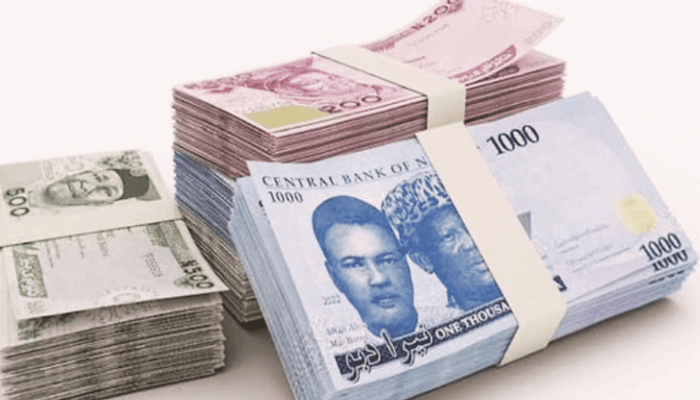
The history of the Nigerian naira is marked by two major developments: periods when the currency gained value or was officially strengthened, and prolonged periods when it lost value against major international currencies, particularly the US dollar.
Since its introduction in 1973, the naira has undergone several exchange-rate policy changes, including fixed exchange rates, currency devaluations, foreign-exchange market liberalisation, attempts to unify exchange rates and market-driven depreciation.
The Central Bank of Nigeria (CBN) has played a central role in managing these changes.
- Introduction of the Naira in 1973
Nigeria introduced the naira on January 1, 1973, replacing the Nigerian pound.
The conversion rate was:
£1 Nigerian pound = ₦2.
₦1 = 10 shillings under the old currency system.
₦1 = 100 kobo.
The new currency was introduced during a period of expanding oil revenues and economic growth.
Nigeria initially maintained a relatively strong, managed exchange rate, supported by foreign-exchange controls and the country’s oil earnings.
The introduction of the naira was a currency change, not a devaluation.- The 1970s: A Relatively Strong Naira
During the 1970s, rising oil revenues strengthened Nigeria’s foreign-exchange position.
The government maintained a controlled exchange-rate system, initially linking the naira to the US dollar before moving to a basket of currencies representing major trading partners in 1978.
The oil boom provided foreign exchange for imports, infrastructure and public expenditure.
However, Nigeria’s dependence on crude oil revenues left the economy vulnerable to fluctuations in international oil prices.
Key development: The naira benefited from a relatively strong external position, although its exchange rate was managed by the authorities rather than determined by an unrestricted market.- The Early 1980s: Mounting Pressure on the Naira
The economic situation deteriorated in the early 1980s as oil revenues weakened and foreign-exchange shortages intensified.
Nigeria faced several economic challenges:
• Declining oil receipts.
• Rising import bills.
• Pressure on foreign reserves.
• Growing external debt and trade arrears.
• Increasing demand for foreign currency.
The government maintained controls on foreign exchange, but the official rate became increasingly disconnected from the rate at which foreign currency could be obtained in the parallel market.
This created pressure for exchange-rate reform.
The crisis set the stage for the introduction of the Structural Adjustment Programme (SAP) in 1986.- 1986: Major Naira Devaluation Under SAP
September 26, 1986, marked a turning point in the history of the naira.
Under the military government of General Ibrahim Babangida, Nigeria introduced the Second-Tier Foreign Exchange Market (SFEM) as part of the Structural Adjustment Programme.
The objective was to allow market forces to play a greater role in determining the naira’s exchange rate.
According to an International Monetary Fund account, the naira’s value was discounted by approximately 66 per cent at the inaugural SFEM auction.
The exchange rate moved from about ₦1.60 per US dollar under the previous administered rate to approximately ₦4.60 per dollar at the initial auction.
Why was the naira devalued?
The policy was intended to:
•Reduce the overvaluation of the naira.
•Improve the allocation of scarce foreign exchange.
•Encourage non-oil exports.
•Improve the competitiveness of Nigerian products.
•Reduce distortions in the foreign-exchange market.
However, the weaker currency also increased the naira cost of imported goods and production inputs.
The 1986 reform began a prolonged period of exchange-rate adjustments.- …To be continued
Business
Obasanjo Accuses Tinubu : “You Made Every Nigerian Poor By 300% Naira Devaluation”
The former President also rejected the argument that Tinubu needed more time to complete his reforms, saying he did not see the economy improving.

Image: AI generated
Former President Olusegun Obasanjo has accused President Bola Tinubu of making every Nigerian poor by 300 per cent through the devaluation of the naira.
Obasanjo spoke on Wednesday during the Financial Times Africa Summit 2026 in London, United Kingdom.
He said that the naira lost its value overnight due to economic reforms undertaken by the Tinubu administration in 2023.
“We do not live in isolation as a country. We interact with the rest of the world. And overnight, you devalue the currency by 300 per cent. The naira went from N500 to a dollar to N1,500 to a dollar. What that meant was that every Nigerian is made poor by 300 per cent.”
Obasanjo said that had made Nigeria “the poverty capital of the world,” which he said meant the country had the largest number of poor people in the world.
“You cannot say to me that that is good for Nigeria. You cannot say to me that that is good for us in any sense,” he noted.
The former President also rejected the argument that Tinubu needed more time to complete his reforms, saying he did not see the economy improving.
Business
CBN Licences Abbey Bank to Start Full Commercial Banking in November 2026
Adewumi said: “The year 2026 represents a defining moment in the history of Abbey. Our approval to transition to commercial banking is a testament to the work invested in building this institution and the confidence placed in us by our regulators, shareholders, customers and employees.”

The Central Bank of Nigeria (CBN) has approved Abbey Bank Plc to begin operation as a regional commercial bank, effectively from November 2026.
The licence opens retail banking, small and medium-sized enterprise lending, trade finance and corporate banking to the lender.
Abbey Bank had operated as a mortgage bank for more than three decades.
The commercial banking licence was issued in June 2026 after the bank completed its capital-raising process.
Managing Director and Chief Executive Officer Mobolaji Adewumi said the bank began internal discussions on the transition in 2023 and submitted a formal application in 2024.
He said regulatory approval arrived in October 2024.
Adewumi said: “The year 2026 represents a defining moment in the history of Abbey. Our approval to transition to commercial banking is a testament to the work invested in building this institution and the confidence placed in us by our regulators, shareholders, customers and employees.”


JUST IN: Another Nollywood Actor, Dies After Brief Illness

Ebola patient in Abuja showing signs of recovery – FG

2027 presidential election: Tinubu’s Northern test begins today

BREAKING: Lagos Govt Declares Today, Thursday Work-Free to Mark 2026 Ìṣẹ̀ṣe Day

Tech Expert, Zuckerberg trains with UFC champions, Adesanya, Alexander

Organ Trafficking: Ekweremadu bags 10 years in UK prison
-

 Business1 day ago
Naira To Dollar, Pound, Euro… Today October 23
-
 News3 days ago
JUST IN: Gas Emissions Hit Ogun Schools, Hundreds of Pupils Hospitalised
-

 Health2 days ago
Ebola Outbreak: Don’t Panic, FG Assures Nigerians
-
Business2 days ago
Dollar to Naira Exchange Rate – Thursday, October 22, 2026
-

 Health2 days ago
UPDATE: Identity of Woman Who Flew into Nigeria with Ebola Virus Revealed
-

 Business1 day ago
Obasanjo Accuses Tinubu : “You Made Every Nigerian Poor By 300% Naira Devaluation”
-

 News2 days ago
UNILAG School Teachers Begin Work-to-Rule Over Unpaid Arrears
-

 Entertainment1 day ago
JUST IN: Nollywood Veteran Francis Duru Dies at 57 After Brief Illness