
Business
Enugu govt to build 660MW coal-fired power plant
Governor Peter Mbah disclosed this during a solidarity visit by the leadership of Organized Private Sector Nigeria (OPSN) to him at the Government House, Enugu, yesterday.

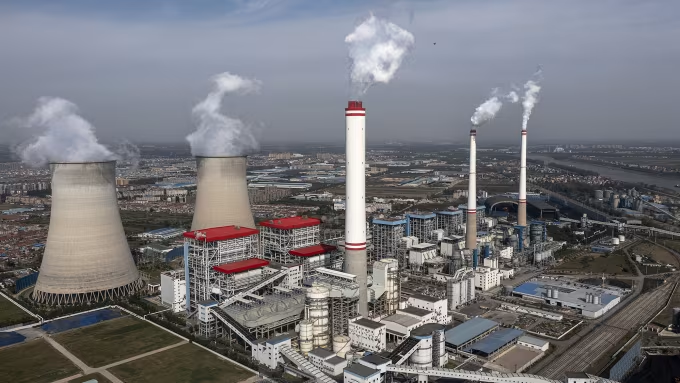
Photo: A coal fired power plant in Hanchuan, Hubei province, China / Getty Images
Enugu State Government has concluded plans to build a 660MW coal-fired power plant in the state.
Governor Peter Mbah disclosed this during a solidarity visit by the leadership of Organized Private Sector Nigeria (OPSN) to him at the Government House, Enugu, yesterday.
” I am pleased to inform you that in July, we will break ground for a 660MW coal-fired power plant.The outlay in terms of time for building the plant is 24 months. So, our target is to commission that power plant 24 months after the groundbreaking in July,” said Mbah.
Mbah recalled that Enugu State, under his leadership, was the first subnational to set up an electricity market, following the Constitution and Electricity Act amendments that effectively transferred power from the Exclusive List to the Concurrent List, thus paving the way for states to participate in all the power value chain, namely generation, transmission, and distribution.
The governor allayed concerns normally associated with coal, citing the low sulfur content and high calorific value of Enugu coal, standing at about 7,000 kilocalories per kilogramme.
He said the project was not a knee-jerk decision, as his administration had taken about two years to undertake the necessary studies and also secure coal assets to guarantee unhindered supplies to the plant.
Business
TIME Names Moniepoint CTO Felix Ike Among 50 Global Executives of the Year
In its citation, TIME said Ike “has helped to establish the business as one of Africa’s leading financial platforms.

TIME magazine has named Felix Ike, co-founder and Chief Technology Officer of Nigerian fintech Moniepoint, to its inaugural Executives of the Year: Tech and Data list.
Ike is the only executive representing an African company among the 50 leaders selected for the 2026 list.
The list, unveiled on Tuesday, September 22, recognises chief information officers, chief technology officers, chief data officers and chief product officers whose decisions are shaping how major organisations deploy technology and use data.
Moniepoint is also the only African company represented on the inaugural list.
Ike was named alongside executives from Netflix, CrowdStrike, Dell, Duolingo, AT&T, OpenAI, Anthropic, Shopify and Reddit, among others.
In its citation, TIME said Ike “has helped to establish the business as one of Africa’s leading financial platforms.
“The recognition follows Moniepoint’s inclusion in TIME’s 2025 list of the 100 Most Influential Companies, giving the Lagos-founded fintech another global distinction.
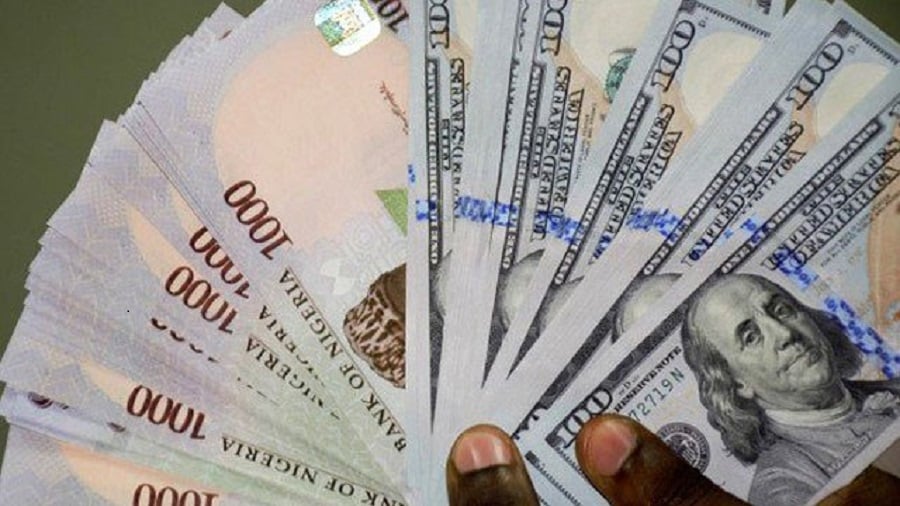
Black Market Rates
₦1382DOLLAR (USD)
₦1855POUND (GBP)
₦1545EURO (EUR)
1000 DOLLAR (CAD)
₦70 RAND (ZAR)
370DIRHAM (AED)
190YUAN (CNY)
₦100G.CEDI (GHS)
₦2350 CFA F.(XOF)
₦2250 CFA F.(XAF)
₦850 AUSSIE (AUD)
Official CBN Exchange Rates
DOLLAR (USD)₦1328.67
POUND (GBP)₦1758.36
EURO (EUR)₦1511.63
SWISS FRANC (CHF)₦1605.45
JAPANESE YEN (JPN)₦8.38
CFA FRANC (XOF)₦2.31
WEST AFRICAN UNIT OF ACCOUNT (WAUA)₦1808.03
CHINESE YUAN (CNY)₦197.92
SAUDI RIYAL (SAR)₦353.86
SOUTH AFRICAN RAND (ZAR)₦81.09
Business
Djibouti, Ethiopia and Dangote to build $660 million petroleum pipeline
In Kenya, Dangote and the government are due to break ground on a new 700,000-barrel-per-day crude oil refinery in Lamu next week.
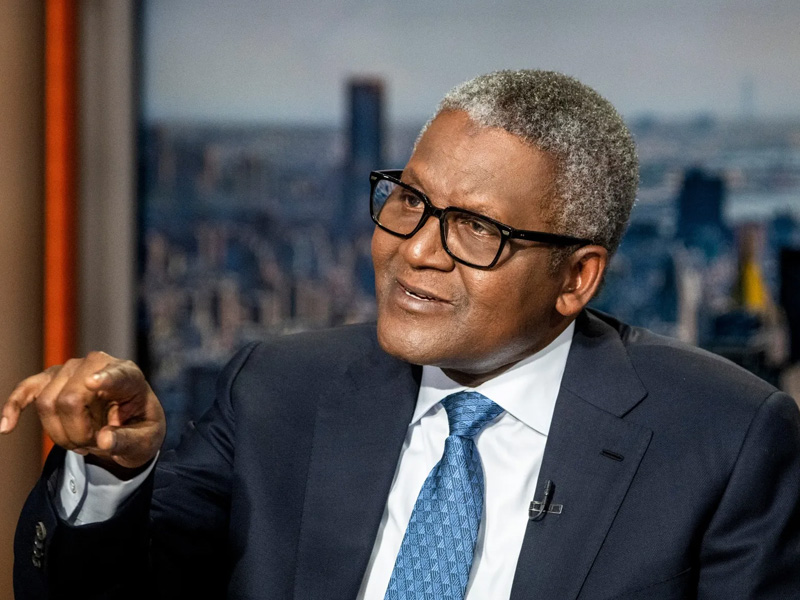
Ethiopia, Djibouti and Nigerian billionaire Aliko Dangote plan to build a $660 million refined petroleum pipeline that will connect Ethiopia and Djibouti, a spokesperson in Ethiopian Prime Minister Abiy Ahmed’s office said on Thursday.
The project will include a 120-km (75-mile) pipeline, as well as approximately 375,000 cubic metres of storage capacity at Damerjog in Djibouti and 800,000 cubic metres at Dewele in Ethiopia, the spokesperson told Reuters, adding it should become operational within 18 months.
Abiy said on his X account the project will be developed through a partnership between Ethiopian Investment Holdings and the Dangote Group, which separately is already building a $4 billion fertiliser pipeline and power plant, and a polypropylene packaging facility, in Ethiopia.
The project aims to reduce logistics costs and delays along the Ethiopia-Djibouti transport corridor, Abiy said.
Developers say the infrastructure will strengthen energy security and improve supply chain resilience for the two countries, he said.
Abiy is on a visit to Djibouti and made the announcement alongside its president, Ismail Omar Guelleh, and Dangote.
In Kenya, Dangote and the government are due to break ground on a new 700,000-barrel-per-day crude oil refinery in Lamu next week.


Congo military plane crash kills 13, including three officers

Manchester City Faces Expulsion For Breaching 114 EPL Financial Rules

TIME Names Moniepoint CTO Felix Ike Among 50 Global Executives of the Year

Tech Expert, Zuckerberg trains with UFC champions, Adesanya, Alexander

Organ Trafficking: Ekweremadu bags 10 years in UK prison

SAINT OBI: Between his marriage and his death
-

 Business2 days ago
MAN Urges CBN To Consider CRR Cut Next Phase of Monetary Easing
-

 Crime2 days ago
JUST IN: Zamfara LG Chairman Freed After 61 Days in Captivity
-

 Sports2 days ago
FIFA names Nigerian referee among 81 officials for U-17 World Cup
-

 News2 days ago
VP Shettima, Gov Mbah to address Over 500 editors on 2027 election issues
-

 Entertainment2 days ago
MultiChoice launches Wethu+ as DStv overhauls packages
-

 Business2 days ago
Naira To Dollar , Pound, Euro Rate, Thursday September 24
-

 Business2 days ago
Otedola bypasses seven African billionaires as fortune hits $2 billion
-

 News2 days ago
Works Minister Orders Tinubu’s Pictures On First Niger Bridge