
Business
JUST IN: MAN blames business environment as syringe manufacturer exits Nigeria


The Manufacturers Association of Nigeria has blamed the current business environment for the continued exit of multinational companies including the latest departure of Jubilee Syringe Manufacturing.
Jubilee Syringe Manufacturing, once regarded as the largest syringe manufacturing venture in Africa, has officially ceased operations in Awa in the Onna Local Government Area of Akwa Ibom.
Inaugurated in 2017 by former Vice President Yemi Osinbajo, the firm cited “unforeseen circumstances affecting our business operations” as the major reason for its decision to leave Nigeria.
Owned by a Turkish national, Onur Kumral, Jubilee Syringe Manufacturing Limited was one of the several industries attracted to Akwa Ibom State by the Governor Udom Emmanuel administration.
A memo announcing the exit was addressed to workers of the company. The company had ceased production some months ago, but officially announced that its operations came to an end on December 31, 2022.
Titled “Temporary Redundancy – Service Not Needed Till Further Notice,’’ the memo was signed by the company’s Managing Director, Akin Oyediran.
It said it had “to implement temporary measures to ensure the long-term sustainability of the company.”
The memo read in part, “We trust this message finds you in good health. With a heavy heart, we write to you today to communicate a challenging decision that Jubilee Syringe Manufacturing Company Limited has had to make due to unforeseen circumstances affecting our business operations.
“After careful consideration and a thorough evaluation of our current business situation, we regret to inform you that we must implement temporary measures to ensure the long-term sustainability of the company.
“Unfortunately, this includes placing all positions including yours on temporary redundancy effective January 1, 2024. We want to emphasise that this decision is not a reflection of your individual performance or dedication to the company. The challenging business environment we find ourselves in has compelled us to take these difficult steps. Please return all company belongings in your custody. Thank you for your understanding and cooperation during these challenging times.”
The company’s decision to close its factory came over two years after it announced plans were underway to export its products to Germany.
It also came less than a year after the company’s Managing Director, Oyediran said that the company had secured a credit facility of $1m.
The Director-General of the Manufacturers Association of Nigeria, Segun Ajayi-Kadir, said companies exiting Nigeria had been stretched to “breaking point.”
He said, “The reason why companies are closing is evident. It is just a matter of resilience. When it gets to the breaking point, you will have to give up because of the employment environment.”
JSM joins a growing list of international firms to exit Nigeria in recent memory. In December, American manufacturing giant, Procter & Gamble announced that it was leaving Nigeria after decades of manufacturing presence in the country.
The company’s departure was preceded by the exit of the likes of GlaxoSmithKline, Unilever Nigeria (Home and Skin Care Category) and Sanofi-Aventis.


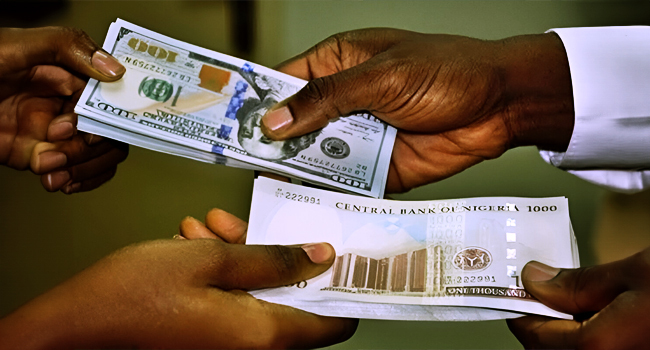
BLACK/ PARALLEL MARKET RATES
₦1370 DOLLAR (USD)
₦1800 POUND (GBP)
₦1510 EURO (EUR)
₦970 CANADIAN DOLLAR (CAD)
₦65 SOUTH AFRICAN RAND (ZAR)
₦350 UAE DIRHAM (AED)
₦190 CHINESE YUAN (CNY)
₦100 GHANAIAN CEDI (GHS)
₦2300 WEST AFRICAN CFA F.(XOF)
₦2200 CENTRAL AFRICAN CFA F.(XAF)
₦850 AUSTRALIAN DOLLAR AUSSIE (AUD)
CBN OFFICIAL RATES
DOLLAR (USD)₦1331.61
POUND (GBP)₦1764.26
EURO (EUR)₦1490.48
SWISS FRANC (CHF)₦1608.23
JAPANESE YEN (JPN)₦8.4
CFA FRANC (XOF)₦2.27
WEST AFRICAN UNIT OF ACCOUNT (WAUA)₦1802.33
CHINESE YUAN (CNY)₦199.01
SAUDI RIYAL (SAR)₦354.83
SOUTH AFRICAN RAND (ZAR)₦80.49
Business
WEF could appoint Lagarde as its next chair, sources say
The WEF’s Board of Trustees, which includes Lagarde herself, was due to meet on November 2 and could elect her as its next chair, said the people close to the organisation, who spoke on condition of anonymity due to the sensitivity of the matter.

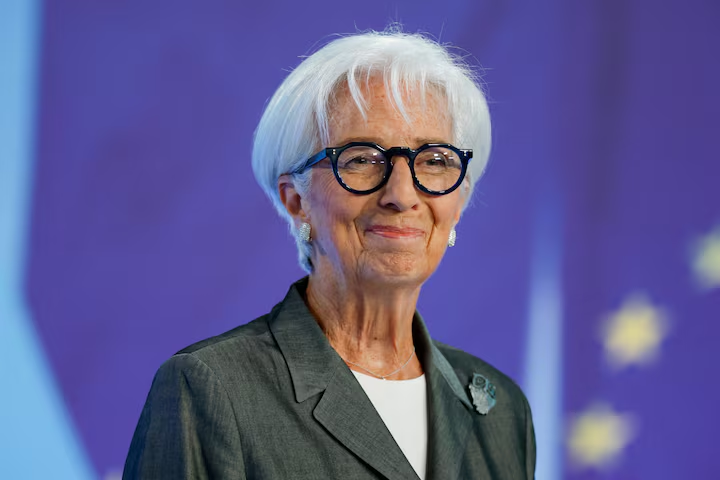
•European Central Bank President Christine Lagarde
The World Economic Forum could appoint Christine Lagarde as its next chair as soon as next month, four people close to the organisation told Reuters, meaning she would step down early as European Central Bank chief and trigger a wider reshuffle at the top of the ECB.Lagarde’s ECB term is scheduled to end in October 2027.
Leaving early would give European Union leaders a chance to pick a new ECB President before France’s spring presidential election, which opinion polls suggest the far-right could win, and could pave the way for a deal involving two other senior ECB roles.
The WEF’s Board of Trustees, which includes Lagarde herself, was due to meet on November 2 and could elect her as its next chair, said the people close to the organisation, who spoke on condition of anonymity due to the sensitivity of the matter.
No final decision has been taken yet, they said.
A spokesperson for the WEF said the forum could not confirm when the next full Board of Trustees meeting would take place, but that the aim was to hold one before the end of the year.
Business
Germany plans tax on sugary drinks
The tax is expected to generate additional revenue for the federal government of €690 million in 2027 and €925 million in 2028.
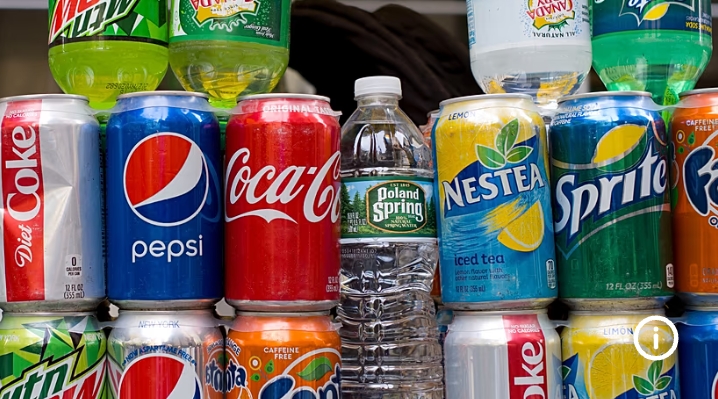
The German cabinet has approved draft legislation to tax sugary drinks in Europe’s biggest economy.
If passed by the German Bundestag, the tax will take effect on 1 July 2027.
The coalition aims to raise revenue for the federal budget while encouraging manufacturers to reduce sugar content and offer healthier products.
The levy is intended to ease pressure on the healthcare system, which faces costs of more than €2 billion every year linked to the high consumption of sugary drinks, which contributes to obesity, diabetes and tooth decay.
According to the federal government, Berlin is using the tax to implement “what associations from the fields of health, science, child protection, and consumer protection have long been demanding.”
The tax is expected to generate additional revenue for the federal government of €690 million in 2027 and €925 million in 2028.


ARISE News Wins Seven Honours At Nigerian Broadcasters Merit Awards

Meta removes 3.7 million accounts in West Africa scam crackdown

Naira Exchange Rates Friday, October 16

Tech Expert, Zuckerberg trains with UFC champions, Adesanya, Alexander

BREAKING: Lagos Govt Declares Today, Thursday Work-Free to Mark 2026 Ìṣẹ̀ṣe Day

Organ Trafficking: Ekweremadu bags 10 years in UK prison
-
 Business3 days ago
Naira Exchange Rates To Dollar , Pound ,Euro, … Tuesday, October 13
-

 International3 days ago
Child marriage in southern Germany: Over 350 cases recorded, some brides as young as 11
-

 Business3 days ago
Global smartphone shipments fall 20% in Q3 2026, lowest in 14 years
-
Sports3 days ago
Rwanda to host F1’s first race in Africa since 1993
-
 News3 days ago
Nigeria, AfDB Agree Portfolio Review (Photos)
-

 Politics3 days ago
APC Makes Wike, Soludo, Adeleke State’s Campaign Coordinator
-
 News3 days ago
UNCTAD Warns Debt Burden Threatens Future of 3.7bn People
-

 News3 days ago
NAF Crash: Residents Fear Disease as Body Parts Foul Community River