
Business
How Real Estate Works in Northern Nigeria: Culture & Compliance by Dennis Isong

When Nigerians talk about real estate, the conversation almost always circles back to Lagos.
The fast-paced deals, skyrocketing land prices, and luxurious estates in Lekki or Banana Island dominate the headlines.
Abuja also gets its fair share of attention as the federal capital with carefully planned layouts.
But there is another part of Nigeria where property has its own heartbeat, shaped by culture, religion, and tradition—the North.
To understand How Real Estate Works in Northern Nigeria: Culture & Compliance, one must see beyond brick and mortar.
Real estate here is not just about land or houses; it is about identity, heritage, and community values. If you approach it only from the legal or commercial angle, you will miss the bigger picture.
The Cultural Lens of Real Estate in the North Northern
Nigeria, with its vast landscapes stretching from Sokoto to Maiduguri, operates under a unique cultural framework.
In cities like Kano, Kaduna, Katsina, and even the smaller towns, property is more than an economic asset—it is a family inheritance.
Families in the North often view land as something sacred, not just because it appreciates in value, but because it ties them to their ancestry.
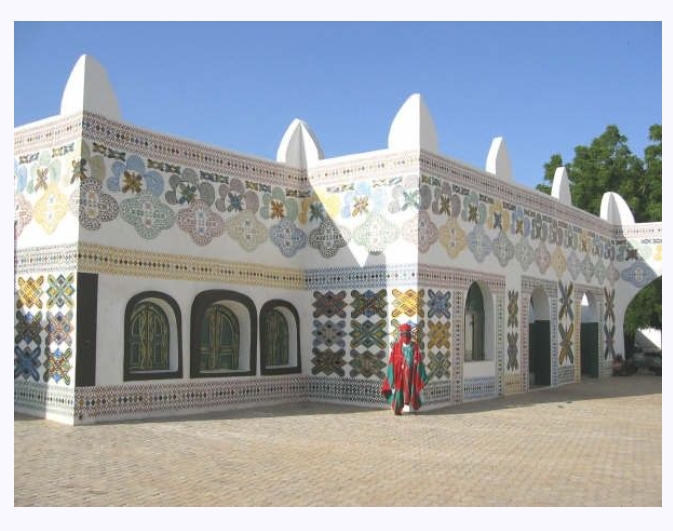
In Hausa communities, for instance, old family homes—some hundreds of years old—are kept within bloodlines. To sell such property without consulting extended family members can cause serious conflict.
In some cases, you’ll hear of siblings taking each other to traditional courts because one person sold family land without “full blessing.”
This cultural mindset makes buying property in the North different from Lagos, where money often speaks louder than tradition.
In the North, even when a seller is eager, the wider family or community must be carried along. Sometimes, that approval carries more weight than a receipt.Compliance:
The Role of Sharia and State Laws
If you want to grasp
How Real Estate Works in Northern Nigeria: Culture & Compliance, you must understand how law and religion overlap. While Nigeria’s Land Use Act governs all states, the North adds a second layer—Sharia law, which influences property ownership, inheritance, and transactions.
Under Islamic law, land and property distribution follow specific inheritance rules. For example, male and female heirs do not receive equal portions.
A son typically gets a larger share than a daughter.
This means property passed down is already shaped by faith.When it comes to financing, conventional bank mortgages are rare.
Since Islamic law discourages interest (riba), banks and cooperatives in the North often structure financing differently.
Instead of a typical loan, buyers may enter into arrangements like:Ijara (lease): where the bank buys the property and leases it to the client until full payment is made.
Musharakah (partnership): where both parties jointly buy the property, and the client gradually pays off the bank’s share.
This makes real estate transactions slower compared to Lagos, where mortgages are straightforward but expensive.
Yet, it also makes property ownership more community-oriented and less tied to heavy interest repayments. At the same time, formal legal compliance is still essential.
In cities like Kano, Kaduna, Katsina, and even the smaller towns, property is more than an economic asset—it is a family inheritance.
Titles like Certificate of Occupancy (C of O), Governor’s Consent, and Deeds of Assignment are still required.
However, having only those documents without community and cultural alignment can be risky.
A Short Story: Musa’s Dilemma in Kaduna
Let’s bring this closer with a real-life-inspired story.
Musa, a 32-year-old engineer in Kaduna, had just saved enough to buy a piece of land.
The seller showed him a Certificate of Occupancy issued by the state government.
Excited, Musa quickly made payment, collected his papers, and began planning his house design.But his joy was short-lived. When he moved materials to the site, community leaders stopped him.
They explained that even though the land had government approval, he needed the blessing of the Ward Head and acknowledgement from the local traditional council. Until then, no builder would dare work on that land.
Musa was frustrated. He had done everything “legally right,” but in Northern Nigeria, legality is only one side of the coin. Eventually, after weeks of negotiation and presenting kola nuts and token gifts, the leaders gave their approval. It was not corruption, but custom.
To the community, it was about respect—recognizing the role of traditional custodians before starting anything permanent.
That was when Musa realized that in the North, compliance goes beyond government files.
Culture and tradition carry their own authority.
Modern Development Meets Traditional Northern Nigeria is often seen as conservative, but it is also evolving. Cities like Abuja, Kano, and Kaduna are rapidly urbanizing, with shopping malls, gated estates, and smart homes now a reality.
Yet, even with this modernization, traditional values still shape how projects succeed.
Developers have learned that ignoring culture is a mistake.
For example, in many Northern estates, houses are designed with enclosed courtyards to give women privacy—a cultural expectation in Islamic communities.
Some estates also provide prayer spaces and mosques, understanding that religion is central to daily life.
Unlike Lagos, where aesthetics and modern lifestyle dominate, Northern real estate must blend modern architecture with cultural sensitivity.
A sleek duplex without space for extended family visitors may not appeal as much as a home that accommodates communal living.
Investors who understand this balance do well. Those who ignore it, no matter how sophisticated their projects, struggle to attract buyers.
Navigating Real Estate the Smart Way
So, what does it take to succeed in Northern Nigerian real estate—whether you’re a buyer, investor, or developer?
The answer lies in blending two things: respect for the law and respect for culture.
First, secure the legal documents. Without proper titles, you risk disputes and potential repossession by the government.
Northern states still operate under the Land Use Act, and a Certificate of Occupancy or Governor’s Consent is non-negotiable.
Second, never underestimate traditional structures.
From the Ward Head to community elders, local approval can make or break your property plans.
What may look like “extra steps” is actually what keeps your investment safe from hidden disputes.
Third, understand the financing culture. Don’t walk into Northern Nigeria expecting quick mortgage approvals like in Western economies.
Instead, explore Islamic-compliant financing options, cooperative societies, or outright purchase plans.
Last, learn to respect heritage. If you’re buying family land, ensure every stakeholder agrees.
In some families, even distant cousins must consent before a sale is valid. Ignoring this could lead to years of court battles. Final Thoughts
How Real Estate Works in Northern Nigeria:
Culture & Compliance is a lesson in patience, respect, and balance. Unlike Lagos, where deals can be purely transactional, the North demands deeper understanding.
Property here is not only about financial investment but also about cultural integration.
The wise investor doesn’t see these extra layers as obstacles, but as the very fabric that makes Northern real estate unique.
By respecting both the legal framework and cultural traditions, you don’t just buy land—you buy acceptance, peace of mind, and a place within a community.
For anyone considering Northern Nigeria, remember this: documents give you ownership, but culture gives you belonging.
Without both, your real estate journey may feel incomplete.
• Dennis Isong is a TOP REALTOR IN LAGOS.
He Helps Nigerians in Diaspora to Own Property In Lagos Nigeria STRESS-FREE.
For Questions WhatsApp/Call 2348164741041
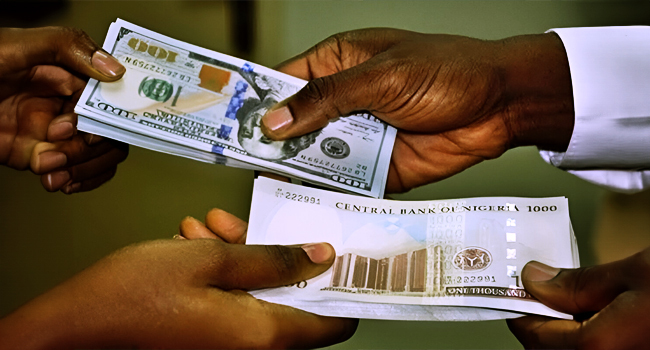
BLACK/ PARALLEL MARKET RATES
₦1370 DOLLAR (USD)
₦1800 POUND (GBP)
₦1510 EURO (EUR)
₦970 CANADIAN DOLLAR (CAD)
₦65 SOUTH AFRICAN RAND (ZAR)
₦350 UAE DIRHAM (AED)
₦190 CHINESE YUAN (CNY)
₦100 GHANAIAN CEDI (GHS)
₦2300 WEST AFRICAN CFA F.(XOF)
₦2200 CENTRAL AFRICAN CFA F.(XAF)
₦850 AUSTRALIAN DOLLAR AUSSIE (AUD)
CBN OFFICIAL RATES
DOLLAR (USD)₦1331.61
POUND (GBP)₦1764.26
EURO (EUR)₦1490.48
SWISS FRANC (CHF)₦1608.23
JAPANESE YEN (JPN)₦8.4
CFA FRANC (XOF)₦2.27
WEST AFRICAN UNIT OF ACCOUNT (WAUA)₦1802.33
CHINESE YUAN (CNY)₦199.01
SAUDI RIYAL (SAR)₦354.83
SOUTH AFRICAN RAND (ZAR)₦80.49
Business
WEF could appoint Lagarde as its next chair, sources say
The WEF’s Board of Trustees, which includes Lagarde herself, was due to meet on November 2 and could elect her as its next chair, said the people close to the organisation, who spoke on condition of anonymity due to the sensitivity of the matter.

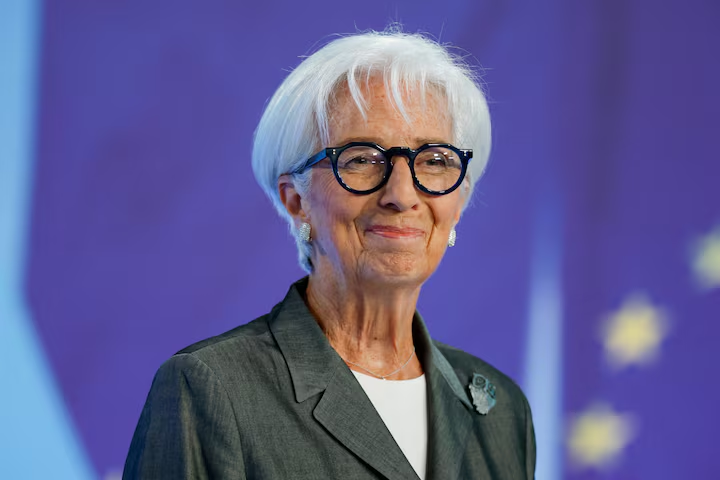
•European Central Bank President Christine Lagarde
The World Economic Forum could appoint Christine Lagarde as its next chair as soon as next month, four people close to the organisation told Reuters, meaning she would step down early as European Central Bank chief and trigger a wider reshuffle at the top of the ECB.Lagarde’s ECB term is scheduled to end in October 2027.
Leaving early would give European Union leaders a chance to pick a new ECB President before France’s spring presidential election, which opinion polls suggest the far-right could win, and could pave the way for a deal involving two other senior ECB roles.
The WEF’s Board of Trustees, which includes Lagarde herself, was due to meet on November 2 and could elect her as its next chair, said the people close to the organisation, who spoke on condition of anonymity due to the sensitivity of the matter.
No final decision has been taken yet, they said.
A spokesperson for the WEF said the forum could not confirm when the next full Board of Trustees meeting would take place, but that the aim was to hold one before the end of the year.
Business
Germany plans tax on sugary drinks
The tax is expected to generate additional revenue for the federal government of €690 million in 2027 and €925 million in 2028.

The German cabinet has approved draft legislation to tax sugary drinks in Europe’s biggest economy.
If passed by the German Bundestag, the tax will take effect on 1 July 2027.
The coalition aims to raise revenue for the federal budget while encouraging manufacturers to reduce sugar content and offer healthier products.
The levy is intended to ease pressure on the healthcare system, which faces costs of more than €2 billion every year linked to the high consumption of sugary drinks, which contributes to obesity, diabetes and tooth decay.
According to the federal government, Berlin is using the tax to implement “what associations from the fields of health, science, child protection, and consumer protection have long been demanding.”
The tax is expected to generate additional revenue for the federal government of €690 million in 2027 and €925 million in 2028.


JUST IN: Mob Sets BRT Bus Ablaze After Motorcyclist’s Death in Lagos

BREAKING: DSS Arrests Fugitive Maina Son, Hands Him to EFCC

BREAKING: 5 Arrested Over Imo NYSC Abduction

BREAKING: Lagos Govt Declares Today, Thursday Work-Free to Mark 2026 Ìṣẹ̀ṣe Day

Tech Expert, Zuckerberg trains with UFC champions, Adesanya, Alexander

Organ Trafficking: Ekweremadu bags 10 years in UK prison
-
 Business3 days ago
Naira Exchange Rates For Thursday, October 15
-

 News3 days ago
ASCON To Be Rebranded “National School Of Government”
-
 Sports3 days ago
CAF Increases Annual Funding for Member Federations to $700,000
-

 Business3 days ago
Germany plans tax on sugary drinks
-

 Business3 days ago
WEF could appoint Lagarde as its next chair, sources say
-

 International2 days ago
“Mother of all bombs,” Trump Plans To Hit Iran
-

 Business2 days ago
Naira Exchange Rates Friday, October 16
-
 Crime1 day ago
BREAKING: 5 Arrested Over Imo NYSC Abduction