
News
HOW MORTGAGES WORK IN NIGERIA by Dennis Isong


Potential borrowers assess their financial status, calculate affordability, and choose a suitable mortgage type.
Mortgages play a pivotal role in the real estate sector, allowing individuals and families to own homes without the need for substantial upfront payments.
In Nigeria, as in many countries, mortgages are a common means of financing homeownership.
This article aims to provide a comprehensive overview of how mortgages work in Nigeria, covering the key aspects, processes, and considerations.
- Types of Mortgages in Nigeria
In Nigeria, there are various types of mortgages available to suit different needs and financial situations. The most common types include:
a. Home Purchase Mortgage: This is the traditional form of mortgage used for buying a new home or property.
b. Home Equity Release Mortgage: This allows homeowners to access the equity in their property to meet other financial needs.
c. Construction Mortgage: Designed for those building their homes, this type of mortgage provides funds in stages during construction.
d. Refinancing Mortgage: Allows homeowners to replace an existing mortgage with a new one, often with better terms. - Mortgage Providers
Mortgages in Nigeria are typically provided by banks, mortgage banks, and other financial institutions. Some of the well-known mortgage banks in Nigeria include the Federal Mortgage Bank of Nigeria (FMBN), which focuses on affordable housing, and commercial banks like Zenith Bank, First Bank, and GTBank. - Eligibility Criteria
To qualify for a mortgage in Nigeria, individuals must meet certain eligibility criteria, which may include:
- Proof of regular income
- Good credit history
- Down payment capability
- Legal age (usually 18 years or older)
- Nigerian citizenship or legal residency
- The Mortgage Application Process
The mortgage application process in Nigeria involves several steps:
a. Prequalification: Potential borrowers assess their financial status, calculate affordability, and choose a suitable mortgage type.
b. Documentation: Applicants provide necessary documents such as proof of income, identification, and property details.
c. Property Valuation: The lender evaluates the property’s value to determine the loan amount.
d. Credit Assessment: Lenders assess the borrower’s creditworthiness by reviewing credit reports and history.
e. Approval and Disbursement: Upon approval, the mortgage is disbursed, and the borrower takes ownership of the property. - Mortgage Terms and Conditions
Mortgages in Nigeria typically have terms ranging from 10 to 25 years. Interest rates can be fixed or variable, and the repayment structure can be monthly, quarterly, or annually. - Mortgage Insurance
Mortgage insurance is often required, especially for mortgages with smaller down payments. This insurance protects the lender in case the borrower defaults on the loan. - Repayment and Default
Borrowers must make regular payments to avoid default. Defaulting on a mortgage can result in the lender repossessing the property, so it’s essential to honor the repayment schedule. - Government Initiatives
The Nigerian government has introduced several initiatives to promote affordable housing and increase access to mortgages. The FMBN, for instance, offers the National Housing Fund (NHF) scheme, which provides affordable mortgage loans to contributors. - Tax Implications
It’s important for prospective homeowners in Nigeria to be aware of the tax implications associated with mortgages. Mortgage interest paid on a primary residence is often eligible for tax deductions, which can help reduce the overall cost of homeownership. Tax laws and regulations may vary, so consulting with a tax professional is advisable. - Benefits of Mortgages in Nigeria
Owning a home through a mortgage in Nigeria offers several advantages:
a. Asset Appreciation: Real estate in Nigeria generally appreciates over time, potentially increasing the value of your investment.
b. Forced Savings: Paying a mortgage every month encourages disciplined saving, as a portion of each payment goes toward building home equity.
c. Housing Security: Homeownership provides stability and security for you and your family.
d. Investment Opportunity: Owning property can open doors to real estate investment and rental income.
e. Access to Government Schemes: Many government initiatives and incentives are designed to make homeownership more accessible, particularly for low and middle-income earners. - Challenges and Risks
While mortgages offer numerous benefits, they also come with potential challenges and risks:
a. Interest Rate Fluctuations: Variable interest rates can lead to fluctuations in monthly payments, impacting borrowers’ budgets.
b. Economic Factors: Economic downturns can affect borrowers’ ability to make mortgage payments, leading to defaults.
c. Property Market Volatility: Real estate markets can be unpredictable, potentially affecting property values.
d. Legal and Documentation Complexities: Navigating the legal and documentation requirements of mortgages can be complex and time-consuming.
e. Default Consequences: Defaulting on a mortgage can result in foreclosure and the loss of the property. - Expert Advice
Before embarking on the mortgage application process in Nigeria, it’s advisable to seek expert advice. Consult with financial advisors, real estate professionals, and legal experts to ensure you make informed decisions that align with your financial goals and circumstances.
▪︎Dennis Isong is a TOP REALTOR IN LAGOS.He Helps Nigerians in Diaspora to Own Property In Lagos Nigeria STRESS-FREE. For Questions WhatsApp/Call 2348164741041


Residents of Igbokoda in Ilaje Local Government Area of Ondo State are grappling with a severe public health and environmental crisis following the crash of a Nigerian Air Force (NAF) ATR-42 aircraft into a swamp near the community.
The aircraft, on a routine mission from Benin City to Lagos, crashed last Monday, killing all 25 people on board. Recovery efforts continue amid difficult swampy terrain, with large sections of the wreckage and human remains still unrecovered.
The traditional ruler of Igbokoda, Oba Afolabi Odidiomo, said residents have been battling an extremely offensive odour caused by decomposing human remains floating in the river. “The odour is extremely offensive. So many parts of the human body are floating around in the river. Some of the bodies have not been recovered. They have decomposed, and it is affecting everything,” he stated.
He warned that the river — the community’s main source of water for drinking, cooking and fishing — has been polluted by the remains and aviation fuel spillage. Residents can no longer safely use the water, raising fears of a disease outbreak.
Ondo State authorities confirmed they are assessing the environmental and public health impact, with plans for decontamination. Recovery teams, including the Navy, Air Force and emergency agencies, are intensifying efforts to retrieve remaining wreckage and remains.
News
UNCTAD Warns Debt Burden Threatens Future of 3.7bn People
UN Secretary-General António Guterres said developing economies were facing mounting pressures from geopolitical tensions, conflicts, trade disruptions, climate challenges, inadequate financing and high debt-servicing costs.

The future of 3.7 billion people is threatened by mounting government debt burdens, the United Nations Conference on Trade and Development (UNCTAD) has warned, urging developing countries to strengthen cooperation in tackling debt-related challenges.
The warning was delivered on Monday in Bangkok during the IMF–World Bank Annual Meetings, where the UN agency called on finance ministers, central bank governors and senior government officials from developing countries to unite under the Borrowers’ Platform to share knowledge, exchange experiences and coordinate their positions on debt issues.
UN Secretary-General António Guterres said developing economies were facing mounting pressures from geopolitical tensions, conflicts, trade disruptions, climate challenges, inadequate financing and high debt-servicing costs.
“Developing countries face a perfect storm with geopolitical tensions and conflicts, trade and climate pressures, a lack of adequate financing and high debt-service burdens,” Guterres said in his address to the platform’s new member states.
He added that the Borrowers’ Platform would provide members with an opportunity to navigate these challenges.
Guterres welcomed participating countries’ commitment to the initiative, stressing the importance of creating a common space where borrowers could exchange advice, share practical tools and approaches, and strengthen their collective advocacy on international debt issues.
According to UNCTAD, 31 developing countries have formally joined the platform, while several others have expressed interest in the initiative.
Since the platform’s launch in April, participating countries have operated through an interim process led by Egypt as interim chair, with UN Trade and Development serving as its secretariat.
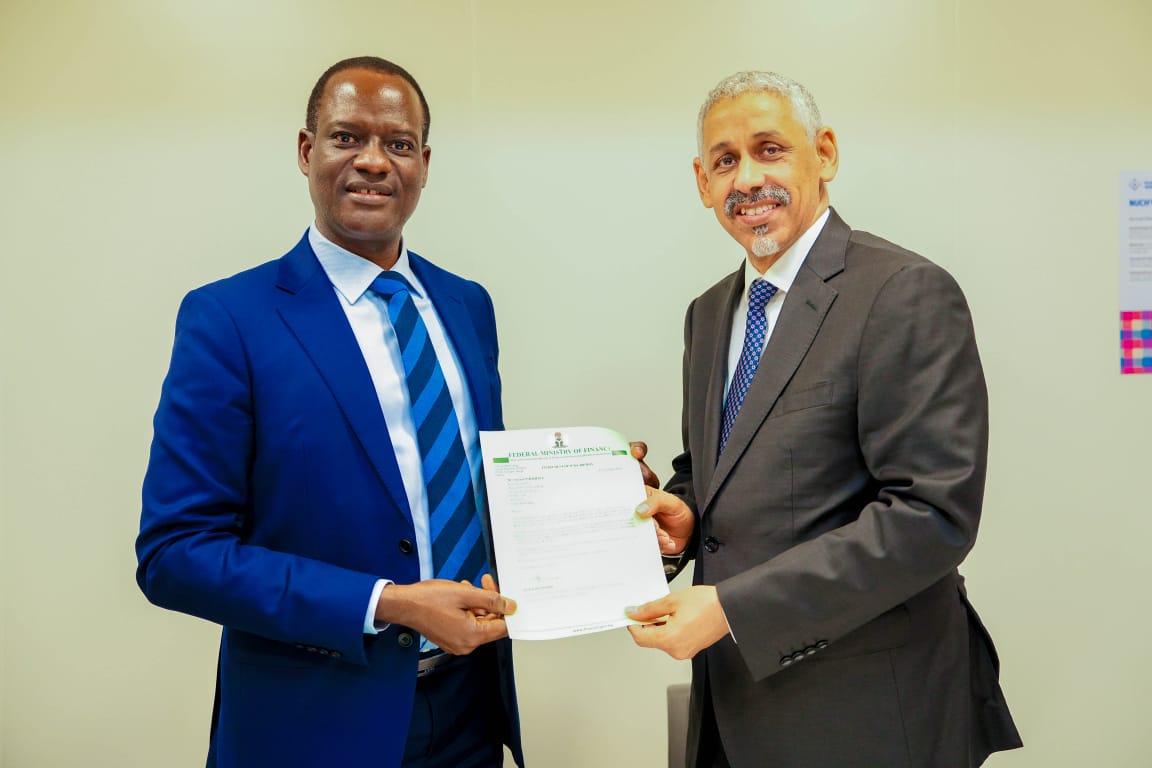
Bangkok, 12 October 2026 – Nigeria and the African Development Bank (AfDB) have agreed to a joint technical review of the Bank’s portfolio in the country and to prepare an official visit by AfDB President Dr Sidi Ould Tah.
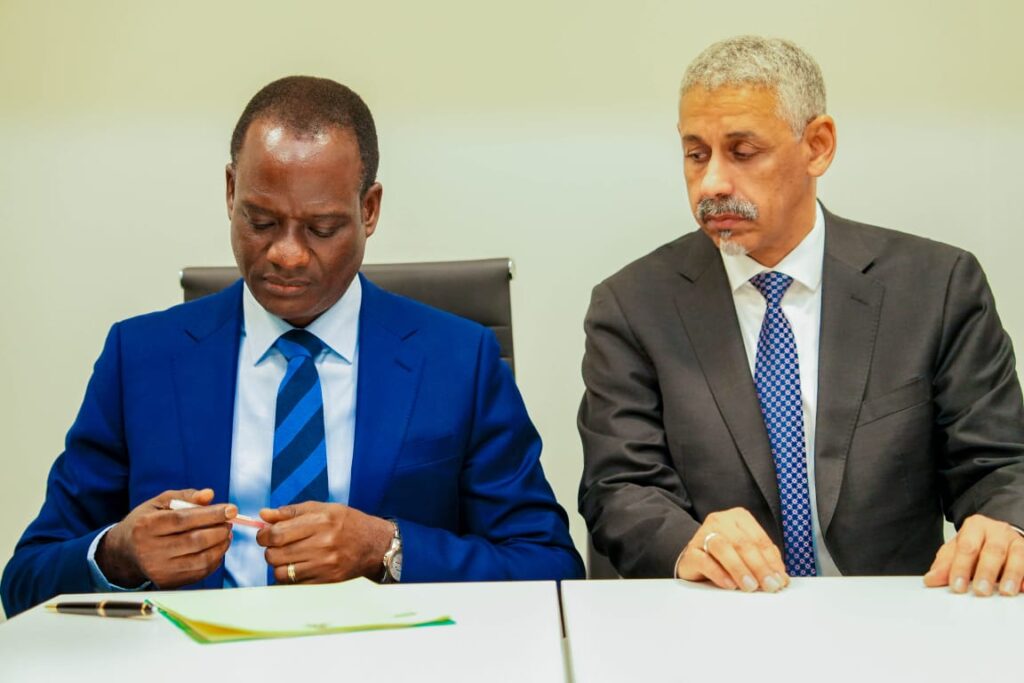
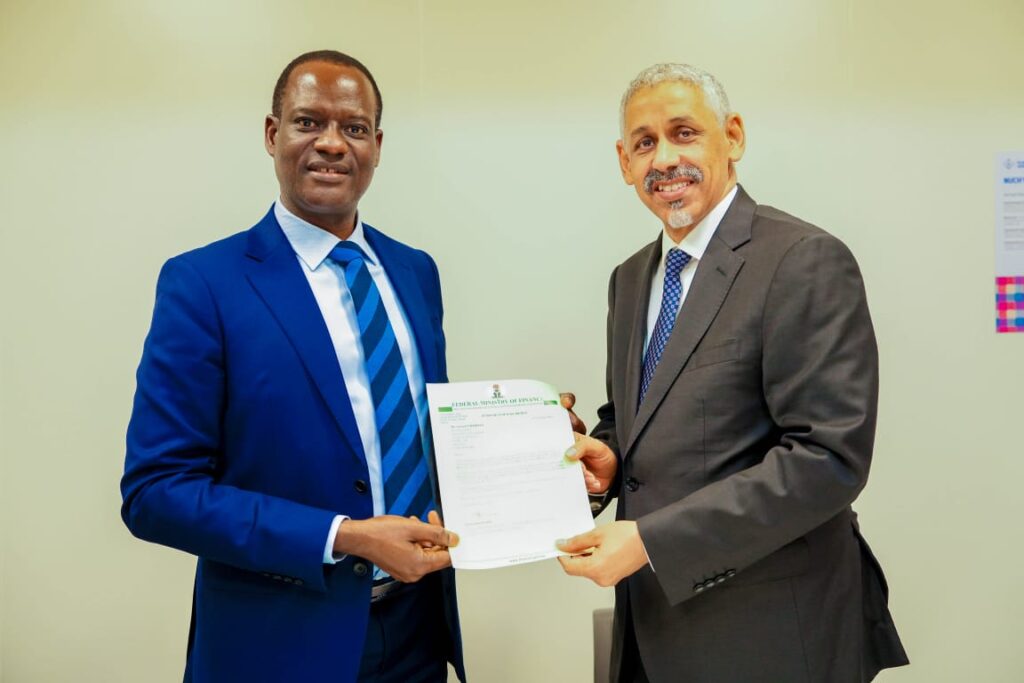
The agreement was reached on Monday when Finance Minister and Coordinating Minister of the Economy Taiwo Oyedele met Ould Tah on the sidelines of the 2026 IMF and World Bank Group Annual Meetings in Bangkok.
Oyedele reaffirmed that Nigeria will remain the Bank’s largest shareholder and will meet its capital subscription obligations. He stressed that the long-standing partnership should now deliver greater development finance and tangible economic benefits.
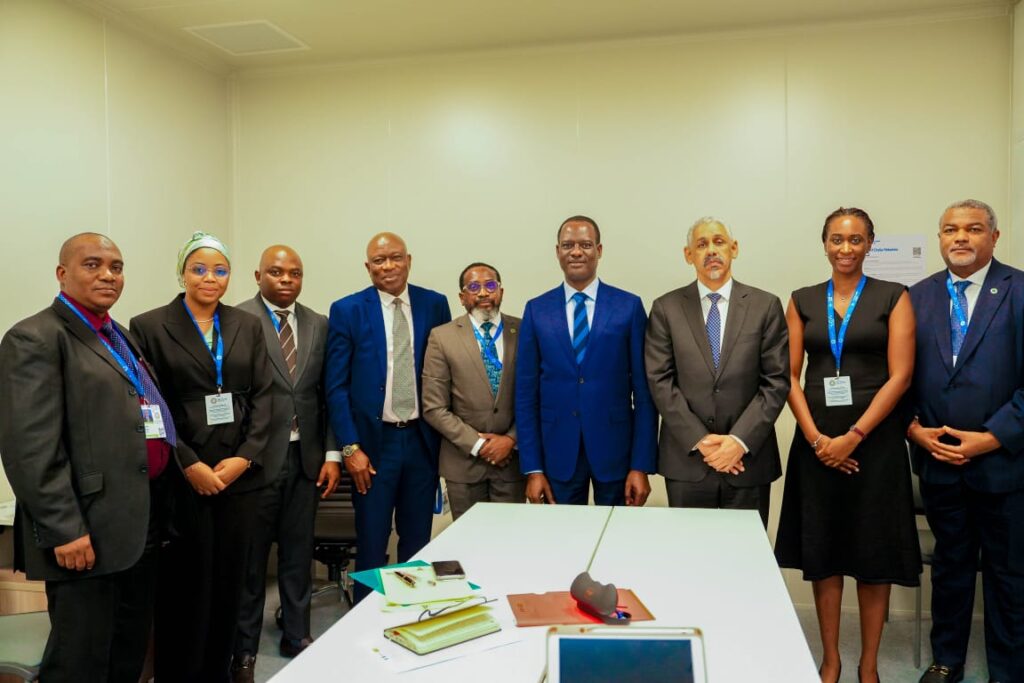
He also expressed Nigeria’s support for the AfDB’s Four Cardinal Points agenda under Ould Tah’s leadership: bridging Africa’s financing gap, securing the continent’s financial sovereignty, harnessing its demographic dividend, and building resilient infrastructure through the local transformation of natural resources. Oyedele said the priorities align closely with Nigeria’s own development goals.
The planned portfolio review will identify implementation bottlenecks, accelerate project delivery and ensure ongoing operations are better aligned with the Federal Government’s priorities. Ould Tah’s proposed visit is expected to include meetings with President Bola Ahmed Tinubu, senior officials and other stakeholders.
The two sides also discussed the high cost of borrowing facing African countries. Oyedele noted that international credit ratings often fail to reflect improvements in economic fundamentals and reform progress, raising financing costs for nations such as Nigeria.
In response, Ould Tah said the AfDB is developing a facility to provide African governments with technical and analytical support in their dealings with credit rating agencies, helping them present credible data and challenge assessments where necessary.
Other topics included African financial integration, local-currency transactions, trade insurance and credit enhancement to lower investment risk and attract private capital. Both parties also underlined the need to retain skilled professionals on the continent.
Technical work on financing and portfolio performance will continue alongside preparations for the AfDB President’s visit to Nigeria.


BREAKING: Shell to Exit Nigeria’s Domestic Gas Distribution Business

FAO Names 22 African Women Agrifood Heroes, Nigeria Missing

NAF Crash: Residents Fear Disease as Body Parts Foul Community River

Tech Expert, Zuckerberg trains with UFC champions, Adesanya, Alexander

BREAKING: Lagos Govt Declares Today, Thursday Work-Free to Mark 2026 Ìṣẹ̀ṣe Day

Organ Trafficking: Ekweremadu bags 10 years in UK prison
-

 Business2 days ago
Nigeria’s ₦33bn Fruit Import Bill Exposes Missed Opportunities in Jos
-

 Business2 days ago
Naira To Dollar, Pound ,Euro …Rates For Monday, October 12
-

 International2 days ago
‘Up to our people’ to pick leader, Zelenskyy responds to Trump’s pledge for new elections in Ukraine
-
 Politics2 days ago
2027: 119 Women Jostle For State’s Governors
-

 Opinions2 days ago
Human Capital Africa Statement For International Day of the Girl Child 2026
-

 News2 days ago
Forbes Scores GTBank Best Employers 2026
-
 Politics2 days ago
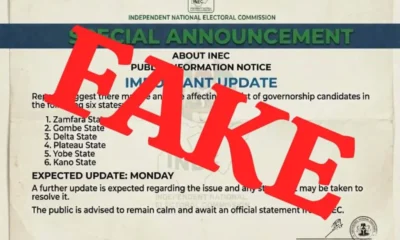
BEWARE: Fake 2027 Gov’ Candidates List Circulating Online — INEC Raises Alarm
-

 Business20 hours ago
Dangote Refinery IPO Attracts N8.61trn in Subscriptions, Four Times Offer