
News
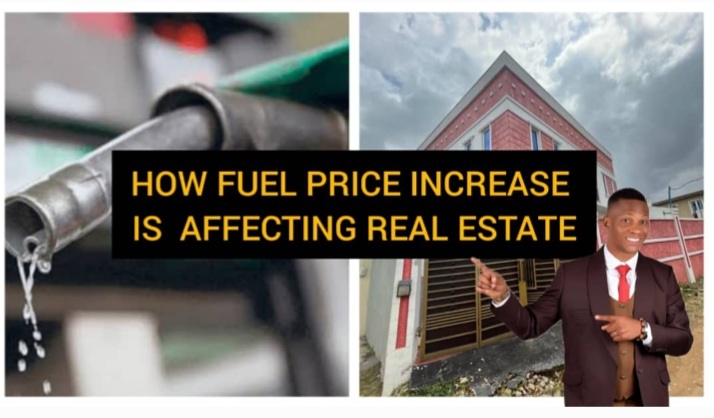
Fuel Price Hike: How Fuel Price Hike Drives Nigerian Real Estate

By Dennis Isong
In recent times, Nigeria has witnessed fluctuations in fuel prices, sparking debates and concerns across various sectors of the economy.
While the impact of rising fuel costs is generally seen as negative, there is a unique silver lining for the real estate industry. Surprisingly, the fuel price hike can favor real estate investment in Nigeria in several ways.
This article explores the connections between fuel price increases and real estate investment opportunities, shedding light on the potential benefits for savvy investors.
● Diversification of Investment Portfolio
Real estate has always been considered a stable and relatively low-risk investment option. As fuel prices rise, other forms of investments, such as transportation and manufacturing, might experience slowdowns.
This prompts investors to diversify their portfolios and turn their attention to real estate.
The perceived stability and potential for long-term gains in the property market become particularly attractive during times of economic uncertainty.
With the cost of commuting becoming a concern, people are drawn to live in areas where they can work, shop, and unwind without extensive travel
● Shift in Investment Focus
Higher fuel prices often lead to a shift in preferences among consumers and businesses. As transportation costs rise, there is a growing demand for properties located closer to city centers and commercial hubs. This demand shift can drive up property values in such areas, making real estate investment in these prime locations more lucrative.
● Urbanization and Rental Demand
Urbanization is a growing trend in Nigeria, with more people moving to cities in search of better job opportunities and improved lifestyles.
The fuel price hike can accelerate this trend as commuting becomes costlier. Consequently, the demand for rental properties in urban centers is likely to rise, offering real estate investors a steady stream of rental income.
● Infrastructure Development
Governments often respond to fuel price increases by redirecting funds towards infrastructure development projects, such as road expansions and public transportation enhancements.
These improvements can increase the overall desirability of certain neighborhoods, leading to increased property values. Savvy investors who identify these emerging trends can capitalize on the potential appreciation of property prices in areas targeted for infrastructure upgrades.
● Long-Term Investment Potential
Real estate investment is inherently a long-term endeavor. While fuel prices may experience fluctuations over the short term, the property market tends to appreciate over time.
Investors who can weather short-term economic challenges brought about by fuel price hikes are likely to benefit from the long-term value appreciation of their real estate assets.
● Inflation Hedge
Rising fuel prices often coincide with inflationary pressures. Real estate has historically served as a hedge against inflation, as property values and rental incomes tend to rise with the cost of living. This makes real estate an attractive option for investors seeking to preserve and grow their wealth during periods of economic uncertainty.
● Demand for Mixed-Use Developments
Rising fuel prices can lead to a growing desire for convenience and efficiency. This paves the way for the emergence of mixed-use developments that combine residential, commercial, and recreational spaces within the same vicinity.
With the cost of commuting becoming a concern, people are drawn to live in areas where they can work, shop, and unwind without extensive travel.
Real estate developers who recognize this trend can capitalize on the demand for mixed-use properties, creating vibrant and self-contained communities that cater to various needs.
● Foreign Investment and Economic Diversification
Higher fuel prices can stimulate foreign investment in Nigeria’s real estate sector. As global investors seek alternative avenues for capital allocation, a well-regulated and promising real estate market can catch their attention.
Increased foreign investment not only injects capital into the local economy but also contributes to economic diversification.
This, in turn, can create jobs, stimulate economic growth, and lead to positive ripple effects across various industries.
● Value-Add Opportunities
Real estate investors can take advantage of fuel price hikes to identify value-add opportunities within the market.
Properties that were previously overlooked due to their location or condition might become more attractive when transportation costs rise.
By strategically renovating, repositioning, or repurposing such properties, investors can unlock their true potential and capitalize on the changing market dynamics.
● Government Policy and Support
Governments often respond to fuel price hikes by introducing policies that promote economic stability. In some cases, these policies can include incentives for real estate development and investment.
Such incentives could include tax breaks, subsidies, or streamlined permitting processes. Real estate investors who stay informed about government initiatives and take advantage of available support mechanisms can position themselves for success in a changing economic landscape.
● Alternative Investment Vehicles
As fuel prices increase, individuals and institutions may seek alternatives to traditional investments that are directly affected by these fluctuations.
Real estate investment trusts (REITs), crowdfunding platforms, and real estate-focused mutual funds provide avenues for investors to participate in the property market without owning physical properties. These alternative investment vehicles can offer diversification and liquidity while tapping into the potential benefits of real estate during periods of fuel price volatility.
▪︎Dennis Isong is a TOP REALTOR IN LAGOS.He Helps Nigerians in Diaspora to Own Property In Lagos Nigeria STRESS-FREE. For Questions WhatsApp/Call 2348164741041

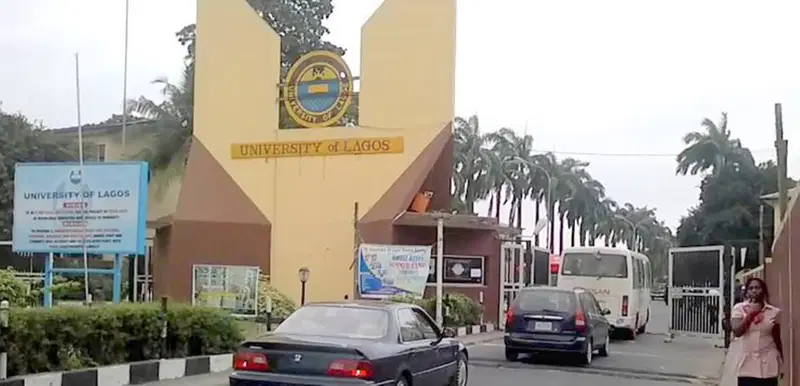
Teachers at the International School, University of Lagos (ISL), on Wednesday commenced a work-to-rule action over unpaid salary arrears, their removal from the university’s payroll, and delays in implementing a National Industrial Court judgment.
The staff are demanding the payment of outstanding Consolidated Tertiary Institutions Teaching Allowance (CONTTA) arrears, as well as arrears from the 25 per cent and 35 per cent salary adjustments approved in 2024. They also want full restoration to the university’s payroll.
Comrade Razak Yusuf, Chairman of the Senior Staff Association of Nigerian Universities (SSANU), University of Lagos branch, said the industrial action followed prolonged delays in resolving the teachers’ employment status and financial entitlements.
The teachers had approached the National Industrial Court of Nigeria, which ruled in their favour on May 11, 2026. Despite the judgment, they claim the university has yet to fully restore their names to the payroll or settle outstanding benefits.
Protesters carried placards with messages such as “Equal Work, Equal Rights,” “ISL tutors deserve their due,” and “Other UNILAG staff paid, ISL tutors still owed.” The action disrupted teaching and a scheduled mid-term examination at the school.
The teachers called on the university management to restore the affected staff to the payroll, settle all outstanding financial obligations, and provide a clear payment plan with timelines.
They rejected suggestions that any interim arrangement under the university’s Council protocol amounted to goodwill, insisting they were only seeking recognition of their employment rights.
The development continues a pattern of industrial disputes at the University of Lagos over salary and allowance issues.
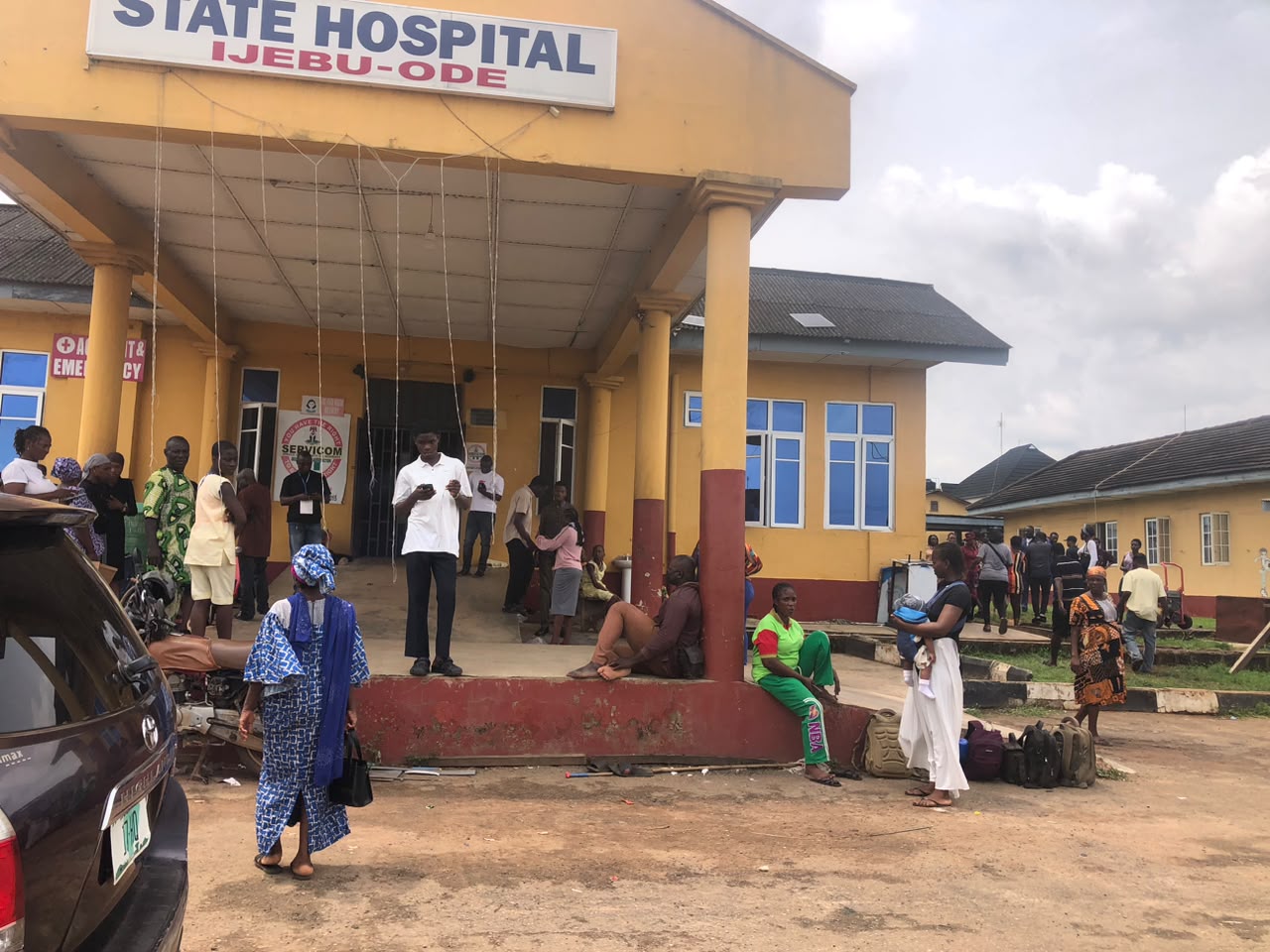
Hundreds of students were hospitalised on Wednesday morning after fresh gaseous emissions hit parts of Ogun State, including Ijebu-Ode, Ijebu-Igbo and Ago-Iwoye.
The incident affected pupils at Anglican Girls Grammar School, Obalende, Ijebu-Ode, and Ijebu-Igbo Girls Grammar School. Several schools in Ago-Iwoye suspended academic activities and sent students home as a precaution.
Kehinde Bello, General Manager of the Ogun State Environmental Protection Agency (OGEPA), visited the affected areas and linked the emissions to underground gas previously recorded in Ijebu-Ode since April 2026. He said the situation was under control and attributed the releases to natural geological and tectonic fault lines, ruling out sabotage or a gas pipeline leak.
Bello assured residents that the state government was working on a lasting solution. He advised anyone exposed to the odour to cover their noses and mouths with wet handkerchiefs.
The recurring emissions have renewed concerns about the safety of students and residents in the affected communities.

Former Delta State Governor Dr. Emmanuel Eweta Uduaghan is dead. He passed away on the morning of Monday, October 19, 2026, at the age of 71, after a period of illness.
A family statement announced his death, describing it as a devastating loss. Uduaghan, a medical doctor, served as Delta State Commissioner for Health (1999–2003) and Secretary to the State Government (2003–2007) before becoming governor from 2007 to 2015. He was known for contributions to infrastructure and human capital development in the state.
Delta State Governor Sheriff Oborevwori has expressed deep sadness over the passing. In a condolence message, he described Uduaghan as a detribalised leader whose service left a lasting mark on Delta State.
Oborevwori extended heartfelt condolences to Uduaghan’s wife, Roli, his children, the Uduaghan family, the Itsekiri nation, and the people of Delta State, praying for the peaceful repose of his soul.


UPDATE: Identity of Woman Who Flew into Nigeria with Ebola Virus Revealed

UNILAG School Teachers Begin Work-to-Rule Over Unpaid Arrears

Dollar to Naira Exchange Rate – Thursday, October 22, 2026

BREAKING: Lagos Govt Declares Today, Thursday Work-Free to Mark 2026 Ìṣẹ̀ṣe Day

Tech Expert, Zuckerberg trains with UFC champions, Adesanya, Alexander

Organ Trafficking: Ekweremadu bags 10 years in UK prison
-

 Sports3 days ago
Mbappé wins Onze d’Or award for 2025/26 season
-

 Business1 day ago
Naira Exchange Rates Wednesday, October 21, 2026
-

 Sports3 days ago
Ronaldo Gets 30-Day Suspension For Portugal Camp Walkout
-
 Business1 day ago
Currency Words You Should Know
-

 Business1 day ago
NCC, CBN To Warn Companies By Flagging Fraudulent Phone Numbers
-

 News3 days ago
JUST IN: Ex-Delta Gov Uduaghan Dies at 71, Oborevwori Mourns
-

 Business1 day ago
RMRDC Taking 2027 Africa Raw Materials Summit To Kenya
-
 Business1 day ago
JPMorgan Eyeing Entry Into Nigeria’s Banking Industry