
Health
Father’s Day: LAAF Acknowledges Men’s Daily Challenges, holds Conference in Lagos (Photos)


A globally recognized women-led non-profit organization, the Life After Abuse Foundation (LAAF), has organised a conference for men, with the theme: “The Dear Men”,which focuses on the struggles and silence of men after facing some sort of emotional bullying/trauma.
The event was held on the 14th of June, 2025 in Lagos State.
According to the convener, Halima Layeni, Founder & Executive Director, the group aims to create a more inclusive and supportive global community where the well-being of men is prioritized and supported.
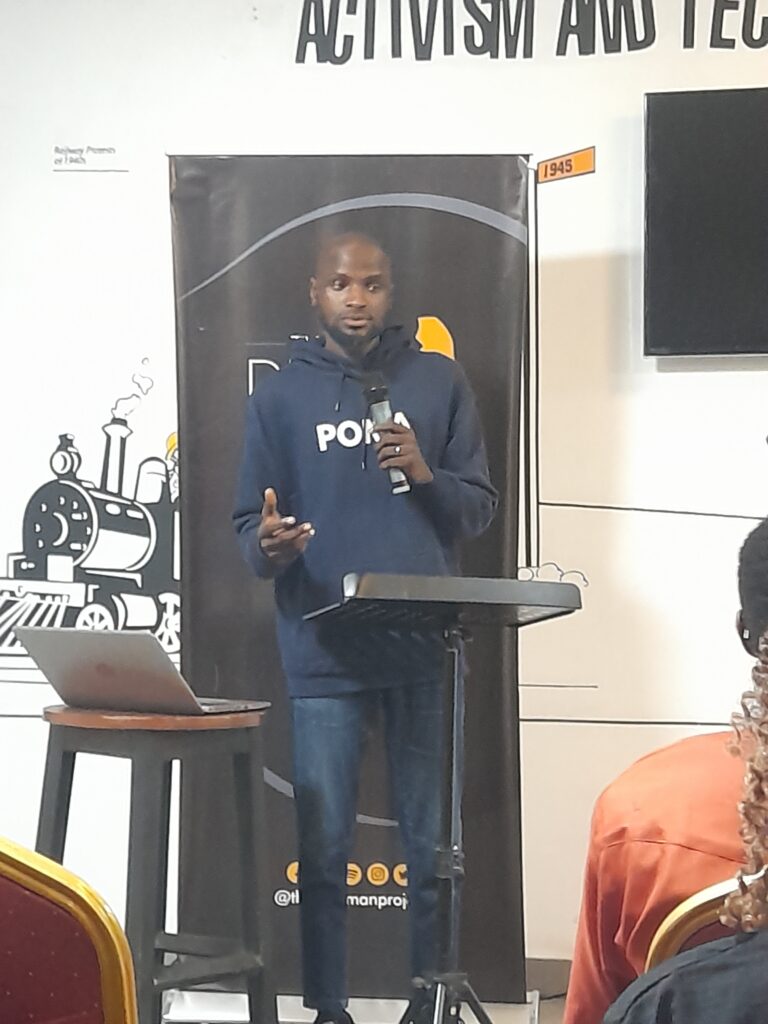
First speaker: Paul Oyewusi (Founder of Circle Men)
He spoke on “Understanding Trauma in Men”.
He said, “though the society has made the men not to speak up about their daily trauma and emotional stress, but it is imminent for such men to start speaking up and stop being shy. He said, no man planned the trauma they pass through while growing up, which has made most men to live the way are currently living.
He however urged such men to man-up, speak up and change the narrative, instead of bottling up the anger, the hatred and the negative character which was born out of their life experience.
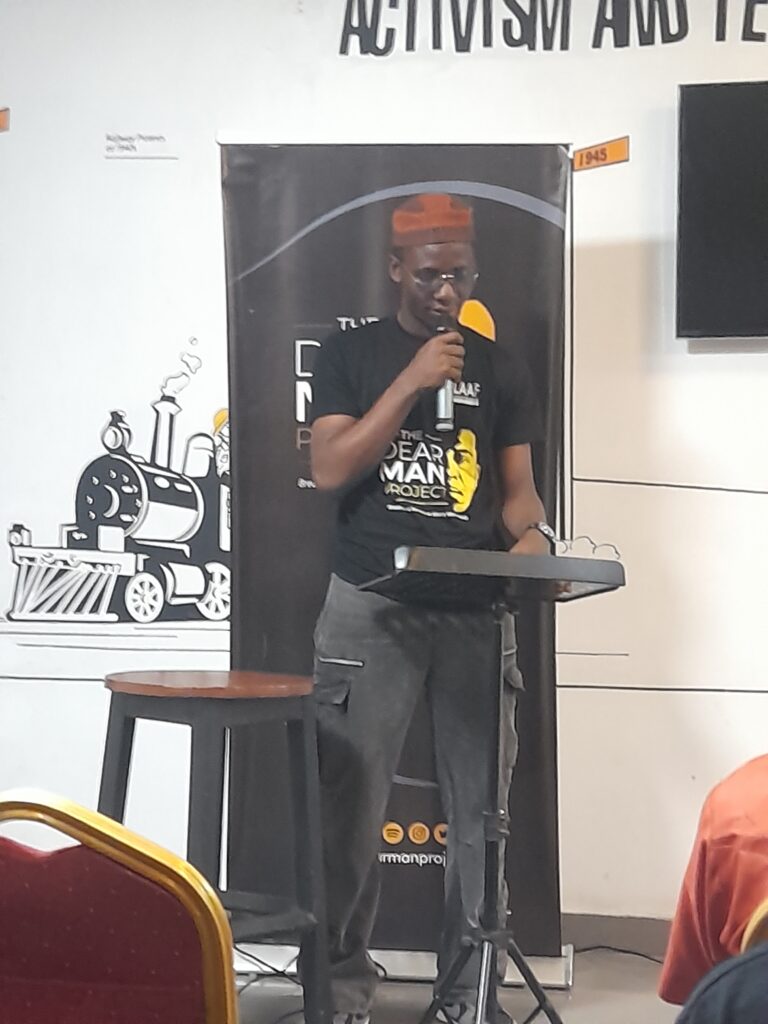
Second speaker: Samuel Joseph
He spoke on how Drug and substance abuse affects mental health.
He said “the use of hard drugs and other substances are a major reason why most men are subjected to suicide. He said such drugs affects their mental health and drain them to the state of being unwanted. He also urged the men to speak up whenever they are in such state.
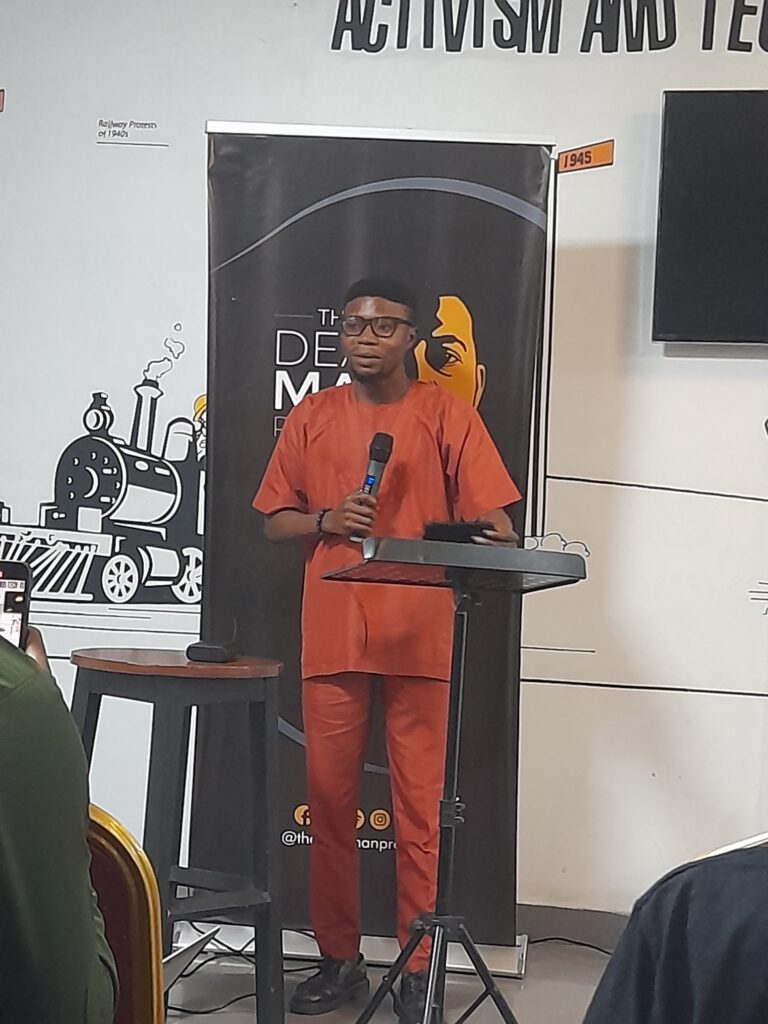
Third Speaker: Shola Adigun (Founder of Father Figure Initiative)
He spoke on Healing the father wound, understanding the impact of an absent father.
He urged the men to fix the issues fathers face in life. Issues which includes backlash from their father, mother or step-father and step-mother which has gravely affected their life as they advance in life.
He also joined other speakers to urge such men to man-up, speak up and change the narrative, instead of bottling up anger, hatred and negative character.
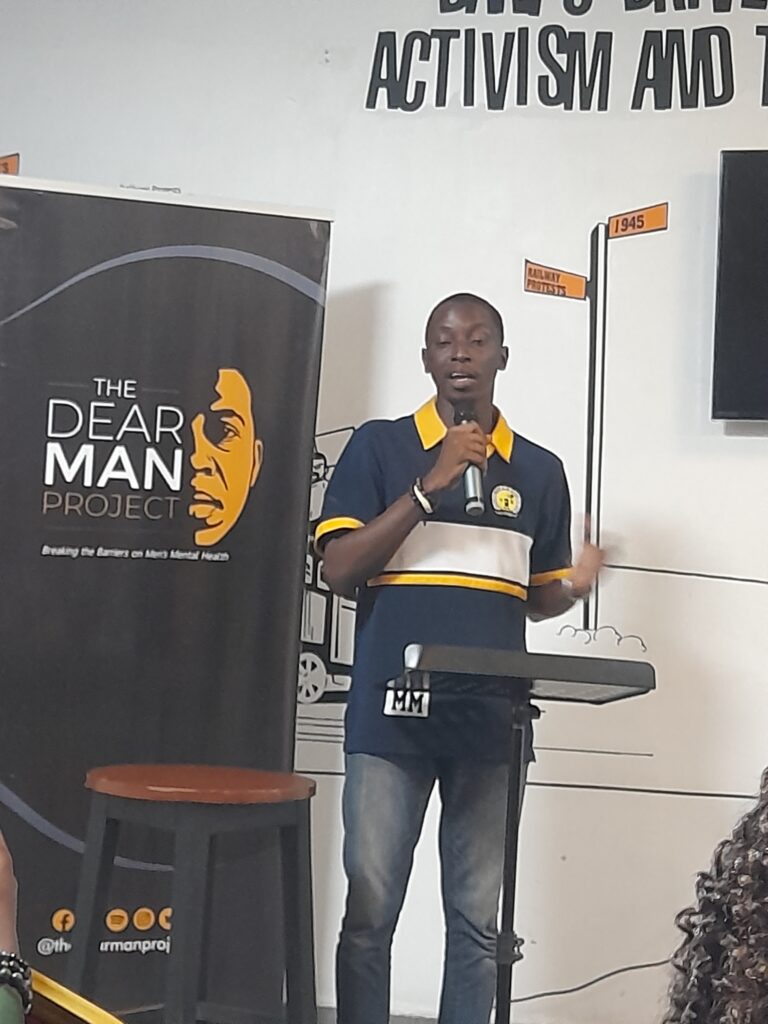
Fourth Speaker: Mustalpha Adeyemi (President KB Club)
He spoke on Emotional Vulnerability in Men.
He stressed that men should open up, engage with someone, explaining what they are going through. According to him, the men are seen as super humans who hardly show their feelings, which makes the society feel they are less vulnerable.
Mustalpha also said, at least 40 percent of men face series of maltreatments but are shy to speak up due to condemnations or being seen as a weakling.
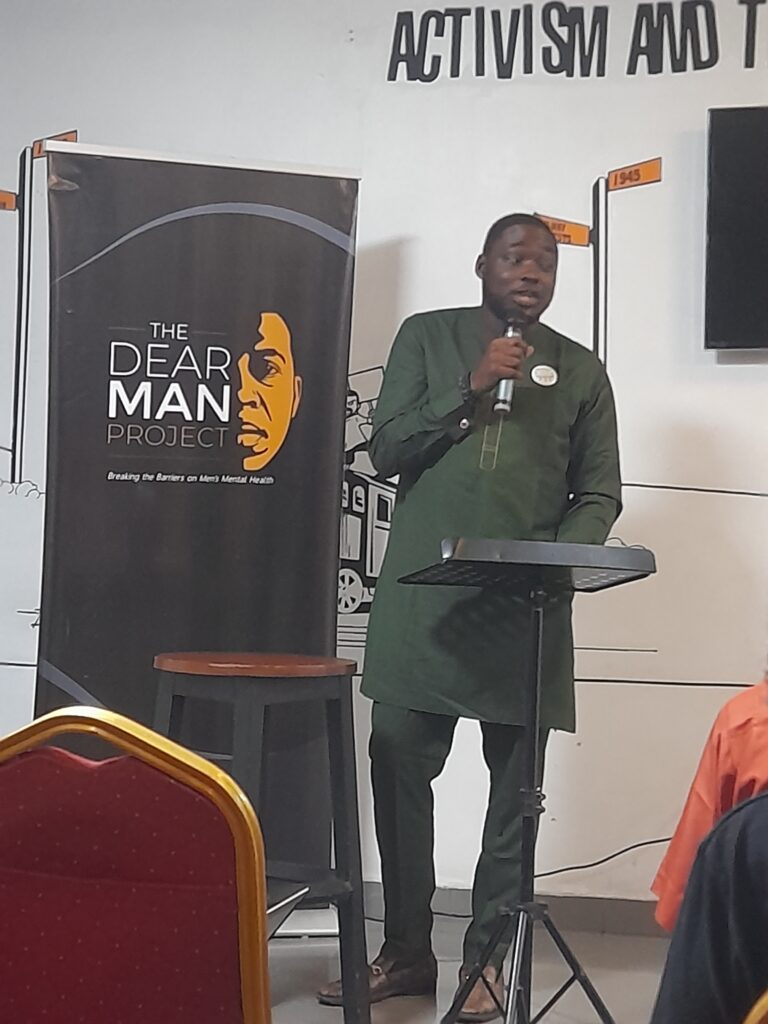
Fifth Speaker: Barr. Dare Asobele, Founder and coordinator of Anti Suicide prevention squad.
He addressed the men on Toxic Masculinity and Healthy Masculinity.
He encouraged the men not to allow trauma take the best part of them. In his words, he said: “do not bottle your emotions”, Find a safe space to take, get help, do regular exercise, find an enabling environment, seek a therapist, do not allow trauma to define who you are, let go of the past, forgive yourself, forgive your parent or whomever that have caused you trauma, and see how you can become a better man in the society.
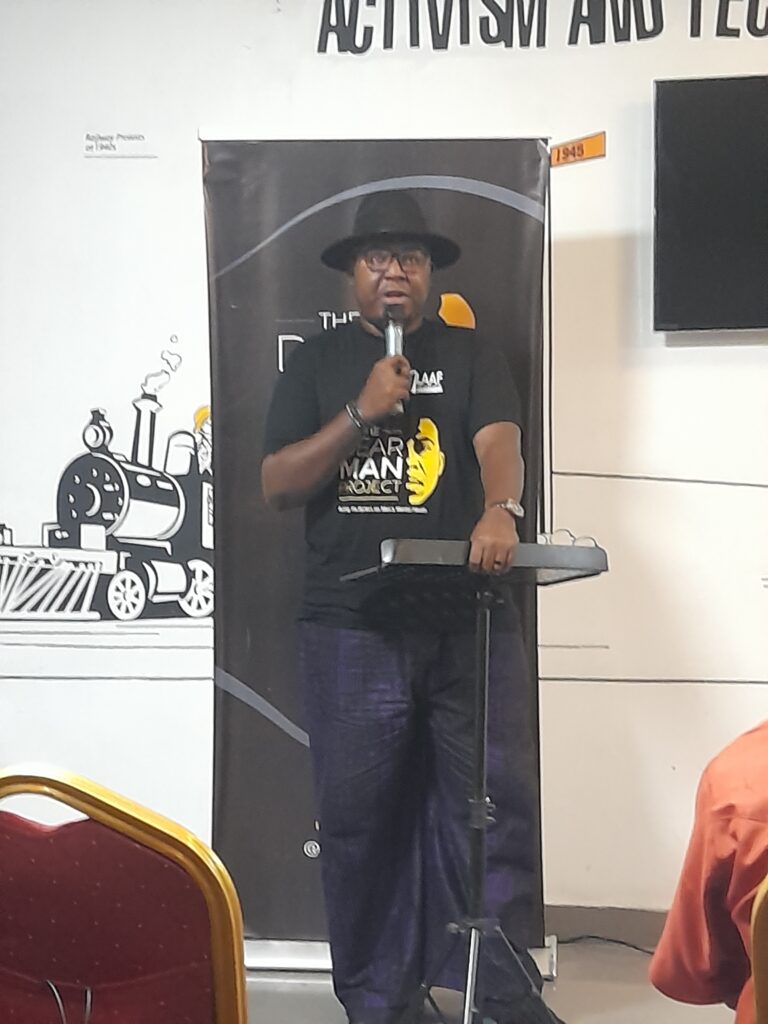
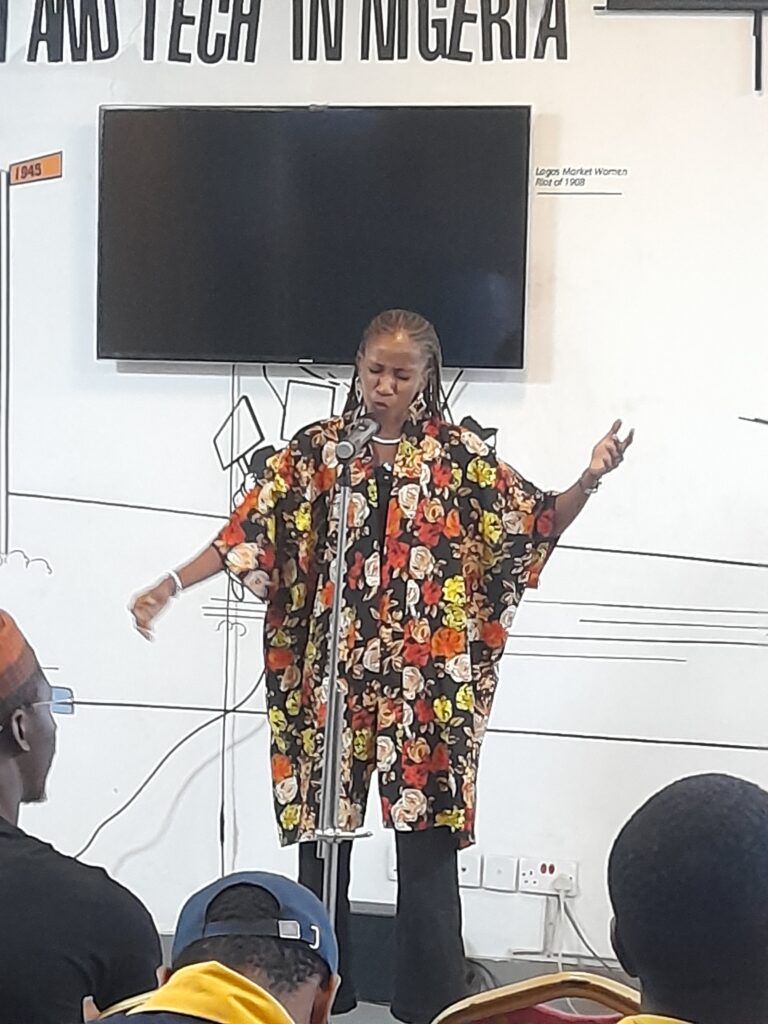
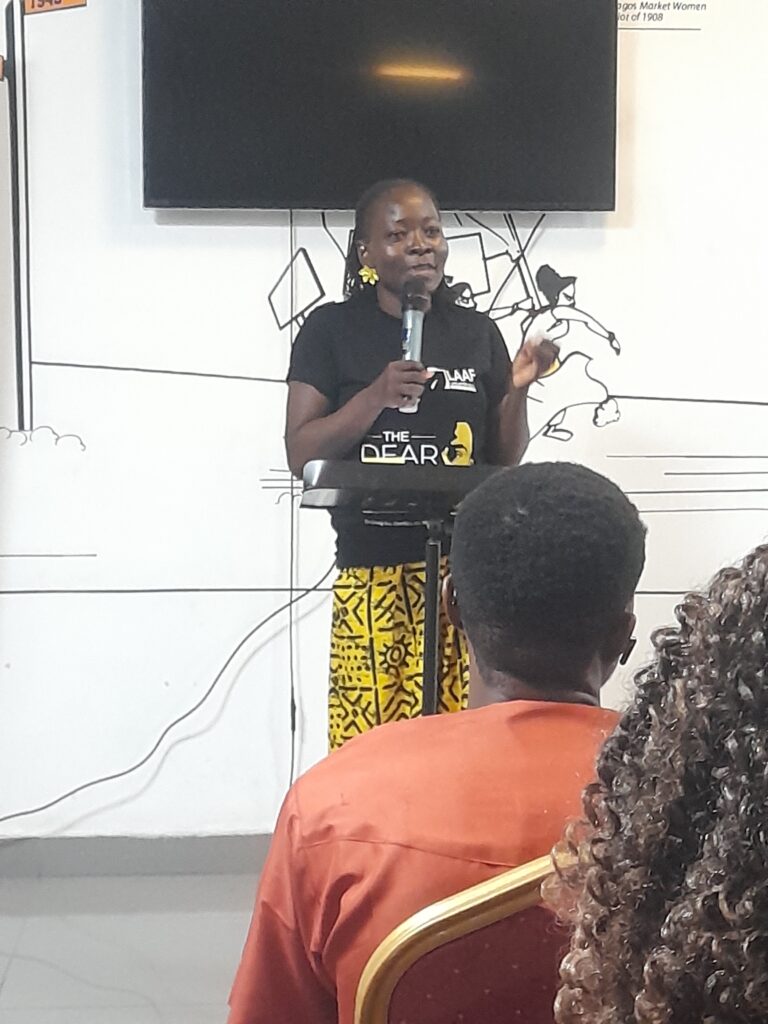
Other photos:










Health
Millions of bedbugs crawl out of mattresses and walls in huge outbreak
Bedbugs can enter homes on clothes, luggage, or second hand furniture – and “hide” in mattresses or walls, according to the NHS.


Millions of bedbugs were crawling out of mattresses in what a pest controller said was the worst outbreak he had seen in 38 years.
They were even in the walls and under the wallpaper, with the mattresses and bed frames needing to be incinerated.
Cardiff pest controller Gareth Davies had to wear full protection as his team tackled the problem in the Canton area of the city, using a specialist vacuum cleaner to collect millions of the bugs.
It came after they had tackled a large cockroach outbreak last month in a scene he likened to a horror movie.
“This house was just horrific,” he told BBC Radio Wales Breakfast.
“Hundreds of thousands of them when you lifted the mattresses up.
“They were coming out of the wallpaper, it was horrendous.”
Bedbugs can enter homes on clothes, luggage, or second hand furniture – and “hide” in mattresses or walls, according to the NHS.
Credit: BBC
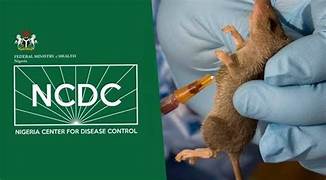
The Nigeria Centre for Disease Control and Prevention (NCDC) has confirmed that Lassa fever has claimed 259 lives and infected 1,086 people across 24 states and 118 local government areas so far in 2026.
In its latest Lassa Fever Situation Report for epidemiological week 36 (August 31 to September 6), the agency said the figures represent a case fatality rate of 23.9 percent — significantly higher than the 18.6 percent recorded during the same period in 2025.
Twelve new confirmed cases were recorded in week 36, a decline from the 18 cases reported the previous week. The fresh infections were detected in Ondo, Edo and Kogi states.
Five states continue to bear the heaviest burden, accounting for 87 percent of all confirmed cases this year: Bauchi, Ondo, Taraba, Benue and Edo. People aged 21 to 30 remain the most affected age group.
The NCDC noted that no new infections among healthcare workers were recorded during the latest reporting week. The agency continues to urge the public to maintain hygiene, avoid contact with rodents and their droppings, and seek early medical care if symptoms appear.
Health
Nigerian hospital successfully performs kidney cancer surgery via tele-robotic
The development could reduce the need for Nigerians to travel abroad for specialised medical treatment, thereby reducing expenditure on international travel, accommodation and medical services.
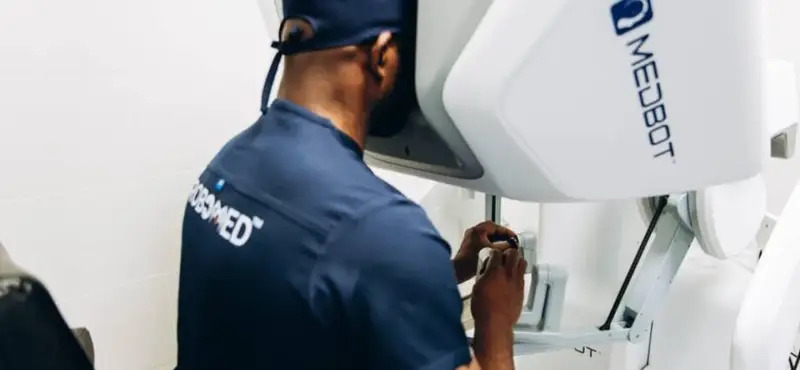
• A surgeon performing tele-robotic surgery.
Nisa Premier Hospital, Abuja, has partnered with RoboMed Global and The Redeemer’s Health Village (RHV) to successfully perform what the hospital described as the first tele-robotic surgery in Nigeria and West Africa.
The landmark kidney cancer surgery was performed on a patient at Nisa Premier Hospital, Abuja, while the surgeon, Professor Obi Ekwenna-Davis, remotely controlled the robotic surgical platform from Redeemer’s Health Village in Lagos.
The procedure, which lasted approximately three hours, was performed to remove a kidney affected by a cancerous tumour.
The hospital said the patient had been discharged following the successful procedure, although details about the patient’s identity and condition were withheld for privacy reasons.
Speaking during an event to mark the milestone, the Chief Executive Officer of Nisa Premier Hospital, Dr Ibrahim Wada, said the development demonstrated the potential of tele-robotic surgery to connect specialist surgical expertise with patients across Nigeria.
Wada said the procedure was carried out using the MicroPort robotic surgical platform installed at Nisa Premier Hospital, with the remote surgeon controlling the system from Lagos.
He said the development could reduce the need for Nigerians to travel abroad for specialised medical treatment, thereby reducing expenditure on international travel, accommodation and medical services.
According to him, the technology also creates an opportunity for Nigerians to access specialised expertise from doctors located in other parts of the world without requiring the doctors to travel physically to Nigeria.
Source: Daily Trust


JUST IN: Mob Sets BRT Bus Ablaze After Motorcyclist’s Death in Lagos

BREAKING: DSS Arrests Fugitive Maina Son, Hands Him to EFCC

BREAKING: 5 Arrested Over Imo NYSC Abduction

BREAKING: Lagos Govt Declares Today, Thursday Work-Free to Mark 2026 Ìṣẹ̀ṣe Day

Tech Expert, Zuckerberg trains with UFC champions, Adesanya, Alexander

Organ Trafficking: Ekweremadu bags 10 years in UK prison
-

 Business3 days ago
NAFDAC scolds fake manufacturers: “You are killing Nigerians in order to make money”
-

 Business3 days ago
Oyedele Chairs G-24 Call for Fairer Global Financial System, Affordable Development Financing
-

 Business2 days ago
Naira Exchange Rates For Thursday, October 15
-
 Sports2 days ago
CAF Increases Annual Funding for Member Federations to $700,000
-

 Politics2 days ago
Exclusion of candidates from INEC list: CD cautions INEC against manipulation by politicians
-

 Business1 day ago
Germany plans tax on sugary drinks
-

 News2 days ago
Sanwo-Olu Appoints Olatunbosun Ogunbanwo, 5 Others as Perm Secs
-

 News1 day ago
ASCON To Be Rebranded “National School Of Government”