
Health
Open Letter To Health Minister, Prof. Muhammad Ali Pate On Nigeria’s Mental Health Crisis, By Halima Layeni

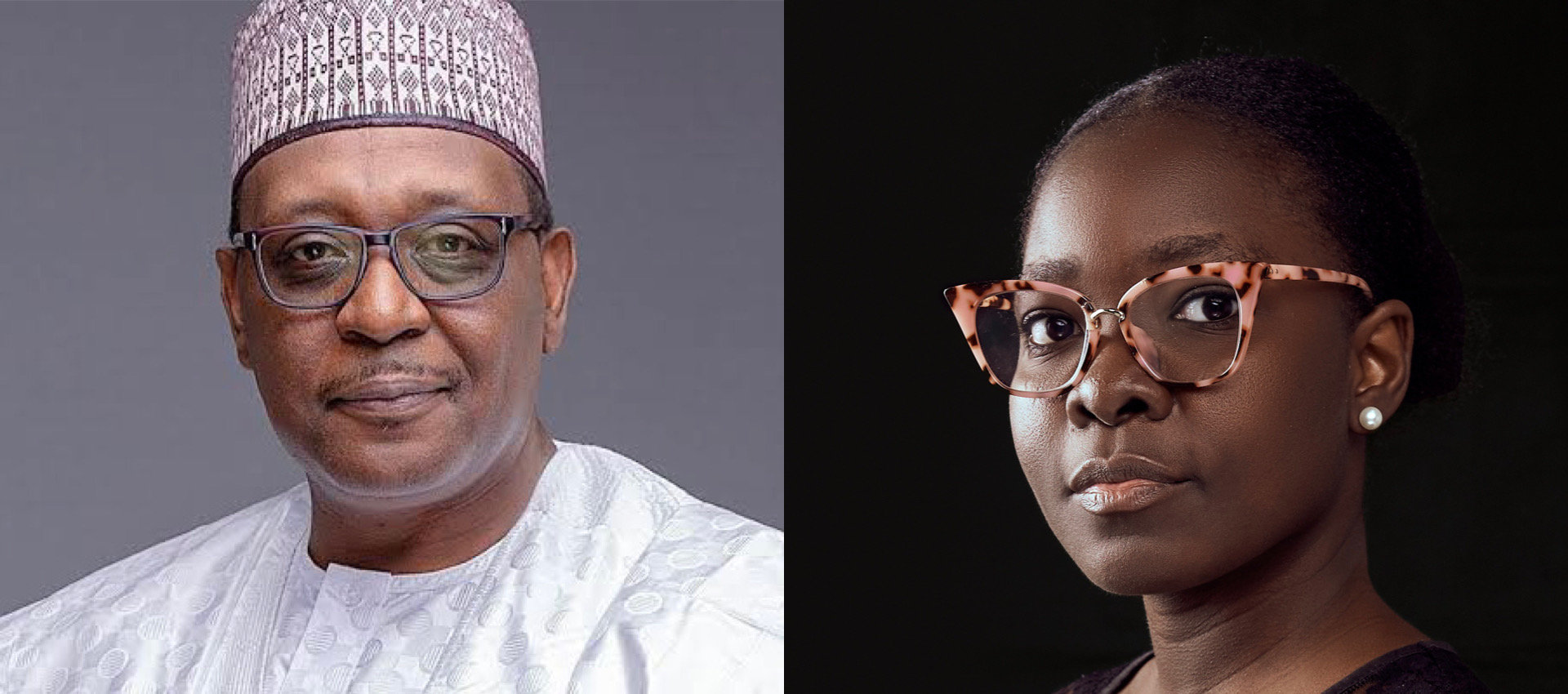
According to Halima Layeni, less than 10% of mentally ill Nigerians have access to the care they need. This is not just a statistic; it is a damning indictment of our collective failure to prioritize mental health as a fundamental aspect of overall well-being.
Dear Honorable Minister for Health,
I pen this letter to you with a heavy heart, but also with a fervent hope for change. As the Minister for Health and Social Welfare, you shoulder the immense responsibility of safeguarding the well-being of every Nigerian. Yet, amidst the myriad challenges we face as a nation, one issue stands out as a glaring indictment of our collective failure: the state of mental health care in Nigeria.
In a country of over 200 million people, we have fewer than 150 psychiatrists. Let that sobering fact sink in. Less than 150 specialists are tasked with addressing the mental health needs of a population grappling with the stresses of modern life, compounded by poverty, conflict, and inequality.
According to the WHO, less than 10% of mentally ill Nigerians have access to the care they need. This is not just a statistic; it is a damning indictment of our collective failure to prioritize mental health as a fundamental aspect of overall well-being.
To put this into perspective, let us compare our situation to that of other nations: In the United States, there are approximately 28,000 psychiatrists serving a population of 330 million people. In the United Kingdom, there are 12,300 psychiatrists for a population of 68 million. The disparity is stark, and it is unacceptable.
Numbers alone do not tell the full story. We must also confront the systemic issues that have hampered our efforts to provide adequate mental health care.
First and foremost, we must address the chronic underfunding of mental health services. Year after year, mental health budgets languish at the bottom of the priority list, starved of the resources they need to function effectively. This must change. We cannot hope to build a healthy, prosperous society without investing in the mental well-being of our citizens.
Equally pressing is the issue of inadequate facilities and infrastructure. Too often, those in need of mental health care are forced to travel long distances to access overstretched hospitals and clinics, only to find that essential medications and treatments are in short supply. We must invest in the expansion and modernization of our mental health infrastructure, ensuring that care is accessible to all who need it.
But perhaps most damning of all is the failure to implement existing laws and policies designed to protect the rights of individuals with mental health conditions. Our National Mental Health Policy, enacted in 2013, lays out a comprehensive framework for promoting mental health and ensuring access to quality care. Yet, too often, these lofty aspirations remain unrealized.
We cannot ignore the issue of men’s mental health. Traditional gender norms dictate that men should be stoic and strong, leading many to suffer in silence rather than seek help for their mental health issues. We must work to dismantle these harmful stereotypes and create a culture where men feel comfortable seeking support when they need it most.
As Minister for Health and Social Welfare, you have the power to effect change. You have the opportunity to reshape our nation’s approach to mental health care, to tear down the barriers that have long stood in the way of progress. But you cannot do it alone.
I call upon you to marshal the resources of your ministry, to rally support from across the government and civil society, and to lead by example in the fight for mental health equity. Together, we can build a future where every Nigerian has access to the care and support they need to thrive—a future where mental health is not just an afterthought, but a fundamental pillar of our national identity.
The time for action is now. The stakes could not be higher. Let us rise to the challenge, and in doing so, create a brighter, healthier future for all Nigerians.
Halima Layeni
Founder & Executive Director
Life After Abuse Foundation




Health
Bayelsa deploying 19 doctors, 210 nurses to strengthen primary healthcare centres
The commissioner said the deployment of doctors, nurses and midwives would make primary healthcare centres more attractive to residents and encourage women to seek professional care during childbirth.


| Bayelsa State Commissioner for Health, Prof. Seiyefa Brisibe
The Bayelsa State Government has said it will deploy 19 doctors, 210 nurses and midwives, 185 pharmacy technicians and about 50 laboratory medical technicians to primary healthcare centres across the state to strengthen clinical services at the grassroots.
The State Commissioner for Health, Prof. Seiyefa Brisibe, disclosed this on Friday while speaking on the government’s efforts to improve healthcare delivery at the grassroots during a training organised by the Health Emergency Initiative, under the sponsorship of FIRST E&P, tagged First Respondent First Respondent Training and Medical Intervention Programme.
Brisibe said, “We are deploying 19 doctors, 210 nurses and midwives, 185 pharmacy technicians and about 50 laboratory medical technicians to strengthen the clinical component of our primary healthcare centres.”
He said the deployment was aimed at strengthening the clinical component of primary healthcare centres, which, according to him, were often largely run by community health extension workers and environmental health officers.
The commissioner said the deployment of doctors, nurses and midwives would make primary healthcare centres more attractive to residents and encourage women to seek professional care during childbirth.
Health
Gov Mbah Invest in world-class Enugu International Hospital
The hospital, equipped with state-of-the-art medical equipment and advanced digital and electronic systems, is expected to attract top medical professionals from Nigeria and around the world.

Enugu State Governor, Peter Mbah, says the Enugu International Hospital is designed to provide world-class healthcare services to people across all socioeconomic classes.
The Enugu International Hospital is located at Rangers Avenue, Independence Layout, Enugu.
Mbah stated this during a pre-launch tour of the facility ahead of its official commissioning.
The hospital, equipped with state-of-the-art medical equipment and advanced digital and electronic systems, is expected to attract top medical professionals from Nigeria and around the world.
The governor expressed satisfaction with the quality of the equipment installed at the facility, saying the investment would help position Enugu as a medical tourism hub in Nigeria.
He said the hospital would also help reduce the number of Nigerians travelling abroad for specialist medical treatment while creating an environment that would encourage Enugu-trained medical professionals to return home.
According to Mbah, several Enugu-qualified medical practitioners based abroad have already reached out to express interest in working at the international hospital and contributing to the development of the state’s health sector.
The governor further said the facility would create job opportunities for medical graduates, healthcare professionals and other workers, with the potential to boost economic activity in the state.
During the tour, Mbah inspected several specialist units, including the Precision Oncology and Nuclear Medicine Unit, specialised surgery theatres, intensive care units, advanced diagnostics and imaging, and renal care and dialysis facilities.
He also toured the cancer, heart and vascular, nuclear medicine and molecular imaging, neuroscience, and renal centres.
Accompanied by the Director of the facility, Professor Sam Agwu, and other specialists, the governor received briefings on the various services and specialist care the hospital is expected to provide.
The Enugu International Hospital operates as a comprehensive quaternary care facility with more than 300 beds and was established to provide world-class specialist healthcare.
The facility is expected to strengthen access to advanced medical care, support medical professionals, create employment and contribute to Enugu State’s emergence as a destination for medical tourism.
Health
Bayer to establish reproductive health commodities plant in Nigeria
The plant is expected to manufacture family planning commodities locally, reducing Nigeria’s dependence on imported products, creating jobs and contributing to economic growth.
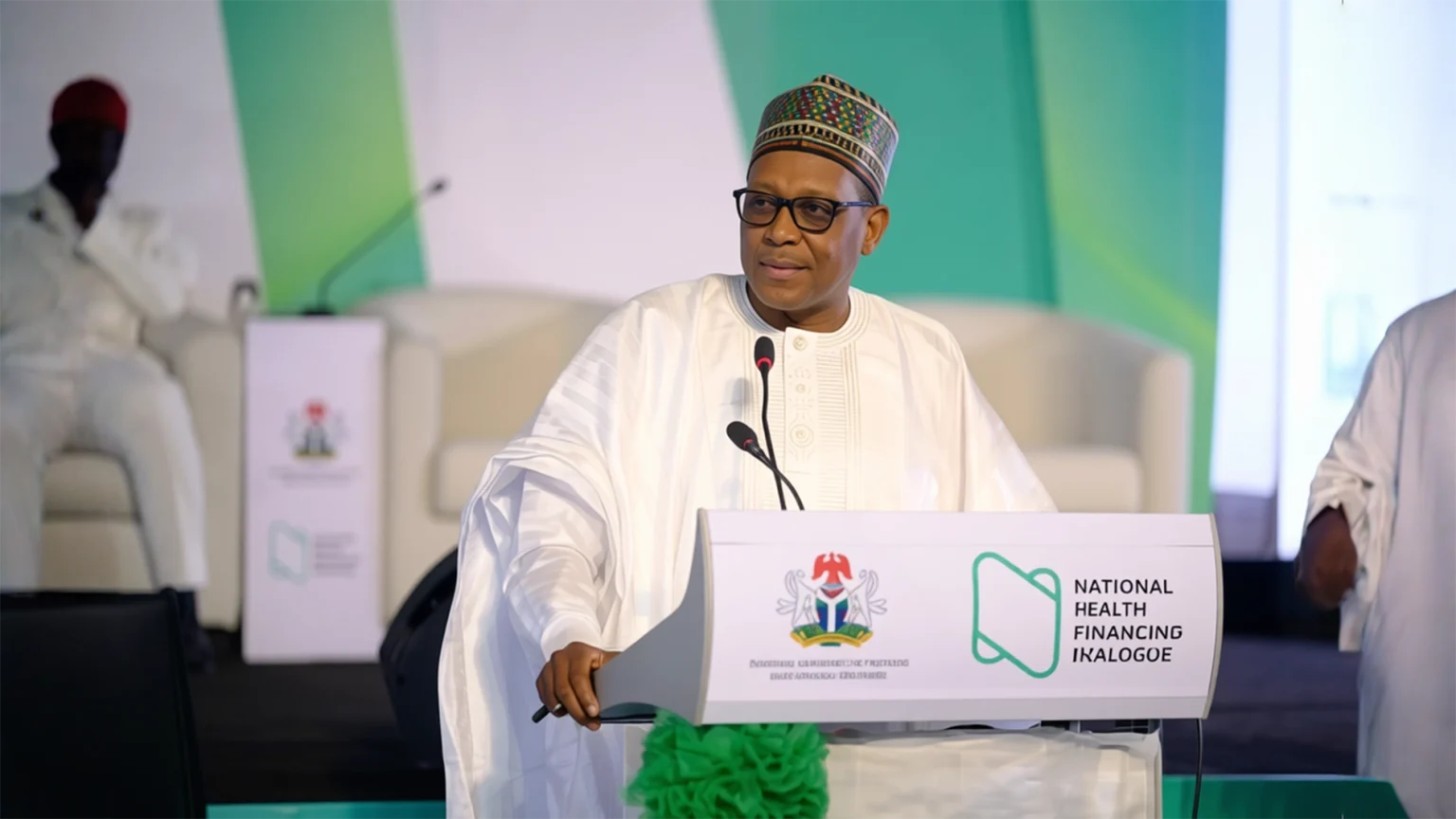
•The Minister of Health and Social Welfare, Prof. Muhammad Pate
Global pharmaceutical company, Bayer, is to establish a reproductive health commodities manufacturing plant in Nigeria, with the facility currently under construction in Anambra State.
The plant is expected to manufacture family planning commodities locally, reducing Nigeria’s dependence on imported products, creating jobs and contributing to economic growth.
The Minister of Health and Social Welfare, Prof. Muhammad Pate, disclosed this in Abuja at the inauguration of the High-Level Inter-Ministerial Platform (IMP) on Family Planning, Health, Human Capital and Sustainable National Development.
Pate described the investment as evidence that President Bola Tinubu’s Executive Order on the pharmaceutical sector was beginning to attract significant investments in local pharmaceutical manufacturing, diagnostics and health technology.
Also speaking, the Managing Director of FP2030 West and Central Africa Office, Dr Alain Damiba, described the initiative as a major step towards strengthening cross-sector collaboration to improve health outcomes and accelerate Nigeria’s socio-economic development.
Damiba commended the Federal Government for adopting a whole-of-government approach, noting that the new platform demonstrated that health and family planning were national development priorities and not issues that should be left to the health sector alone.
“Health, including family planning, is a smart investment in human capital and Nigeria’s future,” Damiba said.
Source: The Guardian Nigeria


Millions affected as floods strike India

JUST IN: All Occupants Survive as Aircraft Crashes, Catches Fire

Textiles was my biggest business mistake — Dangote

Tech Expert, Zuckerberg trains with UFC champions, Adesanya, Alexander

Organ Trafficking: Ekweremadu bags 10 years in UK prison

SAINT OBI: Between his marriage and his death
-

 Business1 day ago
Naira Exchange Rates To Dollar, Pound , Euro… September 14
-

 Business1 day ago
Filling Stations Selling Petrol, Diesel Higher Driven By Global Crude Prices
-
 News10 hours ago
Boko Haram Denies Ceasefire with FG, Vows Continued Attacks
-

 Business1 day ago
Dangote Refinery’s IPO Officially Opens Today On NGX
-
 Business1 day ago
Dangote at IPO Listing, Charges Public,”I don’t want to be called richest man in Africa”
-
 Politics1 day ago
Again, Desmond Elliot begs political mentor,Gbajabiamila , “I’m sorry, Daddy”
-

 News10 hours ago
Police Raise Alarm Over Terrorists and Informants Spying on Schools, Other Targets
-

 Crime10 hours ago
Boko Haram Attacks Adamawa Community, Kills Residents