
Business
Nigeria Manufacturing and Equipment Expo is back for its 7th Edition


The Manufacturers Association of Nigeria (MAN) is pleased to announce that the 7th edition of the Nigeria Manufacturing and Equipment (NME) Expo 2023 will hold from 21st to 23rd of November 2023, at the Federal Palace Hotel in Lagos.
In a statement, Ambrose Oruche
Chairman, NME/NIRAM Organizing Committee , said that this year’s edition of the Expo with the theme: ‘Future of Manufacturing’, will be held in partnership with the Nigeria Raw Materials Exhibition (NIRAM Expo).
“These events are the only regional event that brings the entire manufacturing and raw materials value chain together on one platform.
It is West Africa’s only trade show focusing on the entire manufacturing value chain for the African continent,” he said.
As the official Manufacturing event for the Manufacturers Association of Nigeria (MAN) and the Federal Ministry of Industry, Trade and Investment, the manufacturing platform will provide unprecedented opportunities and access to accelerate the industrialization of the African continent thereby achieving one of the objectives of AfCFTA.
Segun Ajayi-Kadir, the Director -General of the Manufacturers Association of Nigeria (MAN), added “there is no nation on earth that is considered wealthy or developed or prosperous that does not have a vibrant manufacturing sector”.
He noted that the manufacturing sector has the greatest capability to create jobs, the best position to revive the economy and set the path to development, adding that for this reason, governments all over the world incentivize manufacturing.
What To Expects
▪︎ The NME EXPO and conference will gather local and international companies to showcase and demonstrate new technologies, machinery, and equipment to enable African industries to invest and increase manufacturing output in Africa.
▪︎The NME 2023 will connect its stakeholders with decision makers who are desirous of investing or building new manufacturing plants, procuring the latest innovations in machinery, equipment, and technology, and finding turnkey solutions to improve their existing production output.
▪︎Exhibitors for this edition are expected to join 200+ other top manufacturing, industrial equipment, and raw materials sector organizations by reserving a space on West Africa’s premier marketplace for local buyers and sellers.
▪︎The collaborative effort of MAN and the Raw Materials Research and Development Council (RMRDC), at this year’s edition is specifically designed to boost the viability of the productive sector as well as guarantee the sustenance of the Nigerian economy.


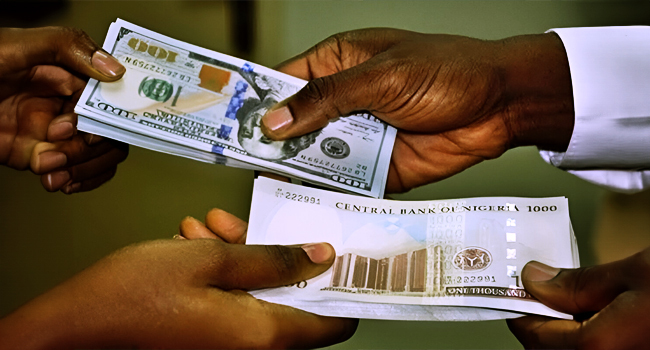
BLACK/ PARALLEL MARKET RATES
₦1370 DOLLAR (USD)
₦1800 POUND (GBP)
₦1510 EURO (EUR)
₦970 CANADIAN DOLLAR (CAD)
₦65 SOUTH AFRICAN RAND (ZAR)
₦350 UAE DIRHAM (AED)
₦190 CHINESE YUAN (CNY)
₦100 GHANAIAN CEDI (GHS)
₦2300 WEST AFRICAN CFA F.(XOF)
₦2200 CENTRAL AFRICAN CFA F.(XAF)
₦850 AUSTRALIAN DOLLAR AUSSIE (AUD)
CBN OFFICIAL RATES
DOLLAR (USD)₦1331.61
POUND (GBP)₦1764.26
EURO (EUR)₦1490.48
SWISS FRANC (CHF)₦1608.23
JAPANESE YEN (JPN)₦8.4
CFA FRANC (XOF)₦2.27
WEST AFRICAN UNIT OF ACCOUNT (WAUA)₦1802.33
CHINESE YUAN (CNY)₦199.01
SAUDI RIYAL (SAR)₦354.83
SOUTH AFRICAN RAND (ZAR)₦80.49
Business
WEF could appoint Lagarde as its next chair, sources say
The WEF’s Board of Trustees, which includes Lagarde herself, was due to meet on November 2 and could elect her as its next chair, said the people close to the organisation, who spoke on condition of anonymity due to the sensitivity of the matter.

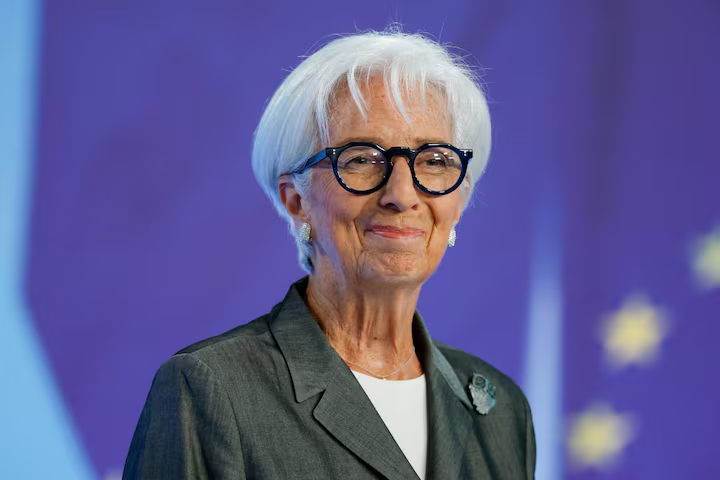
•European Central Bank President Christine Lagarde
The World Economic Forum could appoint Christine Lagarde as its next chair as soon as next month, four people close to the organisation told Reuters, meaning she would step down early as European Central Bank chief and trigger a wider reshuffle at the top of the ECB.Lagarde’s ECB term is scheduled to end in October 2027.
Leaving early would give European Union leaders a chance to pick a new ECB President before France’s spring presidential election, which opinion polls suggest the far-right could win, and could pave the way for a deal involving two other senior ECB roles.
The WEF’s Board of Trustees, which includes Lagarde herself, was due to meet on November 2 and could elect her as its next chair, said the people close to the organisation, who spoke on condition of anonymity due to the sensitivity of the matter.
No final decision has been taken yet, they said.
A spokesperson for the WEF said the forum could not confirm when the next full Board of Trustees meeting would take place, but that the aim was to hold one before the end of the year.
Business
Germany plans tax on sugary drinks
The tax is expected to generate additional revenue for the federal government of €690 million in 2027 and €925 million in 2028.
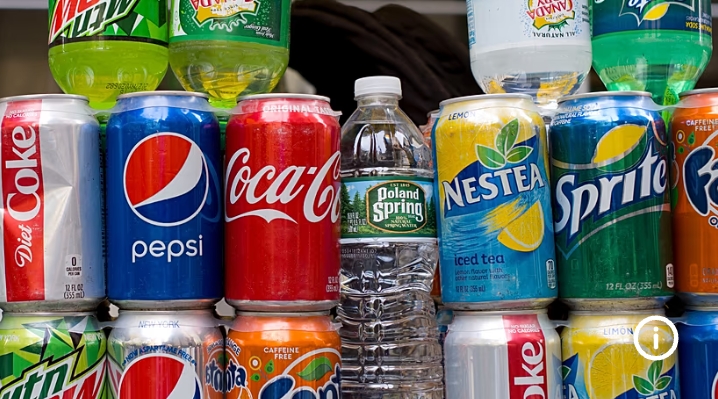
The German cabinet has approved draft legislation to tax sugary drinks in Europe’s biggest economy.
If passed by the German Bundestag, the tax will take effect on 1 July 2027.
The coalition aims to raise revenue for the federal budget while encouraging manufacturers to reduce sugar content and offer healthier products.
The levy is intended to ease pressure on the healthcare system, which faces costs of more than €2 billion every year linked to the high consumption of sugary drinks, which contributes to obesity, diabetes and tooth decay.
According to the federal government, Berlin is using the tax to implement “what associations from the fields of health, science, child protection, and consumer protection have long been demanding.”
The tax is expected to generate additional revenue for the federal government of €690 million in 2027 and €925 million in 2028.


ARISE News Wins Seven Honours At Nigerian Broadcasters Merit Awards

Meta removes 3.7 million accounts in West Africa scam crackdown

Naira Exchange Rates Friday, October 16

BREAKING: Lagos Govt Declares Today, Thursday Work-Free to Mark 2026 Ìṣẹ̀ṣe Day

Tech Expert, Zuckerberg trains with UFC champions, Adesanya, Alexander

Organ Trafficking: Ekweremadu bags 10 years in UK prison
-
 News3 days ago
Nigeria, AfDB Agree Portfolio Review (Photos)
-
 News3 days ago
UNCTAD Warns Debt Burden Threatens Future of 3.7bn People
-

 Politics3 days ago
APC Makes Wike, Soludo, Adeleke State’s Campaign Coordinator
-

 News3 days ago
NAF Crash: Residents Fear Disease as Body Parts Foul Community River
-

 Business3 days ago
FAO Names 22 African Women Agrifood Heroes, Nigeria Missing
-

 Business2 days ago
NAFDAC scolds fake manufacturers: “You are killing Nigerians in order to make money”
-
 Business1 day ago
Naira Exchange Rates For Thursday, October 15
-
 Business2 days ago
Oyedele Chairs G-24 Call for Fairer Global Financial System, Affordable Development Financing