
News
Navigating the Chaos: Addressing the Challenges of Lekki’s Busy Road by Dennis Isong

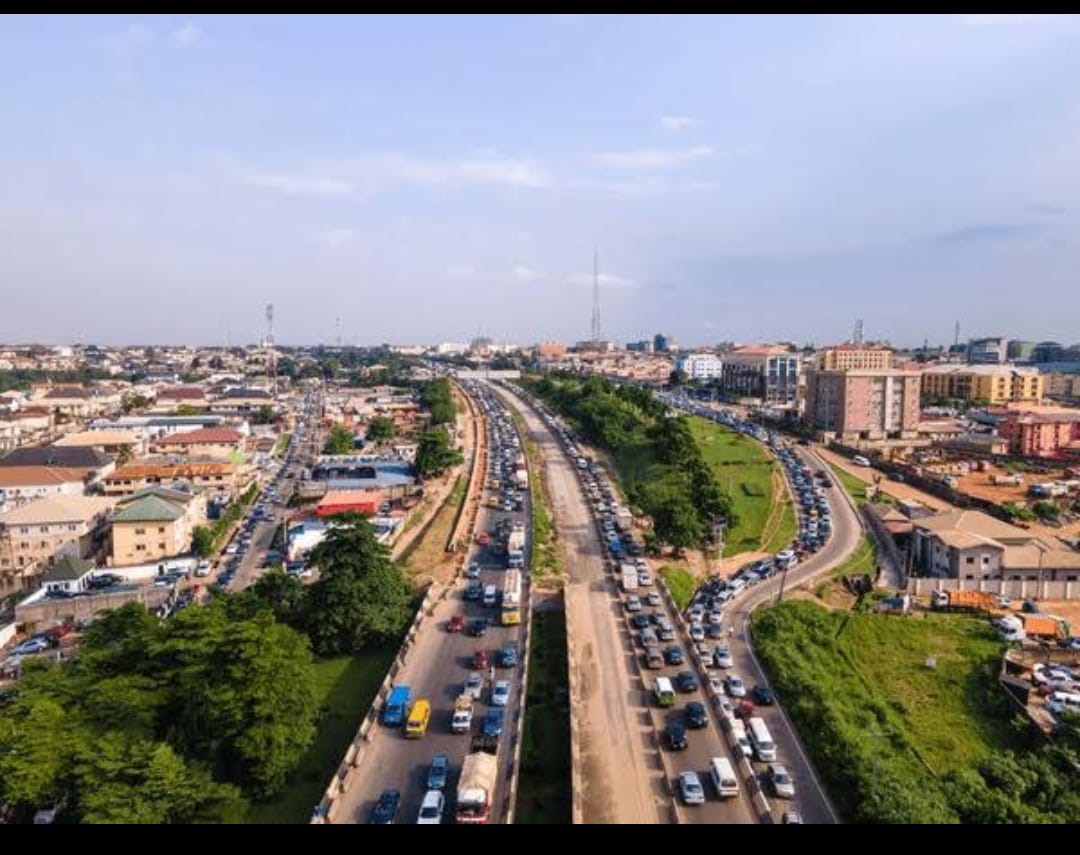
Over the years, Lekki has been blessed with exponential growth and development. However, this has brought about a significant challenge – the congestion and gridlock that plague the area’s main thoroughfare.
The Lekki-Epe Expressway, a crucial artery connecting the Lekki Peninsula to the rest of Lagos, has become a daily nightmare for commuters, grappling with endless traffic jams and frustrating delays.
At the heart of this issue lies a confluence of factors that have contributed to the road’s increasing strain.
The explosive growth in residential and commercial development along the corridor has led to a dramatic increase in the number of vehicles plying the route, far exceeding the road’s original design capacity. Additionally, the lack of efficient public transportation options has forced more people to rely on private cars, further exacerbating the problem.
Compounding the situation is the inadequate infrastructure to accommodate the growing traffic flow.
The Lekki-Epe Expressway, initially constructed as a dual carriageway, has struggled to keep pace with the escalating demand. Bottlenecks, such as the absence of sufficient entry and exit points, as well as the lack of well-planned intersections and interchanges, have created choke points that grind traffic to a halt during peak hours.
The consequences of this situation are far-reaching, impacting both the economic and social fabric of the Lekki community. Businesses in the area have reported significant losses due to the disruption in supply chains and the difficulty in accessing their premises.
Employees face the daunting prospect of spending hours commuting, sacrificing precious time that could be spent with their families or pursuing personal endeavors. The environmental impact is also significant, with idling vehicles contributing to increased air pollution and greenhouse gas emissions.
To address these challenges and pave the way for a more sustainable and efficient transportation system, a multifaceted approach is required. Firstly, the Lagos State Government must prioritize the expansion and upgrade of the Lekki-Epe Expressway. This would involve the construction of additional lanes, the implementation of well-designed interchanges, and the optimization of entry and exit points.
By increasing the road’s capacity, the flow of traffic can be better managed, reducing the frequency and duration of gridlocks.
Simultaneously, the government should invest in the development of a robust public transportation network. The introduction of a dedicated bus rapid transit (BRT) system along the Lekki-Epe Corridor, complemented by a network of feeder routes, would provide a reliable and efficient alternative to private vehicles. This would not only alleviate the burden on the road infrastructure but also promote a more environmentally-friendly mode of transportation.
To encourage the use of public transport, the government should consider implementing a comprehensive parking management strategy. This could include the introduction of paid parking zones, the establishment of park-and-ride facilities, and the enforcement of strict regulations on on-street parking.
By making it less convenient and more costly to use private vehicles, commuters would be incentivized to opt for the more efficient and sustainable public transportation options.
Furthermore, the government should explore the implementation of intelligent transportation systems (ITS) to better manage the flow of traffic. This could include the installation of electronic toll collection systems, the implementation of advanced traffic signal coordination, and the deployment of real-time traffic monitoring and information dissemination platforms.
By leveraging technology, the efficiency of the road network can be significantly improved, reducing travel times and minimizing the impact of congestion.
In addition to infrastructure and policy interventions, the government should also engage in targeted public awareness campaigns to promote sustainable mobility practices. This could involve educating the public on the benefits of public transportation, carpooling, and the use of non-motorized modes of transport, such as cycling and walking.
By fostering a shift in the public’s mindset, the demand for private vehicle usage can be gradually reduced, leading to a more sustainable transportation ecosystem.
To ensure the success of these initiatives, the Lagos State Government must also collaborate with key stakeholders, including urban planners, transportation experts, and community representatives.
This collaborative approach will help to ensure that the proposed solutions are tailored to the specific needs and challenges of the Lekki community, and that they are implemented in a manner that balances the interests of all affected parties.
Moreover, the government should explore innovative financing mechanisms to fund the necessary infrastructure upgrades and public transportation initiatives.
This could include the utilization of public-private partnerships, the introduction of congestion pricing schemes, and the allocation of dedicated funding from the state and federal budgets.
By securing the necessary financial resources, the government can ensure the long-term sustainability and effectiveness of the proposed solutions.
As the Lekki community continues to grow and evolve, the issue of road congestion and traffic management will only become more pressing. However, with a comprehensive and strategic approach, the challenges can be transformed into opportunities for the development of a modern, efficient, and sustainable transportation system.
By addressing the root causes of the problem and implementing a holistic set of solutions, the Lekki-Epe Expressway can be transformed into a model of urban mobility, serving as a blueprint for other rapidly growing cities in Nigeria and beyond.
▪︎For personalized assistance with your property needs, contact Dennis Isong, a top Lagos realtor specializing in helping Nigerians in the diaspora own property stress-free.
Contact: +2348164741041


The Nigerian Air Force (NAF) has released the identities of the people who died in the crash involving an NAF ATR 42 aircraft in the Igbokoda area of Ondo State, on Monday.
The aircraft, NAF 931, was carrying five crew members and 20 passengers when it crashed during a routine mission from Benin to Lagos.
In a statement, Air Commodore Ehimen Ejodame, NAF spokesperson, said no survivor had been found following the accident, which prompted the immediate activation of search-and-rescue operations in coordination with relevant authorities.
Those killed include five crew members: Squadron Leader MI Aburime, the flight captain; Squadron Leader AP Man-Ugwueje, co-pilot; Flight Lieutenant IS Bako, co-pilot; Warrant Officer Abubakar A, aircraft technician; and Corporal Uguru HC, aircraft technician.
The 20 passengers were identified as Flight Lieutenant TL Lazarus; Flight Lieutenant M Akinloye; Flying Officer IM Adeshina; Master Warrant Officer Onwuka F; Master Warrant Officer Matini BA; Warrant Officer Nuhu FS; Flight Sergeant James RB; Flight Sergeant Mohammed AI; Sergeant Ani AE; Sergeant Izibenikien SI; Sergeant Alafuka C; Sergeant Mbadugha AN; Lance Corporal Ugwuba FC; Lance Corporal Eledan GE; Mrs Ezeh Nneka; Godstmine Tarabina; Joy Micheal; Sunday Micheal; Ukeme David; and Gideon Omotola.
The Chief of the Air Staff, Air Marshal Sunday Kelvin Aneke, expressed profound condolences to the families, loved ones and colleagues of those who lost their lives in the crash.
Aneke described the incident as a deeply painful moment for the Nigerian Air Force and the country, while assuring the bereaved families of the Service’s full support during the difficult period.
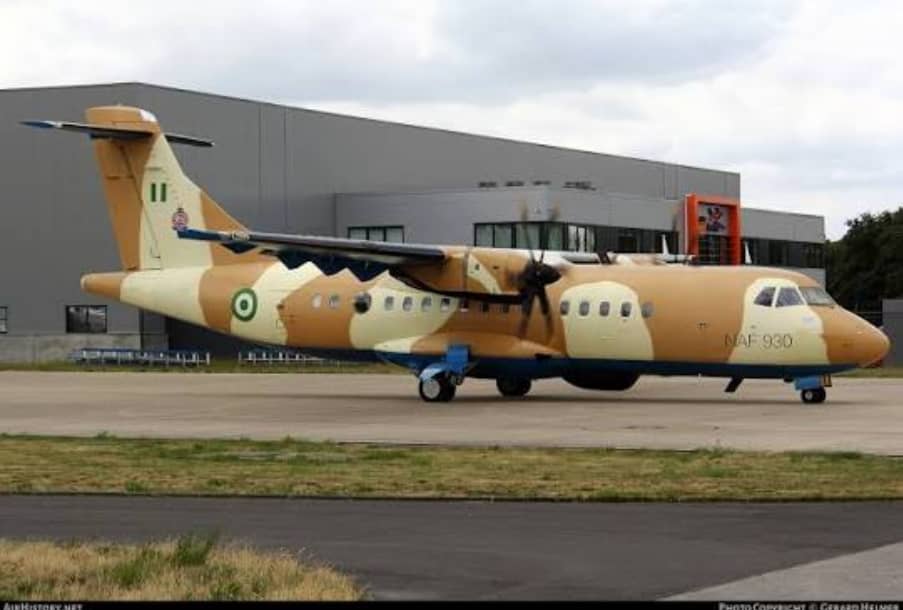
A Nigerian military aircraft, ATR-42 carrying 32 people has crashed near the Naval Base in Igbokoda, Ondo State.
Minister of Aviation Festus Keyamo said the aircraft, with tail number NGR 931, was flying from Benin to Lagos when contact was lost at about 9:13 a.m.
The wreckage has been located, and search and rescue operations are underway.
Preliminary information indicates there were 25 passengers and seven crew members on board.
Keyamo said he has spoken with the Chief of Air Staff, Air Marshal Sunday Kelvin Aneke, and pledged the ministry’s full support for the rescue effort.
Meanwhile, the Nigerian Air Force (NAF) has activated an immediate Search and Rescue operation following an ATR-42 aircraft accident in the Igbokoda area of Ondo State on 5 October 2026.
The aircraft was on a routine mission from Benin to Lagos when the accident occurred. Search and Rescue operations, in coordination with relevant authorities and emergency response agencies, are currently ongoing.
Ehimen Ejodame, Air Commodore, Director of Public Relations and Information Headquarters, Nigerian Air Force, said NAF is committed to ensuring the success of the ongoing Search and Rescue efforts. Further details will be communicated in due course.

News
NGE Tasks Newsrooms, INEC on Must-Do Measures for Credible 2027 Polls
The Guild warned that synthetic content could be produced and distributed rapidly, including fabricated election results, cloned voices of public officials, forged documents, manipulated result sheets and fake reports attributed to established media organisations.
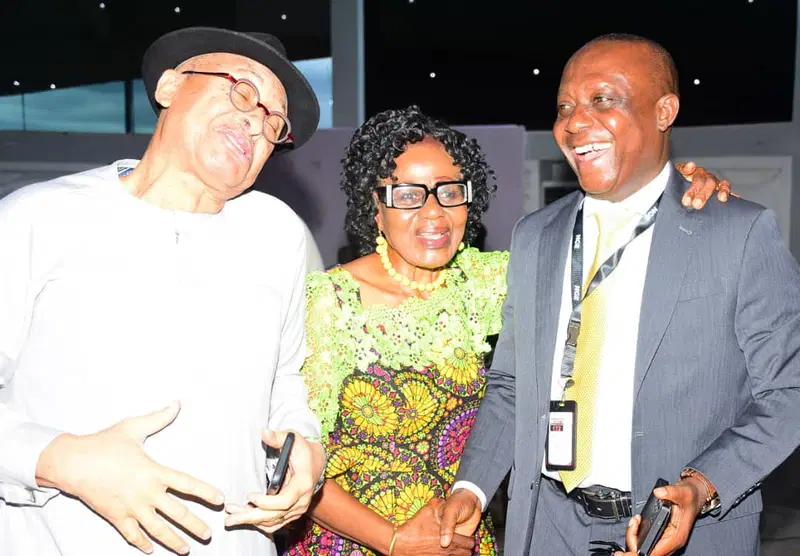
• [File photo] L-R Prof Pat Utomi; Prof Chinyere Okunna and Eze Anaba President Nigerian Guild of Editors at the 22nd All Nigerian Editors Conference in Enugu. Photo. Nwankpa Chijioke.
The Nigerian Guild of Editors (NGE) has tasked news organisations and the Independent National Electoral Commission (INEC) with implementing far-reaching reforms to strengthen the credibility of Nigeria’s 2027 general elections.
The Guild, in a communiqué issued at the end of the 22nd All Nigeria Editors Conference (ANEC 2026) in Enugu, called on newsrooms to institutionalise fact-checking and verification systems and integrate digital verification, deepfake detection and forensic tools into their editorial workflows.
The communiqué, signed by NGE President, Eze Anaba, and General Secretary, Onuoha Ukeh, also called for electoral reforms, including the introduction of a 50 per cent threshold for presidential elections and the resolution of electoral disputes before the swearing-in of declared winners.
The Guild urged all news organisations to adopt the Nigerian Media Code of Election Coverage (Revised 2022) and train journalists and other editorial staff on its provisions ahead of the 2027 elections.
The Code was jointly endorsed by the Newspaper Proprietors’ Association of Nigeria, Broadcasting Organisations of Nigeria, Nigeria Union of Journalists, NGE, Radio, Television, Theatre and Arts Workers Union, and Guild of Corporate Online Publishers.
According to the Guild, the media has a critical responsibility to provide accurate, verified and independent information to the electorate while holding governments, political parties and other centres of power to account.
The NGE identified generative artificial intelligence, deepfakes, voice cloning and automated networks as major emerging threats to the integrity of electoral information.
The Guild warned that synthetic content could be produced and distributed rapidly, including fabricated election results, cloned voices of public officials, forged documents, manipulated result sheets and fake reports attributed to established media organisations.
The editors said the greatest danger was not merely the circulation of individual falsehoods but the broader erosion of public trust when citizens became unable to distinguish authentic information from fabricated content.
The conference, with the theme, “The Ballot, the Media and the Task of Keeping Democracy Alive,” was chaired by the Obi of Onitsha, His Royal Majesty Igwe Nnaemeka Alfred Achebe, while the Archbishop Emeritus of Abuja, His Eminence John Cardinal Onaiyekan, delivered the keynote address.
Vice President Kashim Shettima participated virtually as Special Guest of Honour, while Enugu State Governor, Dr Peter Ndubuisi Mbah, served as Chief Host.
More than 500 editors, publishers and senior media practitioners from print, broadcast and digital platforms, alongside political, traditional, religious, academic, regulatory and development-sector leaders, attended the conference.


BREAKING: APC Chairmen Accused of Leading Armed Attacks on ADC Members in Igueben

UPDATE: NAF Release Identities of Ondo Crash Victims

I sleep And Eat Thinking About Tinubu’s Re-Election – Wike

Tech Expert, Zuckerberg trains with UFC champions, Adesanya, Alexander

Organ Trafficking: Ekweremadu bags 10 years in UK prison

SAINT OBI: Between his marriage and his death
-
 Business3 days ago
Diesel Costs Bite: LAMATA Accelerates Shift To CNG, Electric Buses
-
 International3 days ago
US’s Gullah Geechee communities celebrate historic cultural festival rooted in West Africa
-

 International2 days ago
Italy marks 800 years since death of Saint Francis of Assisi
-
 Sports2 days ago
FIFA to decide 2030 World Cup final venue in 2028 as Morocco, Spain wait
-

 News2 days ago
NGE Tasks Newsrooms, INEC on Must-Do Measures for Credible 2027 Polls
-

 Entertainment2 days ago
BBNaija season 11: “And The Winner is Temi Nkem”
-
 News2 days ago
Nigerian-Born Former Texas Professor Gets 78 Months For $921,000 Student Aid Fraud
-

 International2 days ago
Ethiopian woman says she hasn’t eaten or drunk water since age 10