
News
How to Improve the Outlook of an Old Building for Business Purposes in Nigeria

By Dennis Isong
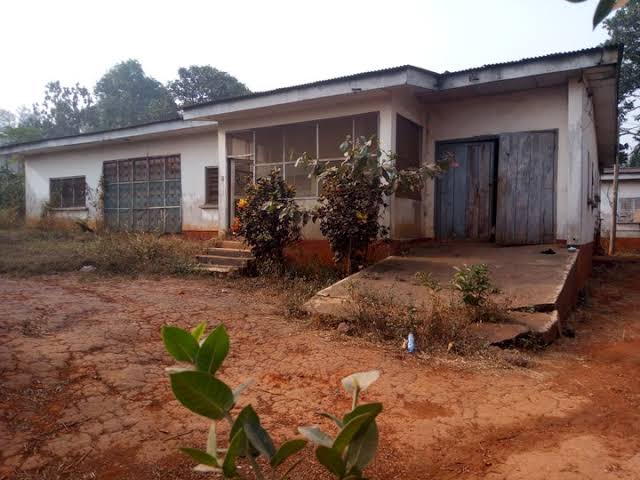
In Nigeria, many businesses are housed in older buildings due to their affordability, strategic location, or historical value.
However, these buildings often require significant upgrades to be visually appealing and functional for modern commercial purposes.
Revamping an old building can greatly improve its commercial viability, attract tenants or customers, and boost business operations.
Improving the outlook of an old building doesn’t always require a full-scale renovation; strategic enhancements can offer significant improvements. In this article, we will discuss practical steps to improve the aesthetics and functionality of an old building for business purposes in Nigeria.
- Do a Building Assessment
Before embarking on any improvement project, a thorough assessment of the building’s current state is essential. This evaluation should cover both the exterior and interior, identifying areas that need repair or replacement.
Ensure the building is structurally sound. Look for cracks, water damage, or foundation problems. Consult a structural engineer if necessary.
Outdated wiring or plumbing can be hazardous. Have professionals inspect these systems and update them to meet modern safety standards.
Consider how the building’s design, façade, and layout affect its appearance. Does it look old and outdated? Could minor cosmetic changes make a significant difference?
Once the assessment is complete, prioritize repairs based on necessity and budget.- Enhance the Façade
The exterior of the building is the first thing customers or tenants see, and its condition can impact first impressions. - Improving the façade should be a key focus in your project to modernize the building. In Nigeria’s competitive business environment, a visually appealing exterior can make a huge difference in attracting clients.
- One of the simplest and most effective ways to improve the outlook of an old building is through a fresh coat of paint. Opt for modern, neutral colors that suit the business type. Vibrant accents can add character and appeal.
Outdated or damaged windows and doors can make a building look dilapidated. Install modern glass windows and sleek doors that complement the new look.
Invest in modern, high-quality signage. Ensure it is visible, well-lit, and reflects the brand image.
A well-maintained lawn, trees, or flower beds can enhance the curb appeal of your building. Consider adding potted plants or small garden areas, especially in urban areas where green spaces are scarce.- Modernize the Interior Design
Once you’ve addressed the building’s exterior, focus on transforming the interior to meet the needs of modern businesses. Outdated layouts or designs can deter potential tenants or customers, especially in sectors like retail, hospitality, or offices.
Many modern businesses prefer open, flexible spaces. If possible, remove unnecessary partitions or walls to create an open, airy environment.
Upgrade old lighting systems to energy-efficient LED lights. A combination of natural and artificial lighting enhances visibility and can make a space feel larger.
Use modern furniture that is functional and aesthetically pleasing. Opt for ergonomic chairs and sleek desks if you’re creating an office space.- The décor should also reflect the brand and business type.
Old, worn-out flooring can diminish the building’s appeal. Consider replacing it with durable, stylish options like polished concrete, laminate, or tile.
In Nigeria’s hot climate, proper ventilation and air conditioning are essential for creating a comfortable business environment. Ensure that HVAC systems are in good condition or upgrade them if necessary. - Upgrade Energy Efficiency
Energy costs in Nigeria can be a significant expense for businesses, especially when dealing with older buildings that were not designed with modern energy-efficiency standards. - Upgrading the building’s energy efficiency not only reduces operational costs but also makes the property more attractive to eco-conscious tenants.
Proper insulation can significantly reduce the need for excessive air conditioning. Install insulation in the roof, walls, and floors to regulate indoor temperatures. - Consider installing solar panels to supplement the electricity supply, reducing dependency on the grid.
- Solar energy is becoming increasingly popular in Nigeria as a way to offset high electricity costs. Use double-glazed windows to minimize heat loss and reduce the need for constant air conditioning. Installing smart thermostats allows tenants to control the temperature more efficiently, reducing energy waste.
- Improve Accessibility
Accessibility is a crucial factor when improving an old building for business purposes. Ensuring that your property is accessible to everyone, including those with disabilities, broadens its market appeal and complies with legal requirements.
Ensure the building has wide, accessible entrances and exits. Ramps or elevators may need to be installed to accommodate wheelchairs or other mobility aids.
Provide restrooms that are accessible to people with disabilities. This may involve widening doorways or installing handrails.
Designate parking spaces close to the entrance for disabled individuals. If the building is situated in a busy area, ensure adequate and accessible parking facilities.- Maintain the Building Regularly
- Once the improvements have been made, regular maintenance is essential to keep the building in good condition. Neglecting maintenance can cause the building to deteriorate quickly, negating the value of your investments.Schedule routine cleaning of both the interior and exterior.
- This helps maintain the building’s appeal and prevents issues like mould or pest infestations.Conduct regular inspections of the electrical, plumbing, and HVAC systems to identify and address potential issues before they escalate. Promptly fix any damages, whether it’s a leaky roof, cracked windows, or malfunctioning security systems. Delaying repairs can lead to bigger problems and higher costs in the future.
- Rebrand the Building
If the building is old, it might have a reputation that no longer fits its new look and function.- Rebranding can attract new tenants or customers by shifting perceptions and aligning the building with modern business trends.
If the building’s name is outdated or unappealing, consider rebranding it with a new name that aligns with the type of businesses you want to attract.
Invest in professional branding services to create a cohesive brand image for the building. - This could include a logo, signage, and marketing materials.
Use social media, local media, and outdoor advertising to showcase the improvements made to the building. Offer potential tenants a tour of the upgraded space.
▪︎For personalized assistance with your property needs, contact Dennis Isong, a top Lagos realtor specializing in helping Nigerians in the diaspora own property stress-free.
Contact: +2348164741041
News
ARISE News Wins Seven Honours At Nigerian Broadcasters Merit Awards
The awards recognised the network’s achievements in television journalism and programming, with ARISE News winning the Best TV Channel (Viewer’s Choice) category.

• ARISE News Anchor and host of What’s Trending Ojy Okpe was named Best Newscaster (TV – Female)
ARISE News has emerged as one of the major winners at the just ended Nigerian Broadcasters Merit Awards (NBMA).
ARISE News won seven honours across television broadcasting, news reporting, presentation and production during the ceremony.
The awards recognised the network’s achievements in television journalism and programming, with ARISE News winning the Best TV Channel (Viewer’s Choice) category.
The network’s flagship breakfast programme, The Morning Show, also won the Best TV Talk Show award, further strengthening its recognition in television broadcasting.
ARISE News Anchor and host of What’s Trending Ojy Okpe was named Best Newscaster (TV – Female).
Rufai Oseni was named Nigerian Broadcaster of the Year (Male), while Vimbai Mutinhiri-Ekpeyong received the Nigerian Broadcaster of the Year (Female) award.
The recognition extended to the network’s newsroom, with Ovieteme George winning Best TV News Reporter (Male) for his contributions to television news reporting.
Behind the camera, Sam Adeyemi received the Best Camera Operator/Cinematographer award, recognising his work in television production and visual storytelling.
News
Meta removes 3.7 million accounts in West Africa scam crackdown
The joint operation led to 28 arrests, identified more than 30 suspected scam centres and rescued 117 people allegedly trafficked and forced to work in scam compounds in Ghana.
Meta, the parent company of Facebook and Instagram, has removed more than 3.7 million Facebook and Instagram accounts, pages and groups linked to suspected scam networks operating in West Africa.
The joint operation led to 28 arrests, identified more than 30 suspected scam centres and rescued 117 people allegedly trafficked and forced to work in scam compounds in Ghana.
The company announced the crackdown in a statement on Tuesday, October 13, 2026. It involved 14 technology companies and law enforcement agencies from 10 countries.
The United Kingdom’s National Crime Agency coordinated the operation with the US Department of Justice, the Federal Bureau of Investigation and other agencies. Nigerian authorities were involved.
Other countries included Ghana, Australia, Canada, New Zealand and India.Tech companies that took part included Google, Microsoft, OpenAI, Coinbase, Starlink and Adobe.
Meta said the partnership let participants share intelligence across digital platforms, countries and financial systems to identify criminal networks.

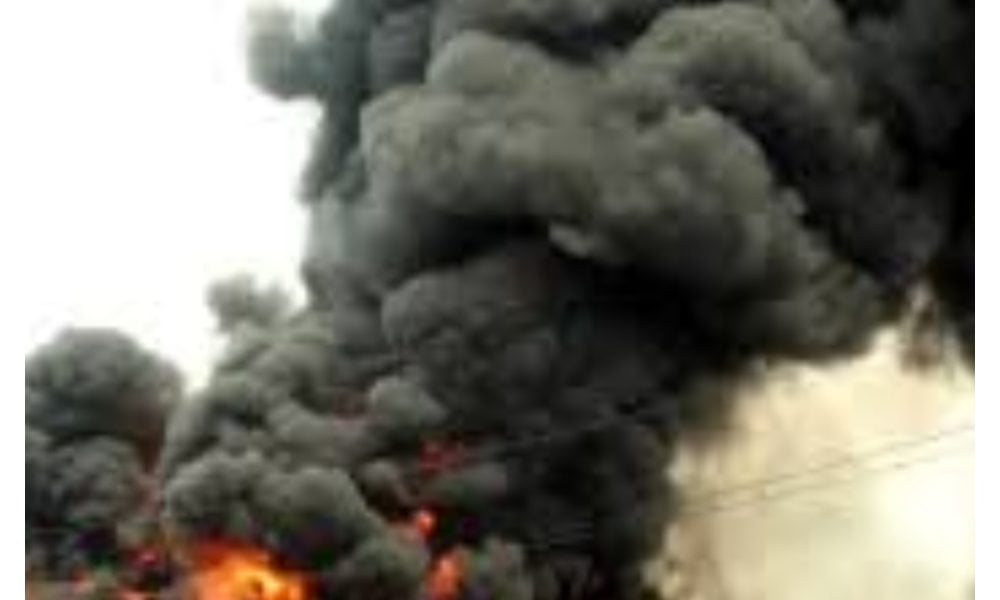
A gas pipeline explosion in Aleto community, Eleme Local Government Area of Rivers State, on Thursday evening has left at least 20 people injured, with about 50 houses destroyed by the resulting fire.
The blast occurred around 5 pm after a pipeline belonging to the Nigeria Gas Company ruptured along Old Bori Road. Several victims were rushed to hospitals. Stalls and a mechanic workshop with parked cars were also affected.
Residents said the pipeline had been leaking for about three weeks. Stanley, a local, stated that community leaders had alerted the company, but no effective action was taken. Most of those hurt were passers-by and people working in the area.
Daniel Chuma, Leader of the Eleme Legislative Council, visited the scene and confirmed the scale of the damage. He said he had earlier written to the company and petitioned NOSDRA and the Rivers State Ministry of Environment, copying the police, after a previous leak on another section of the same pipeline.
“Today, we were called to an explosion at the same Nigeria Gas Company pipeline that has destroyed over 50 houses and cars, with many casualties. People have been rushed to the hospital,” Chuma said. He added that no company representative had arrived at the scene, and community members had cordoned off the area with barrier tape to prevent further harm.
The Youths and Environmental Advocacy Centre (YEAC-Nigeria) also confirmed the incident. Its Executive Director, Dr Fyneface Dumnamene, said several people had been hospitalised and called on the Rivers State Government, the Ministry of Environment, NOSDRA, the Federal Government and other relevant agencies to support the affected residents of Aleto.
The fire was still burning at the time of early reports.


ARISE News Wins Seven Honours At Nigerian Broadcasters Merit Awards

Meta removes 3.7 million accounts in West Africa scam crackdown

Naira Exchange Rates Friday, October 16

BREAKING: Lagos Govt Declares Today, Thursday Work-Free to Mark 2026 Ìṣẹ̀ṣe Day

Tech Expert, Zuckerberg trains with UFC champions, Adesanya, Alexander

Organ Trafficking: Ekweremadu bags 10 years in UK prison
-
 News3 days ago
UNCTAD Warns Debt Burden Threatens Future of 3.7bn People
-

 News3 days ago
NAF Crash: Residents Fear Disease as Body Parts Foul Community River
-

 Business3 days ago
FAO Names 22 African Women Agrifood Heroes, Nigeria Missing
-

 Business2 days ago
NAFDAC scolds fake manufacturers: “You are killing Nigerians in order to make money”
-

 Business1 day ago
Naira Exchange Rates For Thursday, October 15
-

 Business2 days ago
Oyedele Chairs G-24 Call for Fairer Global Financial System, Affordable Development Financing
-

 Sports1 day ago
CAF Increases Annual Funding for Member Federations to $700,000
-

 Business3 days ago
BREAKING: Shell to Exit Nigeria’s Domestic Gas Distribution Business