
Business
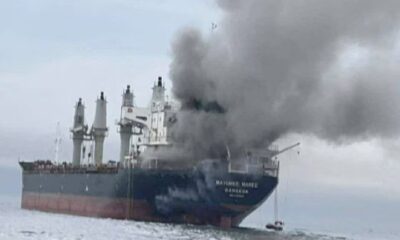
Global energy costs take its toll on Nigerian Manufacturers
The recent surge in global fuel prices, driven by geopolitical tensions, is compounding the challenge. While some manufacturers have temporarily absorbed the increases, Onafowakan warned that the full impact could materialise within the next three to four months.

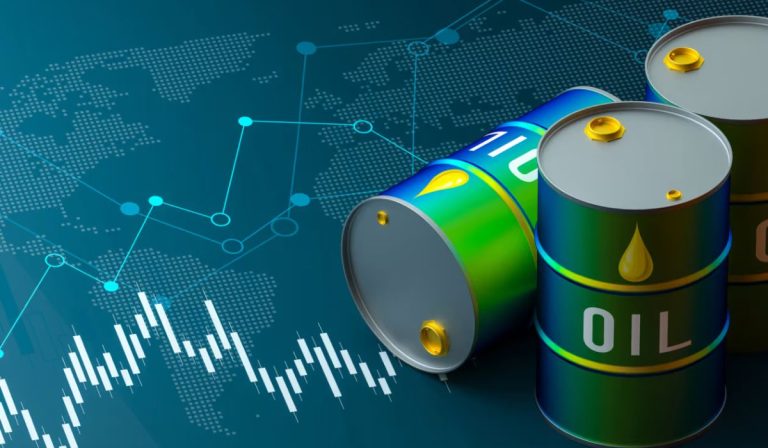
The Managing Director/CEO of Coleman Technical Industries Ltd, Mr George Onafowakan, said that the global higher energy costs occasioned by Iran -US Israeli war has started impacting on manufacturers in Nigeria.
Onafowokan said that findings across major industrial zones reveal a sector heavily dependent on diesel-powered generators, with factories running at high energy costs to sustain operations. Engineers and technical teams now work around the clock to monitor fuel consumption and prevent disruptions that could halt production lines.
Onafowakan stressed that power outages routinely stall factory operations, placing manufacturers under intense pressure to meet delivery timelines.
“When the lights go off, everything stops. We rely on generators, but the costs are rising, and there is constant uncertainty about meeting production targets,” he added.
The recent surge in global fuel prices, driven by geopolitical tensions, is compounding the challenge. While some manufacturers have temporarily absorbed the increases, Onafowakan warned that the full impact could materialise within the next three to four months.
“By the second quarter, businesses may be forced to make difficult decisions around production planning and pricing,” he said.
Beyond individual firms, the impact is already rippling across supply chains. Production delays are affecting dependent businesses and, ultimately, consumers, who are likely to face higher prices for goods.
Despite the growing pressure, Onafowakan said widespread layoffs or major operational restructuring may not occur immediately but cautioned that the situation could deteriorate without timely intervention.





Business
TIME Names Moniepoint CTO Felix Ike Among 50 Global Executives of the Year
In its citation, TIME said Ike “has helped to establish the business as one of Africa’s leading financial platforms.

TIME magazine has named Felix Ike, co-founder and Chief Technology Officer of Nigerian fintech Moniepoint, to its inaugural Executives of the Year: Tech and Data list.
Ike is the only executive representing an African company among the 50 leaders selected for the 2026 list.
The list, unveiled on Tuesday, September 22, recognises chief information officers, chief technology officers, chief data officers and chief product officers whose decisions are shaping how major organisations deploy technology and use data.
Moniepoint is also the only African company represented on the inaugural list.
Ike was named alongside executives from Netflix, CrowdStrike, Dell, Duolingo, AT&T, OpenAI, Anthropic, Shopify and Reddit, among others.
In its citation, TIME said Ike “has helped to establish the business as one of Africa’s leading financial platforms.
“The recognition follows Moniepoint’s inclusion in TIME’s 2025 list of the 100 Most Influential Companies, giving the Lagos-founded fintech another global distinction.
Black Market Rates
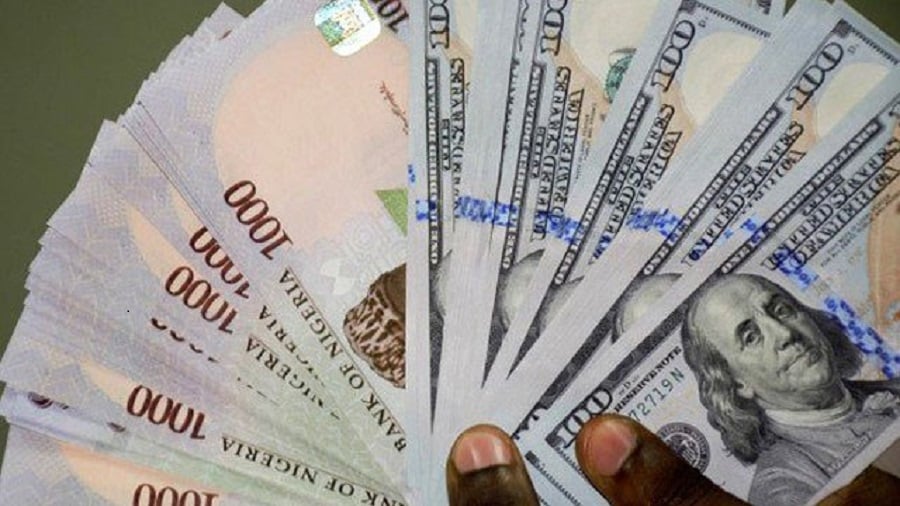
₦1382DOLLAR (USD)
₦1855POUND (GBP)
₦1545EURO (EUR)
1000 DOLLAR (CAD)
₦70 RAND (ZAR)
370DIRHAM (AED)
190YUAN (CNY)
₦100G.CEDI (GHS)
₦2350 CFA F.(XOF)
₦2250 CFA F.(XAF)
₦850 AUSSIE (AUD)
Official CBN Exchange Rates
DOLLAR (USD)₦1328.67
POUND (GBP)₦1758.36
EURO (EUR)₦1511.63
SWISS FRANC (CHF)₦1605.45
JAPANESE YEN (JPN)₦8.38
CFA FRANC (XOF)₦2.31
WEST AFRICAN UNIT OF ACCOUNT (WAUA)₦1808.03
CHINESE YUAN (CNY)₦197.92
SAUDI RIYAL (SAR)₦353.86
SOUTH AFRICAN RAND (ZAR)₦81.09
Business
Djibouti, Ethiopia and Dangote to build $660 million petroleum pipeline
In Kenya, Dangote and the government are due to break ground on a new 700,000-barrel-per-day crude oil refinery in Lamu next week.
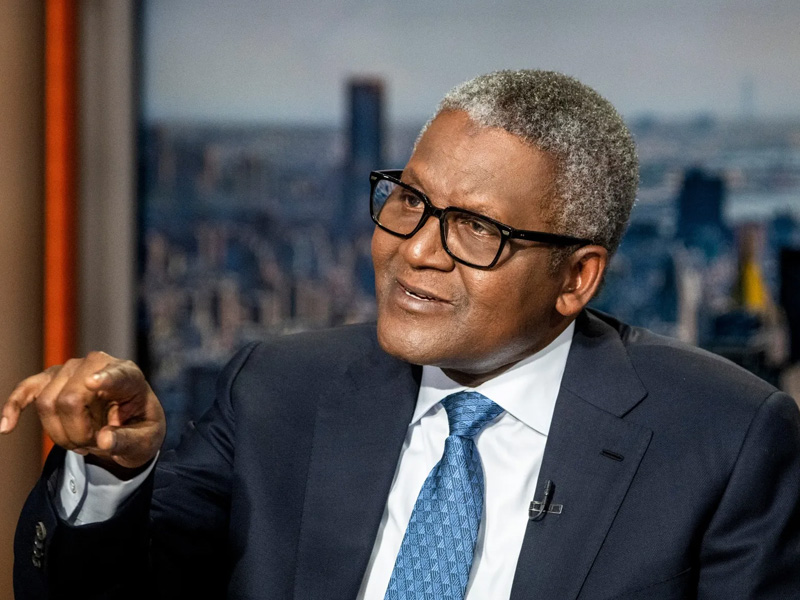
Ethiopia, Djibouti and Nigerian billionaire Aliko Dangote plan to build a $660 million refined petroleum pipeline that will connect Ethiopia and Djibouti, a spokesperson in Ethiopian Prime Minister Abiy Ahmed’s office said on Thursday.
The project will include a 120-km (75-mile) pipeline, as well as approximately 375,000 cubic metres of storage capacity at Damerjog in Djibouti and 800,000 cubic metres at Dewele in Ethiopia, the spokesperson told Reuters, adding it should become operational within 18 months.
Abiy said on his X account the project will be developed through a partnership between Ethiopian Investment Holdings and the Dangote Group, which separately is already building a $4 billion fertiliser pipeline and power plant, and a polypropylene packaging facility, in Ethiopia.
The project aims to reduce logistics costs and delays along the Ethiopia-Djibouti transport corridor, Abiy said.
Developers say the infrastructure will strengthen energy security and improve supply chain resilience for the two countries, he said.
Abiy is on a visit to Djibouti and made the announcement alongside its president, Ismail Omar Guelleh, and Dangote.
In Kenya, Dangote and the government are due to break ground on a new 700,000-barrel-per-day crude oil refinery in Lamu next week.


Congo military plane crash kills 13, including three officers

Manchester City Faces Expulsion For Breaching 114 EPL Financial Rules

TIME Names Moniepoint CTO Felix Ike Among 50 Global Executives of the Year

Tech Expert, Zuckerberg trains with UFC champions, Adesanya, Alexander

Organ Trafficking: Ekweremadu bags 10 years in UK prison

SAINT OBI: Between his marriage and his death
-
 Business3 days ago
FG Engages Stakeholders On Nigeria’s Rice Value Chain
-

 Business3 days ago
Naira To Dollar, Pound , Euro Rate Wednesday September 23
-

 Business2 days ago
Airtel Money Targets October Listing On London Stock Exchange
-

 Entertainment3 days ago
Gov Mbah Appoints Nollywood’s Eucharia Anunobi, Rachael Okonkwo aides
-

 Business2 days ago
Cardoso Says Multiple FX Windows Cost Nigeria 3% of GDP, Higher Than Fuel Subsidy
-
 Business2 days ago
MAN Urges CBN To Consider CRR Cut Next Phase of Monetary Easing
-

 Crime1 day ago
JUST IN: Zamfara LG Chairman Freed After 61 Days in Captivity
-

 Sports1 day ago
FIFA names Nigerian referee among 81 officials for U-17 World Cup