
Business
Emirates Reviews One Year Of Premium Economy Flights

In August 2022, Emirates Airlines introduced Emirates Premium Economy product for travellers.
This month Emirates is celebrating this banner first year of full-service operations with the highly popular cabin class, introduced one year ago.
Here are some glimpse of the success story :
- Customers’ preference for the Premium Economy has surged to a record high, with over 160,000 trading up, thereby setting new industry benchmarks in Premium Economy travel.
- Premium Economy product is currently available on flights to 11 cities, with the list growing to 13 cities by the end of the year, as more retrofitted aircraft with refreshed cabins roll into scheduled service.
- Nearly half of customers flying in Emirates Premium Economy are solo travellers venturing off for holidays, while couples and families constitute the other half.
- More than 60 percent of customers who booked to fly in Premium Economy in the last year were also loyal Emirates Skywards members and regular customers of the airline.
- Emirates currently flies its A380s with the latest Premium Economy cabins to London Heathrow, Sydney, Melbourne, Auckland, Christchurch, Singapore, Los Angeles, New York JFK, Houston, San Francisco and Dubai, with flights regularly registering full seat loads in Premium Economy.
- The airline plans to make Premium Economy available to customers flying to/from Mumbai and Bengaluru from 29 October, and additional cities will be announced soon.
- Emirates currently operates 20 aircraft fitted with Premium Economy, 14 of which were retrofitted in-house by the Emirates Engineering team in Dubai over the course of the last nine months.
- Since August 2022, the airline has operated close to 4,500 flights with Premium Economy, traversing more than 36 million kilometres around the globe.
On those flights, over 192,000 meals from its carefully curated menus which include the finest ingredients were served to customers who enjoyed regionally inspired, generously portioned dishes.
Unique touches include indulgent desserts garnished with edible gold leaf, among other signature offerings.
Premium Economy menus are updated every month to ensure a diversity of flavours and dishes, especially for well-travelled customers.
- Over 126,000 pieces of chocolates were served to round off meals for Premium Economy customers.
- Emirates also served 6,700 kilograms of mixed nuts and 8,650 litres of complimentary fresh lemon and mint juices in Premium Economy.
The airline’s robust beverage selection in Premium Economy includes a global exclusive for Emirates customers, Australian sparkling wine, Chandon Vintage Brut 2016, alongside a choice of a unique white and red wine.
The airline’s philosophy to constantly innovate and redefine service excellence through the introduction of Premium Economy has earned it numerous top placings and accolades in the cabin category at the 2023 Skytrax Awards, Business Traveller awards, Airline Ratings Excellence Awards, and 2022 Business Traveller Middle East awards.
In May, Emirates launched a global campaign with Academy Award winning actor and philanthropist Penelope Cruz, which also featured her enjoying the spacious seats in Premium Economy.
The airline has also provided a glimpse of its Premium Economy offering through guided tours of the new cabin class to media and influencers, trade partners, airport, tourism and government officials across cities like Sydney, Melbourne, Auckland, Christchurch, Singapore, New York JFK and San Francisco.
Future Outlook
The Premium Economy roll-out is a core component of the airline’s multi-billion-dollar retrofit programme which will see the interior upgrade on 67 Emirates A380 cabins, as well as 53 Boeing 777 cabins.
By the end of the programme, over 4,000 Premium Economy seats will be installed, along with over 700 First Class suites and 5,000 Business Class seats refurbished with the latest interiors.






Business
Dangote at IPO Listing, Charges Public,”I don’t want to be called richest man in Africa”
“I don’t want anybody again to call me the richest man in Africa. I want to be called the wealthiest man in Africa so that I can create wealth for others,” he said.

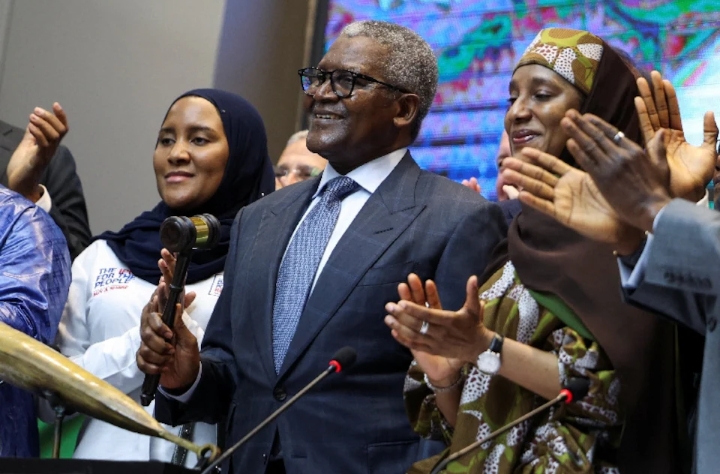
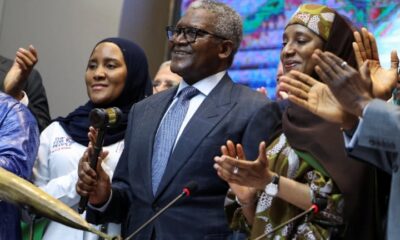
The trading floor of the Nigeria Exchange Limited (NGX) is agog this morning as billionaire industrialist,Aliko Dangote, declared opened trading activities for the day.
“I don’t want anybody again to call me the richest man in Africa. I want to be called the wealthiest man in Africa so that I can create wealth for others,” he said.
Dangote made the remarks on Monday while sounding the gong at the Nigerian Exchange (NGX) in Lagos to formally launch the Initial Public Offering (IPO) of Dangote Petroleum Refinery and Petrochemicals.
The billionaire businessman said the IPO provided an opportunity for investors to participate in what he described as a transformational phase for Nigeria and Africa’s economies.
“Today, we are not merely offering shares. We are offering an opportunity to participate in the transformational chapter of not only Nigeria’s economy, but Africa’s economy,” Dangote said.
He urged Nigerians to deepen the capital market and promote wider ownership of wealth.
“Together, let us deepen our capital market. Together, let us create prosperity through ownership. Together, let us build a stronger Nigeria. Together, let us ensure prosperity for Africa,” he said.
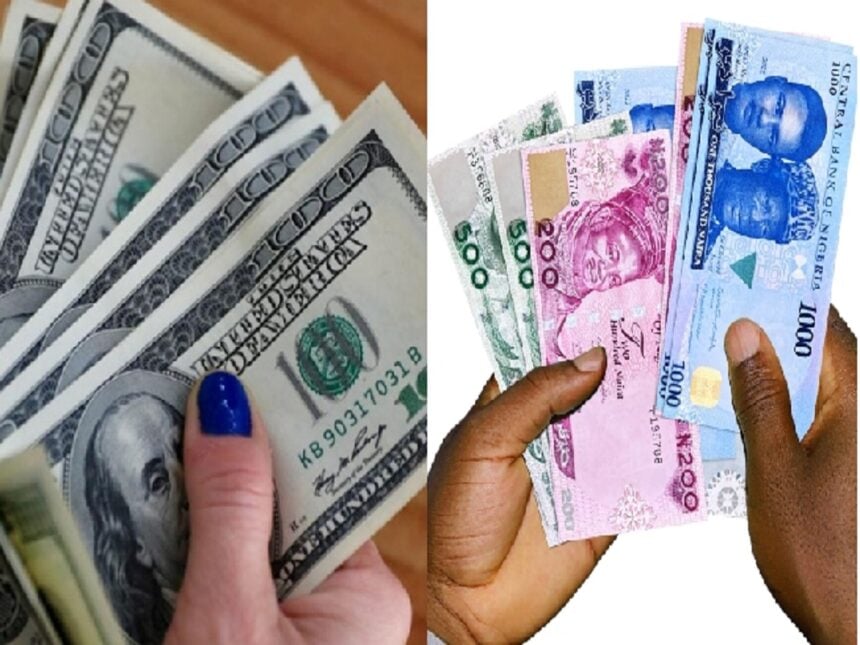
BLACK MARKET
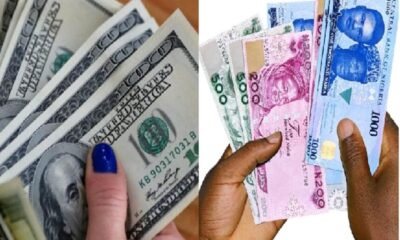
US DOLLAR ₦1385
POUND (GBP) ₦1880
EURO (EUR) ₦1580
CANADIAN DOLLAR (CAD) ₦1000
SOUTH AFRICAN RAND (ZAR) ₦90
UAE DIRHAM (AED) ₦370
CHINESE YUAN (CNY) ₦190
GHANA CEDI (GHS) ₦100
Central Bank of Nigeria Rates
DOLLAR (USD)₦1326.52
POUND (GBP)₦1794.52
EURO (EUR)₦1540.22
SWISS FRANC (CHF)₦1627.83
JAPANESE YEN (JPN)₦8.64
CFA FRANC (XOF)₦2.34
WEST AFRICAN UNIT OF ACCOUNT (WAUA)₦1811.58
CHINESE YUAN (CNY)₦197.74
SAUDI RIYAL (SAR) ₦353.20
SOUTH AFRICAN RAND (ZAR) ₦82.24
Business
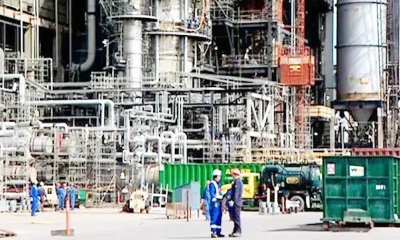
Dangote Refinery’s IPO Officially Opens Today On NGX
Speaking on the significance of the IPO, President and Chief Executive of Dangote Industries Limited, Aliko Dangote, said:“Today marks the beginning of a new chapter in the history of Dangote Refinery and, indeed, in the economic future of our nation…”
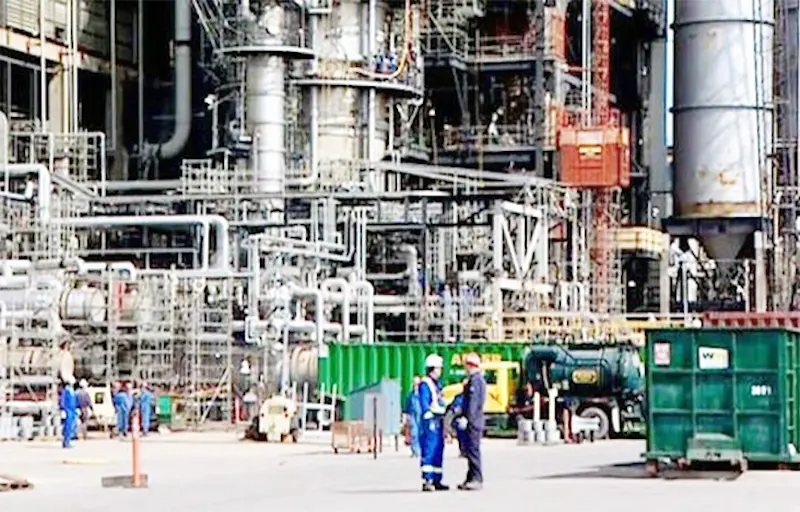
Dangote Petroleum Refinery & Petrochemicals FZE today announced the commencement of its Initial Public Offering (IPO) to the investing public.
The offer will be formally launched at a ceremony on the trading floor of the Nigerian Exchange (NGX) Limited in Lagos.
The IPO, which opens today, September 14, 2026, consists of 4.1 billion new ordinary shares offered at N525 per share, with a minimum subscription of 10 shares valued at N5,250.
The offer is expected to remain open until October 13, 2026, subject to the terms outlined in the Prospectus. The transaction is targeted at retail, institutional, and eligible African investors, reinforcing Dangote Refinery’s commitment to broadening ownership and deepening participation in Nigeria’s capital market.
The public offer is expected to raise approximately N2.15 trillion, making it one of the largest equity offerings ever undertaken in Africa.
The proceeds will support the Refinery’s long-term growth plans, operational expansion, strategic investments, and the creation of additional value for shareholders and stakeholders alike.
Speaking on the significance of the IPO, President and Chief Executive of Dangote Industries Limited, Aliko Dangote, said:“Today marks the beginning of a new chapter in the history of Dangote Refinery and, indeed, in the economic future of our nation. This offering is about more than raising capital; it is about creating an opportunity for ordinary Nigerians, Africans, and investors across the globe to participate directly in one of the most transformative industrial projects ever built on the continent.
We established this refinery to transform Africa’s energy landscape, create jobs, conserve foreign exchange, and unlock shared prosperity. With this IPO, we are extending that vision by democratising ownership and ensuring that millions of people can benefit from the value being created.”


Dangote Refinery IPO: SEC Warns Investors, ‘Don’t Pay Into Wrong Hands’

Again, Desmond Elliot begs political mentor,Gbajabiamila , “I’m sorry, Daddy”
Dangote at IPO Listing, Charges Public,”I don’t want to be called richest man in Africa”

Tech Expert, Zuckerberg trains with UFC champions, Adesanya, Alexander

Organ Trafficking: Ekweremadu bags 10 years in UK prison

SAINT OBI: Between his marriage and his death
-
 News3 days ago
Bamanga Tukur, former Adamawa gov, ex-PDP Chair dies at 90
-

 Business1 day ago
Filling Stations Selling Petrol, Diesel Higher Driven By Global Crude Prices
-
 Business23 hours ago
Dangote Refinery’s IPO Officially Opens Today On NGX
-
 Business21 hours ago
Naira Exchange Rates To Dollar, Pound , Euro… September 14
-
 Business20 hours ago
Dangote at IPO Listing, Charges Public,”I don’t want to be called richest man in Africa”
-
 Politics18 hours ago
Again, Desmond Elliot begs political mentor,Gbajabiamila , “I’m sorry, Daddy”
-
News13 hours ago
Dangote Refinery IPO: SEC Warns Investors, ‘Don’t Pay Into Wrong Hands’