
Business
BREAKING: 48 Hours After Tinubu’s Subsidy Removal Pronouncement: NNPC Confirms Petrol Price Hike


The General Petrol Pump Price in Nigeria has been increased by the Nigerian National Petrol Company (NNPC) Limited, after confirming the adjustment.
This is coming 48 hours after President Bola Tinubu announced an end to the subsidy era during his inaugural speech at the Eagle Square on May 29, 2023.
Fuel queues have since resurfaced across the country since the presidential pronouncement as Nigerians forage for the premium product which is now sold from N400/litre to as high as N600/litre.
In a statement on Wednesday, the NNPC spokesman, Garba Deen Muhammad, said the price of the essential commodity has been adjusted its retail outlets nationwide but he did not mention a specific amount.
He said the price per litre of petrol will continue to fluctuate to reflect market dynamics.
PRESS STATEMENT
ADJUSTMENT IN PUMP PRICE OF PMS
NNPC Limited wishes to inform our esteemed customers that we have adjusted our pump prices of PMS across our retail outlets, in line with current market realities.
As we strive to provide you with the quality service for which we… pic.twitter.com/sL0tePldqg
— NNPC Limited (@nnpclimited) May 31, 2023
“NNPC Limited wishes to inform our esteemed customers that we have adjusted our pump prices of PMS across our retail outlets, in line with current market realities,” the statement partly read.
“As we strive to provide you with the quality service for which we are known, it is pertinent to note that prices will continue to fluctuate to reflect market dynamics.
“We assure you that NNPC Limited is committed to ensuring a ceaseless supply of products.”
Business
FG Availing ₦3.6bn to 200,000 Tailors Nationwide
Dr Afiz Ogun, Director-General of the ITF, announced the approval during the nationwide screening of applicants for the 2026 edition of the SUPA Programme in Abuja.


Image credit: Bella Naija
The Federal Government has launched a ₦3.6 billion funding to support about 200,000 tailors under the Industrial Training Fund’s (ITF) Skill Up Artisans (SUPA) Programme.
Dr Afiz Ogun, Director-General of the ITF, announced the approval during the nationwide screening of applicants for the 2026 edition of the SUPA Programme in Abuja.
He said that the screening is designed to ensure only genuine artisans benefit.
Applicants are assessed on documentation, practical skills, commitment to the trade and readiness for further training.
The programme, launched in 2024, aims to reduce Nigeria’s dependence on foreign artisans by equipping local professionals with modern technical and entrepreneurial skills.
Under a new business incubation model, beneficiaries will receive industrial-grade sewing machines, specialised tailoring equipment, business signboards, mentorship and technical support.
The ITF dropped its previous practice of distributing starter packs after discovering that many beneficiaries sold the equipment instead of using it to build businesses.
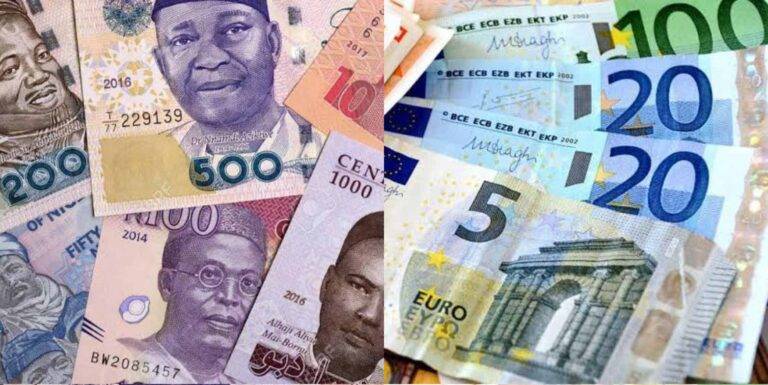
BLACK MARKET RATES
US DOLLAR (USD) Buy ₦1,405 Sell ₦1,415
GREAT BRITISH POUND (GBP) Buy ₦1,900 Sell: ₦1,930
EURO (EUR) Buy ₦1,585 Sell ₦1,610
CANADIAN DOLLAR (CAD) Buy ₦1,020 Sell ₦1,080
SOUTH AFRICAN RAND (ZAR) Buy ₦75 Sell ₦90
UAE DIRHAM Buy ₦350 Sell ₦370 CHINESE YUAN Buy ₦190 Sell ₦205
GHANA CEDI (GHS) Buy ₦95 Sell ₦110
WEST AFRICAN CFA Buy ₦2, 300 Sell ₦2, 400
CENTRAL AFRICAN CFA Buy ₦2,150 Sell 2,250
AUSTRALIAN DOLLAR Buy ₦800 Sell ₦900
Commercial Bank Exchange Rates
Sterling Bank
Currency Buy Sell
USD / NGN ₦1350.00 ₦1385.00
GBP / NGN ₦1774.08 ₦1861.62
EUR / NGN ₦1514.63 ₦1595.45
ZAR / NGN ₦80.34 ₦84.76
Official CBN Exchange Rates
US DOLLAR (USD) ₦1,365.43
GREAT BRITISH POUND (GBP) ₦1,816.05
EURO (EUR) ₦1,552.88
SWISS FRANC (CHF) ₦1,667.11
JAPANESE YEN (JPN) ₦8.33
CHINESE YUAN (CNY) ₦201. 66
WEST AFRICAN CFA (XOF) ₦2. 36
WEST AFRICAN UNIT ACCOUNT (WAUA) ₦1,847.10
SAUDI RIYAL (SAR) ₦363.74
SOUTH AFRICAN RAND (ZAR) ₦81.54
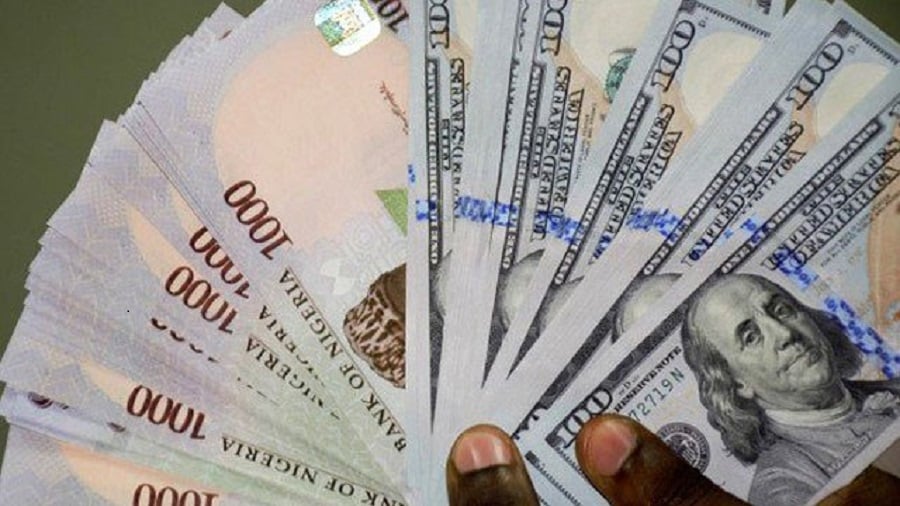
BLACK MARKET RATES
US DOLLAR (USD) Buy ₦1,405 Sell ₦1,410
GREAT BRITISH POUND (GBP) Buy ₦1,880Sell: ₦1,900
EURO (EUR) Buy ₦1,570 Sell ₦1,590
CANADIAN DOLLAR (CAD) Buy ₦1,020 Sell ₦1,080
SOUTH AFRICAN RAND (ZAR) Buy ₦75 Sell ₦90
UAE DIRHAM Buy ₦350 Sell ₦370 CHINESE YUAN Buy ₦190 Sell ₦205
GHANA CEDI (GHS) Buy ₦95 Sell ₦110
WEST AFRICAN CFA Buy ₦2, 300 Sell ₦2, 400
CENTRAL AFRICAN CFA Buy ₦2,150 Sell 2,250
AUSTRALIAN DOLLAR Buy ₦800 Sell ₦900
Commercial Bank Exchange Rates
Fidelity Bank
Currency Sell
USD / NGN ₦1375.00
GBP / NGN ₦1863.40
EUR / NGN ₦1596.10
Official CBN Exchange Rates
US DOLLAR (USD) ₦1,362. 21
GREAT BRITISH POUND (GBP) ₦1,814.05
EURO (EUR) ₦1,550.19
SWISS FRANC (CHF) ₦1,665.29
JAPANESE YEN (JPN) ₦8.32
CHINESE YUAN (CNY) ₦201. 32
WEST AFRICAN CFA (XOF) ₦2. 39
WEST AFRICAN UNIT ACCOUNT (WAUA) ₦1,867.90
SAUDI RIYAL (SAR) ₦362.87
SOUTH AFRICAN RAND (ZAR) ₦81.28


FG Availing ₦3.6bn to 200,000 Tailors Nationwide

Naira Exchange Rates To Foreign Currencies Wednesday, July 29

Real Madrid generate €1.2bn revenue despite failing to win a trophy

Tech Expert, Zuckerberg trains with UFC champions, Adesanya, Alexander

Organ Trafficking: Ekweremadu bags 10 years in UK prison

SAINT OBI: Between his marriage and his death
-
 Business2 days ago
Rural Electrification Agency targets 3.7GW solar manufacturing to close Nigeria’s power gap
-

 Sports2 days ago
Saudi’s Club Al-Ittihad Table €10.5m Bid For Super Eagles Captain Ndidi
-
 Business2 days ago
Naira Exchange Rates To Foreign Currencies Monday, July 27
-

 Business2 days ago
Phillips Consulting Report Ranks Enugu Nigeria’s Fastest Improving State
-
 Business2 days ago
IMF Warns of AI Financial Shocks Across Institutions, Markets
-
 Business2 days ago
Nigerian Exchange Emerges Top In Africa By Dollar Values
-
 Politics2 days ago
Why I committed to one term presidency – Peter Obi
-

 International2 days ago
Spain and France wildfires force more than 300,000 to flee as Macron calls crisis meeting