
Health
140,000 Children Under Age 14 Living With HIV in Nigeria -UNAIDS

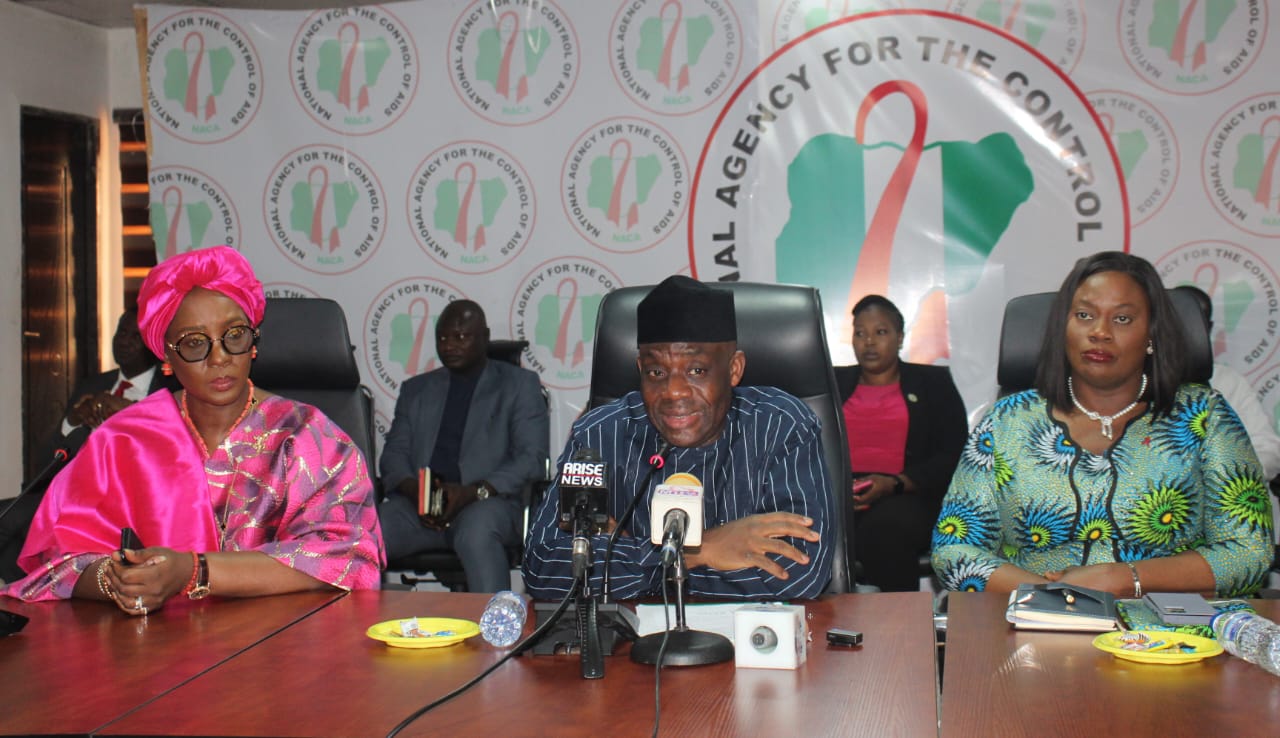
MOH, NACA Launches PMTCT and Pediatric AIDS Acceleration Plan Committee
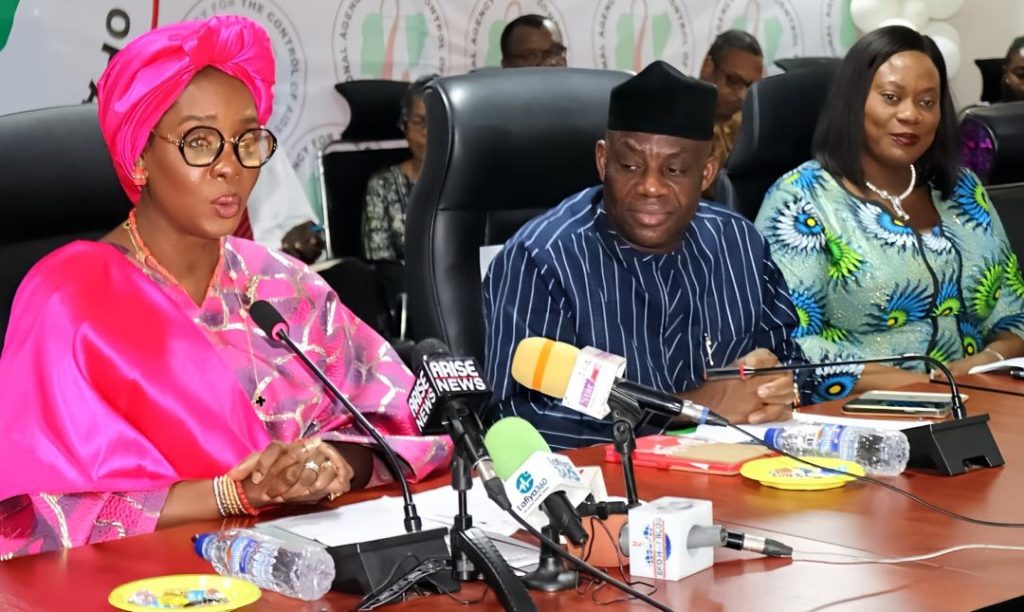
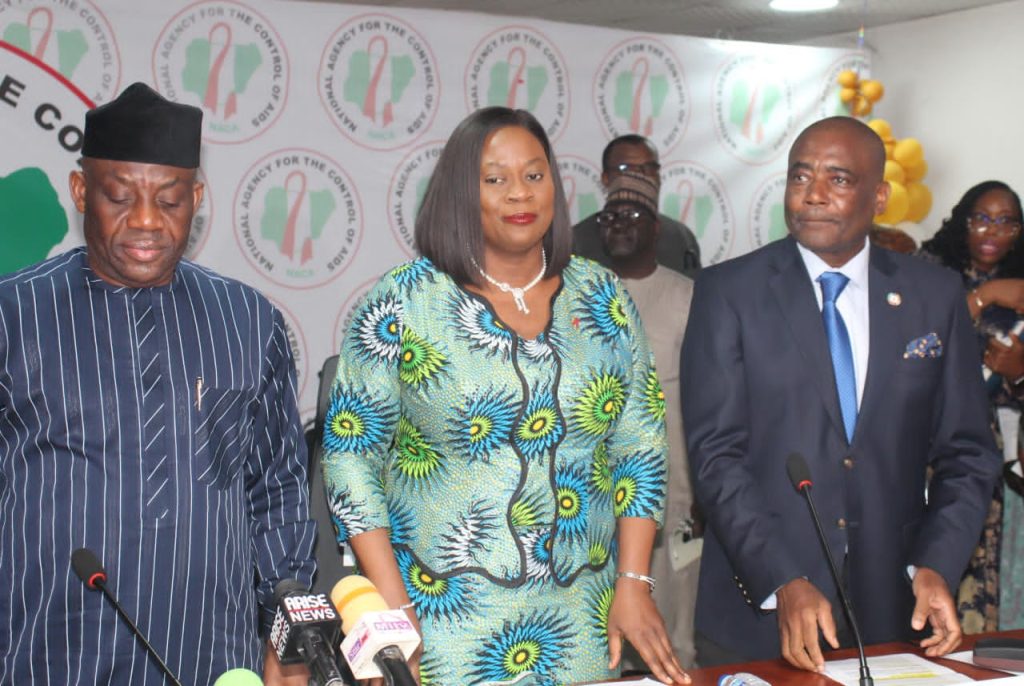
The Federal Ministry of Health, in partnership with the National Agency for the Control of AIDS (NACA) has launched the Prevention of Mother-to-child transmission(PMTCT) and Pediatric AIDS Acceleration Committee at a landmark event in Abuja.
In 2021, national and state-level consultations led to the development of Nigeria’s Global Alliance to End AIDS in Children Action Plan which was designed to scale up PMTCT efforts and pediatric HIV addressing the coverage gaps but despite the comprehensive strategy and accompanying financial commitment, PMTCT and pediatric HIV coverage has remained critically low.
In her welcome remarks, the Director General of NACA, Temitope Ilori noted that Nigeria faces a critical challenge in preventing mother-to-child transmission (PMTCT) of HIV and ensuring access to care for children living with HIV.
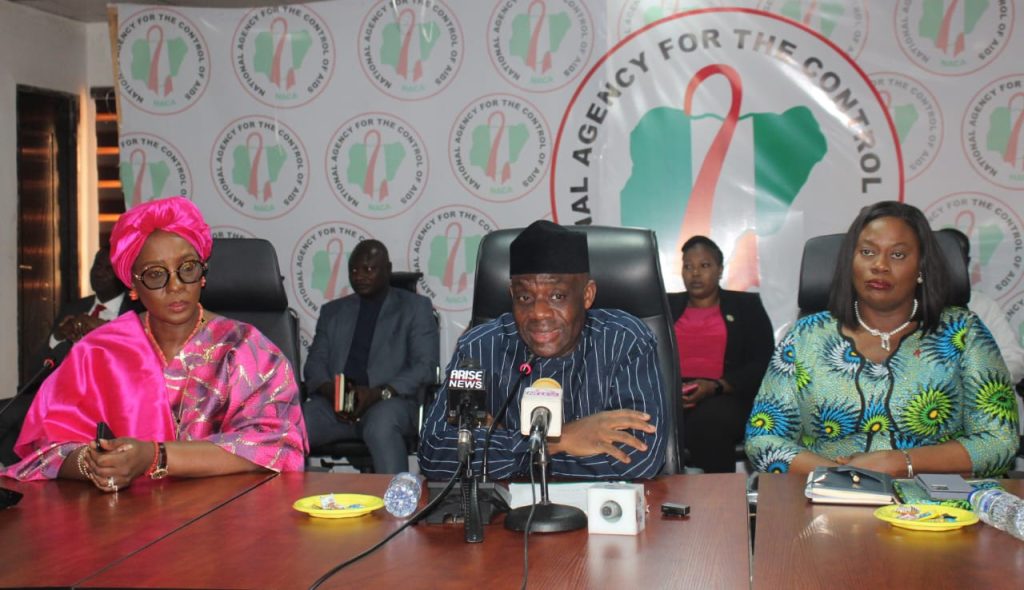
She described the gathering as one that is to provide an oversight to the PMTCT and Pediatric HIV programme implementation while supporting the government-mandated structures to ending HIV and AIDS among children.
“Our epidemiological estimates say 140,000 children under 14 are living with HIV as of 2023, with 22,000 new infections and 15,000 AIDS-related deaths in children.
Current PMTCT and pediatric HIV coverage remain alarmingly low at less than 33%, far short of the 95% target”, she stated.
The NACA DG believes that the infamous narrative of Nigeria’s contribution to the global burden of PMTCT and pediatric HIV can be changed and longs to see that no child is born HIV positive in Nigeria.
Also at the event, The U.S. President’s Emergency Plan for AIDS Relief (PEPFAR) Coordinator Mrs. Funmi Adesanya noted that the US Government through the President’s Emergency plan for AIDS relief has invested more than $8.3bn over the last 21 years to eliminate HIV as a public health threat by 2030 here in Nigeria.
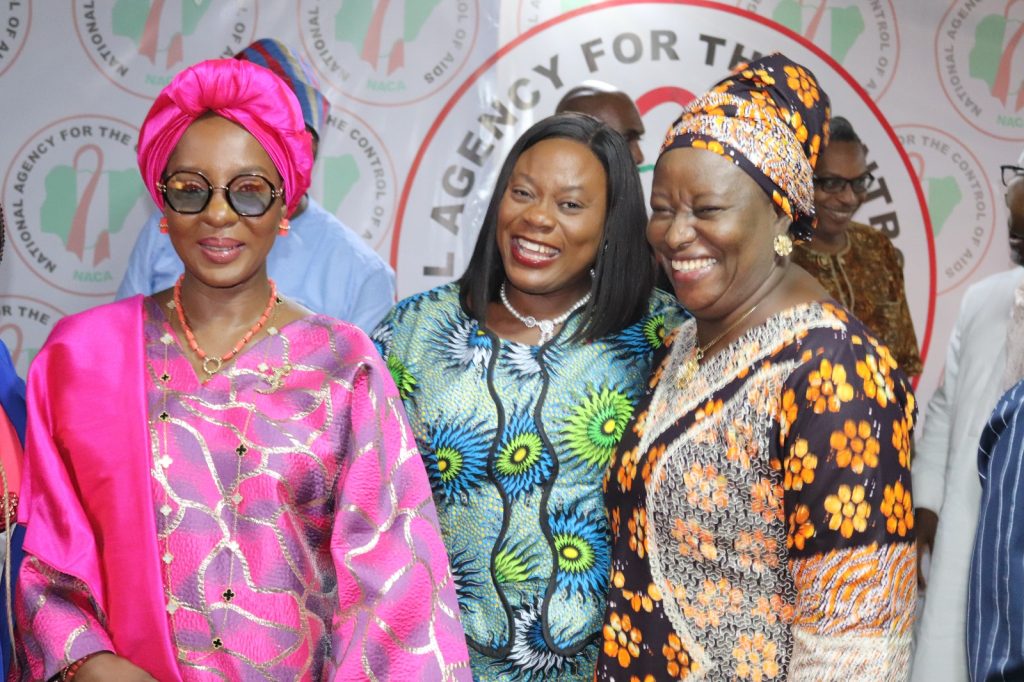
“These resources have been invested in health systems strengthening, health products including ARVs and rapid test kits, Human Resources and surge staff.
“We commend the leadership of the Government of Nigeria for its vision to addressing this urgent issue because it is an emergency.
“No child in Nigeria should be born with HIV and the U.S. Government is committed to our partnership to ensure that this is a reality.
Now is the time and we believe we have the right leadership represented to achieve this goal”, she stated.
In a goodwill message delivered by the first lady of Kwara State and the chairperson of the Nigeria Governors Spouses Forum, Prof. Olufolake Abdulrasaq, she commended the Honourable Minister of State for Health, Dr. Tunji Alausa for giving light foot to the efforts of the government in bridging this gap through the establishment of the committee and believes that such will be put in place at sub national levels as well.
“As critical stakeholders the Nigeria Governors Spouses Forum is committed to supporting this drive with a view to achieving this important national milestone.
“As you may be aware the Nigeria Governors Spouses’ Forum is an organization deeply committed to improving the health and well-being of Nigerians.
The forum has consistently championed and supported initiatives that promote healthcare, education, cancer awareness, and nutrition, as well as those addressing sexual and gender-based violence, drug abuse among women and children, and climate change in our respective states.
“With this event today it is however time to scale up these sensitization exercises by coming out and amplifying the message towards ensuring that AIDS is eliminated from our communities by the year 2030”, she said.
Other guests at the landmark event includes the Coordinating Minister for Health and Social Welfare Prof. Mohammed Ali-Pate, the Honourable Minister for State for Health and Social Welfare Dr Tunji Alausa, the Executive Governor of Kwara State and Chairperson Nigerian Governor’s Forum, Governor Abdulrahman Abdulrasaq ably represented by the Director General Nigerian Governor’s Forum, Dr Lateef Shittu, the Chairperson Commissioners of Health Forum Dr Oyebanji Filani, the Chief Executive of the State AIDS Control Agency Forum Dr Adedayo Adegbolu, the National Coordinator National AIDS, Hepatitis and STI Control Programme Dr. Adebobola Bashorun, the UN Country Director Dr. Leo Zekeng, the National Coordinator Association of Women Living with HIV/AIDS in Nigeria Mrs. Esther Hindi, the Global Fund Country Coordinating Mechanism (CCM) Executive Secretary Mr. Tajudeen Ibrahim, the Country Director, AIDS Healthcare Foundation, Dr. Echey Ijezie, Chief Executives of Partner Organizations and other Senior Government Functionaries


Health
From South Africa to US, ‘Cicada’ COVID-19 variant spreading
According to the latest available data from the health authorities, this variant has been spotted in 23 countries and in wastewater from 25 US states.

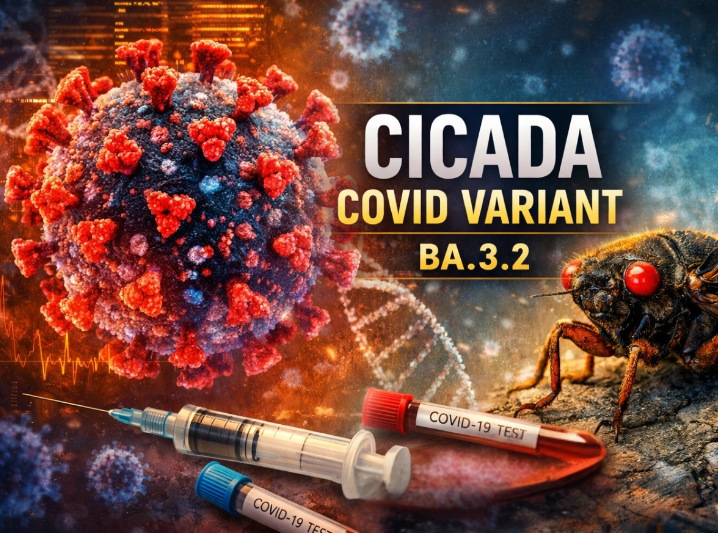
• New Cicada COVID variant detected across US states.
“Cicada” a nickname given to BA.3.2, a COVID-19 variant, is spreading around the world , according to the U.S. Centers for Disease Control and Prevention and the World Health Organization.
Like most other variants, the symptoms of the Cicada variant are the same as those of other COVID-19 variant infections.
According to the CDC, these includes:
Runny or stuffy nose, Fever, Headache, Fatigue, Sneezing, Sore throat,Cough, Muscle pain or body aches Vomiting, Diarrhea, and Changes to the sense of smell or taste.
According to the latest available data from the health authorities, this variant has been spotted in 23 countries and in wastewater from 25 US states.
In November 2024, BA.3.2 popped up in a nose swab of a 5-year-old boy in South Africa, and it looked very different than its parent virus.
It was first picked up in the US last summer, in a traveler from the Netherlands.
In January , the first clinical sample from a sick patient turned out to be BA.3.2.
It appears to be circulating in the US at low levels, although testing has been scaled back since the height of the pandemic, so it may be more widespread than currently known.
Health
Fire Razes Ebonyi Ministry of Health Section
” Different vaccines like BCG, penta, HPV vaccine etc that were all stored in that cold room were burnt”.
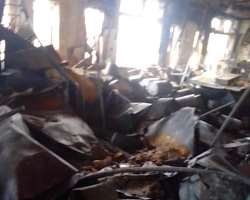
A section of the Ebonyi State Ministry of Health, weekend , was gutted by fire with property worth hundreds of millions of naira destroyed.
The inferno destroyed the cold store housing immunisation and solar units which contained vaccines, vaccine carriers, cold chain boxes, laptops, documents, five refrigerators, two solar refrigerators, 45 solar batteries, inverters, including hospitals beds and foams received from the National Primary Health Care Development Authority (NPHCDA), Abuja, for distribution to local government areas across the state, among others.
The State Commissioner for Health, Dr Moses Ekuma, lamented the disaster and thanked God that no life was lost. He thanked the Commissioner for Power and Energy, the fire service personnel, and the security men who alerted him on time for their prompt response, which made the fire not spread to other parts of the building.
He said, “Different vaccines like BCG, penta, HPV vaccine etc that were all stored in that cold room were burnt”.
Health
Health Workers Protest Against Regulatory Bill
They maintain that all health professions have their regulatory bodies, and that the new bill was seeking to make other health professionals second-class to medical doctors.

Health workers under the Joint Health Sector Unions and the Assembly of Healthcare Professional Associations are protesting against the proposed health sector regulatory bill, which is before the National Assembly.
They said that if allowed to pass, the law would subject every medical profession to the regulation of the Medical and Dental Council of Nigeria.
They maintain that all health professions have their regulatory bodies, and that the new bill was seeking to make other health professionals second-class to medical doctors.
The protesters plan to also go to the National Assembly, where they hope to present their case to lawmakers.


JUST IN: Lagos Fire Service Successfully Contains Two Overnight Fire Incidents iin Lagos

Three Killed, One Injured in Fresh Jos Attack (Video)

Onyejeocha resigns as Minister of State for Labour

Tech Expert, Zuckerberg trains with UFC champions, Adesanya, Alexander

Organ Trafficking: Ekweremadu bags 10 years in UK prison

SAINT OBI: Between his marriage and his death
-
 Business3 days ago
33 Nigerian Banks Beat CBN’s Recapialisation with ₦4.65trn Combined Capital Base
-

 Politics3 days ago
BREAKING: INEC Withdraws Recognition of David Mark’s ADC
-

 Sports3 days ago
FirstBank Sponsors Samuel Okwaraji U-16 Football Championship 2026
-

 News3 days ago
JUST IN: Tinubu Heads to Jos Tomorrow, Postpones Ogun Trip for 5-State Visits
-

 News3 days ago
Easter: FG declares Friday, Monday public holidays
-

 Entertainment3 days ago
Super Eagles Iwobi to launch music album ‘More To Life’
-

 News3 days ago
Gas Leak in Ogun School: 30 Students, Teacher Hospitalised
-

 Politics3 days ago
Arise News Anchor Ikokwu in Political Race for Reps Seat