
Health
Kogi Rises to 10th Position in 2025 Health Preparedness Index

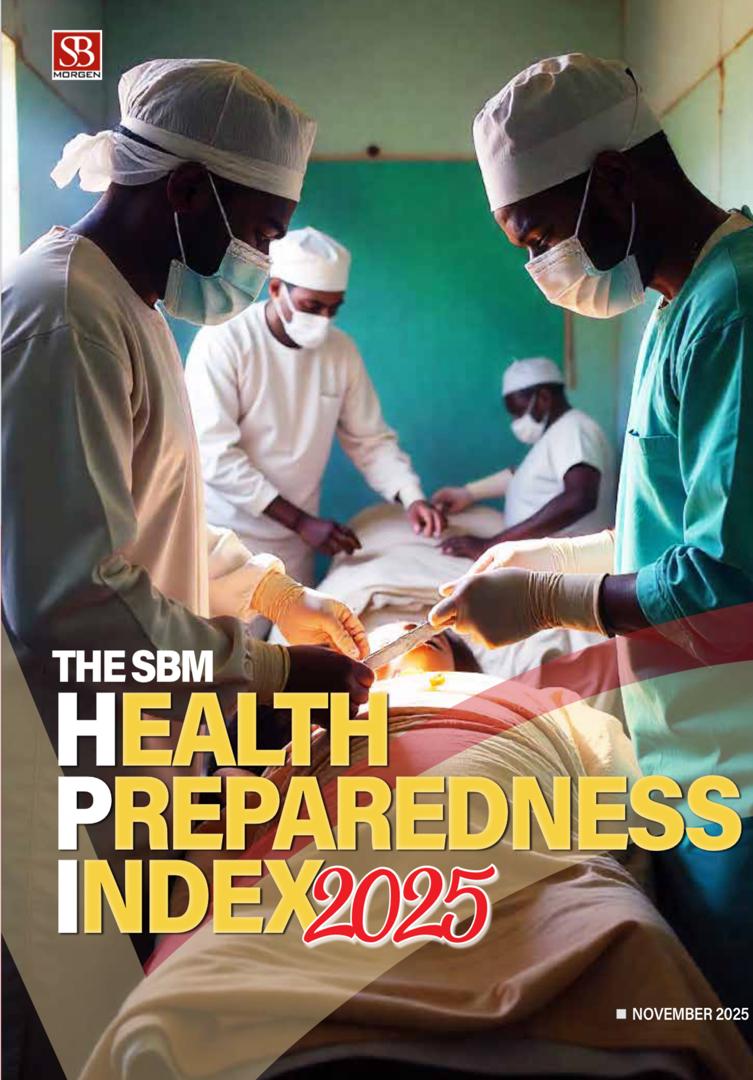
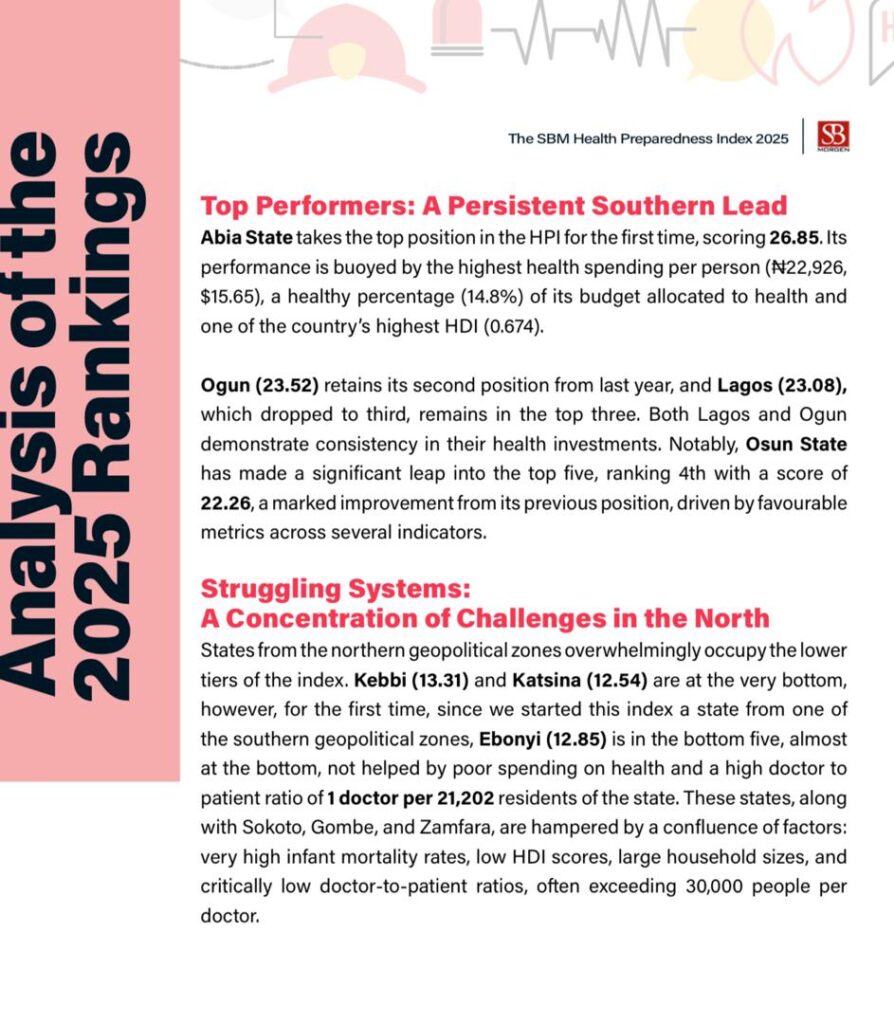
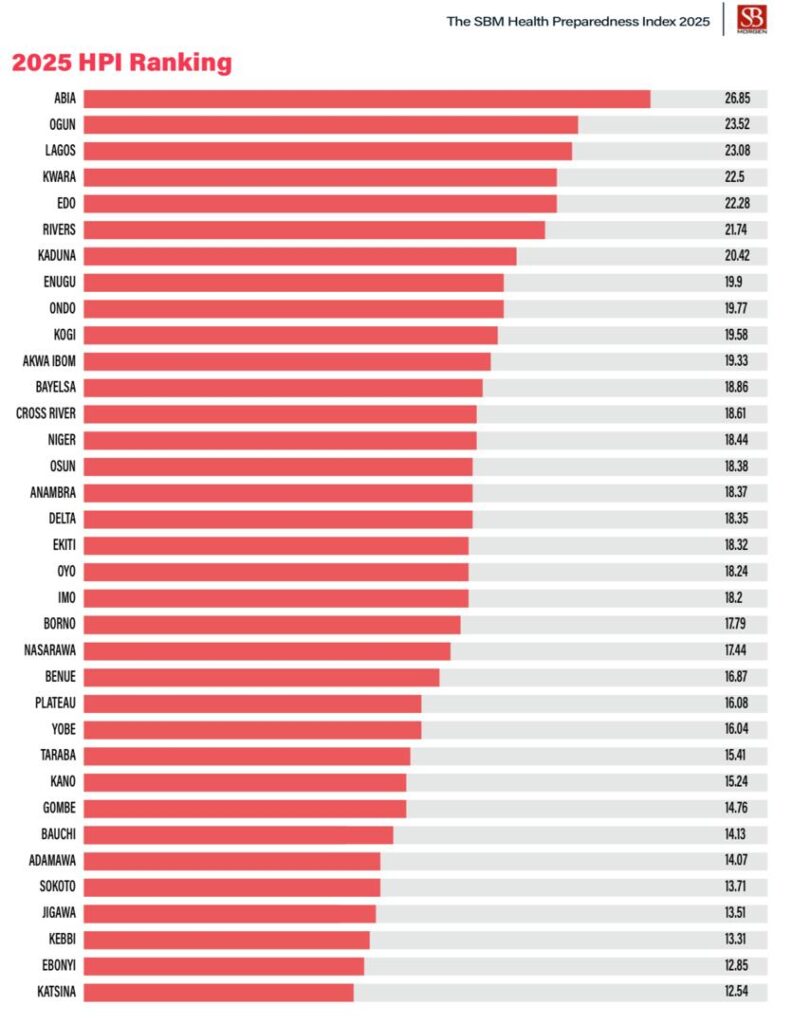
Kogi State has recorded a remarkable leap in its healthcare readiness, climbing from the 18th position in 2023 and 2024 to the 10th position in the 2025 SBM Health Preparedness Index (HPI).
The SBM Health Preparedness Index assesses the capacity of Nigeria’s 36 states to effectively respond to health emergencies and deliver quality healthcare services. The annual report draws data from credible national and international institutions including the National Bureau of Statistics (NBS), World Health Organisation (WHO), The Lancet, Nigeria Demographic and Health Survey (NDHS), BudgIT, The Cable, the Faculty of Medical Sciences of Radboud University, and the Global Data Lab.
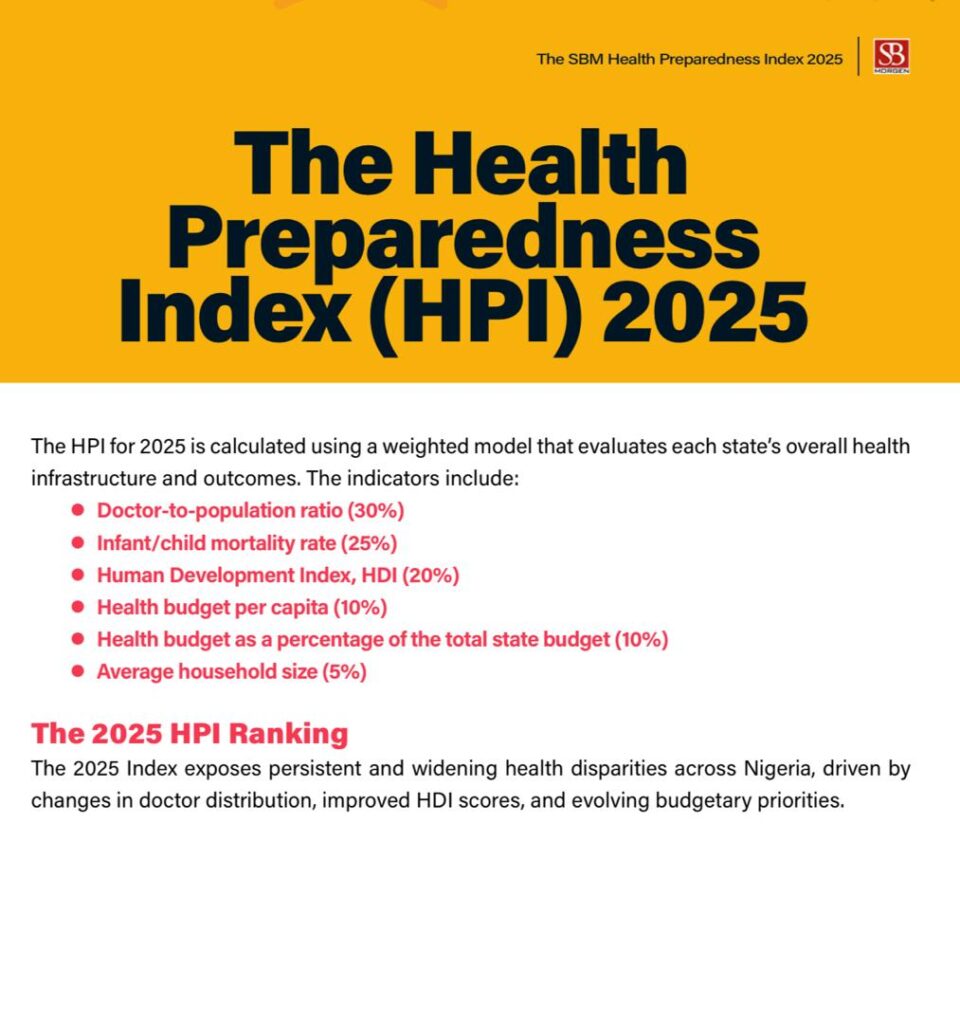
The index evaluates key indicators such as budgetary commitments, human resource capacity, and health outcomes, using the most recent available data.
Although no state in the country met the 30 percent national target for health preparedness, Kogi’s advancement represents a significant step forward in its healthcare reform journey. The improvement reflects the Ododo administration’s sustained investments in healthcare infrastructure, personnel development, and community-based health delivery.
Speaking on the development, the Coordinating Commissioner for Health, Dr. Abdilazeez Adeiza Adams, described the improvement as “a testament to the strategic leadership of Governor Ahmed Usman Ododo and the dedication of the health workforce in Kogi State.”
He assured that the State Government remains “fully committed to strengthening the health system to achieve universal health coverage, enhance emergency response capacity, and surpass national benchmarks in the coming years”.
“This is an encouraging development, but we are not relenting. We are scaling up investments in primary healthcare, training more professionals, and expanding access to quality medical services across all local government areas. Our ultimate goal is to make Kogi a model of resilience and efficiency in Nigeria’s health sector,” Dr. Adams said.
Also commenting on the report, the State Commissioner for Information and Communications, Hon. Kingsley Femi Fanwo, said Kogi State continues to shine in healthcare delivery under the leadership of Governor Ahmed Usman Ododo.
“This is a positive response to the challenge posed to the Coordinating Commissioner for Health, Dr. Abdilazeez Adeiza Adams, to move Kogi up from the 18th position she occupied in 2023 and 2024. The Ministry has done the needful, and now the Governor has further challenged the Health Team to push Kogi even higher,” he stated.
Hon. Fanwo added that the development reflects the tangible outcomes of the administration’s people-centered policies.
“Our investment in health is paying off. This is the real measure of development, when governance directly improves lives and strengthens our health sector capacity”, he asserted.









Health
Millions of bedbugs crawl out of mattresses and walls in huge outbreak
Bedbugs can enter homes on clothes, luggage, or second hand furniture – and “hide” in mattresses or walls, according to the NHS.


Millions of bedbugs were crawling out of mattresses in what a pest controller said was the worst outbreak he had seen in 38 years.
They were even in the walls and under the wallpaper, with the mattresses and bed frames needing to be incinerated.
Cardiff pest controller Gareth Davies had to wear full protection as his team tackled the problem in the Canton area of the city, using a specialist vacuum cleaner to collect millions of the bugs.
It came after they had tackled a large cockroach outbreak last month in a scene he likened to a horror movie.
“This house was just horrific,” he told BBC Radio Wales Breakfast.
“Hundreds of thousands of them when you lifted the mattresses up.
“They were coming out of the wallpaper, it was horrendous.”
Bedbugs can enter homes on clothes, luggage, or second hand furniture – and “hide” in mattresses or walls, according to the NHS.
Credit: BBC
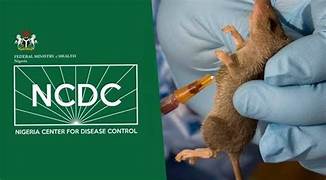
The Nigeria Centre for Disease Control and Prevention (NCDC) has confirmed that Lassa fever has claimed 259 lives and infected 1,086 people across 24 states and 118 local government areas so far in 2026.
In its latest Lassa Fever Situation Report for epidemiological week 36 (August 31 to September 6), the agency said the figures represent a case fatality rate of 23.9 percent — significantly higher than the 18.6 percent recorded during the same period in 2025.
Twelve new confirmed cases were recorded in week 36, a decline from the 18 cases reported the previous week. The fresh infections were detected in Ondo, Edo and Kogi states.
Five states continue to bear the heaviest burden, accounting for 87 percent of all confirmed cases this year: Bauchi, Ondo, Taraba, Benue and Edo. People aged 21 to 30 remain the most affected age group.
The NCDC noted that no new infections among healthcare workers were recorded during the latest reporting week. The agency continues to urge the public to maintain hygiene, avoid contact with rodents and their droppings, and seek early medical care if symptoms appear.
Health
Nigerian hospital successfully performs kidney cancer surgery via tele-robotic
The development could reduce the need for Nigerians to travel abroad for specialised medical treatment, thereby reducing expenditure on international travel, accommodation and medical services.
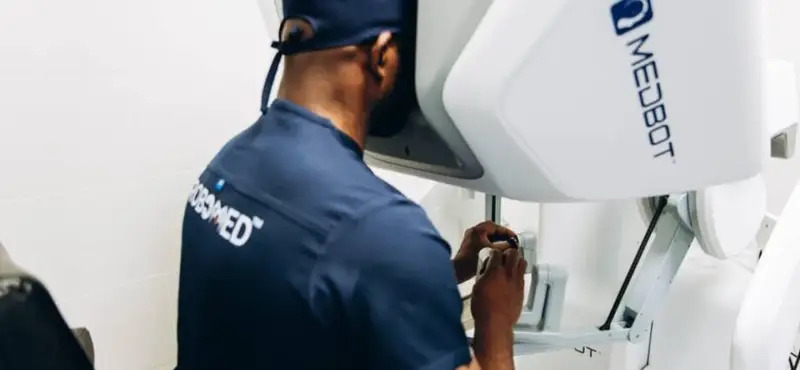
• A surgeon performing tele-robotic surgery.
Nisa Premier Hospital, Abuja, has partnered with RoboMed Global and The Redeemer’s Health Village (RHV) to successfully perform what the hospital described as the first tele-robotic surgery in Nigeria and West Africa.
The landmark kidney cancer surgery was performed on a patient at Nisa Premier Hospital, Abuja, while the surgeon, Professor Obi Ekwenna-Davis, remotely controlled the robotic surgical platform from Redeemer’s Health Village in Lagos.
The procedure, which lasted approximately three hours, was performed to remove a kidney affected by a cancerous tumour.
The hospital said the patient had been discharged following the successful procedure, although details about the patient’s identity and condition were withheld for privacy reasons.
Speaking during an event to mark the milestone, the Chief Executive Officer of Nisa Premier Hospital, Dr Ibrahim Wada, said the development demonstrated the potential of tele-robotic surgery to connect specialist surgical expertise with patients across Nigeria.
Wada said the procedure was carried out using the MicroPort robotic surgical platform installed at Nisa Premier Hospital, with the remote surgeon controlling the system from Lagos.
He said the development could reduce the need for Nigerians to travel abroad for specialised medical treatment, thereby reducing expenditure on international travel, accommodation and medical services.
According to him, the technology also creates an opportunity for Nigerians to access specialised expertise from doctors located in other parts of the world without requiring the doctors to travel physically to Nigeria.
Source: Daily Trust


JUST IN: Mob Sets BRT Bus Ablaze After Motorcyclist’s Death in Lagos

BREAKING: DSS Arrests Fugitive Maina Son, Hands Him to EFCC

BREAKING: 5 Arrested Over Imo NYSC Abduction

BREAKING: Lagos Govt Declares Today, Thursday Work-Free to Mark 2026 Ìṣẹ̀ṣe Day

Tech Expert, Zuckerberg trains with UFC champions, Adesanya, Alexander

Organ Trafficking: Ekweremadu bags 10 years in UK prison
-

 Business3 days ago
NAFDAC scolds fake manufacturers: “You are killing Nigerians in order to make money”
-

 Business3 days ago
Oyedele Chairs G-24 Call for Fairer Global Financial System, Affordable Development Financing
-

 Business2 days ago
Naira Exchange Rates For Thursday, October 15
-
 Sports2 days ago
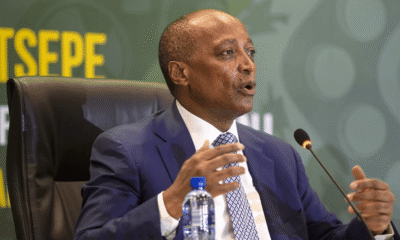
CAF Increases Annual Funding for Member Federations to $700,000
-

 Politics2 days ago
Exclusion of candidates from INEC list: CD cautions INEC against manipulation by politicians
-

 Business1 day ago
Germany plans tax on sugary drinks
-

 News2 days ago
Sanwo-Olu Appoints Olatunbosun Ogunbanwo, 5 Others as Perm Secs
-
 News1 day ago
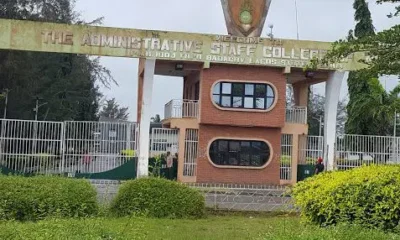
ASCON To Be Rebranded “National School Of Government”