
Crime
Hunting down those who kill people to sell their body parts for ‘magic charms
“I was working with some big, big politicians in Guinea, Senegal and Nigeria. We have our team. Sometimes during election time, at night, this place is full of people.”

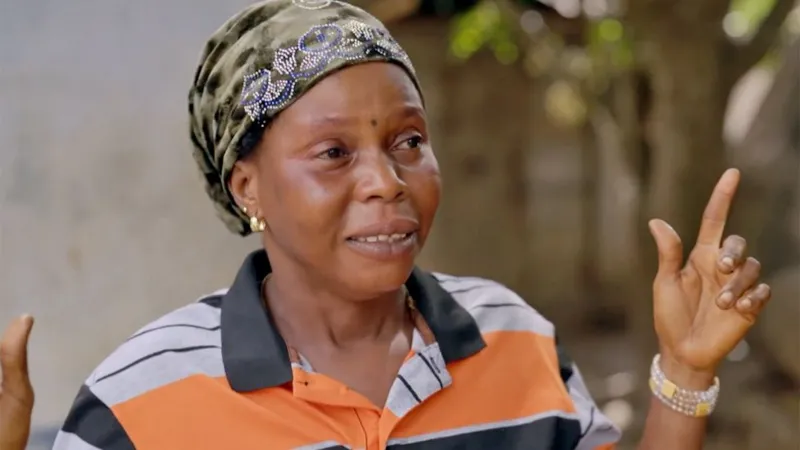
• Picture of Papayo’s mother Sally Kalokoh / BBC.
With many families left traumatised by killings apparently linked to supposed magic rituals in Sierra Leone, BBC Africa Eye looks into those behind the trade in human body parts.
The mother of an 11-year-old boy murdered as part of a suspected black magic killing four years ago is devastated that no-one has yet been brought to justice for his death.
“Today I’m in pain.They killed my child and now there is just silence,” Sallay Kalokoh told BBC Africa Eye, explaining how her son Papayo was found with parts of his body removed, including his vital organs, eyes and one arm.
He had gone out to sell fish at the market and never came back.His family searched for him for two weeks – and finally found his mutilated corpse at the bottom of a well.
“We always tell our children to be careful. If you are selling, don’t go to a corner or take gifts from strangers. It happens frequently in this country,” Ms Kalokoh said.
This murder in my hometown of Makeni, in central Sierra Leone, has haunted me as we often hear of reports of killings linked to black magic, also known as juju, that are never followed up or properly investigated by the authorities.
In Papayo’s case, the police did not even confirm that it was a “ritual killing” – when a person is murdered so that parts of their body can be used in so-called magic rituals by illicit juju practitioners.
They promise things like prosperity and power to clients who pay large sums in the false belief that human body parts can make such charms more potent
.But with the authorities severely under-resourced – there is only one pathologist in a country that has a population of 8.9 million – it is often impossible to gather the evidence needed to track down the culprits.
Belief in witchcraft is also so deeply ingrained in Sierra Leone, even among many police officers, that there is often a fear of pursuing cases further – and most go unsolved.
Our BBC Africa Eye team was able to find two people who claimed they were juju practitioners and offered to obtain body parts for ritual purposes.
Both said they were part of much larger networks – and one boasted that he had powerful clients across West Africa.
The BBC was unable to verify these claims.
One member of our team went undercover, using the name Osman, to pose as a politician who wanted to achieve power through human sacrifice.
We first travelled to a remote area of Kambia district, in the north of the country near the Guinean border, to meet the juju man in his secret shrine – an area in dense bush where he consulted with his clients.
“When Osman specified that he wanted limbs from a woman to be used in a ritual, Kanu got down to business: “The price of a woman is 70m leones [£2,500; $3,000].”
Calling himself Kanu, he wore a ceremonial red mask covering his whole face to conceal his identity and boasted of his political connections.
“I was working with some big, big politicians in Guinea, Senegal and Nigeria. We have our team. Sometimes during election time, at night, this place is full of people,” he claimed.
Election season is regarded by some as a particularly dangerous time when parents have been warned to take special care of their children because of the heightened risk of abductions.
On a second visit, Kanu became more confident and showed Osman what he said was evidence of his trade – a human skull.
“You see this? This belongs to someone. I dried it for them. It is a woman’s skull. I am expecting the person to pick this up today or tomorrow.”
He also pointed to a pit behind his shrine:
“This is where we hang human parts. We slaughter here, and the blood goes down there… Even big chiefs, when they want power, come here. I give them what they want.
“When Osman specified that he wanted limbs from a woman to be used in a ritual, Kanu got down to business: “The price of a woman is 70m leones [£2,500; $3,000].”
Anxious not to put anyone at risk, we did not meet Kanu again. He may have been a scammer, but we handed over our evidence to the local police to investigate further.
Such juju men sometimes refer to themselves as herbalists, the name given to healers who use traditional medicine often made from local plants to treat common illnesses.

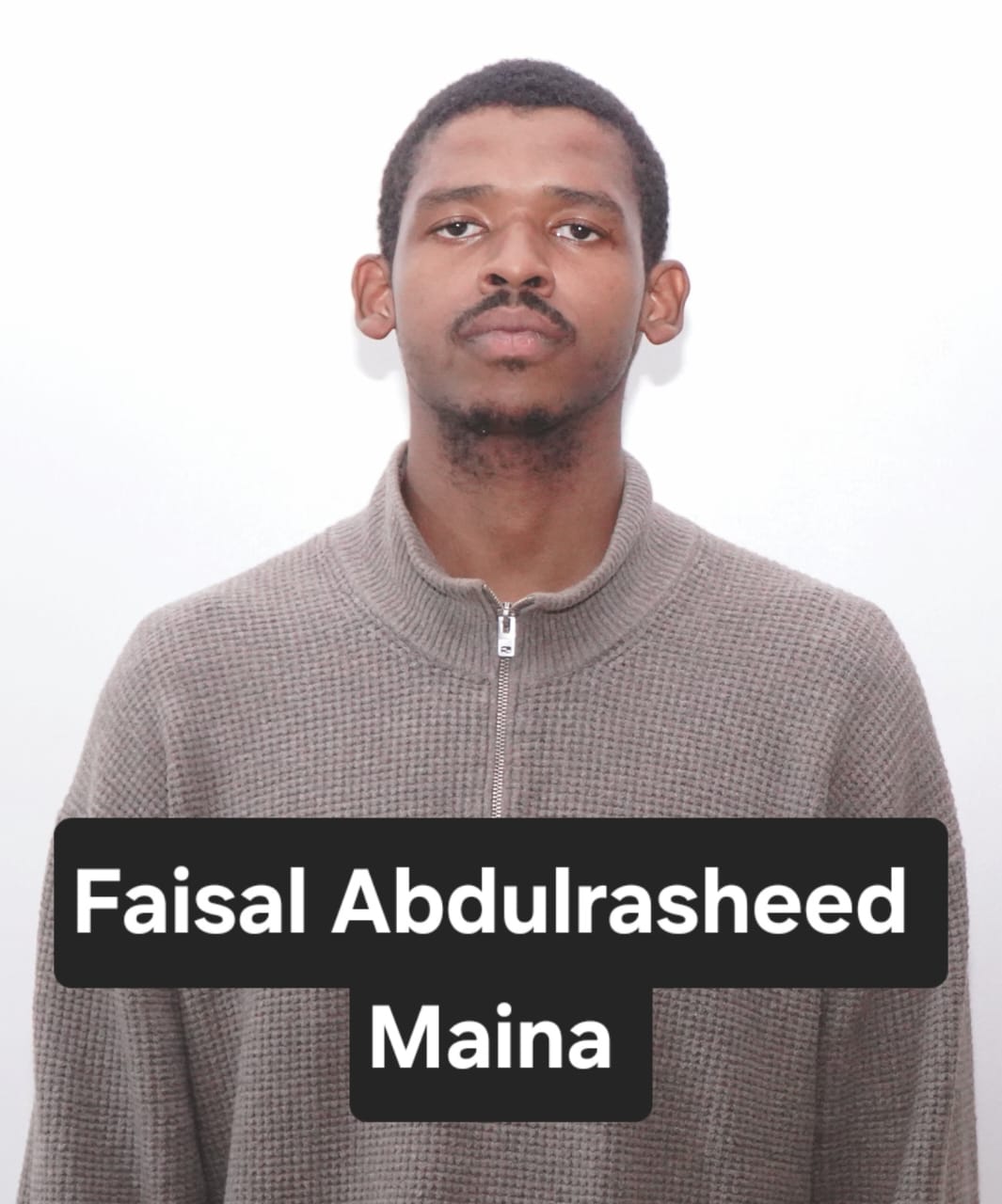
The Department of State Services (DSS) has arrested Faisal Abdulrasheed Maina, the fugitive son of former Pension Reform Task Team chairman Abdulrasheed Maina, and handed him over to the Economic and Financial Crimes Commission (EFCC).
Security sources said Faisal, who had been on the run since 2020, was trailed and apprehended by DSS operatives in the Karsana area of Abuja after intelligence indicated he had secretly returned to the country.
Faisal was earlier prosecuted by the EFCC on a three-count charge of money laundering and conspiracy. He jumped bail and fled the country. His trial continued in his absence, and in 2021 Justice Okon Abang convicted and sentenced him to 14 years’ imprisonment.
The court ordered that he be arrested wherever found in Nigeria and remanded in a correctional centre to serve his sentence. It also directed that, if located abroad, the Federal Government should take lawful steps to secure his extradition.
A source said the handover to the EFCC would facilitate enforcement of the court’s judgment and ensure Faisal serves his prison term.
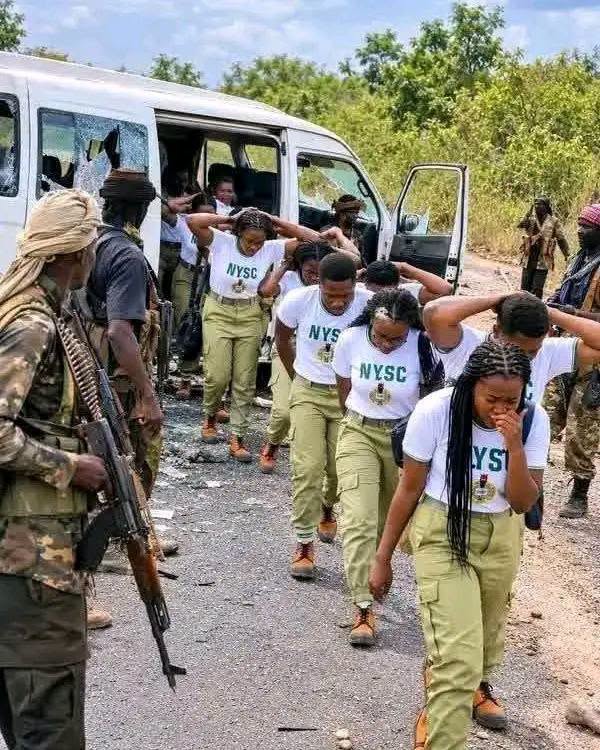
Three others escape with gunshot injuries…..
Operatives of the Department of State Services (DSS), the military and the police have arrested five suspected members of a criminal gang allegedly responsible for the abduction of 20 National Youth Service Corps (NYSC) members in Imo State.
The suspects were apprehended during a series of intelligence-led operations carried out between October 10 and 14 in Port Harcourt, Rivers State, and Aba South Local Government Area of Abia State. Three other suspects escaped during the raids with varying degrees of gunshot injuries.
The 20 corps members were abducted by armed men along the Owerri–Onitsha Expressway in Imo State on October 1, 2026 — Nigeria’s 66th Independence Day — while travelling to their orientation camps in Abia and Akwa Ibom states. They were rescued on October 7 during a joint security operation at Amakohia Ubi Village.
Security sources described the latest arrests as a major breakthrough in the effort to dismantle the network behind the abduction and bring the perpetrators to justice.
“This is a huge sigh of relief. Security agencies have been on a sustained manhunt for the abductors, and we are elated that they have been captured. We strongly believe they will be charged to court by the DSS and the corps members will get justice,” a security source said.
Crime
‘Stop Giving Testimony In Church, And Why’ – Police IRT Commander
The commander cautioned against assuming that everyone attending church had good intentions, urging worshippers to exercise discretion when sharing sensitive personal information in public gatherings.
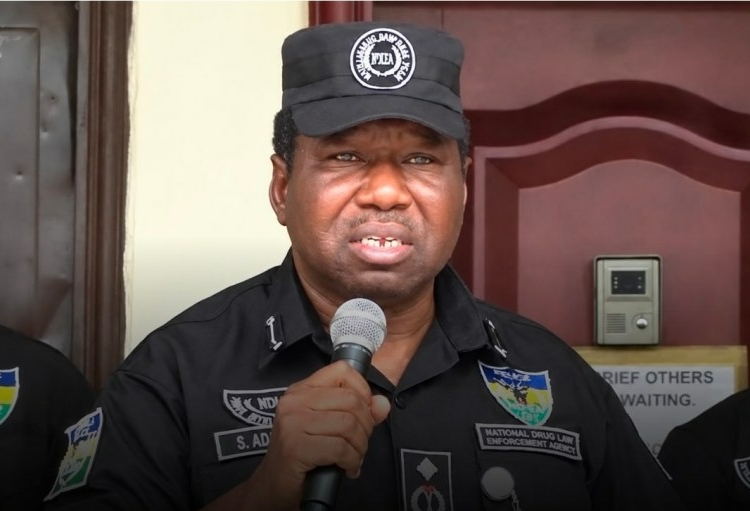
A commander of the Nigeria Police Force Intelligence Response Team (IRT) has cautioned churchgoers against publicly disclosing details of their personal lives and achievements during church services.
The commander gave the warning during an IRT briefing on TV Platinum on Thursday, particularly cautioning worshippers attending evening services at churches on the outskirts of towns.
He said publicly sharing personal achievements before a congregation whose intentions were unknown could make worshippers vulnerable to criminal attacks, particularly when returning home after night services.
“After closing from evening service, such act that they plan will be implemented. You can’t go to a church located on the outskirts, and you go to evening prayer, and close in the evening, coming down to your home, after making testimony of what you have achieved in life,” he said.
The commander cautioned against assuming that everyone attending church had good intentions, urging worshippers to exercise discretion when sharing sensitive personal information in public gatherings.
“It doesn’t conform with common sense and rationality in the midst of gathering of people watching you, thinking that they are all men of God. No. Everybody has his own motive of going to the church,” he said.
The commander further called on churches that hold evening services to strengthen their security arrangements, particularly by monitoring access routes and exits to protect congregants before and after worship.


History of Naira Revaluation and Devaluation (1973–2026) (Part 1)

JUST IN: 1 Dead, 3 Rescued in Fadeyi Building Collapse, Lagos

Obasanjo Accuses Tinubu : “You Made Every Nigerian Poor By 300% Naira Devaluation”

BREAKING: Lagos Govt Declares Today, Thursday Work-Free to Mark 2026 Ìṣẹ̀ṣe Day

Tech Expert, Zuckerberg trains with UFC champions, Adesanya, Alexander

Organ Trafficking: Ekweremadu bags 10 years in UK prison
-
 Business3 days ago
Currency Words You Should Know
-
 Business2 days ago
JPMorgan Eyeing Entry Into Nigeria’s Banking Industry
-

 Business3 days ago
Naira Exchange Rates Wednesday, October 21, 2026
-

 Business2 days ago
NCC, CBN To Warn Companies By Flagging Fraudulent Phone Numbers
-

 Business2 days ago
RMRDC Taking 2027 Africa Raw Materials Summit To Kenya
-
 Health2 days ago
Ebola In Nigeria: Symptoms, Spread and How To Protect Yourself
-
 Health2 days ago
Ebola Outbreak: Don’t Panic, FG Assures Nigerians
-

 Business2 days ago
How I steal ATM users’ PINs, defraud them