
Health
Kano gov signs bills to establish disease control, security agency

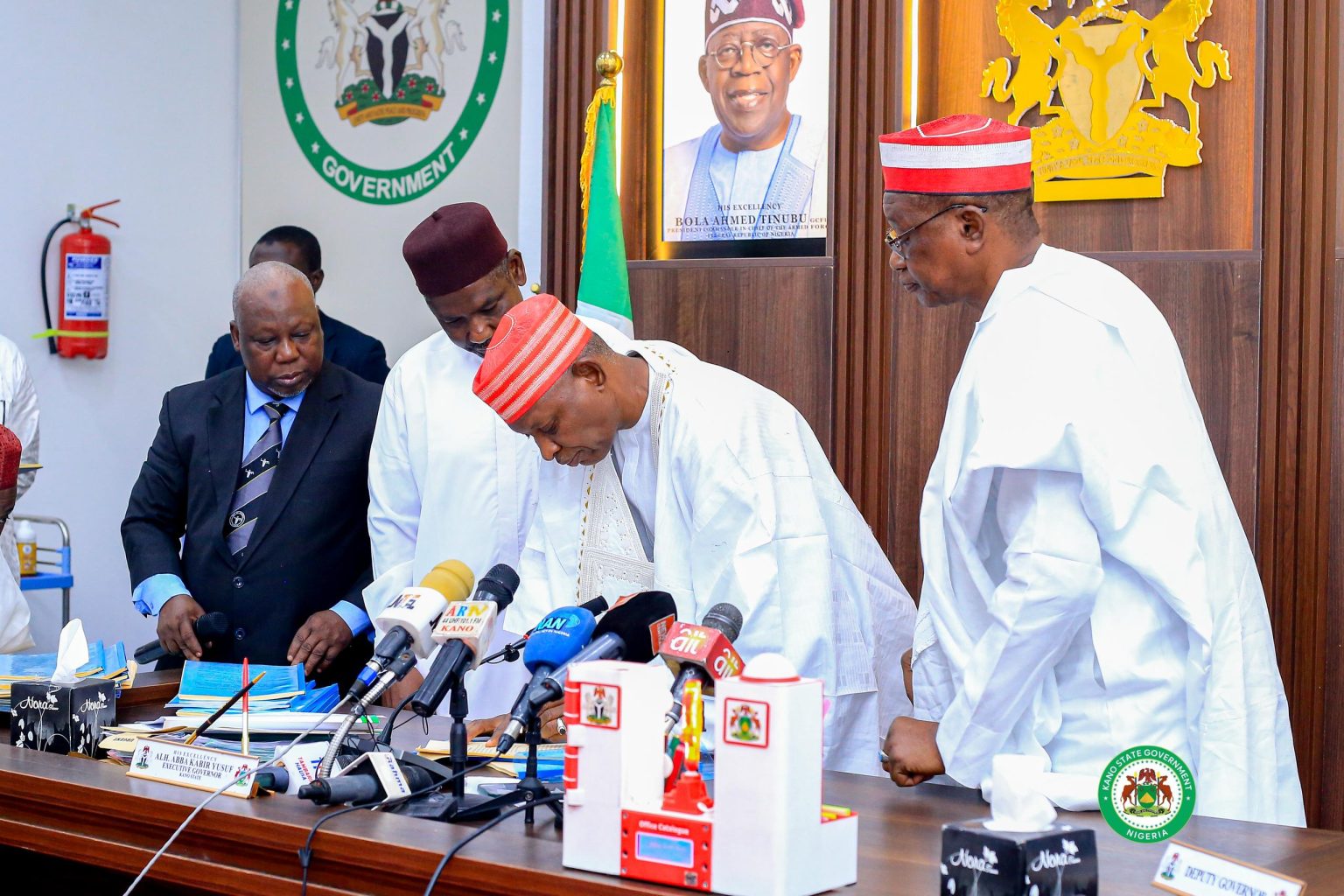
Kano State Governor, Abba Kabir Yusuf, has signed into law the establishment of the state’s Disease Control Agency and the State Security Agency.
The governor signed the bills on Tuesday during the State Executive Council meeting held at the Kano Government House.
Additionally, the governor approved amendments to the law governing the Kano State Transport Agency.
The signing followed the Kano State House of Assembly’s approval of the bills.
During the same Executive Council meeting, Governor Abba honored students from science and technology secondary schools who excelled in various scientific and technological fields.
Among the awardees were Jafar Sani Muhd, who secured first place from Gwale Local Government Area, and Aminu Ado Abubakar, who came second, also from Gwale. Mustapha Nasir Mukhtar, from Bichi Local Government Area, secured third place.
Governor Abba Kabir Yusuf presented the students with various gifts, including computers.
The governor’s spokesperson, Sunusi Bature Dawakin Tofa, also presented to Governor Yusuf the 2024 Kano State Government’s work plan.
Furthermore, Governor Abba Kabir Yusuf received honorary awards from various organizations and institutions, including one from the Bishop Idahosa Foundation.
Health
Ebola: President Tinubu approves N10bn to strengthen NCDC preparedness
This follows the rapidly expanding outbreak that has already killed at least 349 people across the Democratic Republic of Congo and Uganda, with the World Health Organisation declaring it a Public Health Emergency of International Concern.

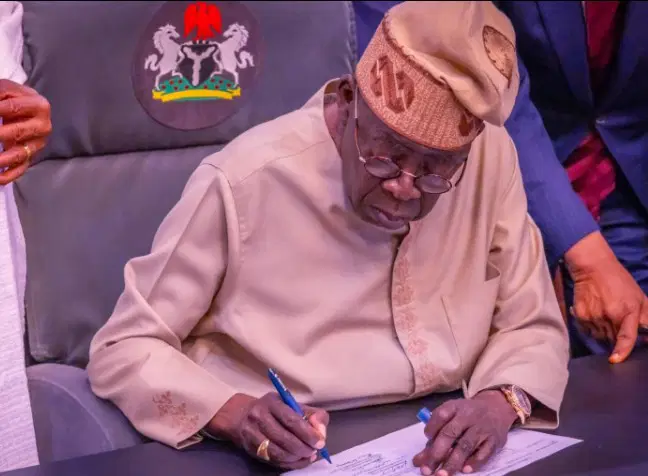
President Bola Tinubu has approved the immediate release of N10 billion to strengthen the operational preparedness of the Nigeria Centre for Disease Control and prevention and support critical national public health emergency response activities.
The President also established a Presidential Task Force on Ebola Virus Disease Preparedness and Control.
This follows the rapidly expanding outbreak that has already killed at least 349 people across the Democratic Republic of Congo and Uganda, with the World Health Organisation declaring it a Public Health Emergency of International Concern.
A statement by the Special Adviser to the President on Information and Strategy, Bayo Onanuga, said the task force would be chaired by the Chief of Staff to the President, Femi Gbajabiamila, with membership drawn from relevant ministries, departments and agencies .
The task force was constituted following a stakeholder meeting convened by Gbajabiamila to review Nigeria’s preparedness.
It was attended by representatives from the Ministry of Interior, the Federal Airports Authority of Nigeria, the Nigeria Immigration Service, the Nigerian Civil Aviation Authority and the Lagos State Government, among others.
Health
Senate passes bill to establish Malaria Elimination Agency
The bill, sponsored by Ned Nwoko, scaled third reading on Wednesday after the Senate considered and adopted the report of its Committee on Health (Secondary and Tertiary), chaired by Ipalibo Banigo.
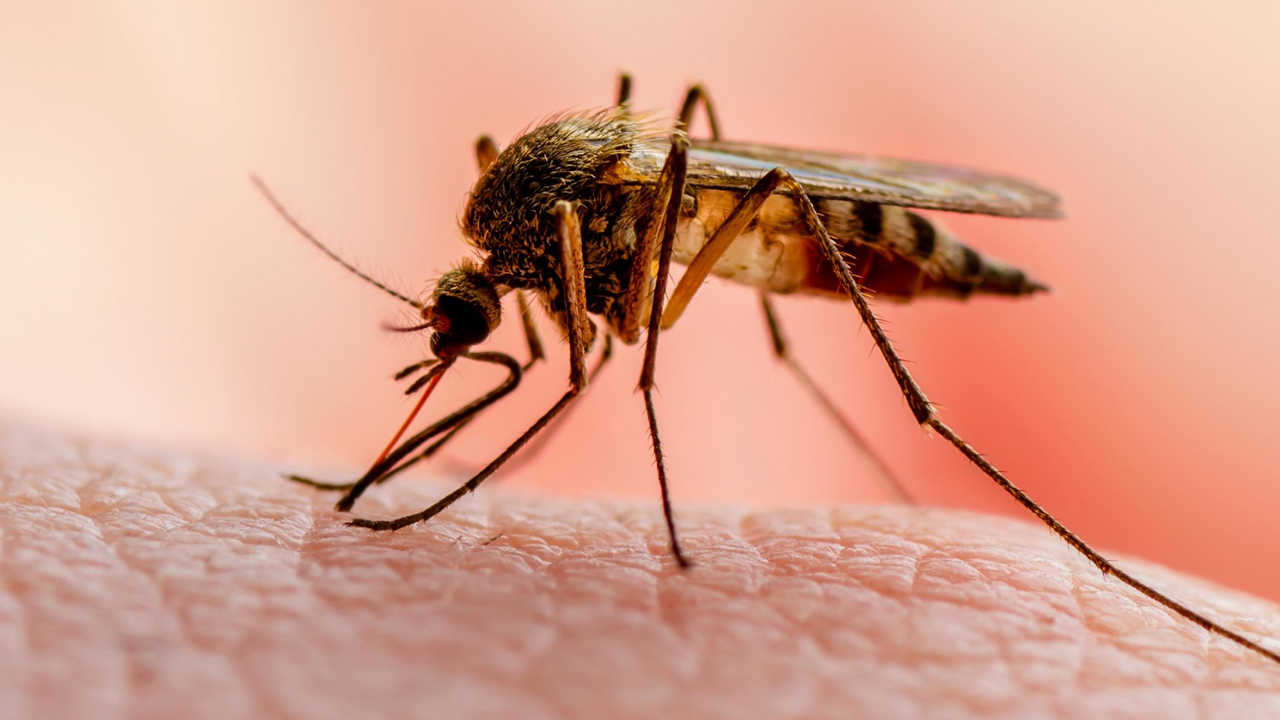
The Senate has passed a bill seeking to establish a National Agency for Malaria Elimination saddled with the responsibility of preventing, controlling and ultimately eliminating malaria in Nigeria.
The bill, sponsored by Ned Nwoko, scaled third reading on Wednesday after the Senate considered and adopted the report of its Committee on Health (Secondary and Tertiary), chaired by Ipalibo Banigo.
Presenting the report on behalf of Banigo, Sampson Ekong said the proposed agency would serve as the central body responsible for coordinating national efforts aimed at preventing, controlling and ultimately eliminating malaria in Nigeria.
The Senate said the agency seeks to mark a shift in the country’s approach to malaria management from treatment-focused interventions to preventive and elimination strategies.
“The agency, when established, will help shift the country’s approach from curative measures to prevention and eventual elimination of malaria,” it stated.
(Source: The SUN)
Health
Cross River restores molecular laboratoy for TB, HIV, Mpox testing
This place is arranged to address issues of TB, HIV and other outbreaks. Mpox, Lassa fever and even Ebola-related surveillance can be handled here. Most of the essential services have now been restored,” he said.
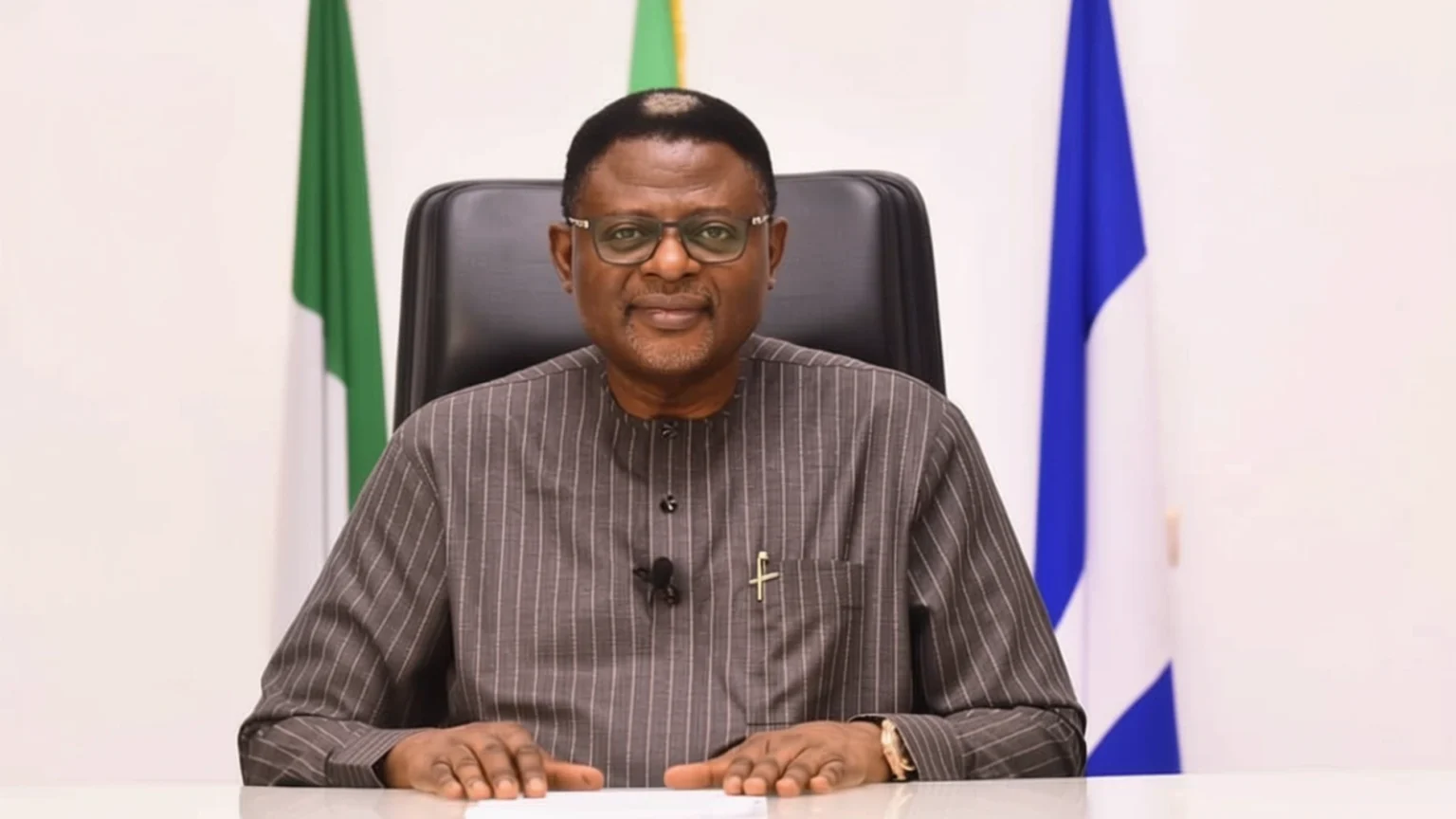
Photo : Governor Bassey Otu of Cross River State
The Cross River State Government has announced that the molecular laboratory services at Dr. Lawrence Henshaw Memorial Hospital now conducts molecular testing for tuberculosis, HIV and Mpox while retaining the capacity to support surveillance and response efforts for emerging public health threats..
The Commissioner for Health, Dr. Egbe Ayuk, disclosed this on Tuesday during an inspection tour of the hospital alongside journalists in Calabar.
Ayuk said that the molecular laboratory, which serves as one of the state’s key public health surveillance centres, has resumed most of its essential functions following rehabilitation efforts supported by the state government and development partners.
“This place is arranged to address issues of TB, HIV and other outbreaks. Mpox, Lassa fever and even Ebola-related surveillance can be handled here. Most of the essential services have now been restored,” he said.
The commissioner explained that although the facility suffered extensive damage during the EndSARS unrest, significant progress has been made in rebuilding critical infrastructure and restoring laboratory operations.


FIFA World Cup Day 2: Canada holds 1-1 Bosnia-Herzegovina

Democracy Still Struggling 33 Years After June 12, PDP Laments by Comrade Ini Ememobong

JUNE 12: President Bola Ahmed Tinubu’s Democracy Day Address (Full Speech)

Tech Expert, Zuckerberg trains with UFC champions, Adesanya, Alexander

Organ Trafficking: Ekweremadu bags 10 years in UK prison

SAINT OBI: Between his marriage and his death
-

 Business3 days ago
UBA wins 2026 ‘Banker Technology’ award for AI innovation
-

 Business2 days ago
Exchange Rates Thursday,11June 2026
-
 Sports3 days ago
Olympic qualifier: Comoros to face Super Falcons following 30-0 victory over Sudan
-
 Business3 days ago
Invest in Lagos 3.0 Summit Attracts more than 600 delegates
-

 News2 days ago
JUST IN: Nigerians evacuated from South Africa arrives Lagos
-

 Politics3 days ago
Bamidele tasks 11th Senate to consider single term for President, govs
-
 Health3 days ago
Ebola: President Tinubu approves N10bn to strengthen NCDC preparedness
-

 News2 days ago
BREAKING: House of Reps Unveils New Minority Leader