News
Dispute stalls Federal Govt, Emefiele plea bargain talks


The suspended Central Bank of Nigeria (CBN) Governor Godwin Emefiele and other top officials of the bank held by the Department of State Service (DSS), may face trial, this is according to the Nation newspaper.
This follows the stalling of the plea bargain move between the Federal Government and the embattled apex bank boss.
The Nation newspaper reported that Emefiele and the affected officials of the apex bank have “not made substantial concessions on some refunds expected from them, while sources said trillions of Naira were being tracked by a federal agency but only a few billions of naira was offered as refundable by some of those linked to the suspicious transactions.
It was gathered that some interceding forces and Emefiele have not made progress on the plea bargain terms.
Despite Emefiele’s offer to step aside in August, the other aspects of plea bargain process were “not substantially met.”
It has also been confirmed that the four deputy governors were dropped because of their alleged complacency when Emefiele was in the saddle at the apex bank.
It was learnt that the Presidency was shocked by the “massive scale of fraud and flagrant violations of the CBN Act,”.
It was also learnt that following interventions, the government’s investigation, initially coordinated by a security agency, had recommended plea bargain option with Emefiele, who wanted it.
Apart from Emefiele offering to step aside, other terms were the withdrawal of court cases against the government and the refund of substantial cash allegedly linked to him and others.
But there were strong indications that the plea bargain option may have suffered a setback.
“The engagement of the Special Investigator has also uncovered more mismanagement of resources and questionable expenditures in CBN than what some security agencies dug up.
A source within the Presidency, said the CBN was stinking. He declined to volunteer information on the plea bargain dimension.
The source said the government might prosecute anyone indicted.
He said: “I don’t know whether plea bargain has collapsed or not. I don’t even know if that is on the table to start with. But I know the CBN Governor and the Deputies have been removed.
“The investigations across board are going on and Iam sure the govt will prosecute anyone who has compromised the country.”
Investigation confirmed that the four deputy governors were replaced because of their alleged complacency.
The Presidency source said none of the deputy governors complained when Emefiele was allegedly mismanaging the CBN.
“Most of the DGs “actively collaborated with Emefiele on policies and decisions not in line with the CBN’s mandate,” he said.
Those affected were Folashodun Adebisi Shonubi (Deputy Gov Operations and Acting Governor); Aisha Ahmad (Deputy Governor, Financial System Stability): Adamu Lamtek (Deputy Gov Corporate Services) and Kingsley Obiora (Deputy Governor, Economic Policy).
The source added: “Investigation is still ongoing. The special investigator sure uncovered a lot of rots which implicated the Deputy Governors.
“There is no way the Deputy Governors would have remained with the scale of corruption, poor corporate governance and complacency that happened under Emefiele.
“Allowing them to remain will mean the government has condoned all that went down under their watch.”
Source: The Nation Newspaper

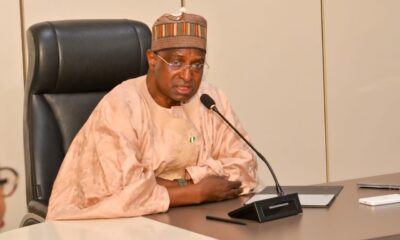

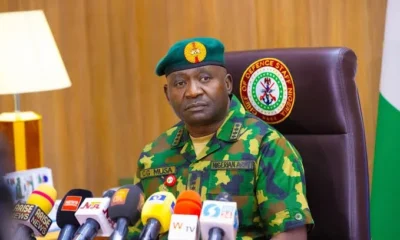



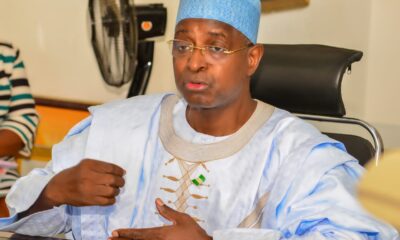


Former Delta State Governor Dr. Emmanuel Eweta Uduaghan is dead. He passed away on the morning of Monday, October 19, 2026, at the age of 71, after a period of illness.
A family statement announced his death, describing it as a devastating loss. Uduaghan, a medical doctor, served as Delta State Commissioner for Health (1999–2003) and Secretary to the State Government (2003–2007) before becoming governor from 2007 to 2015. He was known for contributions to infrastructure and human capital development in the state.
Delta State Governor Sheriff Oborevwori has expressed deep sadness over the passing. In a condolence message, he described Uduaghan as a detribalised leader whose service left a lasting mark on Delta State.
Oborevwori extended heartfelt condolences to Uduaghan’s wife, Roli, his children, the Uduaghan family, the Itsekiri nation, and the people of Delta State, praying for the peaceful repose of his soul.
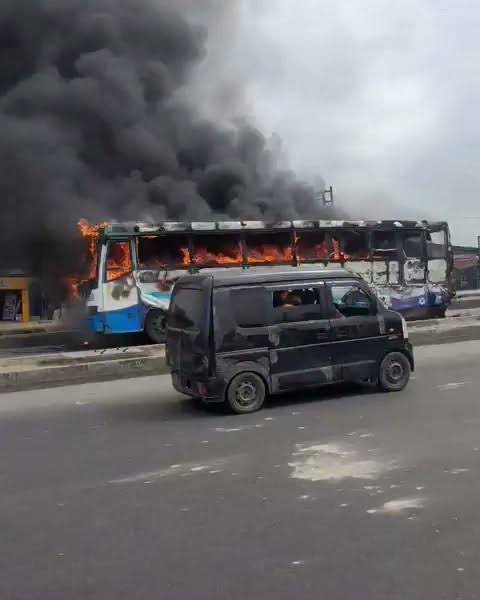
An angry mob has set a Bus Rapid Transit (BRT) bus on fire after it reportedly crushed a commercial motorcyclist to death at Ogolonto Bus Stop along Ikorodu Road in Lagos State.
The incident occurred on Friday, October 16, 2026. Eyewitness accounts and social media reports indicate that the motorcyclist was riding alone along the restricted BRT lane when the collision happened. He died at the scene.
Enraged residents and youths then attacked the bus driver and set the vehicle ablaze. Police officers and officials of the Lagos Neighbourhood Safety Corps (LNSC), who were nearby, intervened promptly and rescued the driver unharmed.
The identity of the deceased motorcyclist and the exact circumstances of the crash had not been officially confirmed at the time of filing this report. It was also unclear whether any arrests had been made in connection with the burning of the bus.
News
ARISE News Wins Seven Honours At Nigerian Broadcasters Merit Awards
The awards recognised the network’s achievements in television journalism and programming, with ARISE News winning the Best TV Channel (Viewer’s Choice) category.


• ARISE News Anchor and host of What’s Trending Ojy Okpe was named Best Newscaster (TV – Female)
ARISE News has emerged as one of the major winners at the just ended Nigerian Broadcasters Merit Awards (NBMA).
ARISE News won seven honours across television broadcasting, news reporting, presentation and production during the ceremony.
The awards recognised the network’s achievements in television journalism and programming, with ARISE News winning the Best TV Channel (Viewer’s Choice) category.
The network’s flagship breakfast programme, The Morning Show, also won the Best TV Talk Show award, further strengthening its recognition in television broadcasting.
ARISE News Anchor and host of What’s Trending Ojy Okpe was named Best Newscaster (TV – Female).
Rufai Oseni was named Nigerian Broadcaster of the Year (Male), while Vimbai Mutinhiri-Ekpeyong received the Nigerian Broadcaster of the Year (Female) award.
The recognition extended to the network’s newsroom, with Ovieteme George winning Best TV News Reporter (Male) for his contributions to television news reporting.
Behind the camera, Sam Adeyemi received the Best Camera Operator/Cinematographer award, recognising his work in television production and visual storytelling.


BREAKING: Nigeria Confirms First Ebola Case

Mbappé wins Onze d’Or award for 2025/26 season

Ronaldo Gets 30-Day Suspension For Portugal Camp Walkout

BREAKING: Lagos Govt Declares Today, Thursday Work-Free to Mark 2026 Ìṣẹ̀ṣe Day

Tech Expert, Zuckerberg trains with UFC champions, Adesanya, Alexander