
News
Differences Between Properties In Lagos Island And Lagos Mainland

By Dennis Isong
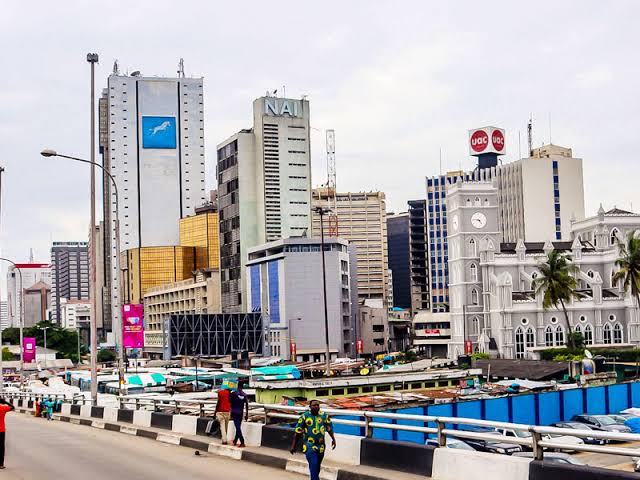
Lagos, the economic powerhouse of Nigeria, is divided into two distinct regions: Lagos Island and Lagos Mainland.
Each region offers unique qualities, economic opportunities, amenities, and investment prospects, shaping the lifestyle and real estate landscape of the city.
While Lagos Island is known for its upscale neighborhoods, commercial hubs, and cosmopolitan allure, Lagos Mainland provides a more diverse and affordable environment with growing industrial and tech sectors.
Understanding the differences between Lagos Island and Lagos Mainland is essential for anyone looking to navigate the city’s dynamic property market, assess economic opportunities, and make informed investment decisions.
This exploration delves into the key aspects that distinguish these two regions, offering insights into their qualities, economic landscapes, amenities, estate prospects, property prices, and investment opportunities.
Qualities of Lagos Island and Lagos Mainland
Lagos Island:Geography: Lagos Island is a part of the Lagos metropolitan area and includes areas like Victoria Island and Ikoyi.
Urbanization: It’s a commercial hub with a mix of modern high-rise buildings and historical architecture. Lifestyle: It is characterized by a fast-paced, cosmopolitan lifestyle with a higher cost of living.
Population: More affluent population, with a higher concentration of expatriates and wealthy Nigerians. Lagos Mainland: Geography: Lagos Mainland encompasses areas like Ikeja, Surulere, and Yaba. Urbanization: It’s more residential and industrial, with a mix of middle to low-income neighbourhoods.
Lifestyle: The lifestyle here is more laid-back compared to Lagos Island, with diverse communities and a broader range of socioeconomic classes.
Population: More diverse and generally less affluent than Lagos Island. Economic Opportunities in Lagos Island and Lagos Mainland Lagos Island: Business Hub: Major financial institutions, multinational corporations, and tech companies have their headquarters here.
Tourism and Hospitality: A hotspot for tourists, with numerous hotels, restaurants, and recreational facilities. Commerce: High-end retail stores, shopping malls, and markets like Balogun Market. Lagos Mainland: Industrial and Manufacturing: Many industrial zones and manufacturing plants are located here. Tech and Startups: Areas like Yaba are becoming tech hubs with a growing number of startups and tech companies. Retail and Services: Numerous small to medium enterprises, retail businesses, and service providers.
Understanding the differences between Lagos Island and Lagos Mainland is essential for anyone looking to navigate the city’s dynamic property market
Amenities in Lagos Island and Lagos Mainland Lagos Island: Healthcare: High-end private hospitals and clinics. Education: Prestigious international schools and universities. Recreational: Luxury gyms, spas, parks, and beaches. Infrastructure: Better roads, reliable electricity, and water supply compared to the Mainland.
Lagos Mainland: Healthcare: Mix of private and public hospitals, with more public health facilities. Education: A range of public and private schools, and several tertiary institutions.
Recreational: Public parks, sports complexes, and community centres. Infrastructure: Generally less developed infrastructure with more traffic congestion and less reliable utilities.
Estate Prospects in Lagos Island and Lagos Mainland Lagos Island:
High-End Developments: Numerous luxury apartments, gated communities, and waterfront properties.
Real Estate Demand: High demand due to commercial importance and affluent lifestyle. Property Trends: Increasing development of high-rise buildings and mixed-use developments.
Lagos Mainland: Residential Developments: More affordable housing options, with a focus on middle-class estates.
Real Estate Demand: Steady demand due to growing population and urban expansion. Property Trends: Development of new residential estates and renovation of older properties.
Property Prices in Lagos Island and Lagos Mainland Lagos Island:
Residential: Significantly higher prices, with luxury apartments and houses ranging from millions to billions of Naira.
Commercial: High rental and purchase prices for office spaces and retail outlets. Lagos Mainland: Residential: More affordable housing, with prices varying widely depending on the area but generally lower than the Island.
Commercial: More affordable commercial properties, with lower rental and purchase prices compared to the Island. Investment Opportunities for Lagos Island and Lagos Mainland Lagos Island:
Real Estate: High return on investment due to premium property prices and constant demand. Tech and Finance: Opportunities in tech startups, fintech, and corporate services. Hospitality and Tourism: Profitable investments in hotels, restaurants, and entertainment.
Lagos Mainland:Industrial and Manufacturing: Investment in factories and production facilities.
Tech and Innovation: Growing tech ecosystem, especially in Yaba. Real Estate: Opportunities in affordable housing projects and commercial properties catering to the middle class.
Lagos, Nigeria, is divided into Lagos Island and Lagos Mainland, each with distinct characteristics and opportunities.
Lagos Island, comprising areas like Victoria Island and Ikoyi, is a commercial and financial hub with a cosmopolitan lifestyle, high-end amenities, and affluent population.
It offers high property prices and substantial real estate investments. Economic opportunities here are concentrated in finance, tech, and hospitality sectors.
In contrast, Lagos Mainland, which includes areas like Ikeja, Surulere, and Yaba, is more residential and industrial, with a broader socioeconomic range.
It features diverse communities, more affordable housing, and growing tech and industrial sectors.
The Mainland provides steady demand for real estate, affordable property prices, and investment opportunities in manufacturing, tech startups, and middle-class housing developments.
▪︎Dennis Isong is a TOP REALTOR IN LAGOS.He Helps Nigerians in Diaspora to Own Property In Lagos Nigeria STRESS-FREE.
For Questions WhatsApp/Call 2348164741041

By Christian ABURIME
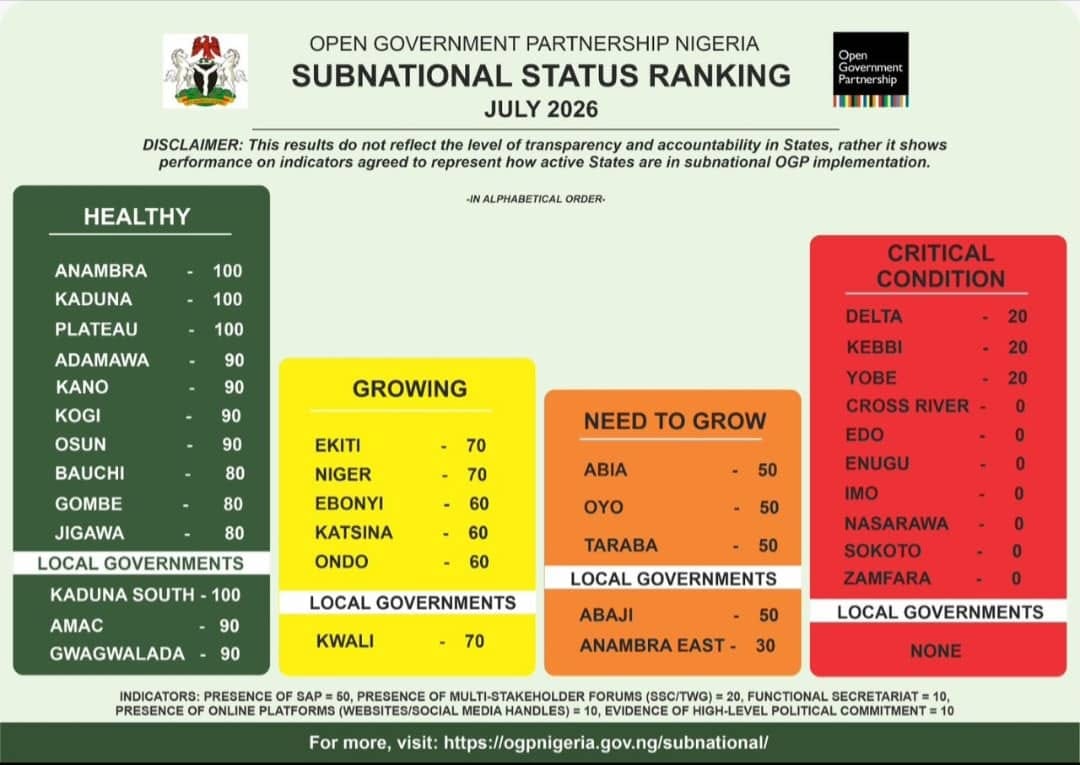
In a strong validation of institutional transparency and accountability, Anambra State has attained the highest possible “100% Healthy” rating in the latest Open Government Partnership (OGP) Nigeria Subnational Status Ranking released in July 2026.
The ranking evaluates participating states across a rigorous nine-point framework that measures genuine openness, accountability, and citizen engagement in governance. Anambra’s perfect score reflects full compliance and strong performance across all assessed criteria, based on verifiable actions rather than declarations.
Under the leadership of Governor Chukwuma Charles Soludo, CFR, the state has embedded a culture of structured governance that prioritises systems, predictability, and measurable results. The OGP assessment highlights Anambra’s political will, resource commitment, and consistent implementation of open government reforms.
“This rating is not an isolated achievement but the natural outcome of a deliberate approach to public administration,” sources familiar with the state’s reforms noted. Governor Soludo’s background as an economist and institution-builder has shaped policies that favour enduring structures over short-term visibility.
The state’s performance aligns with broader gains in service delivery, including notable improvements in primary healthcare that have earned recognition from international partners such as the World Health Organisation (WHO), UNICEF, and Médecins Sans Frontières.
A “100% Healthy” status signals to investors, development partners, and citizens that Anambra’s regulatory, fiscal, and accountability mechanisms are robust and operational. It positions the state as one of the few in Nigeria with independently verified governance architecture that emphasises transparency as a core operating principle.
The OGP framework operates in continuous cycles of commitment, co-creation, and implementation. Officials say Anambra’s leadership is focused on sustaining and deepening these reforms rather than resting on the current achievement.
In a political landscape often dominated by rhetoric, Anambra’s verified success underscores the compounding value of credibility built on measurable processes. The state continues its upward trajectory, reinforcing its reputation for commercial dynamism and sound governance.
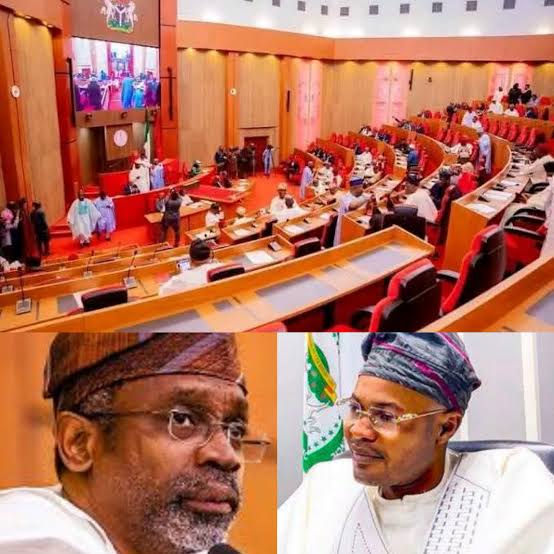
The Nigerian Senate has rejected a motion seeking a full-scale investigation into the controversial allocation of N1.3 billion to the Petroleum Fuel Import Pricing Committee (PFIPC), a decision that has intensified accusations of a cover-up in what is now being called the PFIPC scandal.
The motion, which was brought before the upper chamber on Wednesday, aimed to compel relevant committees to investigate the disbursement and utilisation of the funds. Proponents argued that the allocation raised serious questions of transparency, accountability, and possible mismanagement of public resources at a time when Nigerians are grappling with high fuel prices and economic hardship.
However, the Senate voted against the motion after a heated debate, with a majority of senators opposing the probe. Critics within and outside the chamber have described the rejection as a blatant attempt to shield powerful interests from scrutiny.
Details of the N1.3 billion allocation first emerged in recent weeks, triggering public outrage. Opposition lawmakers and civil society groups claim the funds were released under questionable circumstances with little documentation on how they were spent or what specific objectives were achieved. Some reports suggest the money was meant for subsidy-related activities or price modulation mechanisms, but lack of clarity has only fuelled suspicions of impropriety.
Reacting to the Senate’s decision, Senator [Name], who sponsored the motion, expressed disappointment: “This is a sad day for transparency in governance. Nigerians deserve to know what happened to this money.”
The development comes as the National Assembly faces growing pressure to demonstrate commitment to fighting corruption. Public commentators and activists have taken to social media to condemn the rejection, with many calling for external intervention by anti-graft agencies such as the EFCC and ICPC.
As of now, the executive arm has remained silent on the matter. The Senate leadership has defended its decision, stating that existing oversight mechanisms are sufficient and that not every allegation warrants a full parliamentary investigation.
The PFIPC scandal continues to generate heated debate, with calls mounting for more openness in the management of petroleum sector funds that directly affect the cost of living for millions of Nigerians.
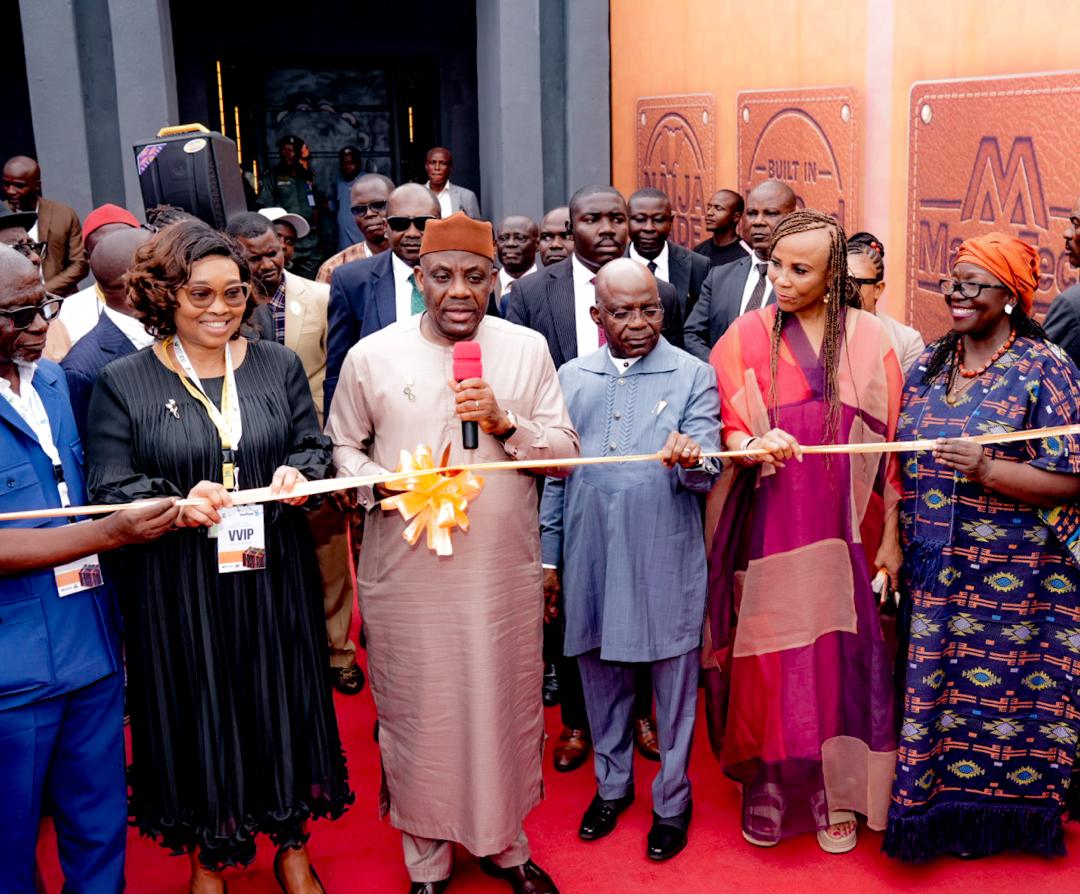
The Federal Government has launched Nigeria’s first Manu-Tech University Innovation Pod at the Michael Okpara University of Agriculture, Umudike, as part of a broader strategy to transform universities into hubs of innovation, manufacturing, entrepreneurship and enterprise development.
The initiative is designed to connect academic research with industry and accelerate economic growth.
Speaking at the launch in Umudike, Abia State, the Minister of Education, Tunji Alausa, said universities must move beyond producing graduates and academic publications to becoming centres that create industries, generate jobs and provide practical solutions to national challenges.
He stressed that education must serve as a catalyst for production, innovation and national prosperity, and
explained that the Innovation Pod aligns with the Renewed Hope Agenda of President Bola Ahmed Tinubu and is the product of collaboration between the Federal Government, the United Nations Development Programme, Tertiary Education Trust Fund, MOUAU and other stakeholders.
“The facility is expected to bring together researchers, students, innovators, manufacturers and investors within a single innovation ecosystem”. the centre integrates emerging technologies including artificial intelligence, advanced manufacturing systems, agro-processing, industrial automation and entrepreneurship”.
“The facility will support the development of ideas from research and design stages through prototyping, production and eventual commercialisation”.
The Minister noted that the location of the Innovation Pod in Abia State is strategic because of its proximity to the renowned Aba manufacturing cluster, creating opportunities to link local enterprise with university research and investment.
He said the initiative would strengthen local manufacturing, promote value addition, create jobs and improve the competitiveness of Made-in-Nigeria products within the African Continental Free Trade Area.
Alausa also disclosed that the Innovation Pod model will be replicated across Nigeria’s geopolitical zones based on regional economic strengths, reaffirming the Federal Government’s commitment to building an education system that equips young Nigerians with future-ready skills, supports research commercialisation and contributes to the nation’s goal of becoming a one-trillion-dollar economy.


Atiku warns Presidency: Nothing must happen to Obi, El-Rufai

ADC Releases Lawyers Engagement Advisory To State Chapters

CBN Urges Public, Businesses Not To Reject N100 Bank Note

Tech Expert, Zuckerberg trains with UFC champions, Adesanya, Alexander

Organ Trafficking: Ekweremadu bags 10 years in UK prison

SAINT OBI: Between his marriage and his death
-

 Politics3 days ago
Jonathan denies ₦500bn offer to challenge Peter Obi
-

 Sports3 days ago
UEFA tackles FIFA over Balogun’s suspension reversal
-

 Business3 days ago
Emmanuel Nnorom takes over as UBA Chairman
-

 Business3 days ago
Dangote Cement targets 20% emissions cut by 2030
-

 News3 days ago
FRSC confirms seven dead in Kogi auto crash
-

 News3 days ago
NGE to host Lateef Jakande 2026 Memorial Lecture: “The Media, INEC, Voters and Path to Credible Elections.”
-

 Sports3 days ago
Gov Sule to sign contracts for five mini-sports centres today
-

 Business2 days ago
BACITI graduates pioneer set of 40 Senior Customs Officers