
International
Lagdom Dam: Nigeria gears up for looming flood disaster

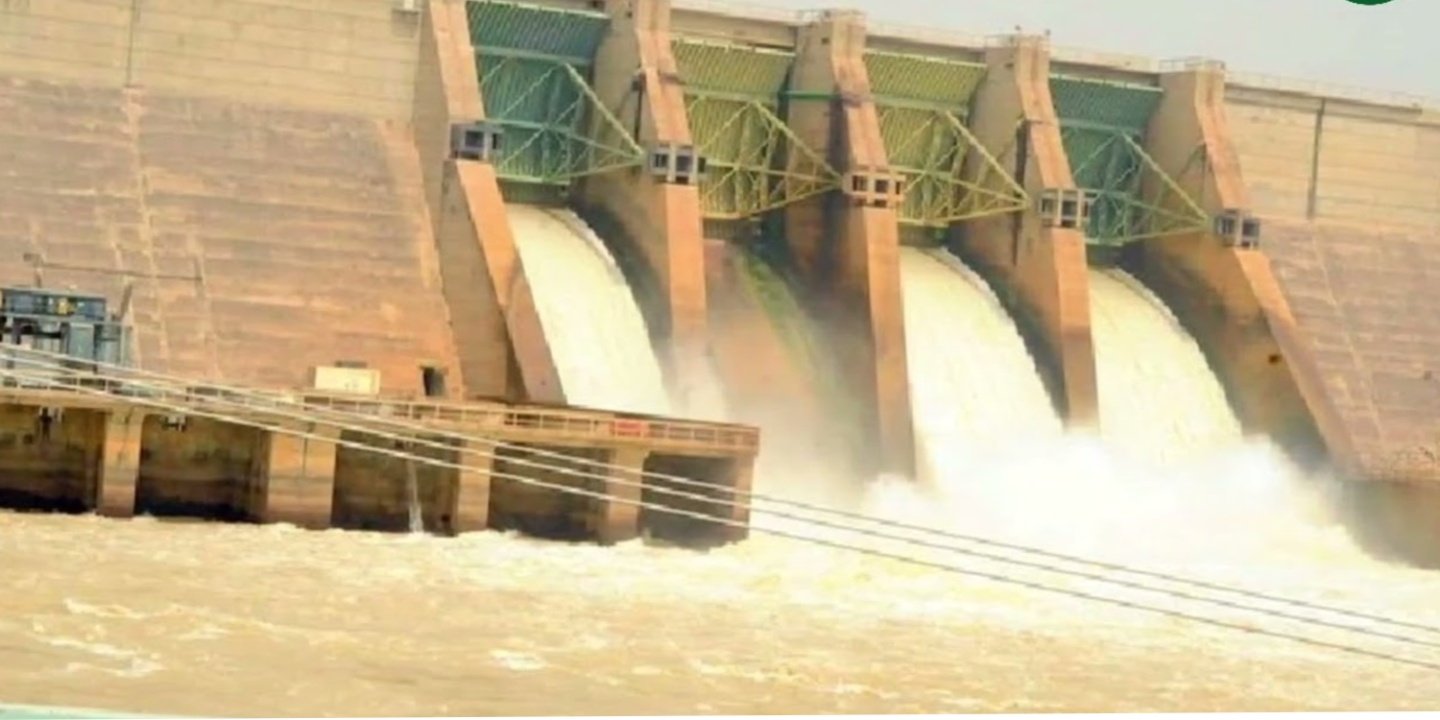
A few days ago, the National Emergency Management Agency, NEMA, alerted Nigerians of impending flooding along the River Benue Basin.
According to the alert, the Cameroonian Government has plans to “open the flood gates of the Lagdo Dam on the Benue River”.
Recall that a Memorandum of Understanding, MoU, was signed in 2016 between Nigeria and Cameroon regarding the release of water from the dam, in which Cameroon will always inform Nigeria before it opens the gates to the dam.
In a letter addressed to Nigeria’s Ministry of Foreign Affairs, the Cameroonian government warned of its intention to release water from the Lagdo dam and asked the agency to take precautionary measures.
Over the years, the massive flooding in many states across the country was attributed to the release of water from the Lagdo Dam.
It was reported that the dam located along River Benue in the Republic of Cameroon has a history of over-flooding some Nigerian states along its navigation ways. These states include Benue, Adamawa, Taraba, Nasarawa, Kogi, Anambra, Enugu, Edo, Delta, Rivers and Bayelsa.
However, in 2019, the dam was opened without prior notification, resulting in flooding in Adamawa, Taraba, Benue, Kogi, and the Niger Delta regions during October and November of that year. There was also flood devastation in 2022, leading to the loss of lives and properties worth billions of naira.
NEMA had recently disclosed in its report that the 2022 flood disaster claimed no fewer than 665 lives, while 2,437,411 and 4,476,867 persons were displaced and affected, respectively.
The agency also announced, “As of August 9, data collated regarding 2023 flooding so far showed that 10 States have been affected, while 33,983 and 7,353 persons were affected and displaced, respectively.
“The breakdown also showed that 75 persons were injured while five deaths were recorded, including 1,679 damaged houses and 866 hectares of damaged farmlands.”
Reacting to the development, NEMA said the notice is not new, noting that it had since informed state governors of impending floods, including that from the Lagdo Dam.
The agency’s spokesperson, Manzo Ezekiel said it was time for the affected state governors to take action and secure lives and properties in collaboration with NEMA.
Ezekiel assured Nigerians that NEMA was working with critical stakeholders, including federal, state and local governments to ensure that the release did not cause negative impacts, asking Nigerians not to fear the opening of the Lagdo Dam.
“Information available from the flow level of River Benue at Nigeria Hydrological Services Agency (NIHSA) gauging station in Makurdi stood at 8.97 meters as of August 25, compared to 8.80 meters on the same date in 2022.
“In contrast, NIHSA has also provided that the flow level of the River Niger system, specifically at Niamey, Niger Republic, remains stable at a normal level of 4.30 meters.
“Similarly, inland dams, including Kainji, Jebba, and Shiroro, reported consistent flow regimes.
“With regards to the hydrological station downstream, the confluence of the Niger and Benue rivers in Lokoja, Kogi are currently within normal limits,” he said.
However, the Lagos State Emergency Management Authority, LASEMA, has restated the state government’s preparedness to tackle any possible emergency from the impending flood.
The Permanent Secretary of LASEMA, Dr Femi Oke-Osanyintolu, disclosed that the state government had provided LASEMA with 144 units of facilities that could accommodate 5,000 Internally Displaced Persons, IDPs, in the event of any emergency.
He noted that Lagos was well prepared, as LASEMA has changed from management to holistic emergency management.
“We have carried out risk analyses, resource mappings, and opened directories in each council to know the vulnerable people in emergencies. All these measures are geared towards ensuring swift, prompt, and effective responses,” he said.
In the same vein, the Delta State government has also expressed its preparedness.
It said it is taking proactive steps to mitigate the effect of flooding in the state, saying it will not hesitate to set up Internally Displaced Persons, IDPs, camps in the event of severe flooding.
“We are already opening drainages and demolishing illegal structures blocking the waterways,” a government official said.
On his part, the president of the Nigeria Society of Engineers, Tasiu Gidari-Wudil, also advised the government to construct flood control dams along the Rivers Niger and Benue to avert flooding that might occur from the opening of the Lagdo Dam.
Gidari-Wudil, in a press conference in Abuja on Monday, called for the dredging of major rivers to reduce siltation and sedimentation.
He lamented that the recommendations by the committees set up by the government after the 2012 and 2022 flood disasters had not been implemented.
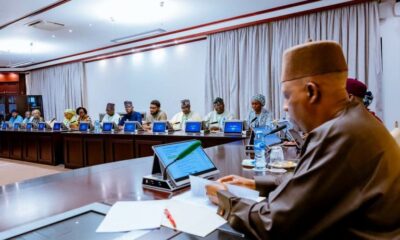
Meanwhile, the Presidential Committee, set up by President Bola Tinubu, says it will implement various policies and rescue missions to mitigate the flood’s impacts from Lagdo Dam.
The Minister of Humanitarian Affairs and Poverty Alleviation, Dr Betta Edu, who spoke at a briefing in Abuja at the instance of the committee, urged the Governors’ Forum to step up actions by ensuring the immediate evacuation of Nigerians from flood-prone communities to safer destinations.
She stated that the President had directed that all relevant ministries meet to find a solution to the flooding issue.
In an interview, an environmental remediation expert, Dr Moses Paul stated that relevant stakeholders should prioritise the safety and well-being of the affected population to mitigate the damage that the flood may cause.
Paul, also the Convener of Free Nigeria Movement/YELL OUT Nigeria, believes that the President and state governors should collaborate with relevant stakeholders and allocate resources effectively to manage the situation to prevent further harm.
According to him, the government should also improve early warning systems for floods, which he said could involve the installation of weather monitoring stations, flood forecasting models, and communication networks to provide timely alerts to vulnerable communities.
The environmental expert also urged relevant stakeholders to ensure that psychosocial support services, including mental health support and counselling services, would be available for those affected by the flood.
“The number one priority of government and leadership anywhere in the world is the focus in ensuring a rapid and effective response, particularly anything that will bring to safety the life and property first and foremost of her citizens.
“Therefore, the major concerns and advice for the Nigerian President and state governors in such a scenario as we face today would include establishing effective communication channels, such as mobile alerts or community networks, to disseminate early warning messages and information to at-risk communities to help ensure timely preparedness and evacuation.
“Ensuring residents’ prompt and safe evacuation in the affected areas is crucial. This includes preparing and coordinating relief efforts to provide food, clean water, medical aid, and other essential supplies to flood victims.
“The long-term should include planning for rehabilitation and reconstruction to aid affected communities in their recovery.
“In addition, it is important to ensure that psychosocial support services are available for those affected by the flood, as many individuals may experience trauma, loss, or displacement. Mental health support and counselling services should be activated to help individuals cope with the emotional and psychological impact.
“Encouraging collaboration among multiple stakeholders, including government agencies, NGOs, and local communities, is vital for effective disaster response. Coordinated efforts and the pooling of resources will enhance the overall response capacity.
“It is equally important for the Nigerian President and state governors, particularly those bordering the River Benue, to prioritise the safety and welfare of the affected population, work in collaboration with relevant stakeholders, and allocate resources effectively to manage the situation and prevent further harm by integrating climate change projections into long-term flood management strategies for riverine areas in the country.
“These can be achieved if the government can consider the following steps in addition:
“The government should assess the vulnerability of riverine areas to floods and the potential impacts of climate change. This assessment should consider factors such as population density, land use patterns, infrastructure, and socio-economic conditions.
“The government should incorporate climate change scenarios into its flood risk assessments, including projections of increased frequency and intensity of extreme weather events. This would help in understanding the potential future flood risks in riverine areas.
“Moreover, it is wise for the government to enforce strict regulations on land-use planning in flood-prone areas. This can involve restricting construction in high-risk zones and promoting sustainable land-use practices that minimise the exposure and vulnerability of communities to floods.
“Another aspect is to prioritise the construction of climate-resilient infrastructure in riverine areas. This can include building flood-resistant roads, bridges, and buildings and implementing nature-based solutions such as restoring wetlands and constructing floodplains.
“Aside from the above, the government should engage with local communities to raise awareness about climate change impacts and flood risks. This can include organising workshops, training programs, and public campaigns to educate communities on flood preparedness, early warning systems, and evacuation plans.
“In conclusion, the Nigerian government should collaborate with international organisations and partners to access technical expertise, funding, and knowledge-sharing platforms. This collaboration can help develop and implement effective flood management strategies based on climate change projections.
“By integrating climate change projections into long-term flood management strategies, the Nigerian government can enhance riverine areas’ resilience and minimise future floods’ impacts on communities and infrastructure,” he said.









…..As court Orders Return of Seized Oil Vessel
The Supreme Court has nullified the Court of Appeal’s ruling that permitted the seizure of an oil vessel belonging to General Hydrocarbons Limited (GHL) to settle a contractual dispute with First Bank of Nigeria (FBN).
In a unanimous judgment delivered on Friday, the apex court ordered the immediate return of the seized vessel and the proceeds from the sale of its contents to GHL, its rightful owner.
The Supreme Court dismissed the case instituted by FBN, declaring that the dispute was purely contractual in nature and did not qualify as a maritime matter. It therefore held that the Federal High Court lacked the jurisdiction to entertain the suit from the outset.
The apex court faulted both the trial court and the Court of Appeal for assuming jurisdiction over the matter and proceeding to determine it.
The ruling effectively ends the long-running legal battle, delivering a major victory to General Hydrocarbons Limited against the bank.
International
South Africa Anti-Immigration Peaceful Protests To Continue Weekly Till Demands Are Met
A senior reporter, Channel, Africa, Nhlanhla Mahlangu, reported that the anti-immigration protests held across several South African cities remained largely peaceful despite isolated incidents of violence and attempted looting.


The organisers of South Africa anti-immigrant protest have announced that come next week, from Thursday, every Thursday, they will be taking to the streets until the government heeds to their call and ensure that all undocumented nationals leave the country.
A senior reporter, Channel, Africa, Nhlanhla Mahlangu, reported that the anti-immigration protests held across several South African cities remained largely peaceful despite isolated incidents of violence and attempted looting.
She also revealed that organisers intend to continue with weekly demonstrations from next Thursday until their demands are met.
Mahlangu further reported that an inter-ministerial committee comprising ministers within South Africa’s security cluster commended the largely peaceful conduct of the protests while condemning isolated incidents of violence reported across the country.
International
Cut Petrol Prices Now, Trump orders Retailers
Trump warned that his administration would not tolerate price gouging, describing the practice as illegal and cautioning retailers that those who ignore the call to lower prices could face “big problems

United States President Donald Trump has directed gasoline retailers across the country to reduce pump prices without delay.
Trump issued the directive in a post on his Truth Social platform, accusing fuel retailers of keeping prices unnecessarily high despite crude oil trading at about $68 per barrel.
“Gasoline retailers must get their prices down immediately”, the president declared, urging companies to “do what they know is right” by passing lower costs on to consumers.”
He argued that declining global crude oil prices should translate into immediate relief for American motorists.
Trump warned that his administration would not tolerate price gouging, describing the practice as illegal and cautioning retailers that those who ignore the call to lower prices could face “big problems.”


A Review of Akwa Ibom State Government’s July Delivery Meeting

Explosion rocks Apapa tank farm; NPA, NIMASA move to curtail spread

FG slams 8-count charges on Adeyemi over fake agency ” I’m not a criminal”, he defends

Tech Expert, Zuckerberg trains with UFC champions, Adesanya, Alexander

Organ Trafficking: Ekweremadu bags 10 years in UK prison

SAINT OBI: Between his marriage and his death
-

 International2 days ago
General Hydrocarbons Floors FBN as S’Court Sets Aside Appeal Court Ruling
-

 Sports2 days ago
Cape Verde faces defending world cup champions , Argentina today
-

 Business2 days ago
Naira Exchange Rates Friday, 3 July 2026
-

 News2 days ago
US ends military operations in Nigeria, withdraws 200 soldiers
-

 News2 days ago
NDC calls for Gbajabiamila sack over fake agency scandal
-
 News2 days ago
FG slams 8-count charges on Adeyemi over fake agency ” I’m not a criminal”, he defends
-
 News2 days ago
Explosion rocks Apapa tank farm; NPA, NIMASA move to curtail spread
-
 News2 days ago
A Review of Akwa Ibom State Government’s July Delivery Meeting