
Business
BUA Chairman Rabiu shares South Africa visa entry denial experience at Africa CEO Forum
Rabiu said the experience highlighted the difficulties Africans still face when travelling within the continent despite ongoing talks about African integration and economic cooperation.

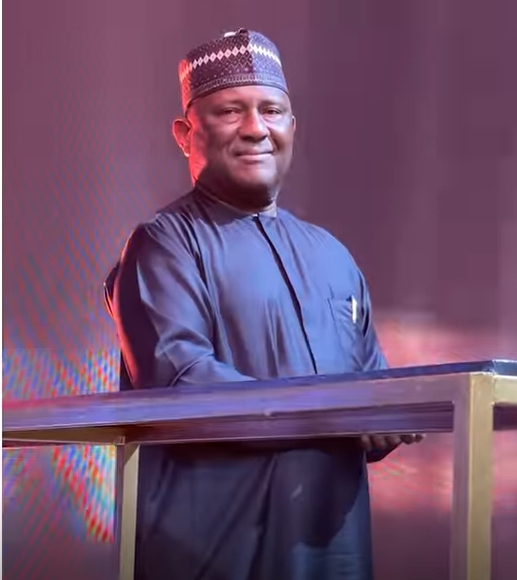
The founder and Chairman of BUA Group, Abdul Samad Rabiu, has recounted how he was denied entry into South Africa after his visa expired a day before his trip, while European travellers were reportedly allowed into the country without visas.
Rabiu shared the experience on Thursday while speaking on “Africa at Scale: Capital, Policy and the Architecture of Growth” at the ongoing Africa CEO Forum in Kigali, Rwanda.
He said that the incident occurred in February 2025 when he travelled from Lagos to Cape Town for the Mining Indaba conference.
He said that immigration officials stopped him on arrival after discovering that his visa had expired the previous day.
Rabiu explained that he and his team spent about four hours at the airport before he was eventually returned to Lagos.
“I take full responsibility because my visa had expired and my crew failed to notice it before the trip,” he said.
However, the businessman said that he became concerned after noticing that passengers arriving on multiple flights from Europe were allowed into South Africa without visas while he, as an African, was denied entry.
“While we were waiting at the immigration desk, there were about three international flights from Europe. Most of the passengers were Europeans, and they all entered Cape Town without visas,” he said.
Rabiu said the experience highlighted the difficulties Africans still face when travelling within the continent despite ongoing talks about African integration and economic cooperation.
“I did not have a problem with being returned because I had no valid visa. My issue was being an African in Africa and being denied entry, while foreigners from other continents were allowed in freely without visas,” he said.
He called for reforms in visa and immigration policies across the continent, stressing that Africa cannot achieve meaningful economic integration while Africans continue to face barriers moving within African countries.
Business
Nigeria’s oil minister orders marketers to reduce fuel price
“While we believe that market forces will eventually restore equilibrium, the regulator also has a statutory responsibility to ensure that deregulation does not become an avenue for profiteering. This must be done in line with the extant provisions of the Petroleum Industry Act,”said Lokpobiri.
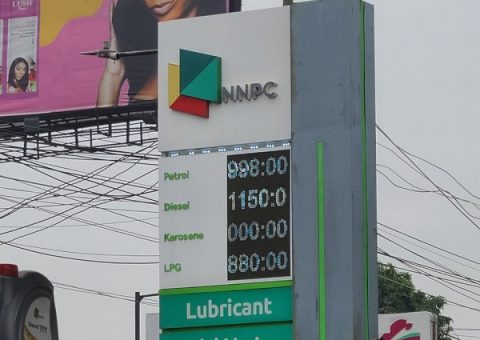
The Minister of State for Petroleum Resources (Oil), Senator Heineken Lokpobiri, at the NMDPRA General Counsel and Legal Advisers Forum, directed petroleum marketers to reduce fuel price .
At the two-day forum themed: “Beyond Compliance: Driving Regulatory Certainty and Investment Confidence in Nigeria’s Petroleum Sector, Lokpobiri noted that refiners and marketers have continued to sell petrol at elevated pump prices despite the significant decline in crude oil prices from a peak of $120 per barrel to about $72 per barrel last week.
He said: “Following de-escalation of tensions between Iran and the United States, we expected to see a commensurate downward adjustment in the prices of PMS and other petroleum products.However, that has not yet happened.”
“While we believe that market forces will eventually restore equilibrium, the regulator also has a statutory responsibility to ensure that deregulation does not become an avenue for profiteering. This must be done in line with the extant provisions of the Petroleum Industry Act,”said Lokpobiri.
Business
Naira Exchange Rates Tuesday, 30 June 2026
BLACK MARKET RATES
US DOLLAR (USD) ₦1, 390
GREAT BRITISH POUND (GBP) ₦1,855
EURO (EUR) ₦1, 585
BLACK MARKET RATES
US DOLLAR (USD) Buy ₦1, 390 Sell ₦1, 395
GREAT BRITISH POUND (GBP) Buy ₦1,855 Sell: ₦1,870
EURO (EUR) Buy ₦1, 585 Sell ₦1,605
CANADIAN DOLLAR (CAD) Buy ₦1,030 Sell ₦1,100
SOUTH AFRICAN RAND (ZAR) Buy ₦75 Sell ₦90
UAE DIRHAM Buy ₦350 Sell ₦370
CHINESE YUAN Buy ₦180 Sell ₦200
GHANA CEDI (GHS) Buy ₦95 Sell ₦110
WEST AFRICAN CFA Buy ₦2, 380 Sell ₦2, 460
CENTRAL AFRICAN CFA Buy ₦2, 220 Sell 2,300
AUSTRALIAN DOLLAR Buy ₦800 Sell ₦900
OFFICIAL CBN EXCHANGE RATES
US DOLLAR (USD) ₦1,383. 63
GREAT BRITISH POUND (GBP) ₦1,831.64
EURO (EUR) ₦1,578. 03
SWISS FRANC (CHF) ₦1,710.71
JAPANESE YEN (JPN) ₦8.55
CHINESE YUAN (CNY) ₦203. 65
WEST AFRICAN CFA (XOF) ₦2.40
WEST AFRICAN UNIT ACCOUNT (WAUA) ₦1,872. 07
SAUDI RIYAL (SAR) ₦368.43
SOUTH AFRICAN RAND (ZAR) ₦84.24
OFFICIAL CBN EXCHANGE RATES
US DOLLAR (USD) ₦1,380. 93
GREAT BRITISH POUND (GBP) ₦1,824.90
EURO (EUR) ₦1,577. 58
SWISS FRANC (CHF) ₦1,710.13
JAPANESE YEN (JPN) ₦8.54
CHINESE YUAN (CNY) ₦203. 13
WEST AFRICAN CFA (XOF) ₦2.39
WEST AFRICAN UNIT ACCOUNT (WAUA) ₦1,867. 05
SAUDI RIYAL (SAR) ₦367.72
SOUTH AFRICAN RAND (ZAR) ₦83. 89
BLACK MARKET RATES
US DOLLAR (USD) Buy ₦1, 393 Sell ₦1, 400
GREAT BRITISH POUND (GBP) Buy ₦1,850 Sell: ₦1,870
EURO (EUR) Buy ₦1, 580 Sell ₦1,600
CANADIAN DOLLAR (CAD) Buy ₦1,030 Sell ₦1,100
SOUTH AFRICAN RAND (ZAR) Buy ₦75 Sell ₦90
UAE DIRHAM Buy ₦350 Sell ₦370
CHINESE YUAN Buy ₦180 Sell ₦200
GHANA CEDI (GHS) Buy ₦95 Sell ₦110
WEST AFRICAN CFA Buy ₦2, 380 Sell ₦2, 460
CENTRAL AFRICAN CFA Buy ₦2, 220 Sell 2,300
AUSTRALIAN DOLLAR Buy ₦800 Sell ₦900

Insecurity: NSCIA fumes “Enough is Enough” over attacks on Islam and Muslims in Nigeria

NYSC to be headed by civilians under new reforms

Nigeria’s oil minister orders marketers to reduce fuel price

Tech Expert, Zuckerberg trains with UFC champions, Adesanya, Alexander

Organ Trafficking: Ekweremadu bags 10 years in UK prison

SAINT OBI: Between his marriage and his death
-

 Crime3 days ago
BREAKING: JTF Rescues Five Kidnap Victims Along Benin-Ore Expressway
-
 Business24 hours ago
Naira Exchange Rates Monday, 29 June 2026
-
 News3 days ago
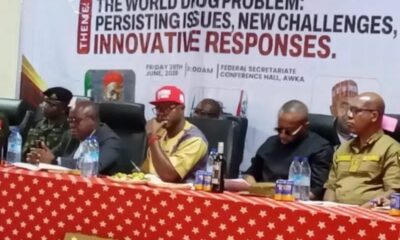
NDLEA, Army, NAFDAC, Agunechemba, Others Rally Against Drug Abuse in Anambra
-

 Health23 hours ago
WHO Confirms 1,300 deaths in Europe heatwaves
-
 Crime3 days ago
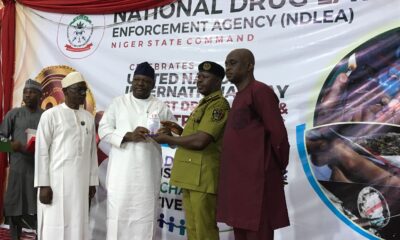
NDLEA Seizes 10,000kg Drugs, Convicts 173 in Niger
-
 News23 hours ago
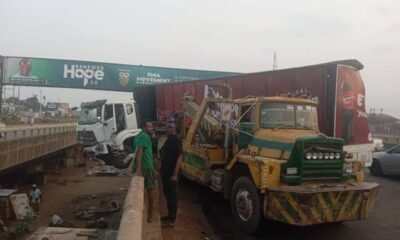
JUST IN: Two Trucks, Car Collide on Lagos Expressway, Several Injured
-
 Politics23 hours ago
2027: Atiku Alleged Plot To Keep ADC Off Ballot
-

 News3 days ago
DSS Releases, Compensates Man Wrongfully Held Over Boko Haram Links