
Business
2024 The Year of Tensed Business Environment
Foreign Direct Investment, the most critical investment that shows long-term investor confidence dropped to $103.82 million in Q3 2024, or 8.29 per cent.”

That’s how Chinyere Almona, the Director-General of the Lagos Chamber of Commerce and Industry (LCCI), summed up the outgoing 2024 and urged Nigerian companies to prepare for “more stress in 2025.”
Almona said: ” It was a year of higher inflation, interest rates, and exchange rates, making the country less attractive to investors.
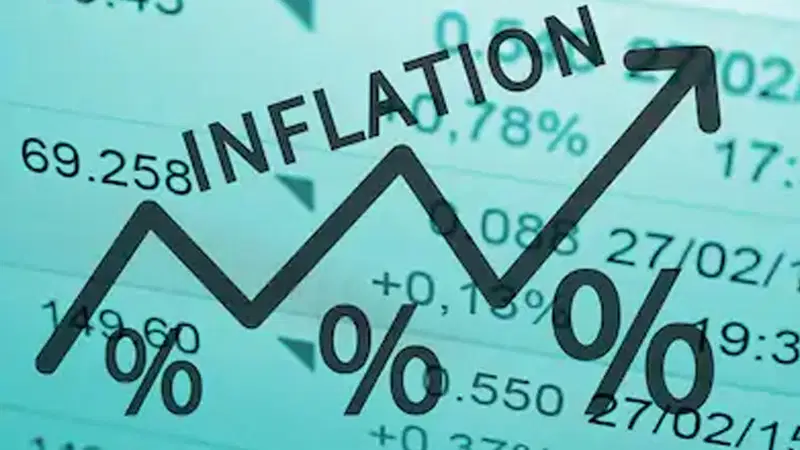
“The persistent rise in the inflation rate, reaching a 28-year record high of 34.60 in November, continues to fuel a tense business environment as elevated prices constrain various business operations,” Almona said.
The LCCI is particularly concerned because, with the persistent and unabated rise in inflation, businesses should prepare for more stress from the burden of higher interest rates as we enter the new year.
“A disappointing negative record of our capital importation at $1.25 billion during the third quarter of 2024 compared with $2.60 billion recorded in the preceding second quarter of the year points to an unattractive environment for investors.
“Foreign Direct Investment, the most critical investment that shows long-term investor confidence dropped to $103.82 million in Q3 2024, or 8.29 per cent.”
The LCCI boss said the rising costs of food, energy, housing, transportation, and services are driving inflation, worsening economic conditions, and reducing both purchasing power and business profitability.
Segun Ajayi-Kadir, the Director-General of the Manufacturers Association of Nigeria (MAN), noted that the government must take decisive action to reverse the trends in 2025.
Ajayi-Kadir said that the harsh himfect of hostile economic policies has largely constrained the country’s goal of rapid industrialisation and has left the economy struggling for survival.
He said that for a positive outlook in the coming year, especially for the manufacturing sector, MAN recommends the following:
1. Create special windows for providing single-digit interest rates to productive sectors and relax stringent conditions for SMEs to access funding
.2. Retain the current excise duty of N10 per litre on non-alcoholic beverages to avoid shutting down the industry.
3. Recapitalize the Bank of Industry (BOI) to meet the growing credit demand of industries.
4. Implement the recommendations of the Presidential Fiscal Policy and Tax Reforms Committee.
5. Review import duty rates for production inputs, particularly those not locally available, and consider pegging the rate at N800.
6. Direct the Central Bank of Nigeria to clear $2.4 billion outstanding dollar obligations on FX forward contracts to support manufacturers.
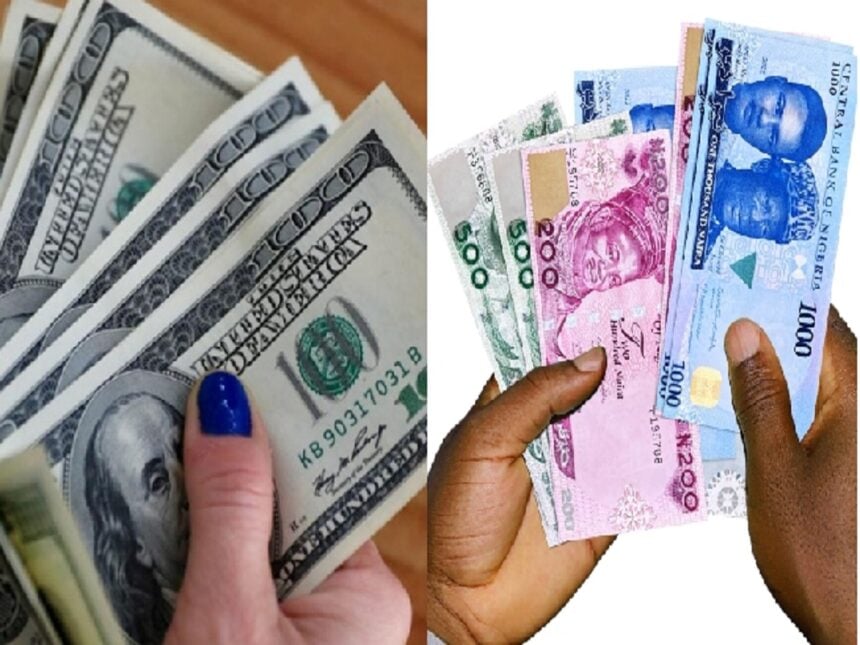
BLACK MARKET RATES
₦1375DOLLAR (USD)
₦1845 POUND (GBP)
EURO (EUR) ₦1550
₦1000 CANADIAN DOLLAR (CAD)
₦70 SOUTH AFRICAN RAND (ZAR)
₦370 UAE DIRHAM
₦190 CHINESE YUAN (CNY)
₦100 GHANA CEDI (GHS)
₦2350 CFA F.(XOF)
₦2250 CFA F.(XAF)
₦850 AUSTRALIAN DOLLAR (AUSSIE)
Official CBN Exchange Rates
DOLLAR (USD)₦1329.16
POUND (GBP)₦1766.59
EURO (EUR) ₦1510.06
SWISS FRANC (CHF) ₦1593.91
JAPANESE YEN (JPN)₦8.47
CFA FRANC (XOF) ₦2.30
WEST AFRICAN UNIT OF ACCOUNT (WAUA) ₦1807.23
CHINESE YUAN (CNY) ₦198.25
SAUDI RIYAL (SAR) ₦353.97
SOUTH AFRICAN RAND (ZAR) ₦81.18
Business
Obasanjo: “Aliko Embarrass Me”
He got all his workers together in that refinery and said, without telling me, and there, said…
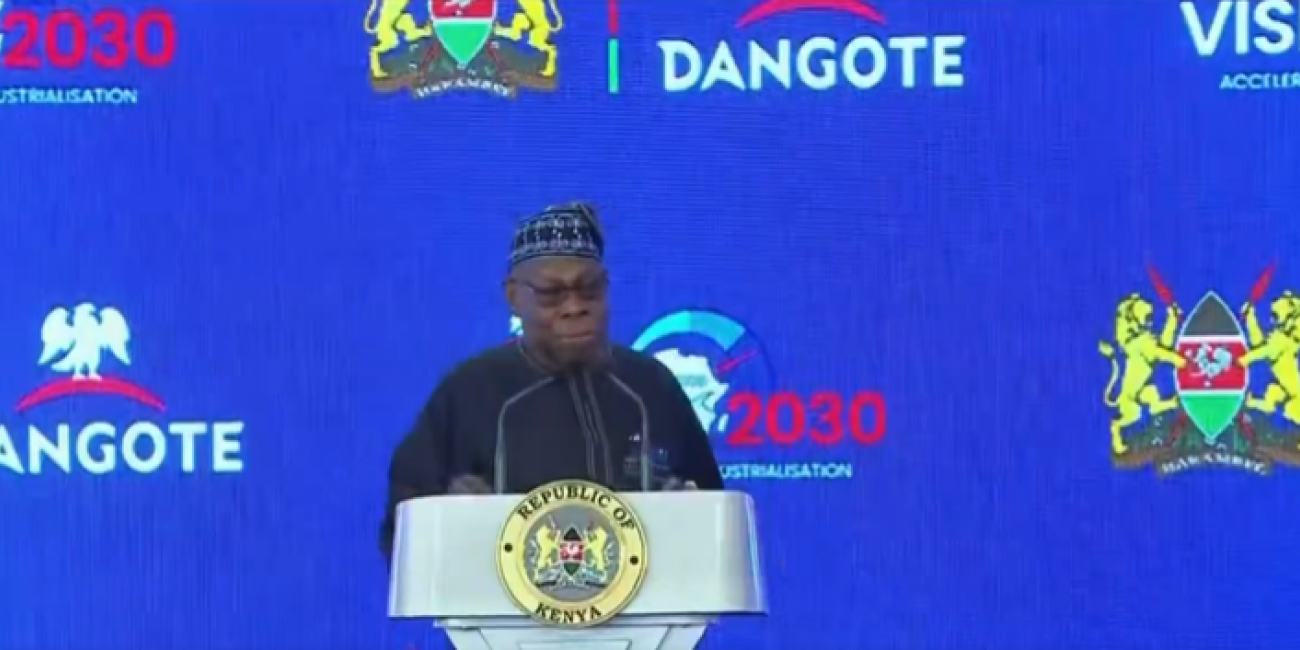
Former President of Nigeria, Olusegun Obasanjo, has described Aliko Dangote as his “boss”, crediting the businessman’s industrial achievements to the policies and encouragement provided by his administration.
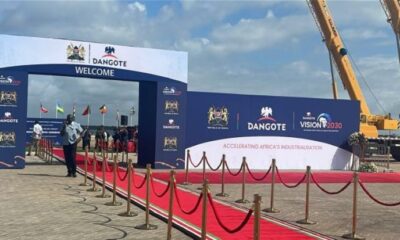
Obasanjo said this while speaking at the groundbreaking ceremony of the Dangote East Africa Refinery in Lamu, Kenya, where he recalled his recent visit to the Dangote refinery and the businessman’s acknowledgement of the role he played in his transition from cement importation to production.
He said, “About two months ago, three months ago, I visited the refinery which you visited last week. And I just couldn’t stop being surprised what Aliko did. But then Aliko embarrassed me.”
According to Obasanjo, Dangote had gathered his workers during the visit and publicly attributed part of his success in cement production and the eventual development of his refinery to the policies and encouragement of the former president.
He said, “He got all his workers together in that refinery and said, without telling me, and there, said, all of you working here, all of you, the man you have to thank is this man, that’s me. I didn’t have anything to do with his refinery or what it is.
He said, without this man, I would not have been in cement production.“And it is the cement production that provided the encouragement, the inspiration for the refinery. So, thank you. They all shouted and thanked me.”
Obasanjo said Dangote had expanded the opportunities created by his administration beyond Nigeria, particularly through cement production across Africa, and was now replicating the model in the petroleum refining sector.
“May God continue to expand your coast. And you are my boss. You will continue to be my boss.”
Business
Minister Tasks Charcoal Merchants on Sustainable Forestry
The minister gave the charge at the flag-off of the 2026 Operation One Million Trees Tree Planting Programme organised by the Association for Forest Conservation and Green Industrial Charcoal Merchants at the Faculty of Renewable Natural Resources, University of Ibadan.

•Charcoal merchants and other stakeholders in the forestry sector
The Minister of Environment, Balarabe Abass Lawal, has charged charcoal merchants and other stakeholders in the forestry sector to embrace sustainable practices and support the federal government’s efforts to reverse deforestation and restore Nigeria’s degraded forest landscapes.
The minister gave the charge at the flag-off of the 2026 Operation One Million Trees Tree Planting Programme organised by the Association for Forest Conservation and Green Industrial Charcoal Merchants at the Faculty of Renewable Natural Resources, University of Ibadan.
The programme, which brought together forestry practitioners, charcoal merchants, environmentalists, students, regulators and other stakeholders, is aimed at promoting afforestation and encouraging responsible management of Nigeria’s forest resources.
Speaking at the event, the minister described tree planting as one of the most practical measures for combating climate change, reversing deforestation, restoring biodiversity, controlling desertification and strengthening the resilience of the nation’s ecosystems.
The Chairman of the Association for Forest Conservation and Green Industrial Charcoal Merchants, Mr Adeshola Adebowale Idowu, emphasised that the event carried a clear message for everyone involved in the charcoal business and, indeed, every Nigerian.
Idowu said stakeholders should develop the habit of replacing trees removed from the environment, encouraging Nigerians to plant trees around their homes and communities.
He advocated a practice of planting several trees for every tree cut down, stressing that trees remain indispensable to human existence because many products used by society are derived from them
( THISDAY)


Naira Rates To Dollar, Pound ,Euro… Friday, October 2

Obafemi Hamzat promises to end ‘unauthorised levies’ in Lagos if he is elected

President Tinubu, Other Political Leaders Watch MKO Documentary

Tech Expert, Zuckerberg trains with UFC champions, Adesanya, Alexander

Organ Trafficking: Ekweremadu bags 10 years in UK prison

SAINT OBI: Between his marriage and his death
-
 Business22 hours ago
Naira To Dollar, Pound, Euro… Rates Friday, October 1
-
 News22 hours ago
Nigeria @ 66: President Tinubu says next phase of reforms’ll cut cost of living
-
 News3 days ago
BREAKING: Court Order Threatens Dangote Kenya Refinery Launch
-

 News2 days ago
FG Declares October 1 Public Holiday to Mark Independence Day Anniversary
-

 News2 days ago
Atiku Demands Release of 5 Arrested Over ‘Tinubu Must Go’ T-Shirts
-

 Business22 hours ago
Court orders NMDPRA to continue issuing fuel import licences to Matrix Energy, AA Rano, AYM Shafa
-
 Business2 days ago
ON-GOING: Dangote $16 billion refinery groundbreaking holds in Kenya (Images)
-

 International2 days ago
Plane Makes Emergency Landing After Pilots Fight in Cockpit