
News
Ten Benefits of Joint Property Ownership in Nigeria by Dennis Isong

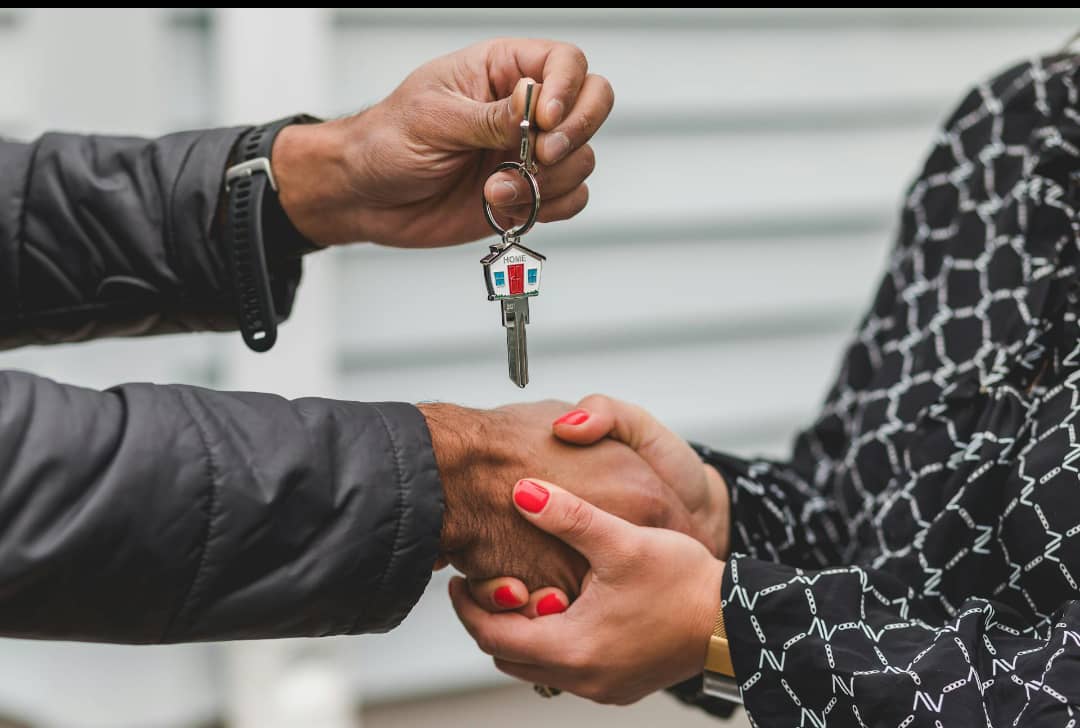
Owning property together with someone else can be a smart move in Nigeria. This is called joint property ownership.
Let’s look at ten good reasons why people choose to own property together in Nigeria.
1. Sharing the Cost Buying property in Nigeria can be very expensive. When you own property jointly with someone else, you can split the cost.
This makes it easier for many people to become property owners.
Imagine you want to buy a house that costs 20 million Naira. If you buy it alone, you need to pay the full 20 million. But if you buy it with a friend, you might only need to pay 10 million each. This makes it much easier to afford the house.
Sharing the cost doesn’t just help when you’re buying the property. It also helps with other expenses like: – Repairs and maintenance – Property taxes – Insurance
When you share these costs, owning property becomes less of a financial burden.
2. Easier to Get Loans Banks and other lenders often prefer giving loans to joint property owners. This is because there’s less risk for the bank when there’s more than one person responsible for paying back the loan.
If you apply for a mortgage loan alone, the bank might worry about your ability to pay it back. But if you apply with a co-owner, the bank sees that there are two incomes to rely on for repayment. This can make it easier to get approved for a loan and might even help you get better loan terms.
3. Sharing Responsibilities Owning property comes with many responsibilities. When you own property jointly, you can share these tasks with your co-owner. This can make property ownership less stressful and time-consuming.
For example, if the property needs repairs, one owner might handle finding a good contractor while the other deals with the paperwork.
If it’s a rental property, one owner could handle finding tenants while the other manages the finances.
Sharing responsibilities can lead to better property management because each owner can focus on what they’re best at.
4. Potential for Higher Returns When you pool resources with a co-owner, you might be able to invest in better properties.
These properties often have the potential for higher returns, either through rental income or when you sell the property later.
For instance, you and your co-owner might be able to afford a property in a prime location that you couldn’t buy alone. Properties in good locations often increase in value faster than those in less desirable areas.
5. Risk Sharing Property ownership always comes with some risks. These might include: – The property losing value – Unexpected repair costs – Legal issues When you own property jointly, you share these risks with your co-owner. This can make the risks feel less overwhelming. If something goes wrong, you’re not facing the problem alone.
When you own property jointly, you can share these tasks with your co-owner. This can make property ownership less stressful and time-consuming.
6. Tax Benefits In Nigeria, there can be tax advantages to joint property ownership.
For example, if the property generates income (like rent from tenants), the tax burden is split between the owners.
This might put each owner in a lower tax bracket than if they owned the property alone.
It’s important to note that tax laws can be complicated and change over time.
It’s always a good idea to talk to a tax expert about your specific situation.
7. Estate Planning Advantages
Joint property ownership can make things easier when it comes to inheritance. In many cases, when one owner dies, their share of the property automatically goes to the other owner(s). This is called the “right of survivorship.”
This can simplify the process of passing on property to heirs. It can help avoid some of the complications and delays that often come with settling an estate.
8. Flexibility in Ownership Structure There are different ways to structure joint property ownership in Nigeria. You can choose the structure that works best for your situation.
Some common options include: – Joint Tenancy: All owners have equal rights to the property. – Tenancy in Common: Owners can have unequal shares of the property. – Partnership: Often used for business properties.
This flexibility allows you to set up the ownership in a way that’s fair and makes sense for everyone involved.
9. Learning Opportunities When you own property with someone else, you have the chance to learn from each other. Your co-owner might have skills or knowledge that you don’t have.
For example, one owner might be good at negotiating with contractors, while the other is skilled at budgeting and financial planning.
By working together, both owners can learn new skills and become better property managers.
10. Social and Emotional Benefits Owning property together can strengthen relationships. Whether you’re co-owning with a family member, friend, or business partner, working towards a common goal can bring people closer together.
There’s also an emotional benefit to knowing that you’re not alone in this big financial decision. Having someone to share the ups and downs of property ownership with can make the experience more enjoyable.
Things to Keep in Mind While joint property ownership has many benefits, it’s important to be careful when choosing this option.
Here are a few things to consider: – Choose your co-owner wisely. Make sure it’s someone you trust and can work well with. – Have a clear agreement.
Write down how you’ll share costs, responsibilities, and profits. – Plan for the future. Discuss what will happen if one owner wants to sell their share or can’t pay their part. – Get legal advice.
A lawyer can help you understand all the legal aspects of joint ownership.
Joint property ownership in Nigeria can be a great way to get into the property market, share costs and responsibilities, and potentially earn better returns.
It offers financial benefits, practical advantages, and even social and emotional rewards. However, it’s not a decision to be taken lightly.
It’s important to carefully consider your options, choose your co-owner wisely and set up a clear agreement.
With the right preparation and partner, joint property ownership can be a rewarding experience that helps you achieve your property ownership goals in Nigeria.
Remember, every situation is unique.
What works well for one group of co-owners might not be the best choice for another.
Always consider your own circumstances and goals when deciding whether joint property ownership is right for you.


An angry mob has set a Bus Rapid Transit (BRT) bus on fire after it reportedly crushed a commercial motorcyclist to death at Ogolonto Bus Stop along Ikorodu Road in Lagos State.
The incident occurred on Friday, October 16, 2026. Eyewitness accounts and social media reports indicate that the motorcyclist was riding alone along the restricted BRT lane when the collision happened. He died at the scene.
Enraged residents and youths then attacked the bus driver and set the vehicle ablaze. Police officers and officials of the Lagos Neighbourhood Safety Corps (LNSC), who were nearby, intervened promptly and rescued the driver unharmed.
The identity of the deceased motorcyclist and the exact circumstances of the crash had not been officially confirmed at the time of filing this report. It was also unclear whether any arrests had been made in connection with the burning of the bus.
News
ARISE News Wins Seven Honours At Nigerian Broadcasters Merit Awards
The awards recognised the network’s achievements in television journalism and programming, with ARISE News winning the Best TV Channel (Viewer’s Choice) category.

• ARISE News Anchor and host of What’s Trending Ojy Okpe was named Best Newscaster (TV – Female)
ARISE News has emerged as one of the major winners at the just ended Nigerian Broadcasters Merit Awards (NBMA).
ARISE News won seven honours across television broadcasting, news reporting, presentation and production during the ceremony.
The awards recognised the network’s achievements in television journalism and programming, with ARISE News winning the Best TV Channel (Viewer’s Choice) category.
The network’s flagship breakfast programme, The Morning Show, also won the Best TV Talk Show award, further strengthening its recognition in television broadcasting.
ARISE News Anchor and host of What’s Trending Ojy Okpe was named Best Newscaster (TV – Female).
Rufai Oseni was named Nigerian Broadcaster of the Year (Male), while Vimbai Mutinhiri-Ekpeyong received the Nigerian Broadcaster of the Year (Female) award.
The recognition extended to the network’s newsroom, with Ovieteme George winning Best TV News Reporter (Male) for his contributions to television news reporting.
Behind the camera, Sam Adeyemi received the Best Camera Operator/Cinematographer award, recognising his work in television production and visual storytelling.
News
Meta removes 3.7 million accounts in West Africa scam crackdown
The joint operation led to 28 arrests, identified more than 30 suspected scam centres and rescued 117 people allegedly trafficked and forced to work in scam compounds in Ghana.
Meta, the parent company of Facebook and Instagram, has removed more than 3.7 million Facebook and Instagram accounts, pages and groups linked to suspected scam networks operating in West Africa.
The joint operation led to 28 arrests, identified more than 30 suspected scam centres and rescued 117 people allegedly trafficked and forced to work in scam compounds in Ghana.
The company announced the crackdown in a statement on Tuesday, October 13, 2026. It involved 14 technology companies and law enforcement agencies from 10 countries.
The United Kingdom’s National Crime Agency coordinated the operation with the US Department of Justice, the Federal Bureau of Investigation and other agencies. Nigerian authorities were involved.
Other countries included Ghana, Australia, Canada, New Zealand and India.Tech companies that took part included Google, Microsoft, OpenAI, Coinbase, Starlink and Adobe.
Meta said the partnership let participants share intelligence across digital platforms, countries and financial systems to identify criminal networks.


JUST IN: Mob Sets BRT Bus Ablaze After Motorcyclist’s Death in Lagos

BREAKING: DSS Arrests Fugitive Maina Son, Hands Him to EFCC

BREAKING: 5 Arrested Over Imo NYSC Abduction

BREAKING: Lagos Govt Declares Today, Thursday Work-Free to Mark 2026 Ìṣẹ̀ṣe Day

Tech Expert, Zuckerberg trains with UFC champions, Adesanya, Alexander

Organ Trafficking: Ekweremadu bags 10 years in UK prison
-

 Business3 days ago
NAFDAC scolds fake manufacturers: “You are killing Nigerians in order to make money”
-

 Business3 days ago
Oyedele Chairs G-24 Call for Fairer Global Financial System, Affordable Development Financing
-

 Business2 days ago
Naira Exchange Rates For Thursday, October 15
-
 Sports2 days ago
CAF Increases Annual Funding for Member Federations to $700,000
-

 Business1 day ago
Germany plans tax on sugary drinks
-
 Politics2 days ago
Exclusion of candidates from INEC list: CD cautions INEC against manipulation by politicians
-

 News1 day ago
ASCON To Be Rebranded “National School Of Government”
-

 Business1 day ago
WEF could appoint Lagarde as its next chair, sources say