
News
Reps invite minister over lingering petrol scarcity

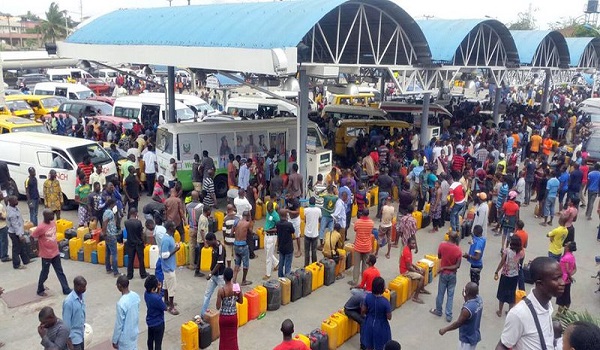
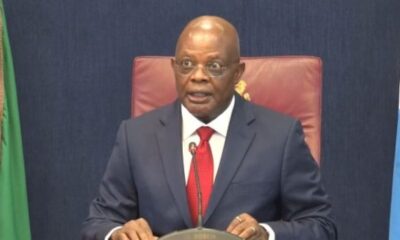
The House of Representatives has summoned Minister of State (Petroleum Resources) Heineken Lokpobiri to address the ongoing petrol scarcity across Nigeria. The invitation was made following a motion of urgent importance by Umar Ajilo. Relevant stakeholders in the petroleum industry have also been summoned.
Before the invitations were issued, the House expressed concerns over the difficulties Nigerians are facing due to the scarcity and the rising cost of petrol. They criticized the Nigerian National Petroleum Corporation Limited (NNPCL) for failing to resolve the perennial fuel scarcity problem despite having sufficient resources.
Umar Ajilo highlighted the hardships faced by Nigerians, with petrol prices soaring as high as N1,200 per liter in some states. He called for immediate action by the government to address the situation permanently.
The NNPCL expressed hope that normalcy would return soon, with the Major Oil Marketers Association of Nigeria (MEMAN) evacuating 300 million liters of petrol from Apapa and other parts of Lagos. MEMAN believes the scarcity will end in a few days.
However, the Independent Petroleum Marketers Association of Nigeria (IPMAN) threatened to shut down filling stations if the Federal Government fails to pay over N200 billion owed to them from the subsidy regime era.
NNPCL stated that logistical issues caused a three-day disruption in distribution, which has since been resolved. They assured that product scarcity has been minimal, but some may be exploiting the situation for profit.
MEMAN assured the public of adequate petrol supply, with their members evacuating 300 million liters of petrol, well above normal levels.
IPMAN demanded payment of their outstanding debt and warned of a nationwide shutdown if not paid promptly.
The Petroleum Products Retail Outlets Owners Association of Nigeria (PETROAN) denied profiteering from the scarcity, stating they sell at NNPC’s approved prices.
In Lagos, filling stations had long queues, with prices ranging from N567 to N700, while black market prices reached N1,000 per liter. Badagry was severely affected, leading to transport fare hikes.
In the Federal Capital Territory, queues were longer than usual, and prices ranged from N700 to N1,000 per liter.
Ogun Traffic Compliance and Enforcement Corps (TRACE) deployed personnel to maintain order at filling stations.
In Osun State, the Taskforce on Petroleum Price Monitoring warned against hoarding petrol, while The Osun Masterminds (TOM) called for the shutdown of schools to alleviate the suffering caused by the scarcity.
Similar situations were reported in Ondo, Rivers, Kwara, Kano, Adamawa, Niger, Plateau, Taraba, and Jigawa states, with pump prices ranging from N670 to N1,200 and above in black markets.





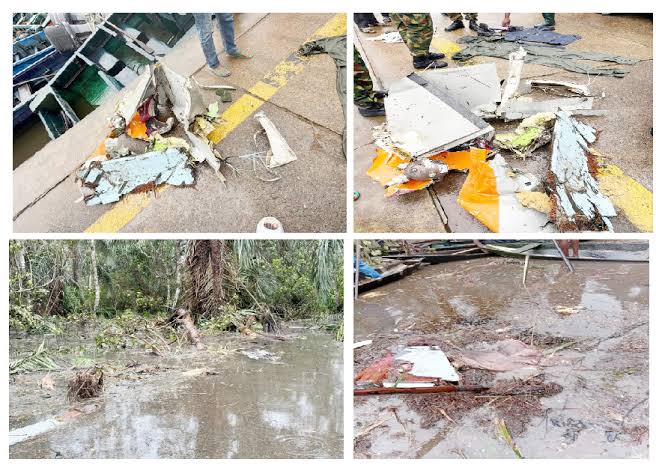
Residents of Igbokoda in Ilaje Local Government Area of Ondo State are grappling with a severe public health and environmental crisis following the crash of a Nigerian Air Force (NAF) ATR-42 aircraft into a swamp near the community.
The aircraft, on a routine mission from Benin City to Lagos, crashed last Monday, killing all 25 people on board. Recovery efforts continue amid difficult swampy terrain, with large sections of the wreckage and human remains still unrecovered.
The traditional ruler of Igbokoda, Oba Afolabi Odidiomo, said residents have been battling an extremely offensive odour caused by decomposing human remains floating in the river. “The odour is extremely offensive. So many parts of the human body are floating around in the river. Some of the bodies have not been recovered. They have decomposed, and it is affecting everything,” he stated.
He warned that the river — the community’s main source of water for drinking, cooking and fishing — has been polluted by the remains and aviation fuel spillage. Residents can no longer safely use the water, raising fears of a disease outbreak.
Ondo State authorities confirmed they are assessing the environmental and public health impact, with plans for decontamination. Recovery teams, including the Navy, Air Force and emergency agencies, are intensifying efforts to retrieve remaining wreckage and remains.
News
UNCTAD Warns Debt Burden Threatens Future of 3.7bn People
UN Secretary-General António Guterres said developing economies were facing mounting pressures from geopolitical tensions, conflicts, trade disruptions, climate challenges, inadequate financing and high debt-servicing costs.


The future of 3.7 billion people is threatened by mounting government debt burdens, the United Nations Conference on Trade and Development (UNCTAD) has warned, urging developing countries to strengthen cooperation in tackling debt-related challenges.
The warning was delivered on Monday in Bangkok during the IMF–World Bank Annual Meetings, where the UN agency called on finance ministers, central bank governors and senior government officials from developing countries to unite under the Borrowers’ Platform to share knowledge, exchange experiences and coordinate their positions on debt issues.
UN Secretary-General António Guterres said developing economies were facing mounting pressures from geopolitical tensions, conflicts, trade disruptions, climate challenges, inadequate financing and high debt-servicing costs.
“Developing countries face a perfect storm with geopolitical tensions and conflicts, trade and climate pressures, a lack of adequate financing and high debt-service burdens,” Guterres said in his address to the platform’s new member states.
He added that the Borrowers’ Platform would provide members with an opportunity to navigate these challenges.
Guterres welcomed participating countries’ commitment to the initiative, stressing the importance of creating a common space where borrowers could exchange advice, share practical tools and approaches, and strengthen their collective advocacy on international debt issues.
According to UNCTAD, 31 developing countries have formally joined the platform, while several others have expressed interest in the initiative.
Since the platform’s launch in April, participating countries have operated through an interim process led by Egypt as interim chair, with UN Trade and Development serving as its secretariat.
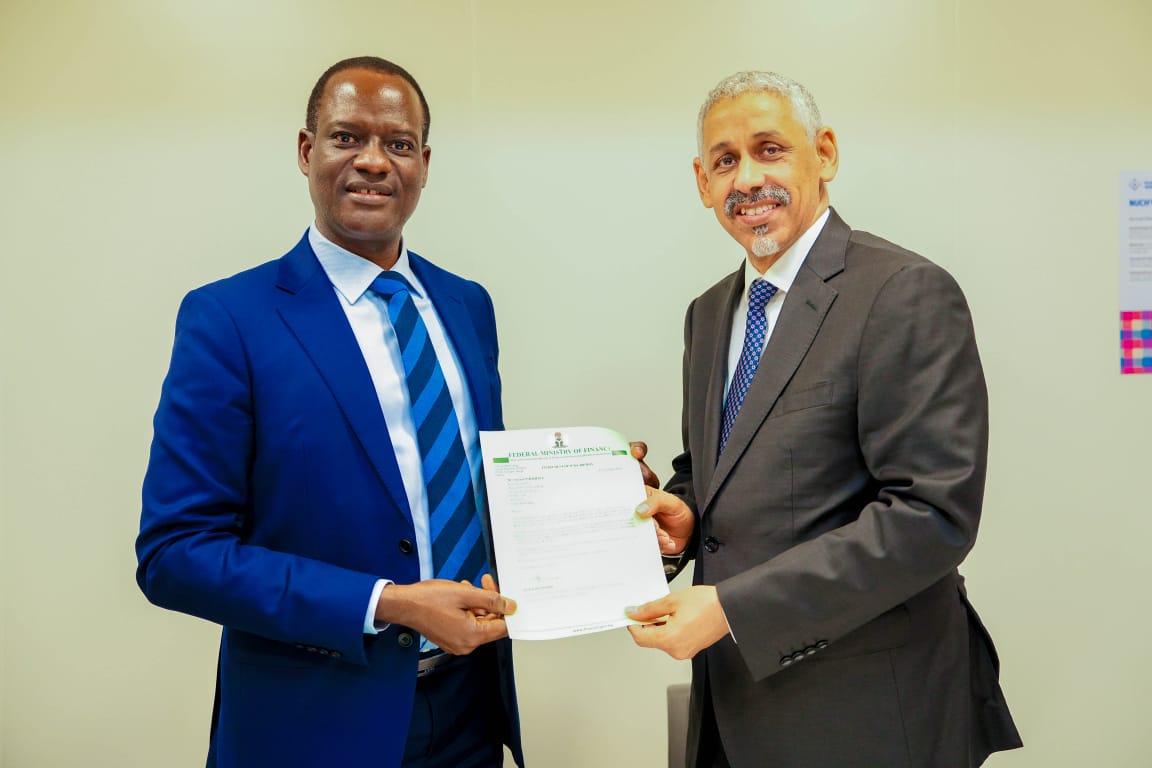
Bangkok, 12 October 2026 – Nigeria and the African Development Bank (AfDB) have agreed to a joint technical review of the Bank’s portfolio in the country and to prepare an official visit by AfDB President Dr Sidi Ould Tah.
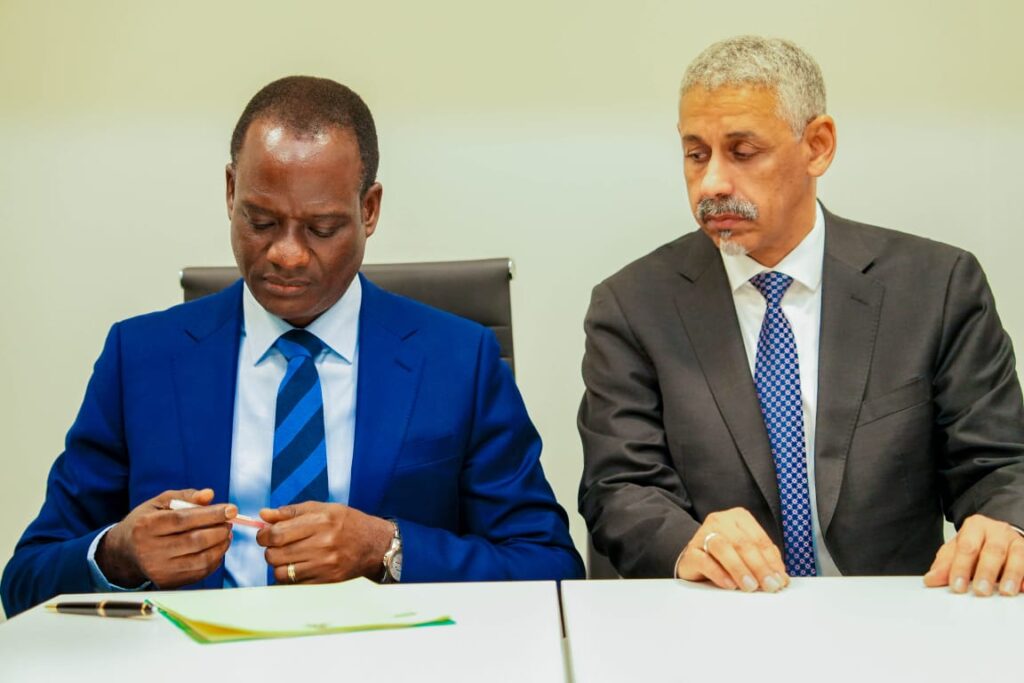
The agreement was reached on Monday when Finance Minister and Coordinating Minister of the Economy Taiwo Oyedele met Ould Tah on the sidelines of the 2026 IMF and World Bank Group Annual Meetings in Bangkok.
Oyedele reaffirmed that Nigeria will remain the Bank’s largest shareholder and will meet its capital subscription obligations. He stressed that the long-standing partnership should now deliver greater development finance and tangible economic benefits.
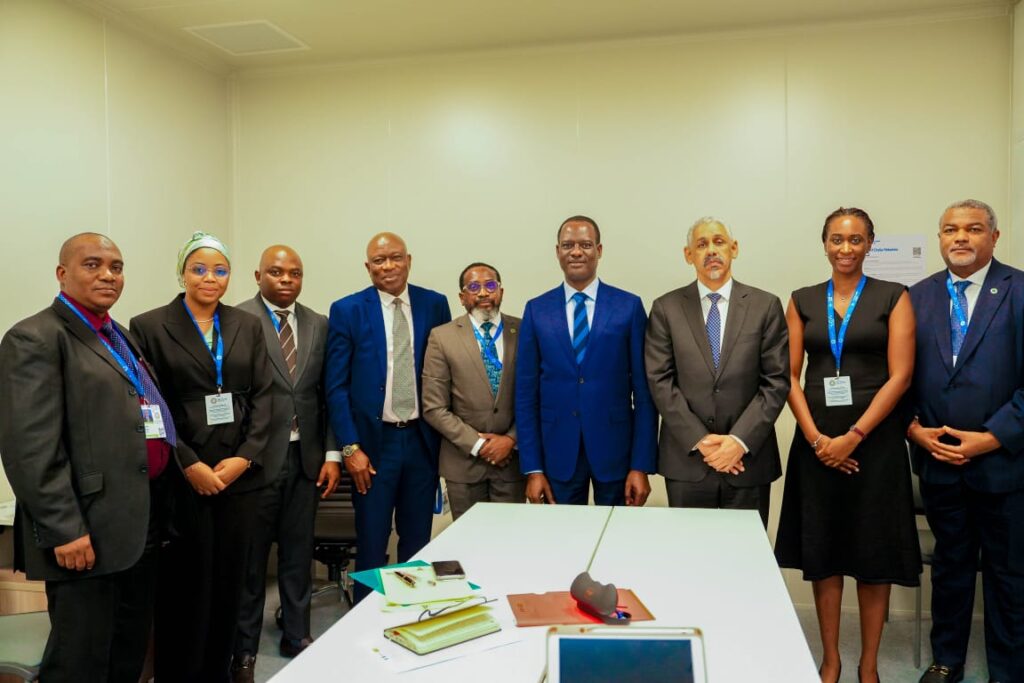
He also expressed Nigeria’s support for the AfDB’s Four Cardinal Points agenda under Ould Tah’s leadership: bridging Africa’s financing gap, securing the continent’s financial sovereignty, harnessing its demographic dividend, and building resilient infrastructure through the local transformation of natural resources. Oyedele said the priorities align closely with Nigeria’s own development goals.
The planned portfolio review will identify implementation bottlenecks, accelerate project delivery and ensure ongoing operations are better aligned with the Federal Government’s priorities. Ould Tah’s proposed visit is expected to include meetings with President Bola Ahmed Tinubu, senior officials and other stakeholders.
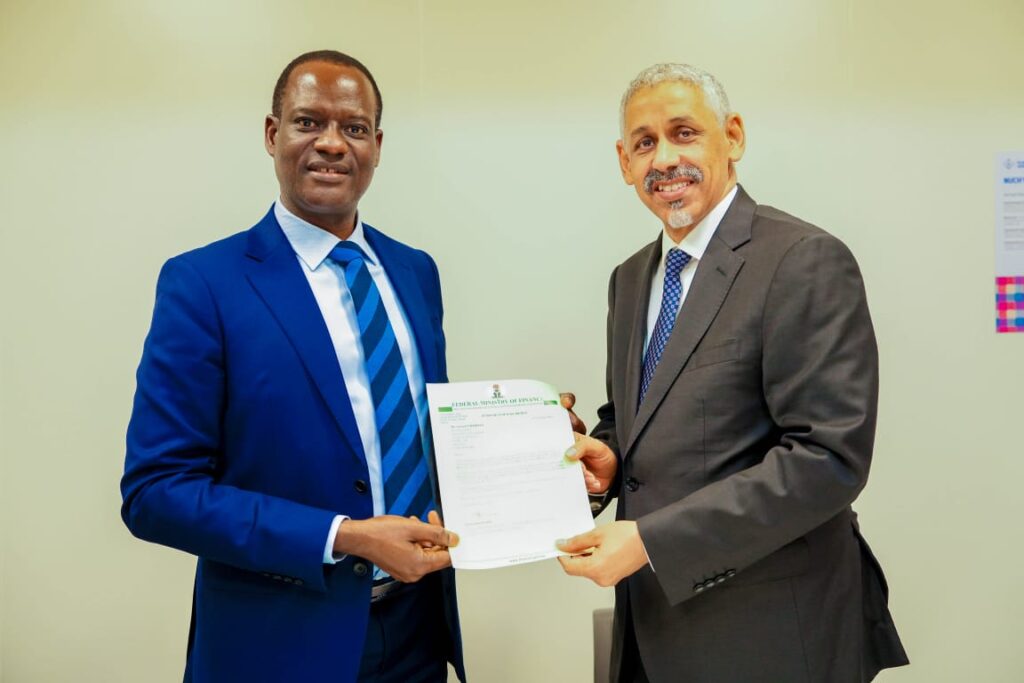
The two sides also discussed the high cost of borrowing facing African countries. Oyedele noted that international credit ratings often fail to reflect improvements in economic fundamentals and reform progress, raising financing costs for nations such as Nigeria.
In response, Ould Tah said the AfDB is developing a facility to provide African governments with technical and analytical support in their dealings with credit rating agencies, helping them present credible data and challenge assessments where necessary.
Other topics included African financial integration, local-currency transactions, trade insurance and credit enhancement to lower investment risk and attract private capital. Both parties also underlined the need to retain skilled professionals on the continent.
Technical work on financing and portfolio performance will continue alongside preparations for the AfDB President’s visit to Nigeria.


BREAKING: Shell to Exit Nigeria’s Domestic Gas Distribution Business

FAO Names 22 African Women Agrifood Heroes, Nigeria Missing

NAF Crash: Residents Fear Disease as Body Parts Foul Community River

Tech Expert, Zuckerberg trains with UFC champions, Adesanya, Alexander

BREAKING: Lagos Govt Declares Today, Thursday Work-Free to Mark 2026 Ìṣẹ̀ṣe Day

Organ Trafficking: Ekweremadu bags 10 years in UK prison
-

 Business2 days ago
Nigeria’s ₦33bn Fruit Import Bill Exposes Missed Opportunities in Jos
-

 Business2 days ago
Naira To Dollar, Pound ,Euro …Rates For Monday, October 12
-

 International2 days ago
‘Up to our people’ to pick leader, Zelenskyy responds to Trump’s pledge for new elections in Ukraine
-

 Opinions2 days ago
Human Capital Africa Statement For International Day of the Girl Child 2026
-
 Politics2 days ago
2027: 119 Women Jostle For State’s Governors
-
 News2 days ago
Forbes Scores GTBank Best Employers 2026
-
 Politics2 days ago
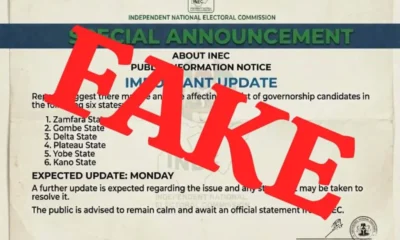
BEWARE: Fake 2027 Gov’ Candidates List Circulating Online — INEC Raises Alarm
-

 Business21 hours ago
Dangote Refinery IPO Attracts N8.61trn in Subscriptions, Four Times Offer