
News
Investing in Lagos Waterfront Properties: Opportunities and Risks, by Dennis Isong

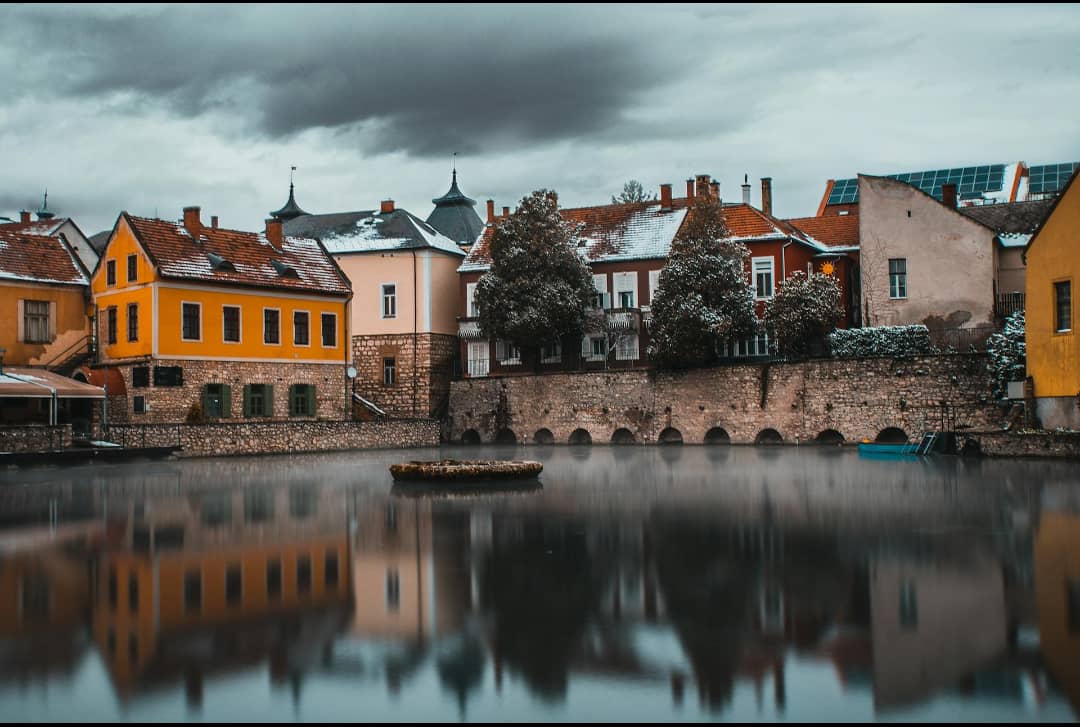
As the sun dipped into the Lagos Lagoon, Amara stood on her balcony in Victoria Island, watching the city lights dance on the water.
Five years ago, she’d taken a bold gamble, investing her life savings in this waterfront property when others called her crazy.
Now, as luxury developments sprouted along the coastline like mushrooms after rain, her investment had tripled in value.
But with each new high-rise came fresh challenges – environmental concerns, infrastructure strain, and the displacement of local fishing communities.
Still, as she sipped her evening tea, Amara knew that in Lagos, change was the only constant thing. This market segment comes with its own set of opportunities and challenges that potential investors must carefully consider.
Market Potential and Investment Opportunities Lagos’s waterfront properties represent some of the most premium real estate in West Africa.
The combination of scenic views, prestigious locations, and limited supply has historically driven strong appreciation in property values.
Luxury developments along areas like Banana Island and Eko Atlantic City have demonstrated remarkable returns on investment, with some properties experiencing value appreciation of 15-20% annually.
The growing affluent population in Lagos, coupled with increasing demand for high-end residential and commercial spaces, creates a robust market for waterfront properties.
International companies seeking prime office locations and wealthy individuals looking for prestigious addresses continue to drive demand.
Many waterfront areas struggle with inadequate road networks, inconsistent power supply, and insufficient drainage systems.
Additionally, the tourism and hospitality sector’s growth has sparked interest in waterfront hotels and recreational facilities.
Infrastructure and Development Challenges
Despite the attractive prospects, investing in Lagos waterfront properties comes with significant infrastructure challenges.
Many waterfront areas struggle with inadequate road networks, inconsistent power supply, and insufficient drainage systems.
The risk of flooding, especially during the rainy season, requires substantial investment in flood control measures and proper foundation work. Environmental concerns also pose significant challenges.
Coastal erosion threatens some waterfront properties, necessitating expensive shoreline protection measures.
Rising sea levels and climate change impacts require careful consideration in construction planning and long-term maintenance strategies.
Investors must factor in these additional costs when calculating potential returns.
Legal and Regulatory Considerations
The legal framework surrounding waterfront property investment in Lagos requires careful navigation.
Title verification is crucial, as many waterfront areas have complex ownership histories involving multiple stakeholders, including traditional rulers, government authorities, and private entities.
The requirement for various permits and approvals from bodies like the Lagos State Environmental Protection Agency (LASEPA) and the Nigerian Inland Waterways Authority (NIWA) can lead to lengthy development timelines.
Investors must also be aware of recent regulatory changes affecting waterfront development.
The Lagos State Government’s efforts to regulate waterfront development through initiatives like the Lagos State Waterfront Infrastructure Development Law have introduced new compliance requirements. Understanding and adhering to these regulations is essential for protecting investments and ensuring project viability.
Investment Strategies and Risk Mitigation
Successful investment in Lagos waterfront properties requires a well-thought-out strategy and robust risk management approach. Here are key considerations for potential investors:
1. Due Diligence:
Conduct thorough legal and technical due diligence, including title verification, environmental impact assessments, and soil testing. Engage reputable local lawyers and consultants familiar with Lagos real estate markets.
2. Phased Development:
Consider implementing projects in phases to manage cash flow and adapt to market conditions. This approach allows for better risk management and the ability to adjust strategies based on market response.
3. Infrastructure Investment:
Budget for significant infrastructure development, including private power generation, water treatment facilities, and flood control measures.
While costly, these investments can enhance property values and attract premium tenants or buyers.
4. Market Positioning:
Carefully consider target market segments and development types. Mixed-use developments that combine residential, commercial, and recreational spaces often prove more resilient to market fluctuations.
5. Local Partnerships:
Establish strong relationships with local stakeholders, including community leaders, government officials, and industry professionals. These relationships can prove invaluable in navigating challenges and identifying opportunities.
6. Environmental Protection:
Invest in sustainable development practices and environmental protection measures. This not only helps protect the investment but can also provide marketing advantages and potential premium pricing opportunities.
Dennis Isong is a TOP REALTOR IN LAGOS.He Helps Nigerians in Diaspora to Own Property In Lagos Nigeria STRESS-FREE. For Questions WhatsApp/Call 2348164741041

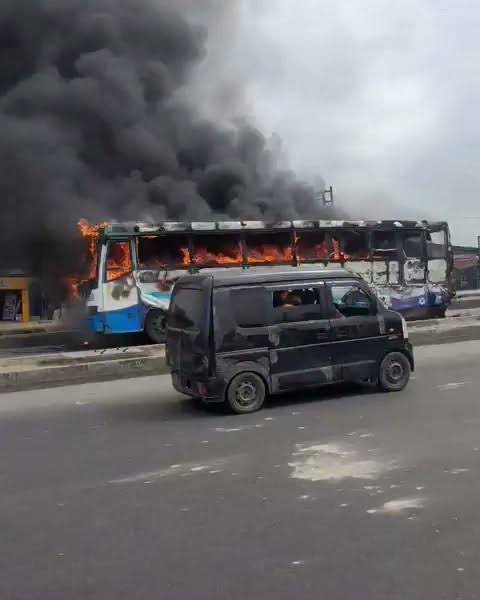
An angry mob has set a Bus Rapid Transit (BRT) bus on fire after it reportedly crushed a commercial motorcyclist to death at Ogolonto Bus Stop along Ikorodu Road in Lagos State.
The incident occurred on Friday, October 16, 2026. Eyewitness accounts and social media reports indicate that the motorcyclist was riding alone along the restricted BRT lane when the collision happened. He died at the scene.
Enraged residents and youths then attacked the bus driver and set the vehicle ablaze. Police officers and officials of the Lagos Neighbourhood Safety Corps (LNSC), who were nearby, intervened promptly and rescued the driver unharmed.
The identity of the deceased motorcyclist and the exact circumstances of the crash had not been officially confirmed at the time of filing this report. It was also unclear whether any arrests had been made in connection with the burning of the bus.
News
ARISE News Wins Seven Honours At Nigerian Broadcasters Merit Awards
The awards recognised the network’s achievements in television journalism and programming, with ARISE News winning the Best TV Channel (Viewer’s Choice) category.

• ARISE News Anchor and host of What’s Trending Ojy Okpe was named Best Newscaster (TV – Female)
ARISE News has emerged as one of the major winners at the just ended Nigerian Broadcasters Merit Awards (NBMA).
ARISE News won seven honours across television broadcasting, news reporting, presentation and production during the ceremony.
The awards recognised the network’s achievements in television journalism and programming, with ARISE News winning the Best TV Channel (Viewer’s Choice) category.
The network’s flagship breakfast programme, The Morning Show, also won the Best TV Talk Show award, further strengthening its recognition in television broadcasting.
ARISE News Anchor and host of What’s Trending Ojy Okpe was named Best Newscaster (TV – Female).
Rufai Oseni was named Nigerian Broadcaster of the Year (Male), while Vimbai Mutinhiri-Ekpeyong received the Nigerian Broadcaster of the Year (Female) award.
The recognition extended to the network’s newsroom, with Ovieteme George winning Best TV News Reporter (Male) for his contributions to television news reporting.
Behind the camera, Sam Adeyemi received the Best Camera Operator/Cinematographer award, recognising his work in television production and visual storytelling.
News
Meta removes 3.7 million accounts in West Africa scam crackdown
The joint operation led to 28 arrests, identified more than 30 suspected scam centres and rescued 117 people allegedly trafficked and forced to work in scam compounds in Ghana.
Meta, the parent company of Facebook and Instagram, has removed more than 3.7 million Facebook and Instagram accounts, pages and groups linked to suspected scam networks operating in West Africa.
The joint operation led to 28 arrests, identified more than 30 suspected scam centres and rescued 117 people allegedly trafficked and forced to work in scam compounds in Ghana.
The company announced the crackdown in a statement on Tuesday, October 13, 2026. It involved 14 technology companies and law enforcement agencies from 10 countries.
The United Kingdom’s National Crime Agency coordinated the operation with the US Department of Justice, the Federal Bureau of Investigation and other agencies. Nigerian authorities were involved.
Other countries included Ghana, Australia, Canada, New Zealand and India.Tech companies that took part included Google, Microsoft, OpenAI, Coinbase, Starlink and Adobe.
Meta said the partnership let participants share intelligence across digital platforms, countries and financial systems to identify criminal networks.


JUST IN: Mob Sets BRT Bus Ablaze After Motorcyclist’s Death in Lagos

BREAKING: DSS Arrests Fugitive Maina Son, Hands Him to EFCC

BREAKING: 5 Arrested Over Imo NYSC Abduction

BREAKING: Lagos Govt Declares Today, Thursday Work-Free to Mark 2026 Ìṣẹ̀ṣe Day

Tech Expert, Zuckerberg trains with UFC champions, Adesanya, Alexander

Organ Trafficking: Ekweremadu bags 10 years in UK prison
-

 Business2 days ago
NAFDAC scolds fake manufacturers: “You are killing Nigerians in order to make money”
-

 Business2 days ago
Oyedele Chairs G-24 Call for Fairer Global Financial System, Affordable Development Financing
-

 Business2 days ago
Naira Exchange Rates For Thursday, October 15
-

 Business3 days ago
BREAKING: Shell to Exit Nigeria’s Domestic Gas Distribution Business
-

 Business1 day ago
Germany plans tax on sugary drinks
-
 Politics2 days ago
Exclusion of candidates from INEC list: CD cautions INEC against manipulation by politicians
-
 Sports2 days ago
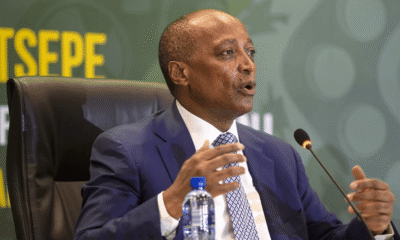
CAF Increases Annual Funding for Member Federations to $700,000
-
 Business1 day ago
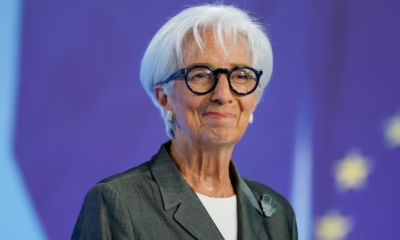
WEF could appoint Lagarde as its next chair, sources say