
Health
Diabetes: Costs of Treatment Skyrockets as Nigerian Body Joins Global Peers to Mark Annual Day November 14
Insulin vial, for instance, which used to cost about N4,000, now sells for about N18,000, representing over 400% increase.

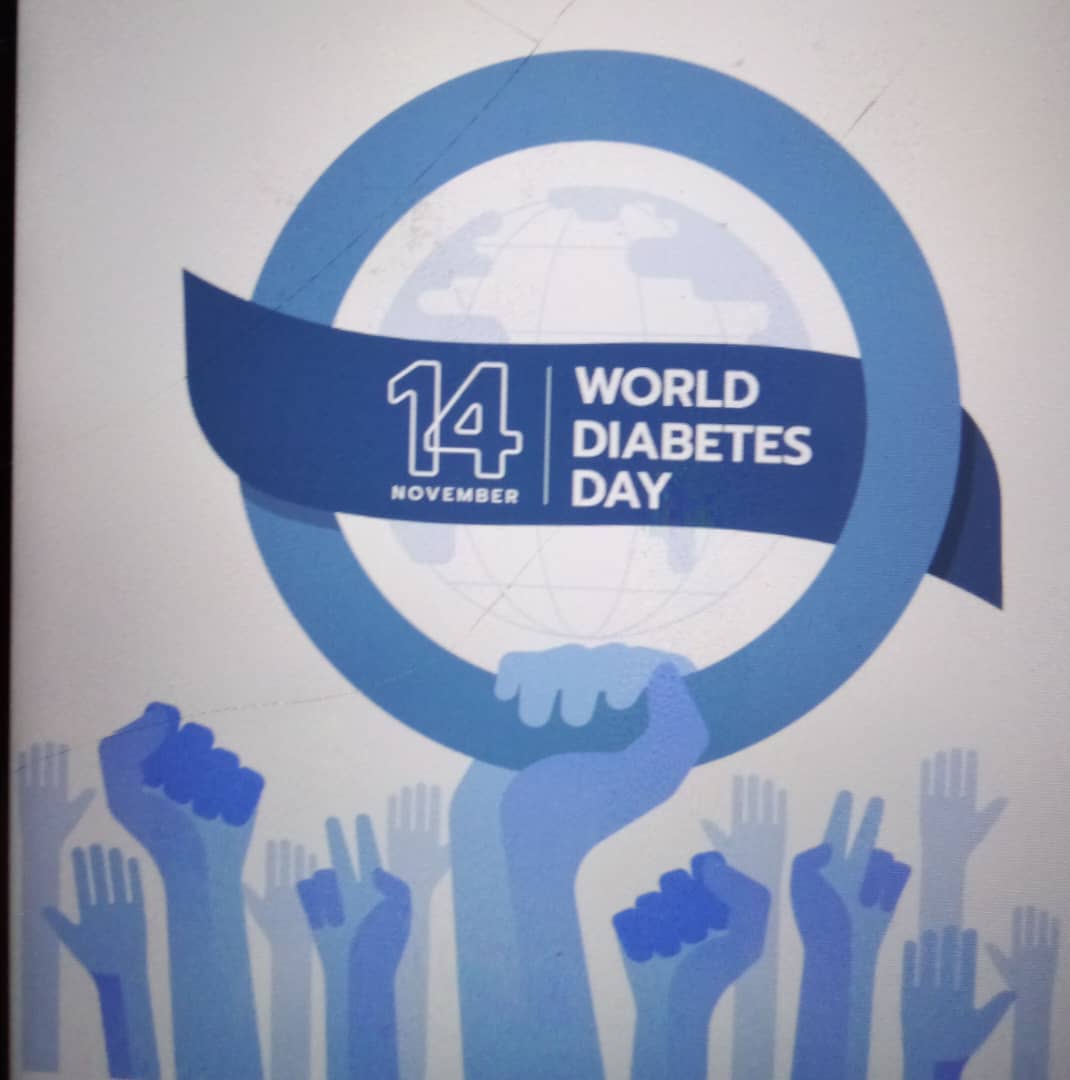
The Diabetes Association of Nigeria (DAN) is joining the global community to mark this year’s diabetes day on Thursday.
The 14th day of November annually is officially designated by the United Nations as World Diabetes Day. It is the largest global diabetes awareness campaign organized by the International Diabetes Federation (IDF).
Dr Ejiofor Ugwu, the National President of the Diabetes Association of Nigeria, disclosed this said that this year’s theme – Diabetes and Well-being – is aimed at emphasizing the negative impact diabetes exerts on the physical, mental, social, and economic well-being of persons living with diabetes.
Dr Ejiofor, an Associate Professor of Medicine, Consultant Physician, Endocrinologist and Diabetologist, revealed that globally, about 540 million people, roughly 1 out of every 10 adults, currently have diabetes and the prevalence is rising relentlessly.
He said:” In Nigeria, about 6-8 million Nigerians (5.7%) have diabetes. This figure represents the tip of the iceberg, as two-thirds of diabetes cases in Nigeria are still undiagnosed due to a lack of routine screening. diabetes kills an estimated 30,000 − 40,000 Nigerians annually.”
Commenting on the treatment of diabetes, Dr Ejiofor added that in the past year, the cost of diabetes medications and consumables has gone astronomically high, beyond the reach of most patients. “
Insulin vial, for instance, which used to cost about N4,000, now sells for about N18,000, representing over 400% increase.
This poses a significant barrier to optimal diabetes care in Nigeria as the majority of patients can no longer afford care, resulting in increased diabetes complications and premature deaths,” he said. Recommendations To Improve Diabetes Care in Nigeria ·
The federal government should as a matter of urgency, subsidize diabetes medications and consumables to make them more affordable to the teeming population of people living with diabetes in Nigeria DAN recommends complete tax waiver in the importation of diabetes medications and consumables ·
The sugar-sweetened beverages tax, which was stopped in June 2024, needs to be revived, and there should be legislation to channel the funds accruing from it to diabetes and related non-communicable diseases prevention. ·
There is a need for a well conducted national survey on non communicable diseases as soon as possible. This will provide accurate data to guide healthcare policy making.


Health
Health Workers Protest Against Regulatory Bill
They maintain that all health professions have their regulatory bodies, and that the new bill was seeking to make other health professionals second-class to medical doctors.

Health workers under the Joint Health Sector Unions and the Assembly of Healthcare Professional Associations are protesting against the proposed health sector regulatory bill, which is before the National Assembly.
They said that if allowed to pass, the law would subject every medical profession to the regulation of the Medical and Dental Council of Nigeria.
They maintain that all health professions have their regulatory bodies, and that the new bill was seeking to make other health professionals second-class to medical doctors.
The protesters plan to also go to the National Assembly, where they hope to present their case to lawmakers.
Health
UNIZIK nursing school to review fee hike after students protest
” As for the school fees, yes, there was an increment. We just had a new board and it decided to review the tuition to enable the institution provide the best for the students. They proposed N580,000 to us and we approved it, but there is still room to take another look at it and harmonise things.”

The management of the School of Nursing at the Nnamdi Azikiwe University Teaching Hospital, Nnewi, Anambra State, has pledged to engage the governing board and student leaders to address concerns over the recent increase in tuition fees.
The assurance followed a protest on Tuesday by students of the institution who decried what they described as an astronomical hike in their fees from N90,000 to N580,000.
The PUNCH, reported that the protesting students marched within the school premises carrying placards and chanting solidarity songs, including, “We no go gree, reduce the school fees, we no go gree,” to express their displeasure over the increase.
The fee increment reportedly followed an internal memo issued on January 23 by O.I. Ezejiofor, the Chairman of the Board and Chief Medical Advisory Committee of the NAUTH College of Nursing, announcing an upward review of tuition to facilitate improvements in the institution.
The Chief Medical Director of NAUTH, Prof. Joseph Ugboaja, said that he had been informed about the protest and promised that the management would meet with the relevant stakeholders to resolve the issue.
“I will return to the institution and we will sit with members of the board who proposed the new tuition and also with the students union leadership to sort things out,” Ugboaja said.
“As for the school fees, yes, there was an increment. We just had a new board and it decided to review the tuition to enable the institution provide the best for the students. They proposed N580,000 to us and we approved it, but there is still room to take another look at it and harmonise things.”
Health
Tinubu approves employment of 50 doctors, 100 nurses across correctional centres
The minister said that the president’s approval followed the dearth of medical personnel in some correctional centres.

President Bola Tinubu has approved the employment of 50 medical doctors and 100 nurses across the nation’s correctional centres’ hospitals.
The Minister of Interior, Dr. Olubunmi Tunji-Ojo, disclosed this when the Minister of Information and National Orientation, Alhaji Mohammed Idris, paid him a courtesy visit in Abuja.
The minister said that the president’s approval followed the dearth of medical personnel in some correctional centres.
He said that the hospital in the correctional centre in River had no medical doctor to render service to the inmates.


El-Rufai’ loses mother, Hajiya Umma

Kano Deputy Governor Resigns

Abia State Holds State Burial for Renowned Evangelist Rev. Dr. Uma Ukpai

Tech Expert, Zuckerberg trains with UFC champions, Adesanya, Alexander

Organ Trafficking: Ekweremadu bags 10 years in UK prison

SAINT OBI: Between his marriage and his death
-

 Sports3 days ago
Tributes To NRA President Sanni Zubairu
-

 Sports3 days ago
Int’l friendlies: 15 players open Eagles camp in Turkey
-

 Sports3 days ago
NBF Kida’s board to remain in office until October , says FIBA
-
 Business3 days ago
Dangote: Middle East crisis might take us back to ‘Work from home’ COVID era
-

 Sports3 days ago
Mohamed Salah quitting Liverpool after nine historic years
-

 News3 days ago
Nigeria partner Japan to redevelop Abuja Master Plan
-
 Business3 days ago
Niger Delta Chamber Investment Summit Targets $5bn, 500,000 Jobs
-
 Politics3 days ago
2027: Labour Party says Presidential flag bearer must be a southerner