Health
These five foods will help you fight diabetes
While incorporating these foods into one’s diet is essential for diabetic patients, it is equally crucial to avoid consuming sugary foods and those with high glycemic acid

Diabetes is an ever-increasing global health concern, with the number of people affected growing from 108 million in 1980 to 422 million in 2014. Unfortunately, diabetes is a leading cause of various serious ailments, including blindness, kidney failure, heart issues, and lower limb amputation.
In today’s fast-paced world, our unhealthy eating habits, such as consuming sugary and processed foods, have contributed significantly to the increase in diabetes cases. Research indicates that by 2040, 700 million people worldwide may have diabetes, making preventive measures crucial.
According to Dr Hansa, President of the Indian Yoga Association, managing blood sugar levels is a primary concern for diabetic patients. Food intake plays a crucial role in diabetes management as sugar enters our bloodstream from the food we consume.
To help manage diabetes, here are some foods that are highly recommended:
Green leafy vegetables:
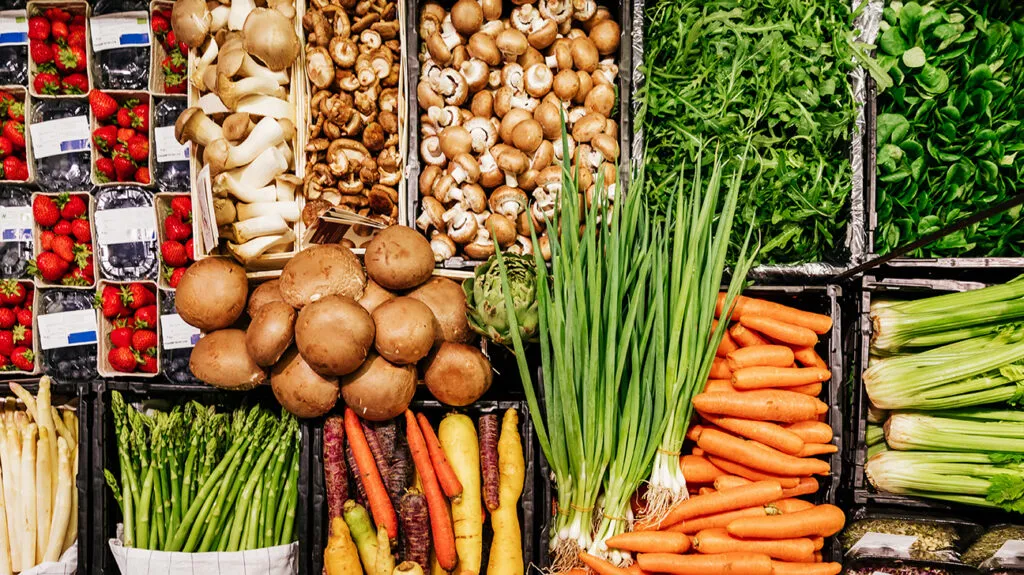
Green leafy vegetables are an excellent option for people with diabetes as they are low in calories and carbohydrates. They are also rich in fibre and help with sugar absorption in the early stages. A diabetic patient must consume Spinach, fenugreek leaves, and drumstick in their daily meals. Drumstick leaves, in particular, have been shown to reduce diabetes as they are rich in ascorbic acid, which increases insulin secretion, thus reducing sugar levels.
Whole grains:
Replacing refined grains with whole grains can significantly help in reducing diabetes. Whole grains are rich in fibre and nutrients compared to refined greens. Additionally, they have a lower Glycemic index, which means they have less of an impact on blood sugar levels. Excellent examples of whole grains include brown rice, raggi, and rice. Raggi is an excellent option as it reduces oxidative stress and inflammation, which helps control diabetes.
Berries:
Berries like strawberries, blueberries, raspberries, blackberries, and Jamun are an excellent option as they have antioxidants that reduce oxidative stress, which is common in diabetic patients. They are also an excellent source of vitamin C, which helps maintain balanced blood sugar levels.
Beans:
Beans are another excellent food for managing diabetes as they are low in glycemic index and can reduce blood sugar levels. Since they are complex carbohydrates, they digest slowly compared to other carbohydrate diets, aiding weight loss and reducing blood sugar and cholesterol levels. Excellent examples include soybeans, kidney beans, and chickpeas.
Citrus fruits:
Citrus fruits like oranges and lemons have amazing antidiabetic properties and contain bioflavonoids. These fruits are an excellent source of vitamins and minerals without adding carbohydrates to the food. Vitamin C found in all these citrus fruits also helps in controlling blood sugar levels.
While incorporating these foods into one’s diet is essential for diabetic patients, it is equally crucial to avoid consuming sugary foods and those with high glycemic acid. Skipping meals is not recommended for diabetic patients.




Health
Pharmacists body urges FG to establish presidential committee for sector
The association noted that local drug production currently accounts for just over 38 percent of national demand, far below the 70 percent target set in the National Drug Policy 2021.

The Association of Community Pharmacists of Nigeria (ACPN) urges the Federal Government to establish a presidential committee dedicated to the pharmaceutical sector, implementing the National Drug Distribution Guidelines, and strengthening existing laws against fake drugs.
ACPN made the call while reacting to the government’s recent ban on imported drugs, describing the move as a strategic step toward strengthening local pharmaceutical manufacturing and conserving foreign exchange.
In a statement jointly signed by its National Chairman, Ambrose Ezeh and National Secretary, Omokhafe Ashore, the association said the updated prohibition schedule covering drugs under HS Codes 3003.10.00.00 through 3004.90.00 signals renewed commitment to protecting domestic industry players.
The ACPN specifically highlighted the ban on the importation of commonly used medicines such as paracetamol tablets and syrups, metronidazole, clotrimazole, chloroquine, multivitamins, aspirin and folic acid, as well as topical preparations like penicillin and gentamycin ointments.
It described the development as a “step in the right direction” that would boost investor confidence in Nigeria’s pharmaceutical sector.
The association noted that local drug production currently accounts for just over 38 percent of national demand, far below the 70 percent target set in the National Drug Policy 2021.
It attributed this gap partly to continued dependence on imports, especially from China and India, which it said accounts for about 65 per cent of drug supply in the country.
It also urged reforms in pharmaceutical education and training to expand the pool of skilled professionals across industry, clinical, hospital and community practice.
Health
2026 World Malaria Day: WHO lists 5 steps to eliminate malaria by 2030
World Malaria Day 2026 is observed on April 25th under the theme “Driven to End Malaria: Now We Can. Now We Must”
The World Health Organization (WHO) has listed five priority steps that could be taken by malaria-endemic countries especially in Africa to achieve the 2030 global target of eliminating malaria.
WHO emphasises the need for global malaria eradication marking the 2026 World Malaria Day with the theme: “Driven to End Malaria: Now We Can. Now We Must”
World Malaria Day 2026 is observed on April 25th under the theme “Driven to End Malaria: Now We Can. Now We Must”.
It highlights the potential to eliminate malaria in our lifetime, supported by new vaccines and next-generation nets, while urging immediate, accelerated action to address rising threats.
First, WHO said that countries must lead the malaria response with strong national ownership. It noted that when governments prioritize malaria as a dividend of national development and mobilize domestic resources, they lay the foundation for sustainable impact.
Second, it suggested a strategic intelligence action. It noted that robust surveillance systems, improved use of evidence and data analytics allow countries to anticipate threats, deploy interventions more effectively and ensure that resources are used where they can achieve the greatest impact.
Third, it highlighted that innovation must be accelerated and scaled equitably.
WHO said the introduction of malaria vaccines, new vector control tools, and improved treatment strategies represents a major step forward.
At the same time, strengthening Africa’s research capacity and regional manufacturing can help ensure that innovation benefits those who need it most.
Fourth, it insisted that Primary Health Care (PHC) centres must remain at the center of the malaria response. And that people-centered health services delivered through strong community platforms enable early diagnosis, timely treatment and sustained prevention.
And fifth, WHO noted that ending malaria requires a whole-of-society effort. Environmental, social and economic factors shape malaria transmission.
Health
Cross River identifies 10 more persons with COVID symptoms
The epidemiologist reminded members of the public that COVID-19, which broke out six years ago, had not been totally eliminated.
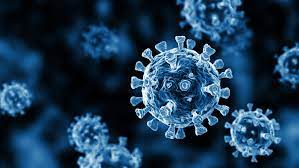
The Cross River State government that contact tracing carried out by health officials have dentified and isolated 10 persons who interacted with the Chinese national who reimported COVID-19 into Nigeria.
The State’s Epidemiologist, Dr Inyang Ekpenyong, said that her team visited the Chinese national’s work place in Akamkpa Local Government Area of the state.
“They were identified during contact tracing carried out by health officials. We’ve restricted their movements to their homes, so that they do not spread the symptoms to other persons, she said.”
The epidemiologist reminded members of the public that COVID-19, which broke out six years ago, had not been totally eliminated.
She cautioned people to habitually sanitise their hands, use nose masks, and adhere to other prescriptions by experts.


Presidency replies Emir Sanusi on “Why are we still borrowing and borrowing?”

Nigeria Issues Safety Advisory to Citizens in South Africa over attacks on foreigners

Ex-Super Eagles striker Michael Eneramo dies after collapsing during match

Tech Expert, Zuckerberg trains with UFC champions, Adesanya, Alexander

Organ Trafficking: Ekweremadu bags 10 years in UK prison

SAINT OBI: Between his marriage and his death
-

 News2 days ago
Kano: Gov Yusuf Nominates Murtala Garo as Deputy Governor
-

 News2 days ago
LASG Fixes Last Saturdays Monthly Environmental Sanitation 6:30 am – 8:30 am
-

 Crime2 days ago
Angwa-Rukuba killings: Plateau Government Files Charges Against Five Suspects Arrested By DSS
-

 News2 days ago
JUST IN: Alleged Coup Plotters Set for Arraignment at Noon Wednesday
-

 Politics2 days ago
Police Disrupt BAT/OGD Rally in Ogun
-

 News2 days ago
Adelabu Submits Resignation Letter to SGF, Recommends Creation of Coordinating Minister for Energy
-

 Politics2 days ago
Supreme Court postpone ruling on ADC’s leadership disputes
-

 Business2 days ago
Government Can’t Run Business Effectively – Dele Oye