
International
Deported Nigerian Claims Ghanaian Officials Abandoned Him in Togo

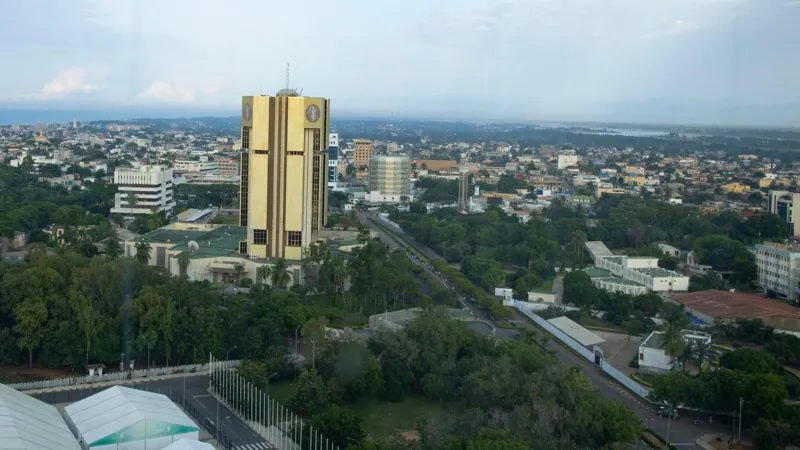
A Nigerian man deported from the United States to Ghana has alleged that he is now stranded in Togo after Ghanaian authorities secretly transferred him and five others across the border without informing Togolese officials.
According to on Wednesday, the man, who spoke anonymously, said he was initially held at a military camp in Ghana after being deported last month along with other West African nationals. He claims Ghanaian officials promised to relocate them to better accommodation but instead covertly transported them into neighbouring Togo via a back route.
“They did not take us through the main border; they took us through the back door. They paid the police there and dropped us in Togo,” he said.
The group, which includes three Nigerians, a Liberian, and others, is now sheltering in a hotel in Lomé, the Togolese capital. None of them have valid documentation, and they are relying on hotel staff to help receive financial aid from relatives abroad.
“We’re struggling to survive in Togo without any documentation,” the man told the BBC. “None of us has family here. We’re just stuck.”
He said life in the Ghanaian military camp was “deplorable,” citing poor water, lack of medical care, and harsh conditions. After complaints to authorities, the group was told they would be moved to a hotel. Instead, they were driven to the Togo border and allegedly coerced under false pretenses.
“When we arrived [at the border], we asked what we were doing there. They told us we needed to sign some paperwork to go to a hotel. We didn’t sign anything,” he said.
The man also shared the personal toll of his deportation. “I have a house in the US where my kids live. How am I supposed to pay the mortgage? My kids can’t see me. It’s just so stressful.”
He is reportedly a member of the Yoruba Self-Determination Movement, an organisation campaigning for an independent Yoruba nation in south-west Nigeria. He fears persecution if forced to return to Nigeria and claims he had court-ordered protection in the US, which should have prevented his deportation. The US government has not publicly addressed this claim.
The deportee was part of a larger group of West Africans — including citizens of Liberia, The Gambia, and Togo — who were flown from US detention facilities to Ghana last month. Human rights lawyers representing the group have filed legal action against both the US and Ghana, citing violations of international protection and due process.
Ghanaian officials, including Foreign Minister Samuel Okudzeto Ablakwa, have defended their decision, saying Ghana accepted the deportees based on “pan-African empathy” and denied receiving any financial compensation.
However, the deal — announced by President John Mahama — has drawn criticism from opposition lawmakers, who are now calling for its suspension until it is properly reviewed and ratified by parliament. Despite the controversy, the government is reportedly preparing to receive an additional 40 deportees.
As the legal battle unfolds and diplomatic pressure mounts, the fate of the stranded deportees in Togo remains uncertain.







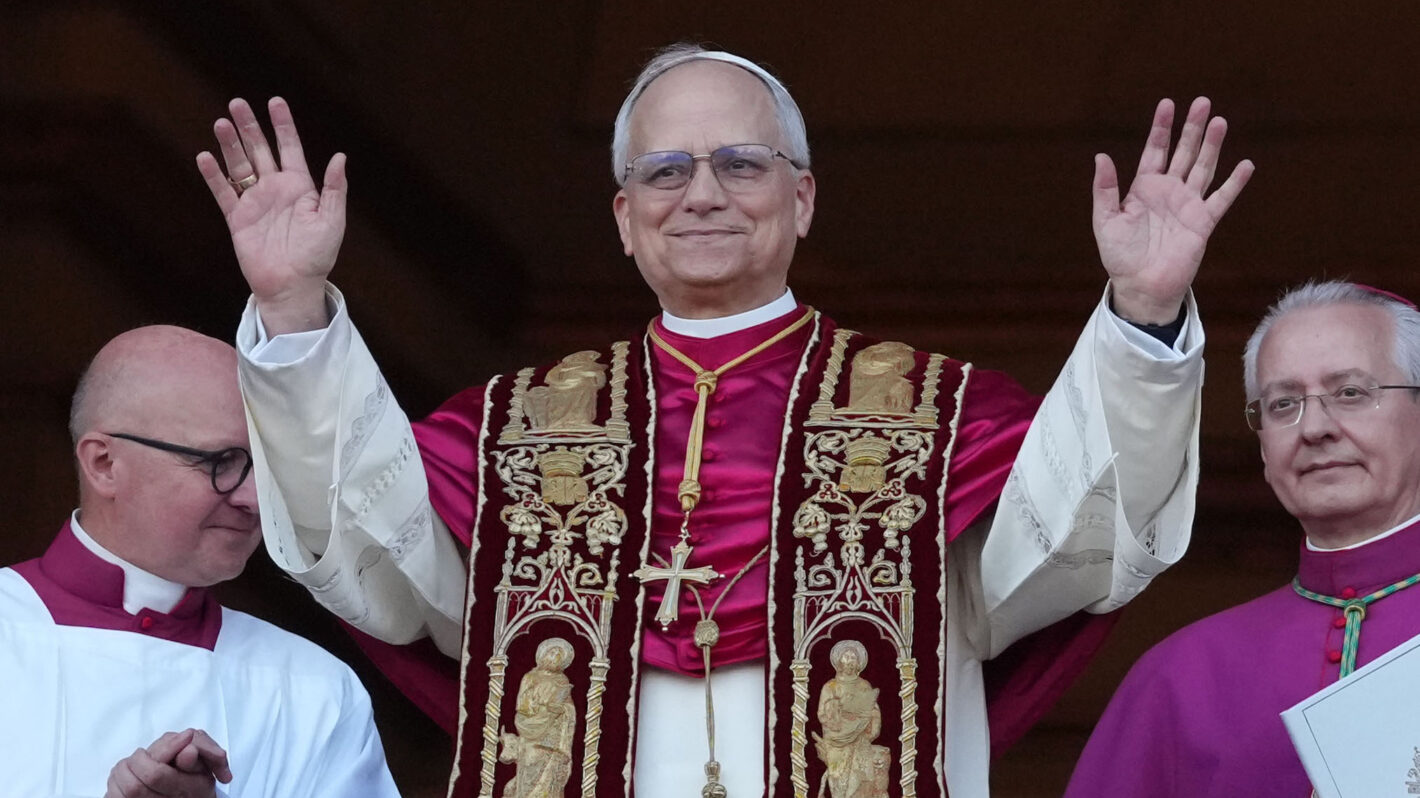
Pope Leo XIV has announced that he will undergo surgery in the coming days to remove a small, localized nodule found on his lung during a recent routine medical checkup.
The 71-year-old pontiff made the disclosure himself during his weekly Angelus prayer in St. Peter’s Square. “Doctors found a localized nodule in my lung,” he said. “It was detected at a very early stage and is well-contained.
The doctors believe it is advisable to intervene, so, following their advice, I have decided to undergo surgery to remove it.”
The Vatican confirmed the operation is scheduled for the first days of this week at Rome’s Gemelli Hospital, which has a dedicated papal suite. Holy See spokesman Matteo Bruni said the Pope is expected to need about a week to recover. On Monday, the Vatican added that Leo will be admitted Tuesday morning.
The nodule’s nature—whether benign or malignant—has not been specified. Medical experts note that most lung nodules are non-cancerous, and early detection generally carries a favorable outlook.
This marks the first significant health issue of Leo’s papacy since his election in May 2025. The American-born pope, known for remaining physically active, has continued his full schedule of audiences and is still expected to proceed with a planned trip to Latin America next month.
International
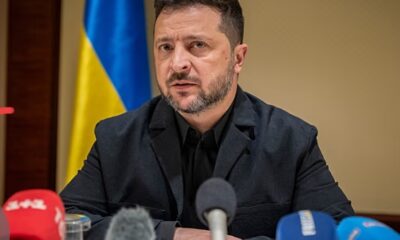
‘Up to our people’ to pick leader, Zelenskyy responds to Trump’s pledge for new elections in Ukraine
Russia and Ukraine are locked in a long-range aerial war while their armies remain largely deadlocked on the front line, more than four and a half years after Moscow’s full-scale invasion.


• Ukrainian President Volodymyr Zelenskyy
Ukrainian President Volodymyr Zelenskyy said Sunday his country could hold elections if Russia agreed to a 60-day total ceasefire, pushing back against US counterpart Donald Trump’s call for Ukraine to pick a new leader.
“First of all, with all respect to President Trump, it’s up to our society, up to our people to choose one or another leader”, Zelenskyy told ABC News in a televised interview, a day after Trump said Ukraine needed a new president who would agree to end the war.
Zelenskyy said he told Trump’s team that if they really wanted Ukraine to hold elections, “please tell Putin to give us two months, 60 days of total ceasefire, 60 days, and we will organise elections”.
“We want peace, we are ready for a ceasefire, we are ready to begin with any kind of steps of de-escalation”, Zelenskyy told ABC in a TV interview.
“And if the Russians want us not to attack their diesel, their refineries, etc., we are asking President Trump to give them a signal not to attack the energy infrastructure of Ukraine”.
Russia and Ukraine are locked in a long-range aerial war while their armies remain largely deadlocked on the front line, more than four and a half years after Moscow’s full-scale invasion.
Euro News
International
Time for Ukraine to get a new president’, says Trump
“It’s time for Ukraine to get a new president” he told reporters.
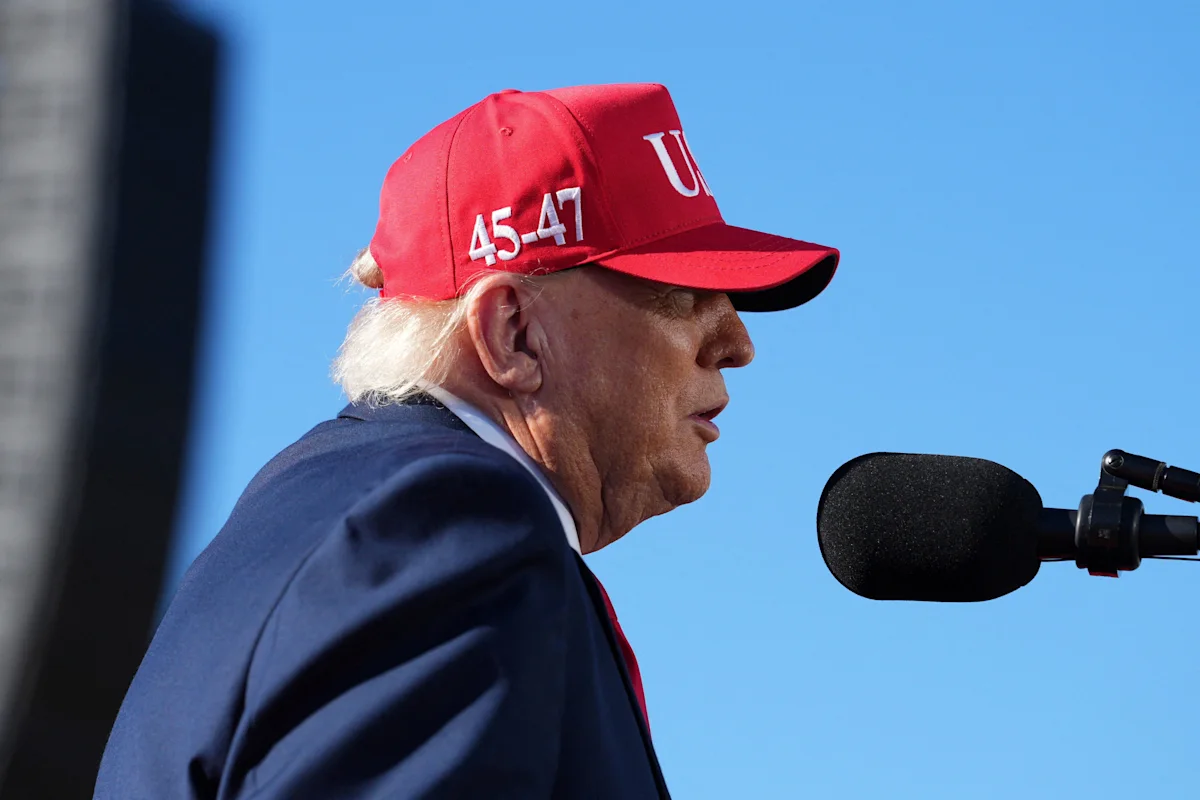
US President Donald Trump has called for new leadership in Ukraine, criticising President Volodymyr Zelensky for striking Russian oil refineries.
“It’s time for Ukraine to get a new president” he told reporters.
On Friday Trump announced a deal with Moscow to import Russian diesel, a deal Zelensky described as “a gift” to President Putin.
BBC.


AI to eliminate 40% of global jobs – IMF boss

JUST IN: Pope Leo XIV to Undergo Surgery for Early-Stage Lung Nodule

FG Withdraw Charges Against PFIPC DG Adeyemi

Tech Expert, Zuckerberg trains with UFC champions, Adesanya, Alexander

Organ Trafficking: Ekweremadu bags 10 years in UK prison

SAINT OBI: Between his marriage and his death
-
 Business21 hours ago
Nigeria’s ₦33bn Fruit Import Bill Exposes Missed Opportunities in Jos
-
 Business21 hours ago
Naira To Dollar, Pound ,Euro …Rates For Monday, October 12
-
 International1 day ago
‘Up to our people’ to pick leader, Zelenskyy responds to Trump’s pledge for new elections in Ukraine
-
 Opinions1 day ago
Human Capital Africa Statement For International Day of the Girl Child 2026
-

 News21 hours ago
Forbes Scores GTBank Best Employers 2026
-
 Politics19 hours ago
2027: 119 Women Jostle For State’s Governors
-
 Politics15 hours ago
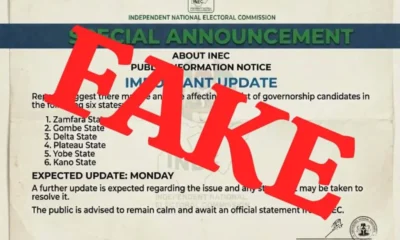
BEWARE: Fake 2027 Gov’ Candidates List Circulating Online — INEC Raises Alarm
-

 International1 day ago
Time for Ukraine to get a new president’, says Trump