
International
BREAKING: US House of Representatives Begins Investigation Into Alleged Christian Genocide in Nigeria

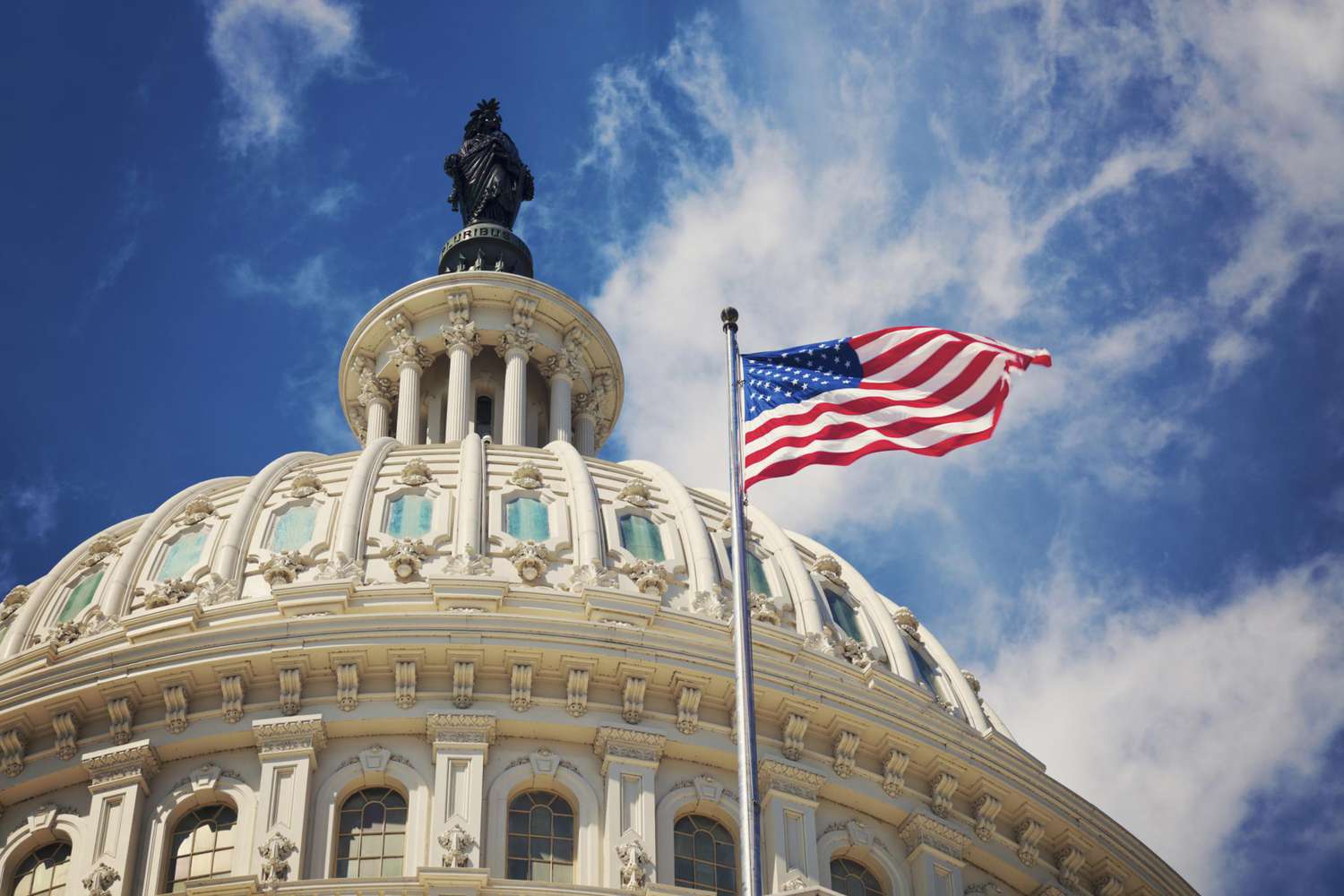
The United States House of Representatives Subcommittee on Africa will on Thursday, November 20, 2025, hold a public hearing to examine President Donald Trump’s decision to redesignate Nigeria as a Country of Particular Concern (CPC) over alleged violations of religious freedom.
The hearing, scheduled for 11 a.m. in Room 2172 of the Rayburn House Office Building and to be streamed live, will be chaired by Rep. Chris Smith (R-NJ), a long-standing advocate for global religious liberty.
According to an invitation circulated to members of the House Committee on Foreign Affairs, the session will feature two panels. The first will include senior U.S. State Department officials—Jonathan Pratt, Senior Bureau Official for African Affairs, and Jacob McGee, Deputy Assistant Secretary in the Bureau of Democracy, Human Rights, and Labor.
A second panel will comprise representatives of religious and policy organisations, including Nina Shea of the Centre for Religious Freedom, Bishop Wilfred Anagbe of the Makurdi Catholic Diocese, and Oge Onubogu of the Centre for Strategic and International Studies (CSIS).
The review aims to assess the extent of religious persecution in Nigeria and consider potential U.S. responses, which could include sanctions, humanitarian support, or expanded collaboration with Nigerian authorities.
Trump’s Renewed Pressure
President Trump reignited tensions on October 31, 2025, when he restored Nigeria to the CPC list, a designation that allows punitive measures against foreign officials accused of religious repression. In a statement the following day, he warned that Christians in Nigeria faced an “existential threat,” and threatened to suspend all U.S. assistance to Nigeria if the killings continued. He also suggested possible military action, directing the “Department of War” to prepare for intervention.
Tinubu Rejects Allegations
President Bola Tinubu dismissed Trump’s claims, saying they do not reflect the realities of religious freedom in Nigeria. In a statement posted on X, Tinubu insisted that Nigeria upholds constitutional protections for all faiths and remains committed to religious tolerance.
Growing Scrutiny in Washington
Nigeria’s CPC redesignation has revived international attention on years of violent attacks in parts of the country, including killings, mass abductions, and the destruction of churches in northern and central regions. A companion bill backing the designation has also been introduced in the U.S. Senate by Senator Ted Cruz.
One of the scheduled witnesses, Bishop Anagbe, has regularly highlighted the plight of Christian communities in Benue State, telling UK lawmakers in March 2025 that many families had fled to IDP camps following repeated assaults by extremists and armed groups.
Republican Lawmakers Apply Pressure
Rep. Riley Moore (R-WV), in a recent Fox News interview, said congressional committees had already begun evaluating the situation, working with the State Department and the White House. He argued that Christians in Nigeria face severe persecution and criticised Tinubu’s rejection of the allegations. Moore also claimed that preliminary congressional findings indicate Christians are being killed at a rate higher than Muslims.
He added that the CPC designation provides the U.S. with a range of options—including sanctions, freezing funds, and even potential military action—if conditions do not improve.







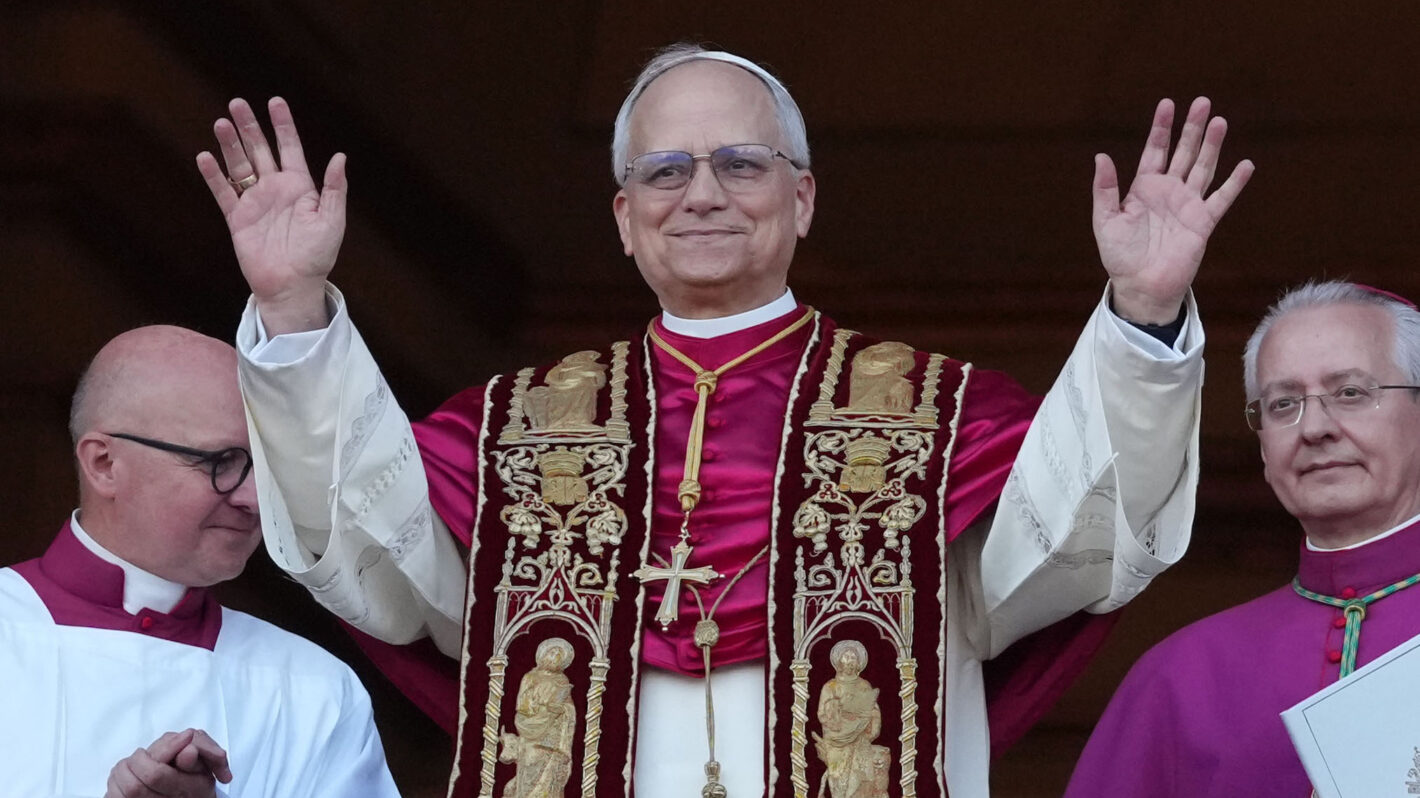
Pope Leo XIV has announced that he will undergo surgery in the coming days to remove a small, localized nodule found on his lung during a recent routine medical checkup.
The 71-year-old pontiff made the disclosure himself during his weekly Angelus prayer in St. Peter’s Square. “Doctors found a localized nodule in my lung,” he said. “It was detected at a very early stage and is well-contained.
The doctors believe it is advisable to intervene, so, following their advice, I have decided to undergo surgery to remove it.”
The Vatican confirmed the operation is scheduled for the first days of this week at Rome’s Gemelli Hospital, which has a dedicated papal suite. Holy See spokesman Matteo Bruni said the Pope is expected to need about a week to recover. On Monday, the Vatican added that Leo will be admitted Tuesday morning.
The nodule’s nature—whether benign or malignant—has not been specified. Medical experts note that most lung nodules are non-cancerous, and early detection generally carries a favorable outlook.
This marks the first significant health issue of Leo’s papacy since his election in May 2025. The American-born pope, known for remaining physically active, has continued his full schedule of audiences and is still expected to proceed with a planned trip to Latin America next month.
International
‘Up to our people’ to pick leader, Zelenskyy responds to Trump’s pledge for new elections in Ukraine
Russia and Ukraine are locked in a long-range aerial war while their armies remain largely deadlocked on the front line, more than four and a half years after Moscow’s full-scale invasion.


• Ukrainian President Volodymyr Zelenskyy
Ukrainian President Volodymyr Zelenskyy said Sunday his country could hold elections if Russia agreed to a 60-day total ceasefire, pushing back against US counterpart Donald Trump’s call for Ukraine to pick a new leader.
“First of all, with all respect to President Trump, it’s up to our society, up to our people to choose one or another leader”, Zelenskyy told ABC News in a televised interview, a day after Trump said Ukraine needed a new president who would agree to end the war.
Zelenskyy said he told Trump’s team that if they really wanted Ukraine to hold elections, “please tell Putin to give us two months, 60 days of total ceasefire, 60 days, and we will organise elections”.
“We want peace, we are ready for a ceasefire, we are ready to begin with any kind of steps of de-escalation”, Zelenskyy told ABC in a TV interview.
“And if the Russians want us not to attack their diesel, their refineries, etc., we are asking President Trump to give them a signal not to attack the energy infrastructure of Ukraine”.
Russia and Ukraine are locked in a long-range aerial war while their armies remain largely deadlocked on the front line, more than four and a half years after Moscow’s full-scale invasion.
Euro News
International
Time for Ukraine to get a new president’, says Trump
“It’s time for Ukraine to get a new president” he told reporters.
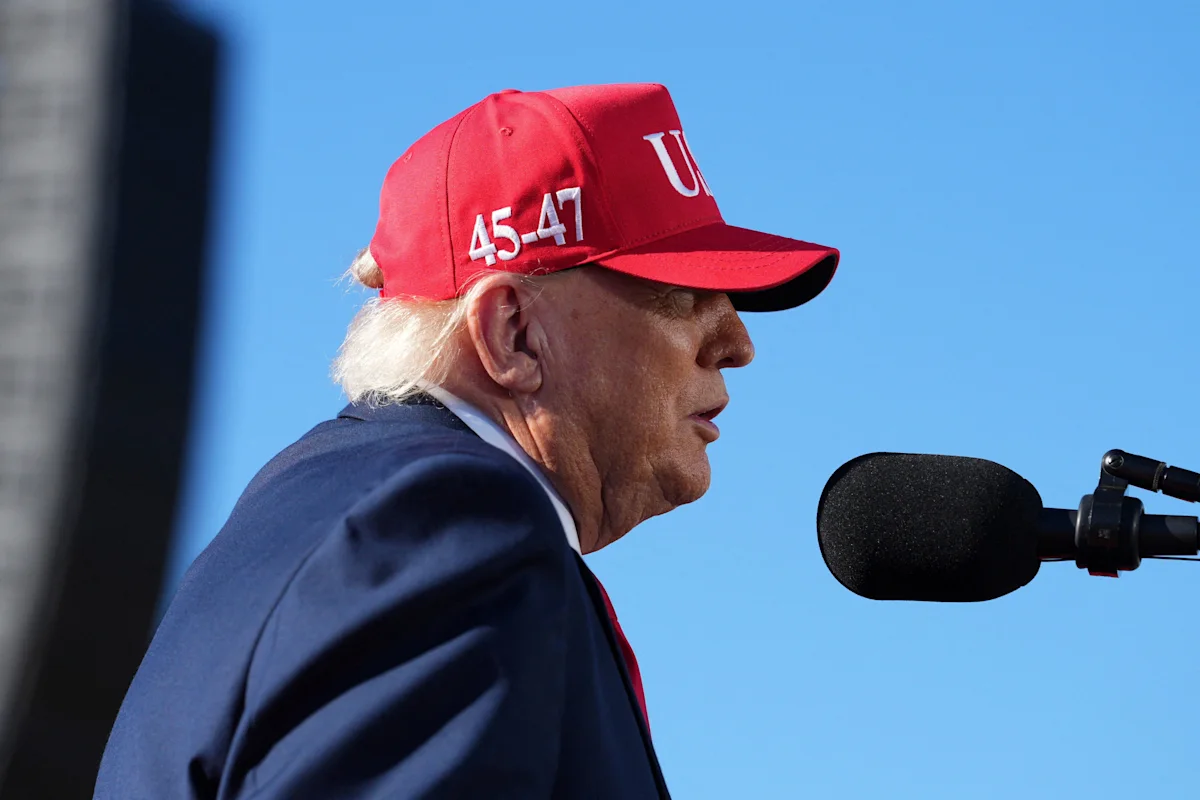
US President Donald Trump has called for new leadership in Ukraine, criticising President Volodymyr Zelensky for striking Russian oil refineries.
“It’s time for Ukraine to get a new president” he told reporters.
On Friday Trump announced a deal with Moscow to import Russian diesel, a deal Zelensky described as “a gift” to President Putin.
BBC.


AI to eliminate 40% of global jobs – IMF boss

JUST IN: Pope Leo XIV to Undergo Surgery for Early-Stage Lung Nodule

FG Withdraw Charges Against PFIPC DG Adeyemi

Tech Expert, Zuckerberg trains with UFC champions, Adesanya, Alexander

Organ Trafficking: Ekweremadu bags 10 years in UK prison

SAINT OBI: Between his marriage and his death
-

 Business19 hours ago
Nigeria’s ₦33bn Fruit Import Bill Exposes Missed Opportunities in Jos
-
 Business20 hours ago
Naira To Dollar, Pound ,Euro …Rates For Monday, October 12
-
 International1 day ago
‘Up to our people’ to pick leader, Zelenskyy responds to Trump’s pledge for new elections in Ukraine
-

 Opinions1 day ago
Human Capital Africa Statement For International Day of the Girl Child 2026
-
 Politics14 hours ago
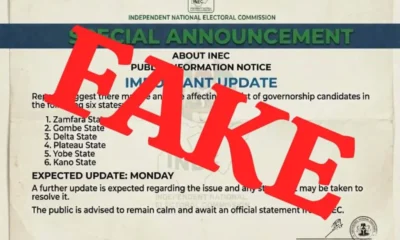
BEWARE: Fake 2027 Gov’ Candidates List Circulating Online — INEC Raises Alarm
-

 International1 day ago
Time for Ukraine to get a new president’, says Trump
-

 News20 hours ago
Forbes Scores GTBank Best Employers 2026
-
 Politics18 hours ago
2027: 119 Women Jostle For State’s Governors