
News
BREAKING: Oodua groups back Tinubu on fuel subsidy removal


The Coalition of Oodua Self-Determination Groups has appealed to Nigerians to support the subsidy removal by President Bola Tinubu saying that he took the right decision.
The leader of the Yoruba groups, Mr Razak Olokoba, while speaking in a joint press conference held at the Airport Hotel, Ikeja, Lagos State on Tuesday, June 6, 2023, said Nigeria cannot continue to budget trillions of naira on fuel subsidy alone.
He said, “For this year, 2023, Nigeria budgeted N11 trillion of its oil revenue on subsidising petrol alone. This cannot continue. This is good money going down the drain, with little or nothing to show for it.
“This huge amount can be channelled into solving our several deficits, including, infrastructural, housing, education, healthcare and generally upgrading the quality of life for Nigerians. It will also help strengthen the naira.
Olokoba stressed that Nigeria’s economy depends 90 per cent on petroleum exports for its revenue and one-third of its Gross Domestic Product has been zero revenue from the sector, adding, “Tinubu said he inherited the assets and liabilities of the last regime. Nigeria currently owes massive local and foreign debts to the tune of N71 trillion.”
The group’s leader maintained that if the subsidy is not killed, it will kill Nigerians while explaining that since the year 2000 when the Nigerian government gave 20 refinery licences to private companies, adding that none was built apart from Dangote’s recently inaugurated.
Olokoba further encouraged competition in the oil sector, noting that it will bring about lower prices.
Details later…






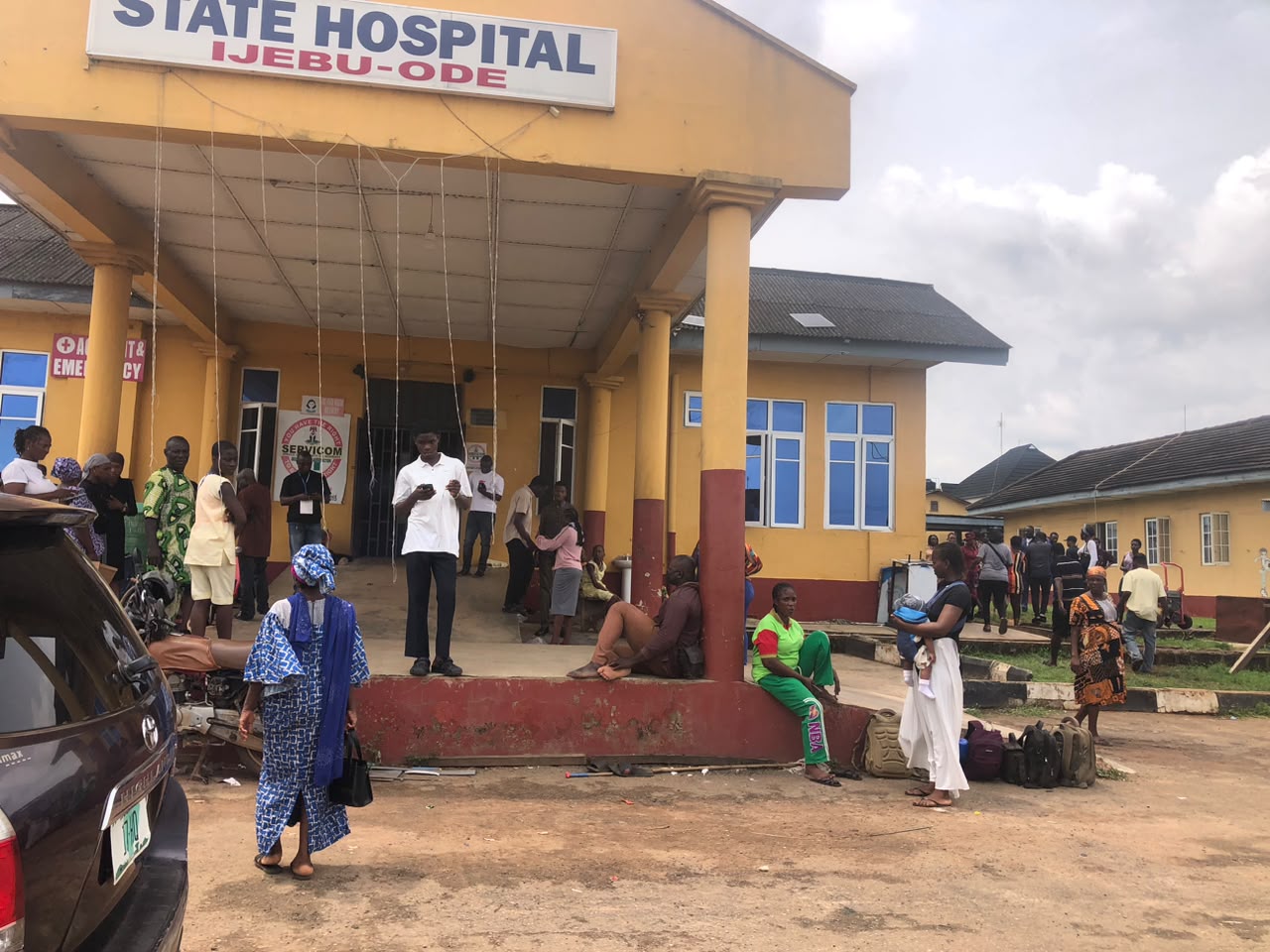
Hundreds of students were hospitalised on Wednesday morning after fresh gaseous emissions hit parts of Ogun State, including Ijebu-Ode, Ijebu-Igbo and Ago-Iwoye.
The incident affected pupils at Anglican Girls Grammar School, Obalende, Ijebu-Ode, and Ijebu-Igbo Girls Grammar School. Several schools in Ago-Iwoye suspended academic activities and sent students home as a precaution.
Kehinde Bello, General Manager of the Ogun State Environmental Protection Agency (OGEPA), visited the affected areas and linked the emissions to underground gas previously recorded in Ijebu-Ode since April 2026. He said the situation was under control and attributed the releases to natural geological and tectonic fault lines, ruling out sabotage or a gas pipeline leak.
Bello assured residents that the state government was working on a lasting solution. He advised anyone exposed to the odour to cover their noses and mouths with wet handkerchiefs.
The recurring emissions have renewed concerns about the safety of students and residents in the affected communities.

Former Delta State Governor Dr. Emmanuel Eweta Uduaghan is dead. He passed away on the morning of Monday, October 19, 2026, at the age of 71, after a period of illness.
A family statement announced his death, describing it as a devastating loss. Uduaghan, a medical doctor, served as Delta State Commissioner for Health (1999–2003) and Secretary to the State Government (2003–2007) before becoming governor from 2007 to 2015. He was known for contributions to infrastructure and human capital development in the state.
Delta State Governor Sheriff Oborevwori has expressed deep sadness over the passing. In a condolence message, he described Uduaghan as a detribalised leader whose service left a lasting mark on Delta State.
Oborevwori extended heartfelt condolences to Uduaghan’s wife, Roli, his children, the Uduaghan family, the Itsekiri nation, and the people of Delta State, praying for the peaceful repose of his soul.
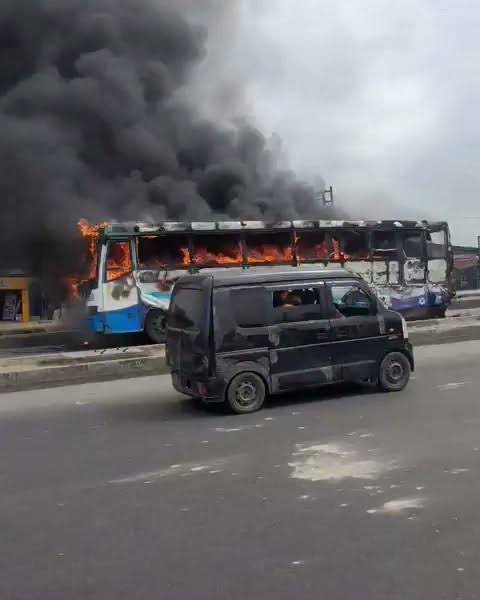
An angry mob has set a Bus Rapid Transit (BRT) bus on fire after it reportedly crushed a commercial motorcyclist to death at Ogolonto Bus Stop along Ikorodu Road in Lagos State.
The incident occurred on Friday, October 16, 2026. Eyewitness accounts and social media reports indicate that the motorcyclist was riding alone along the restricted BRT lane when the collision happened. He died at the scene.
Enraged residents and youths then attacked the bus driver and set the vehicle ablaze. Police officers and officials of the Lagos Neighbourhood Safety Corps (LNSC), who were nearby, intervened promptly and rescued the driver unharmed.
The identity of the deceased motorcyclist and the exact circumstances of the crash had not been officially confirmed at the time of filing this report. It was also unclear whether any arrests had been made in connection with the burning of the bus.


JUST IN: Gas Emissions Hit Ogun Schools, Hundreds of Pupils Hospitalised

Ebola In Nigeria: Symptoms, Spread and How To Protect Yourself

NDC Plans Fresh Congresses To Replace Defector Members

BREAKING: Lagos Govt Declares Today, Thursday Work-Free to Mark 2026 Ìṣẹ̀ṣe Day

Tech Expert, Zuckerberg trains with UFC champions, Adesanya, Alexander

Organ Trafficking: Ekweremadu bags 10 years in UK prison
-
 Business22 hours ago
Currency Words You Should Know
-

 Sports2 days ago
Mbappé wins Onze d’Or award for 2025/26 season
-
 Business23 hours ago
Naira Exchange Rates Wednesday, October 21, 2026
-

 Business22 hours ago
NCC, CBN To Warn Companies By Flagging Fraudulent Phone Numbers
-

 News3 days ago
JUST IN: Ex-Delta Gov Uduaghan Dies at 71, Oborevwori Mourns
-
 Sports2 days ago
Ronaldo Gets 30-Day Suspension For Portugal Camp Walkout
-
 Business21 hours ago
JPMorgan Eyeing Entry Into Nigeria’s Banking Industry
-
 Business21 hours ago
How I steal ATM users’ PINs, defraud them