
News
CNG: FG sets to rollout initial critical assets May 29

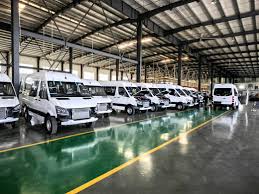
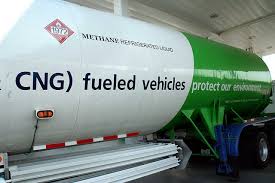
All is now set for the delivery of the first set of critical assets for the deployment and launch of the Compressed Natural Gas (CNG) initiative ahead of the first anniversary of the Tinubu administration on May 29.
According to the presidency, which stated this on Sunday by Special Adviser to the President on Information and Strategy, Bayo Onanuga, Nigeria will take “some baby steps” to join nations that already have large fleets of CNG vehicles by the end of May.
He said: after months of detailed planning and background work, the committee driving the initiative is set to deliver on President Tinubu’s vision and promise, the statement said.
Already, the Presidential Compressed Natural Gas Initiative (PCNGI) committee, led by Michael Oluwagbemi, has delivered some major foundational reforms to enable the new CNG and Electric Vehicles future the president promised.
The statement affirmed, “After the removal of the wasteful fuel subsidy on May 29, 2023, President Bola Ahmed Tinubu launched the Presidential CNG Initiative in October last year to deliver cheaper, safer, and more climate-friendly energy. The CNG Initiative was designed to deliver compressed natural gas, especially for mass transit.”
“The Federal Government, as part of the many intervention programs to reduce the burden of the increase in pump price on the masses, provided N100 billion (part of the N500 billion palliative budget) to purchase 5500 CNG vehicles (buses and tricycles), 100 Electric buses, and over 20,000 CNG conversion kits, alongside spurring the development of CNG refilling stations and electric charging stations,” it added.
The statement observed that with necessary tax and duty waivers approved by President Tinubu in December 2023, the PCNGI committee is partnering with the private sector to deliver on the initiative.
The presidency maintained that the Tinubu administration has opened a new industry, along with creating thousands of new jobs.
“In all, over 600 buses are targeted for production in the first phase, which will be accomplished this year,” it noted.
“As part of private sector collaboration, NIPCO and BOVAS are involved in offering refilling services for the CNG vehicles and also serving as conversion centers,” the statement added.
“The Tinubu administration is an enabler of the evolving CNG industry,” it concluded.








News
A Review of Akwa Ibom State Government’s July Delivery Meeting
Stakeholders at the meeting delivered goodwill messages, commending Governor Umo Eno for institutionalising the Delivery Meeting as a platform for transparency, accountability, and inclusive governance.

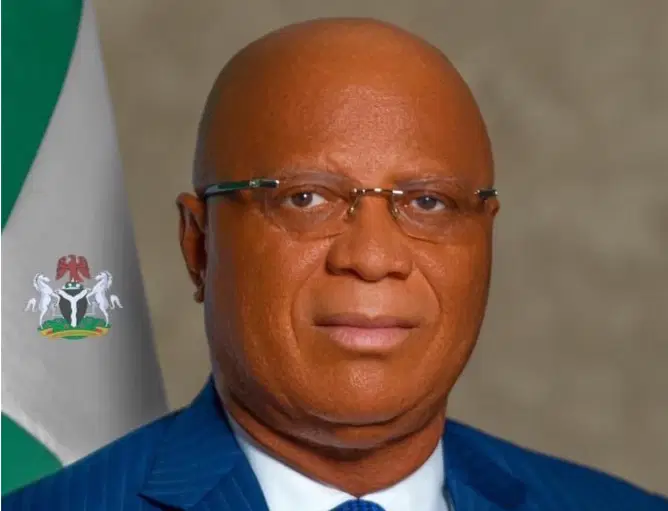
Image: Governor Umo Eno
- The Akwa Ibom State Government’s Monthly Delivery Meeting concluded its two-day July session, with Governor Umo Eno presiding over an extensive review of the administration’s strategic projects across key sectors.
- Hon. Aniekan UmanahCommissioner for Information, reported that the meeting forms part of ongoing efforts to monitor implementation, evaluate progress, and ensure the timely delivery of projects under the ARISE Agenda.
- In his opening remarks on Day Two, Governor Eno reiterated that the Delivery Meeting has become a vital accountability mechanism for tracking the performance of government projects and ensuring that every initiative delivers measurable value to the people of the State.
- He stressed that the sessions provide an opportunity for honest appraisal, collective problem-solving, and improved coordination among implementing agencies as the administration continues to deliver on its commitments under the ARISE Agenda. Quoting the Greek philosopher Socrates, the Governor said, “An unexamined life is not worth living.”
- Before the commencement of the Day Two session, Governor Eno paid an unscheduled visit to the ARISE Palm Resort, an audacious tourism project built on a 73-hectare gully reclamation site, to verify claims made during the previous day’s presentations and assess firsthand the level of progress on the facility, which is scheduled for commissioning later in the year.
- The meeting received comprehensive presentations on key projects across multiple sectors of the state’s development programme, including agriculture, trade and investment, maritime and transportation, health, internal security, housing, tourism, local government administration, direct labour projects, and other flagship initiatives.
- Under the agricultural sector, presentations were made on the Ibom Model Farm, Agric Equipment Leasing Company, Distribution of Oil Palm Seedlings Programme, Dakkada Global Oil Palm Project, and the Akwa Ibom Agricultural Development Programme (AKADEP), with emphasis on mechanised farming, food security, and job creation.
- The Ministry of Trade and Investment presented updates on the International Market, Ikot Ekpene, highlighting its role in boosting commerce, attracting investment, and strengthening regional trade.
- The meeting noted the significant progress recorded on the project and urged the contractors to sustain the pace of work.
- In the maritime and transport sector, updates were presented on the Oron Maritime Infrastructure Project, which is aimed at improving maritime transportation, boosting commerce, and stimulating economic growth as part of the administration’s broader Blue Economy development initiatives.
- The health sector presentation covered the Ibom International Hospital, General Hospitals in Ukanafun, Ibiono Ibom, Ikot Ekpene, Iquita-Oron, Ikot Ekpene Udo, and other State of Emergency Health Projects, reinforcing the government’s commitment to providing accessible, affordable, and quality healthcare services.
- The Ministry of Internal Security and Waterways presented progress on the Counter Terrorism Unit Base, aimed at strengthening security infrastructure and enhancing public safety across the state.
- The Ministry of Housing provided updates on the Doctors’ Residence and the Executive and Legislative Quarters, projects aimed at providing decent accommodation while supporting urban renewal and improving living standards.
- In the tourism sector, progress on the Ibom International Hotel at the Convention Arena was reviewed, with emphasis on repositioning the facility to boost tourism, hospitality, and investment opportunities.
- Updates from the Ministry of Local Government and Chieftaincy Affairs covered the Chairmen’s Lodges, with an assurance that all 31 lodges will be completed by December 2026 to strengthen administrative efficiency at the grassroots level.
- The Direct Labour Committee reported progress on the Youth Development Centres, the One Project Per Local Government Area (Phase II), the Judiciary Village, and the House of Assembly Complex, all aimed at strengthening governance infrastructure and promoting youth development.
- Other strategic projects reviewed included the ARISE Shopping City, ARISE Park Beach Villas, AKBC Project, Model Secondary School, Senior Citizens Centre, and the Nigeria Formr Women Project, reflecting the administration’s broad development agenda across multiple sectors.
- Stakeholders at the meeting delivered goodwill messages, commending Governor Umo Eno for institutionalising the Delivery Meeting as a platform for transparency, accountability, and inclusive governance.
- Senator Effiong Bob commended the Governor for consistently engaging stakeholders in the governance process, noting that the ARISE Agenda is making measurable progress while praising the administration’s openness and transparency. Senior Advocate of Nigeria, Assam Assam, described the meeting as the most impactful yet, citing visible progress across sectors, particularly in healthcare infrastructure and service delivery.
- The Speaker of the Akwa Ibom State House of Assembly, Rt. Hon. Udeme Otong, lauded the Governor’s leadership and assured him of the continued support and collaboration of the State House of Assembly.
- The Oku Ibom Ibibio and President-General of the Supreme Council of Traditional Rulers, His Eminence, Ntenyin Dr. Solomon Etuk, JP, expressed pride in the administration’s developmental strides and commended Governor Eno’s inclusive approach to governance.
- In his closing remarks, Governor Umo Eno appreciated all participants, Heads of Ministries, Departments and Agencies (MDAs), Delivery Advisors, stakeholders, and contractors for their contributions to the two-day review exercise, noting that the sessions were rigorous but necessary in strengthening governance and ensuring accountability.
- The Governor stated that the administration is entering its “harvest season” as it gradually winds down its first term, adding that observations from the meeting would be used to further improve service delivery and implementation efficiency.
- He reaffirmed the government’s commitment to completing all ongoing projects within set timelines and urged implementing agencies to sustain the momentum and maintain high standards in project execution for the benefit of the people of Akwa Ibom State.
- At the conclusion of the Delivery Meeting, Governor Eno led stakeholders on an inspection visit to the Ibom Convention Arena to assess ongoing work on the 200-bed Ibom International Hotel project, which is billed for commissioning later in the year.
News
Explosion rocks Apapa tank farm; NPA, NIMASA move to curtail spread
Following the outbreak the fire service departments of both the Nigerian Ports Authority (NPA) and the Nigerian Maritime Administration and Safety Agency (NIMASA) moved in to curtail the spread of the inferno.
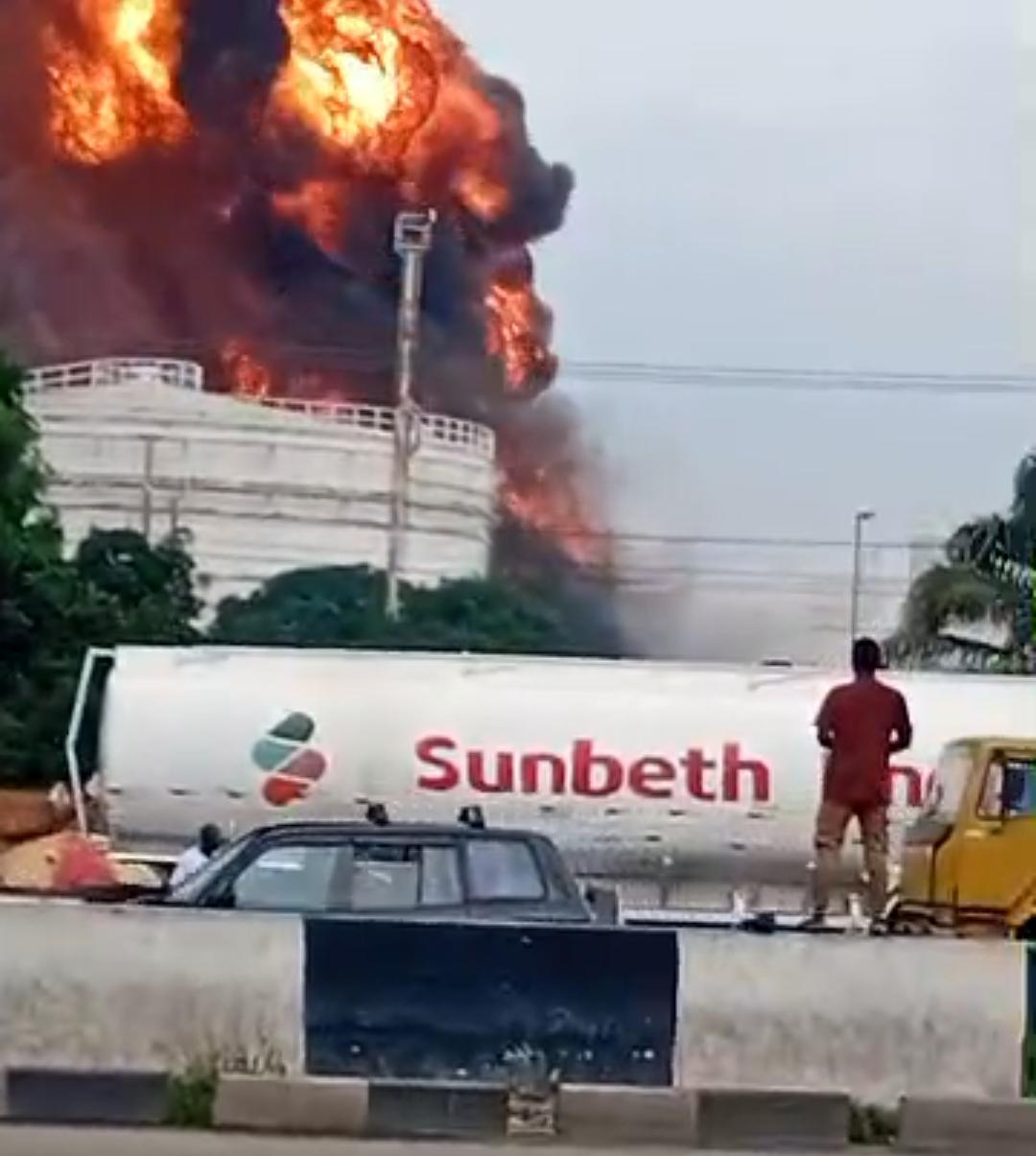
Panic erupted at the Lagos tank farm cluster at Ibafon, Apapa, on Friday morning after a fire broke out at the Bono Tank Farm, located within the Best Energy Tank Farm complex.
The inferno sent residents and workers in the area fleeing for safety as emergency responders moved in to contain the blaze.
Following the outbreak the fire service departments of both the Nigerian Ports Authority (NPA) and the Nigerian Maritime Administration and Safety Agency (NIMASA) moved in to curtail the spread of the inferno.
Efforts to obtain comments from the management of Bono Tank Farm and Best Energy Tank Farm were unsuccessful, as phone calls and text messages sent to their representatives were neither answered nor acknowledged.
News
FG slams 8-count charges on Adeyemi over fake agency ” I’m not a criminal”, he defends
It was learned that the alleged ‘‘fake’’ Presidential Economic Advisory Council/Presidential Foreign Intervention Promotion Council was allocated N1.302 billion in the 2026 Budget of the Federal Government.
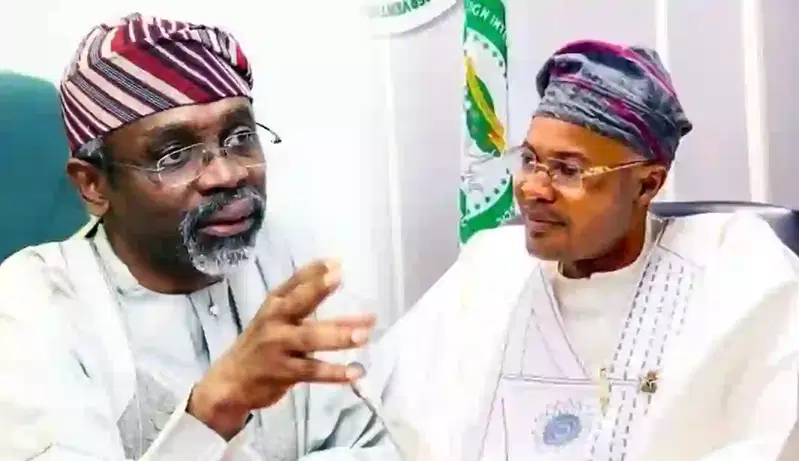
Photo: Gbajabiamila, and Adeyemi
The Federal Government has filed an 8-count charges against Adeniyi Adeyemi, convener of a purported Presidential Foreign Intervention Promotion Council, PFIPC, over the controversy trailing the agency.
Adeyemi, however, fought back claiming that he was given an appointment letter.
Adeyemi, during an appearance on Channels Television claimed that the Chief of Staff to the President, Mr. Femi Gbajabiamila gave him an appointment letter, insisting that he is not a criminal.
However, it was learned that the alleged ‘‘fake’’ Presidential Economic Advisory Council/Presidential Foreign Intervention Promotion Council was allocated N1.302 billion in the 2026 Budget of the Federal Government.
In a statement on Wednesday, Bayo Onanuga, presidential spokesperson, said the charges were filed by the Police on November 27, 2025, against Adeyemi and two accomplices at the Federal High Court in Abuja.
Onanuga said Adeyemi is expected to appear in court on July 27, 2026.


A Review of Akwa Ibom State Government’s July Delivery Meeting

Explosion rocks Apapa tank farm; NPA, NIMASA move to curtail spread

FG slams 8-count charges on Adeyemi over fake agency ” I’m not a criminal”, he defends

Tech Expert, Zuckerberg trains with UFC champions, Adesanya, Alexander

Organ Trafficking: Ekweremadu bags 10 years in UK prison

SAINT OBI: Between his marriage and his death
-
 Business2 days ago
Naira Exchange Rates Thursday July 2, 2026
-
 News2 days ago
FG Launches Digital Education Database, Seeks Full School Participation
-
 News2 days ago
NIPSS: Gunmen attacks again, one killed
-

 Politics3 days ago
ADC, NDC upload presidential tickets to INEC portal for 2027 polls
-
 Politics2 days ago
Atiku appoints Kenneth Okonkwo as spokesperson
-
 Business2 days ago
Issue: Cloning Nigerian Investment Promotion Commission (NIPC)
-
 News3 days ago
Nigeria must never experience another civil war, Obasanjo warns
-
 News3 days ago
Nigeria Moves from Decline to Stability – Finance Minister Oyedele (Photos)