
Health
Father’s Day: LAAF Acknowledges Men’s Daily Challenges, holds Conference in Lagos (Photos)


A globally recognized women-led non-profit organization, the Life After Abuse Foundation (LAAF), has organised a conference for men, with the theme: “The Dear Men”,which focuses on the struggles and silence of men after facing some sort of emotional bullying/trauma.
The event was held on the 14th of June, 2025 in Lagos State.
According to the convener, Halima Layeni, Founder & Executive Director, the group aims to create a more inclusive and supportive global community where the well-being of men is prioritized and supported.
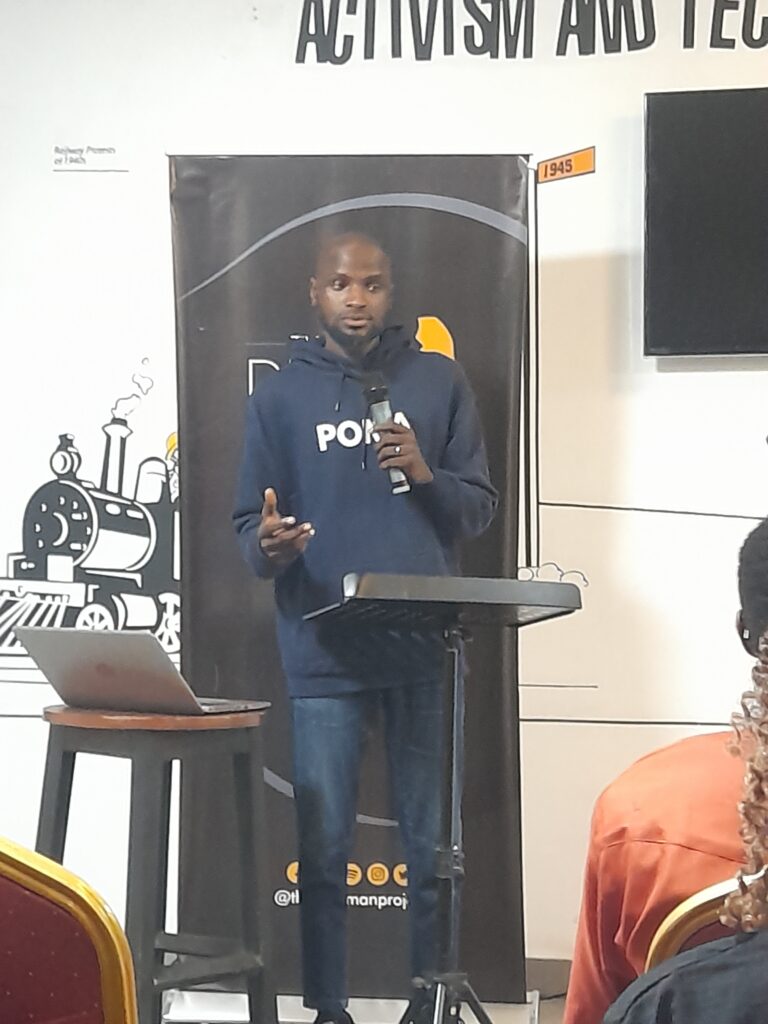
First speaker: Paul Oyewusi (Founder of Circle Men)
He spoke on “Understanding Trauma in Men”.
He said, “though the society has made the men not to speak up about their daily trauma and emotional stress, but it is imminent for such men to start speaking up and stop being shy. He said, no man planned the trauma they pass through while growing up, which has made most men to live the way are currently living.
He however urged such men to man-up, speak up and change the narrative, instead of bottling up the anger, the hatred and the negative character which was born out of their life experience.

Second speaker: Samuel Joseph
He spoke on how Drug and substance abuse affects mental health.
He said “the use of hard drugs and other substances are a major reason why most men are subjected to suicide. He said such drugs affects their mental health and drain them to the state of being unwanted. He also urged the men to speak up whenever they are in such state.

Third Speaker: Shola Adigun (Founder of Father Figure Initiative)
He spoke on Healing the father wound, understanding the impact of an absent father.
He urged the men to fix the issues fathers face in life. Issues which includes backlash from their father, mother or step-father and step-mother which has gravely affected their life as they advance in life.
He also joined other speakers to urge such men to man-up, speak up and change the narrative, instead of bottling up anger, hatred and negative character.

Fourth Speaker: Mustalpha Adeyemi (President KB Club)
He spoke on Emotional Vulnerability in Men.
He stressed that men should open up, engage with someone, explaining what they are going through. According to him, the men are seen as super humans who hardly show their feelings, which makes the society feel they are less vulnerable.
Mustalpha also said, at least 40 percent of men face series of maltreatments but are shy to speak up due to condemnations or being seen as a weakling.

Fifth Speaker: Barr. Dare Asobele, Founder and coordinator of Anti Suicide prevention squad.
He addressed the men on Toxic Masculinity and Healthy Masculinity.
He encouraged the men not to allow trauma take the best part of them. In his words, he said: “do not bottle your emotions”, Find a safe space to take, get help, do regular exercise, find an enabling environment, seek a therapist, do not allow trauma to define who you are, let go of the past, forgive yourself, forgive your parent or whomever that have caused you trauma, and see how you can become a better man in the society.
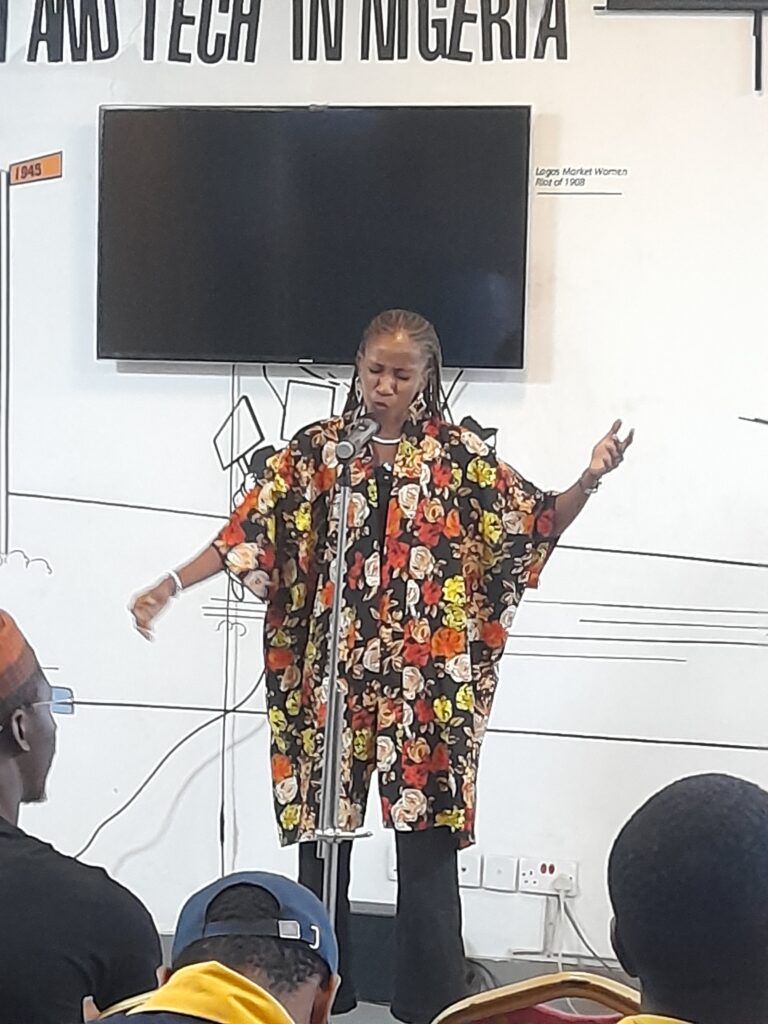
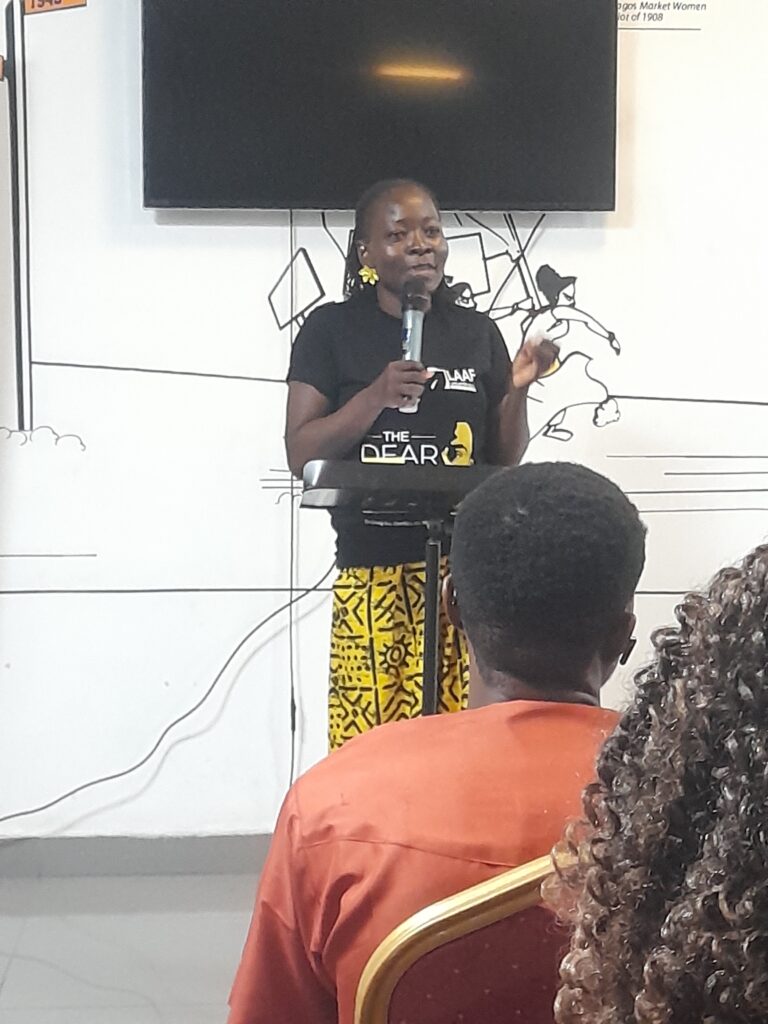
Other photos:












Health
Medical Oxygen Killing More Than 600,000 Nigerians Annually
The project started its first phase by carrying out intervention work in three industrial areas of the state: quarry industrial site in Onueke, rice mill in Abakaliki, and timber market


•Professor Jesse Uneke
The Vice Chancellor of David Umahi Federal University of Health Sciences (DUFUS), Ebonyi State, Professor Jesse Uneke, has estimated that more than 600,000 Nigerians died yearly due to issues relating to the administration of medical oxygen.
Uneke, who is the Nigerian and State Lead/Principal Investigator for the EQUI-RESP Africa Research Project, disclosed this in Abakaliki, during the First Stakeholders’ Engagement Event/Co-Creation Workshop on Medical Oxygen Economy organised by the university in conjunction with the University of Edinburgh, UK, supported by the National Institute for Health and Research (NIHR), UK.
He explained that the administration of medical oxygen issues was happening because there was no platform where stakeholders in the medical oxygen space could come together to discuss the research-policy interface and see how to contextualise some of the strategies against the problems for the country.
“That is why, in this phase of this project, we have decided to start with this kind of stakeholders’ engagement. I am excited that we have every key stakeholder in the medical oxygen space represented here,” Uneke said.
He opined that the project started its first phase by carrying out intervention work in three industrial areas of the state: quarry industrial site in Onueke, rice mill in Abakaliki, and timber market.
This project has to do with respiratory health, and the idea is to come up with strategies that will lead to interventions that will improve health outcomes as far as respiratory health is concerned.
Health
Pharmacists body say 9,850 professionals “Japa” in 5 years
He attributed the development to poor remuneration, weak workforce development plans and the failure to fully enforce the National Drug Distribution Guidelines introduced in 2015.
9,850 professional Nigerian pharmacists moved to countries like Canada, the UK, Australia and, to a much lesser extent, the USA and some Asian territories, in the last five years in search of better paychecks.
This was disclosed by the Association of Community Pharmacists of Nigeria, (ACPN) during their 45th Annual National Scientific Conference at the Bola Ahmed Tinubu International Scientific Conference Centre in Abuja.
The National Chairman of the association, Ambrose Ezeh, described the trend as a major threat to Nigeria’s healthcare system and pharmaceutical industry.
Ezeh said that records at the Pharmaceutical Society of Nigeria, PSN, National Secretariat showed that about 9,000 pharmacists exited Nigeria in the four and a half years preceding December 2026, while over 850 more obtained letters of good standing from the Pharmacists Council of Nigeria, PCN, in the first six months of 2026 alone.
He attributed the development to poor remuneration, weak workforce development plans and the failure to fully enforce the National Drug Distribution Guidelines introduced in 2015.
Health
Here’s What To Eat To Keep Your Bones Strong
Oily fish is also rich in vitamin D, which helps the body to absorb calcium. A deficiency in this nutrient is associated with fatigue, reduced muscle function and higher fall risk.

Credit: BBC/ Getty images
Milk cheese and yoghurtCalcium, vitamin D and protein are the primary drivers of bone health and nutrients like vitamin K, magnesium, zinc and phosphorus are all important for maintaining healthy bones and muscles.
It’s common knowledge that foods rich in dairy are indeed rich in calcium – one 200ml (6.8 fl oz) glass of milk provides about 260mg.
In a recent trial, researchers looked at the effects of increased dairy and protein consumption in 7,195 older adults living in care homes and found that over two years, those in the higher-dairy group had an 11% lower risk of falls and a 46% lower risk of hip fractures.
Because the intervention increased both calcium and protein, the researchers suggest it could be the combination of the two that provided the protective effect.
As for how much to consume, recommendations vary between countries.
In the UK adults are recommended to consume about 700mg of calcium per day. If you’re at risk of osteoporosis, the recommendation is 1,000mg per day. Postmenopausal women meanwhile should aim for 1,200mg.
In the US the recommendation is for adults to consume between 1,000-1,200mg of calcium each day, depending on your age and gender.
Soy
There are plenty of non-dairy food sources that help you get calcium into your diet, says Ward. One of these are soy foods, such as tofu and edamame beans – 100g (3.5oz) of tofu contains 200mg of calcium.
There is emerging evidence that soy foods could reduce the risk of fractures.Soy contains a type of naturally occurring plant compound that resembles oestrogen, called isoflavone. Studies have also found that postmenopausal women with a high intake of soy supplements have better bone density.
Chia seeds
Chia seeds are an excellent source of calcium, magnesium and phosphorus, and we only need a small amount to get numerous nutrients.
One tablespoon contains 95mg of calcium.They are also rich in omega-3 fats, which help reduce inflammation. This is particularly important, because chronic inflammation can cause the body to break down old bone tissue faster than it can rebuild it.
Over time, this imbalance can increase the risk of osteoporosis. In animal research, rats fed chia seeds for over a year had better bone mineral content than those on a standard diet. While the findings are promising, more research is needed to understand if the same effect would occur in people.
Dried fruit like prunes and figs
You may not immediately think of dried fruit when it comes to bone health, but foods such as figs and apricots are rich in calcium – two dried figs contain about 100mg of calcium. Fresh fruit can also be a source, with one orange containing about 50mg.
Figs and apricots also contain magnesium, which helps support bone formation and mineral balance. Additionally, many fruits are rich in polyphenols, which are natural plant compounds with antioxidant and anti-inflammatory properties, which may help to slow bone breakdown.
Canned fish
One small tin of sardines can provide as much as 30% of the calcium you need per day, (a 60g tin contains about 240mg of calcium).
Canned salmon is also high in calcium, as well as being rich in protein, which plays a vital role in maintaining healthy bones, preserving muscle mass and supporting the body’s repair processes.
Bone and muscle should really be thought of as a single system,” says Dawson-Hughes.
“If you can preserve muscle strength, you will lower risk of falls and you will dramatically lower your fracture risk.”
Oily fish is also rich in vitamin D, which helps the body to absorb calcium. A deficiency in this nutrient is associated with fatigue, reduced muscle function and higher fall risk.
Source: BBC


Obasanjo faults court determining election winner , at GJF Democracy Dialogue

Naira Exchange Rates Wednesday, August 12

Nigerian Law school student dies after falling from hostel rooftop

Tech Expert, Zuckerberg trains with UFC champions, Adesanya, Alexander

Organ Trafficking: Ekweremadu bags 10 years in UK prison

SAINT OBI: Between his marriage and his death
-

 News2 days ago
Tinubu Flags Off Eko, Marine Bridge Repairs
-

 Crime24 hours ago
Governor Mbah Commends Security Forces Over Arrest Of Affa Church Kidnappers
-

 News2 days ago
147 Lagos Structures to Face Impact From Coastal Highway
-

 Crime2 days ago
Troops Rescue 33 Hostages in Zamfara (Photos)
-

 International24 hours ago
Trump cancels 175,000 visas for violations of public safety
-

 Crime1 day ago
Police Rescue 16 Kidnapped Victims in Kogi, Neutralise Armed Bandits (Video)
-

 Business1 day ago
Naira Exchange Rates Tuesday, August 11
-

 Crime22 hours ago
UK court jails Congolese for murder of Nigerian