
News
Lagos Cracks Down on Illegal Street Traders at Mile 2

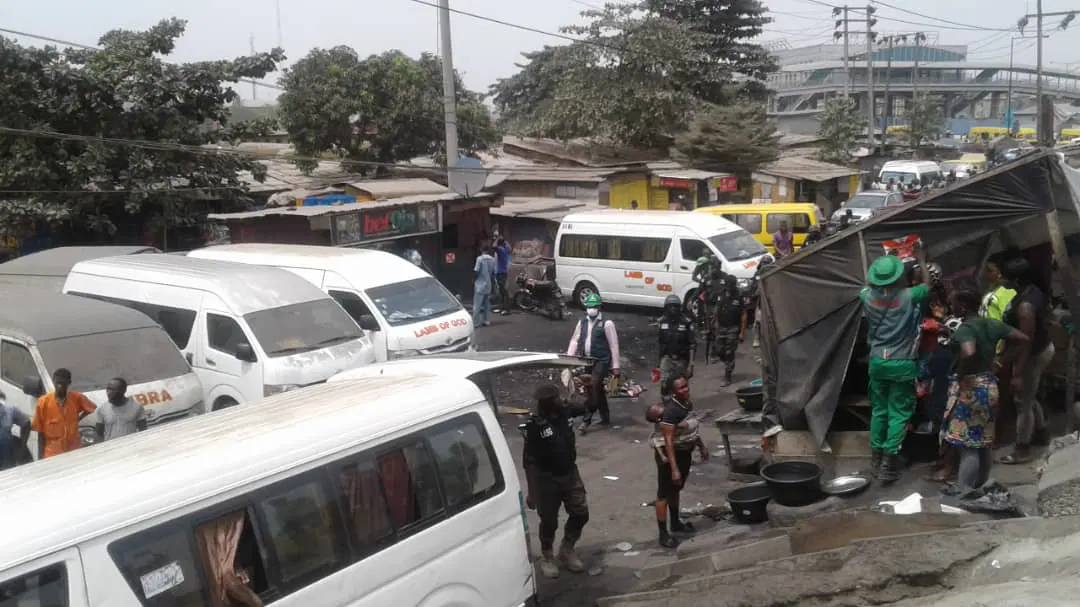
Lagos State Commissioner for Environment and Water Resources, Tokunbo Wahab, has reiterated the government’s resolve to restore order on key roads, as enforcement officers cleared illegal street traders at 2nd Rainbow Junction, inward Mile 2.
A video shared by Wahab on X on Monday showed officers removing traders whose activities blocked traffic, endangered pedestrians, and littered the area.
Describing the operation as part of ongoing efforts to keep Lagos roads safe and clean, Wahab said, “Our enforcement team is dislodging illegal street traders causing nuisance at 2nd Rainbow Junction, inward Mile 2. Their actions obstruct traffic, threaten pedestrians, and pollute the environment.”
He affirmed the government’s commitment to maintaining a sustainable and orderly urban environment, adding, “We will continue to ensure our roads are safe, clean, and free from environmental violations.”
The Lagos State Government has stepped up enforcement against street trading and environmental offenses in recent months to improve safety, reduce congestion, and promote a cleaner city.




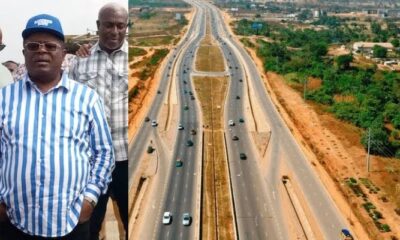


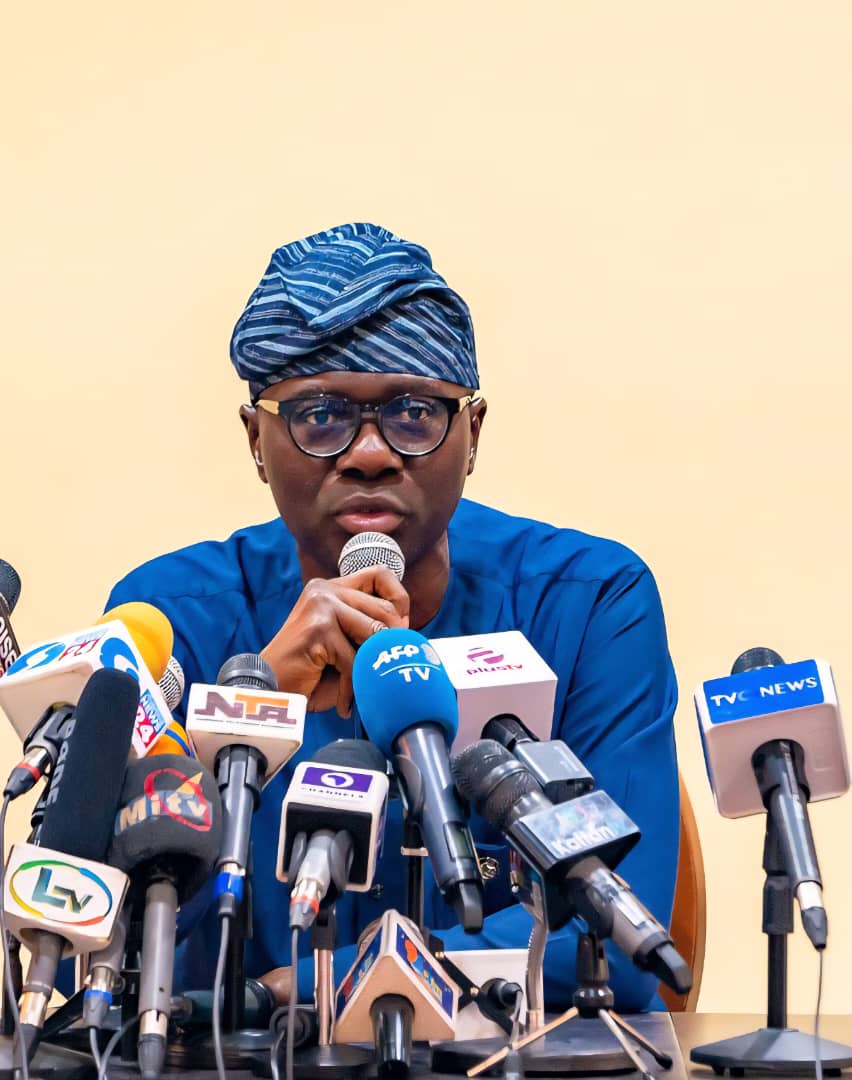
Lagos State Governor Babajide Sanwo-Olu has assured residents that the Opebi-Mende-Ojota Link Bridge will be opened to the public before Christmas, despite missing its earlier September completion target.
The governor gave the assurance on Sunday, October 25, 2026, during an inspection of the project to assess progress and determine the reasons for the delay. He said the distinctive steel superstructure on the bridge is about 80 per cent complete.
Sanwo-Olu explained that the complex architectural design — inspired by the area’s traditional cane-weaving heritage — involves installing more than 300 tonnes of steel at heights of up to 25 metres.
Three of the four major steel components have been completed, with work ongoing on the remaining one. LED lighting featuring the colours of Lagos State will also be installed to give the structure an iconic appearance.
He emphasised that the state government prioritises engineering quality and public safety over speed. Additional finishing works, including site cleaning, kerb repainting, restoration of affected areas and landscaping, will be carried out before the bridge opens.
The link bridge, which connects Opebi, Mende and Ojota, is expected to ease traffic congestion and provide an alternative route for motorists in the Ikeja, Maryland and surrounding corridors.
News
BREAKING: Former Arise News Anchor, Constance Ikokwu Appointed NDC National Campaign Council Spokesperson

Former Arise News Anchor, Dr. Chiogo Constance Ikokwu has been appointed Campaign Spokesperson for the Obi/Kwankwaso National Campaign Council. Her appointment is contained in the list of appointments released by the Nigeria Democratic Congress (NDC)
Ikokwu brings over two decades of experience in journalism across print, radio and television, alongside expertise in political communication, media strategy and international affairs. Her career includes Washington, DC Bureau Chief and Deputy Editor at THISDAY Newspapers, political analyst and anchor at Arise News, and academic work in journalism and communications. She holds a PhD in Journalism and Communications, with research focused on the intersection of media and politics. Ikokwu was also Strategic Communications Adviser to former Minister of Finance Dr. Ngozi Okonjo-Iweala and former Minister of Industry, Trade and Investment Dr. Okechukwu Enelamah.
She recently participated in the NDC’s nomination process for the House of Representatives seat for Idemili North and South Federal Constituency, Anambra State, and continues to pursue her commitment to public service.
In her new role, Ikokwu will serve as a Spokesperson for the National Campaign Council, helping to communicate Obi/Kwankwaso positions, articulate campaign messages and engage the media on issues relating to the party’s programmes and priorities. Her appointment comes as the party prepares to strengthen its public communications and engagement with Nigerians ahead of the 2027 general elections.
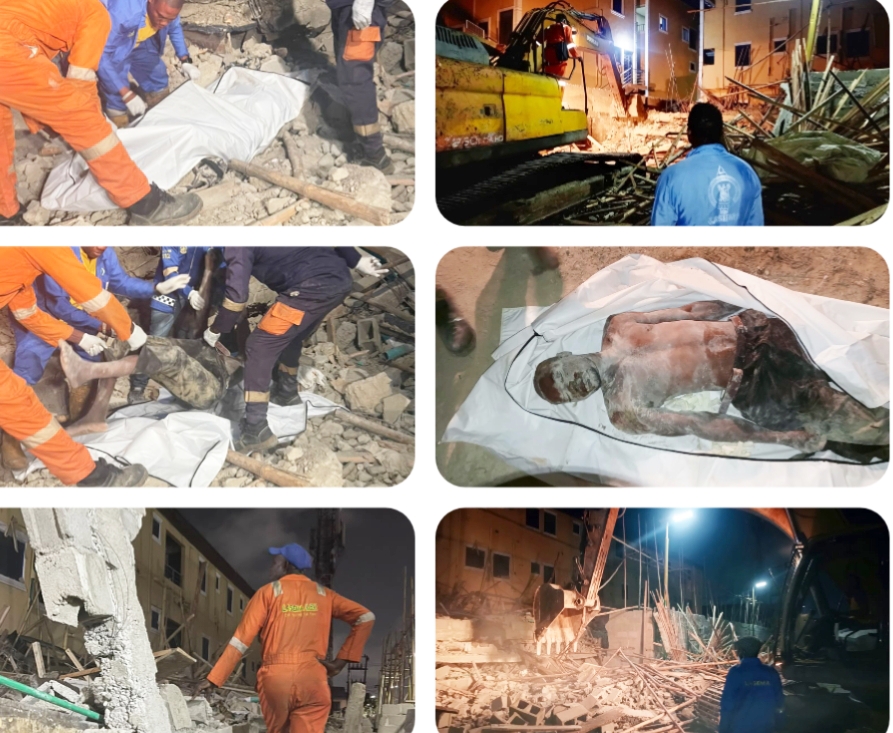
A two-storey building has collapsed in the Fadeyi area of Lagos, resulting in one fatality and the rescue of three people, emergency officials confirmed on Friday morning.
The incident occurred in the early hours, sending residents and nearby traders into panic as the structure suddenly gave way. Rescue teams from the Lagos State Emergency Management Agency (LASEMA) and other first responders quickly arrived at the scene and began extracting victims from the rubble.
According to preliminary reports, one person was confirmed dead at the site, while three others were pulled out alive and rushed to a nearby hospital for treatment. Their conditions have not yet been disclosed.
Security personnel have cordoned off the area to allow rescue operations to continue and to prevent further access by onlookers. Officials are still assessing whether any other persons remain trapped under the debris.
The cause of the collapse has not been established. Authorities have not ruled out structural failure, but investigations are ongoing.
Further updates are expected as the rescue operation progresses and more details become available from emergency services.


Nigeria’s First Imported Ebola Patient Moved to Switzerland

Dangote Refinery’s IPO Ends Tomorrow

Ebola: Nigeria Sends Back Swiss Woman Via Medivac Plane

BREAKING: Lagos Govt Declares Today, Thursday Work-Free to Mark 2026 Ìṣẹ̀ṣe Day

Tech Expert, Zuckerberg trains with UFC champions, Adesanya, Alexander

Organ Trafficking: Ekweremadu bags 10 years in UK prison
-

 News5 hours ago
BREAKING: Former Arise News Anchor, Constance Ikokwu Appointed NDC National Campaign Council Spokesperson
-

 Politics2 days ago
2027 presidential election: Tinubu’s Northern test begins today
-
 Health2 days ago
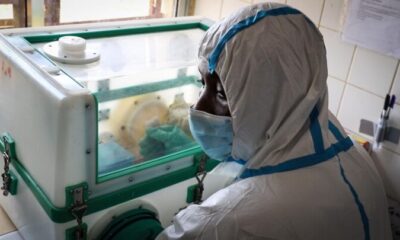
Ebola patient in Abuja showing signs of recovery – FG
-
 Health15 hours ago
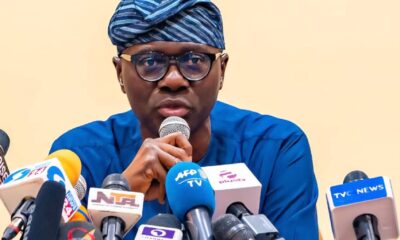
EBOLA: Lagos Heightens Watch at Airports After Abuja Case
-
News5 hours ago
Sanwo-Olu: Opebi-Ojota Link Bridge Will Open Before Christmas
-
 Business4 hours ago
Naira To Dollar, Pound, Euro…Rate Monday, October 26
-
 Business4 hours ago
Dangote Visit London Stock Exchange Ahead of November Cement Listing
-
 Entertainment2 days ago
JUST IN: Another Nollywood Actor, Dies After Brief Illness