
Business
2025: What Investors Need to Know About the Market of Property Investment in Nigeria by Dennis Isong
Think about Lekki in Lagos—just a few years ago, it was mostly bush, but today, it’s prime property.


Investing in Nigerian real estate is like planting a fruit tree—there’s effort, patience, and planning involved, but when it grows, it yields rewards for years.
Nigeria’s property market is full of opportunities, but it can be tricky for investors without the right knowledge.
Let’s break it down simply, so you know what to expect.
1. Nigeria’s Population is an Advantage Nigeria is Africa’s most populous country, with over 200 million people.
That’s a lot of people needing homes, offices, schools, and businesses!
This population growth creates a constant demand for properties. So, whether you’re investing in residential housing, commercial properties, or even land banking, you’re tapping into a growing market.
Quick Tip: Focus on areas with rising populations, like Lagos, Abuja, Port Harcourt, and emerging cities like Ibadan or Enugu.
2. Land is King In Nigeria, land is one of the safest investments. Unlike buildings that can deteriorate, land appreciates over time, especially in growing areas.
Think about Lekki in Lagos—just a few years ago, it was mostly bush, but today, it’s prime property.
What to Watch Out For:
● Ensure the land has proper documents like a Certificate of Occupancy (C of O) or a Governor’s Consent.
● Avoid omo-onile troubles by buying from reputable sellers or companies.
3. The Power of Location Location is everything in real estate.
A property in a developed area with good roads, schools, and electricity will fetch more value than one in a remote, inaccessible location. For instance:
● Lagos Island (Ikoyi, Victoria Island, Lekki): Good for high-end properties.
● Mainland (Ikeja, Yaba, Surulere): Perfect for mid-range investments.
● Emerging suburbs (Epe, Ibeju-Lekki): Great for long-term investments. Golden Rule: Research the area thoroughly.
Visit the property site, ask questions, and observe the neighborhood.
4. Real Estate Investment is Not a Sprint Let’s be honest—property investment isn’t for the impatient.
While quick flips (buying and selling quickly) can happen, most returns in real estate come over time. Whether it’s rental income, land appreciation, or property resale, you need patience.
Example: If you buy land in Epe for ₦1 million today, it might not appreciate significantly in the next year. But in 5–10 years, it could be worth ₦10 million or more!
5. Diversify Your Portfolio Don’t put all your eggs in one basket.
Mix things up! You can invest in:
● Residential properties: Apartments, duplexes, or bungalows.
● Commercial properties: Shops, offices, or warehouses.
● Land banking: Buying and holding land for future resale. By diversifying, you reduce risks and open up multiple income streams. 6. Know the Risks and How to Avoid Them Like every business, real estate has its risks:
● Legal Issues: Fake land documents, disputes, or government acquisition.
● Market Trends: Property values can fluctuate, depending on the economy.
● Maintenance Costs: Properties need upkeep, especially rental ones.
How to Reduce Risks:
● Work with trusted real estate agents or companies.
● Verify property documents with lawyers.
● Research market trends before investing. 7. Explore Financing Options You don’t need to be a billionaire to invest in Nigerian real estate. There are financing options like:
● Mortgage loans: Offered by banks and mortgage institutions.
● Co-investing: Partnering with others to buy a property.
● Installment plans: Some developers allow you to pay in bits over time. Pro Tip: Understand the terms of any loan or payment plan. Ensure it aligns with your financial capacity.
8. Rental Income is a Goldmine One of the easiest ways to make money from real estate is through rentals.
Whether it’s residential apartments, office spaces, or short-term rentals (like Airbnb), rental income provides steady cash flow.
What You Should Know:
● Properties close to universities, business hubs, or major roads attract higher rents.
● Tenants expect basic amenities like water, electricity, and security.
9. Emerging Trends in Nigerian Real Estate.
The Nigerian property market is evolving. Some trends to keep an eye on include:
● Smart Homes: Technology-driven homes with automated features.
● Co-Working Spaces: As remote work rises, shared office spaces are gaining popularity.
● Affordable Housing: Developers are targeting middle and low-income earners with budget-friendly homes.
Being aware of these trends can help you position your investments for the future. 10. Start Small and Grow Many people think they need millions to start investing in real estate. That’s not always true.
You can start small and grow.
For instance:
● Buy a small piece of land in an upcoming area.
● Invest in a one-bedroom apartment for rent. ● Partner with others to co-own a property.
11. The Role of Real Estate Agents and Experts
Don’t try to do everything alone. Real estate agents, surveyors, and lawyers are your friends in this journey.
They’ll help you navigate the complex process of buying, selling, or renting properties. Dennis Isong’s Advice: Always work with professionals who have a track record of honesty and success in the market.
12. Tax and Regulatory Issues Don’t forget that property investment comes with taxes and regulations.
For instance:
● Land Use Charge: Payable annually on properties in Lagos.
● Capital Gains Tax: When you sell a property at a profit. Stay updated on these requirements to avoid penalties.
13. Opportunities in Rural Areas Urban areas like Lagos and Abuja may dominate headlines, but rural areas also hold potential.
As Nigeria develops, rural areas are turning into new hotspots for businesses and housing.
For example:
● Invest in farmland for agriculture.
● Buy land near upcoming government projects, like roads or airports.
14. Never Stop Learning
The real estate market is dynamic. New laws, trends, and opportunities arise frequently.
As infrastructure in Epe improves through government-funded projects supported by tax reforms, your land value appreciates significantly. Over 5–10 years, your property could fetch a value of ₦15 million, yielding substantial returns.
To stay ahead, keep learning:
● Attend real estate seminars.
● Follow market news.
● Network with other investors. The recent tax reform and changes in bank charges in Nigeria have significant implications for real estate investors, both positive and challenging.
Incorporating these developments into your investment strategy can help you maximize returns and minimize risks.
15. Impact of Tax Reforms on Real Estate The Nigerian government has introduced reforms aimed at streamlining tax collection and fostering economic growth.
These changes have direct and indirect benefits for real estate investors: a. Lower Compliance Costs Streamlined tax processes reduce bureaucratic delays, making it easier for property owners to comply with tax obligations like Land Use Charges and Capital Gains Tax. This clarity ensures fewer penalties and better financial planning. b. Improved Infrastructure Development Tax revenues are increasingly being channeled into infrastructure development, such as roads, railways, and power projects.
This directly boosts property values, especially in areas where such projects are underway, like Epe, Ibeju-Lekki, and the outskirts of Abuja. c. Incentives for Affordable Housing
To address Nigeria’s housing deficit, tax incentives are now available for developers investing in low-income housing.
This creates opportunities for investors to partner with developers or invest in projects targeting middle and low-income earners.
How to Benefit:
● Stay informed about tax reforms through newsletters and government updates.
● Take advantage of tax holidays and exemptions available for certain real estate developments.
16. Bank Charges and Real Estate Financing
The Central Bank of Nigeria (CBN) has recently revised bank charges, which affects how investors access financing.
Here’s how this impacts your real estate investments:
a. Lower Transaction Costs Reduced charges for bank transfers and e-banking services make it cheaper to process payments, whether you’re paying for land, construction materials, or rental income management.
b. Accessible Mortgage Loans Banks are under pressure to make mortgage loans more accessible and affordable.
Lower interest rates and reduced processing fees are encouraging more Nigerians to consider homeownership or property investment.
c. Easier Installment Payments For installment plans offered by developers, lower bank charges mean fewer deductions on recurring payments. This makes it easier for investors to stick to payment schedules.
How to Benefit:
● Negotiate favorable terms with banks, especially for long-term property loans.
● Use e-banking platforms to save on transaction fees when making payments.
Practical Example Imagine you purchase land in Epe for ₦2 million using a bank loan.
With reduced interest rates and minimal transfer charges, you save money both on the initial payment and subsequent installments.
As infrastructure in Epe improves through government-funded projects supported by tax reforms, your land value appreciates significantly. Over 5–10 years, your property could fetch a value of ₦15 million, yielding substantial returns.
Key Takeaways
● Understand Tax Benefits: Take full advantage of tax reforms and incentives for real estate development.
● Leverage Affordable Financing: Use reduced bank charges and improved mortgage options to your advantage.
● Plan for Growth: Invest in areas benefiting from infrastructure projects funded by tax revenues. By incorporating these reforms into your real estate strategy, you position yourself to thrive in Nigeria’s evolving property market.
Keep learning, stay patient, and make informed decisions to secure your financial future.
In Conclusion
The Nigerian property market is a land of opportunities, but it’s not without challenges.
With the right knowledge, planning, and patience, you can turn your investment into a goldmine.
Remember: Start small, think long-term, and always consult experts when in doubt.
Real estate is a journey, and every smart step you take brings you closer to financial freedom.
STOP LOSING MONEY IN LAGOS REAL ESTATE!. Learn How to Verify Land Titles, Avoid Scams, and Make Smart Investments.
Click to Learn About Real Estate Due Diligence Now!=>> https://landproperty.ng/free
Your Investment Deserves Protection.












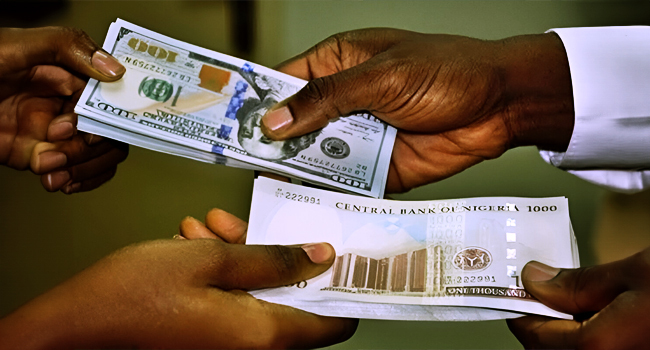
BLACK/ PARALLEL MARKET RATES
₦1370 DOLLAR (USD)
₦1800 POUND (GBP)
₦1510 EURO (EUR)
₦970 CANADIAN DOLLAR (CAD)
₦65 SOUTH AFRICAN RAND (ZAR)
₦350 UAE DIRHAM (AED)
₦190 CHINESE YUAN (CNY)
₦100 GHANAIAN CEDI (GHS)
₦2300 WEST AFRICAN CFA F.(XOF)
₦2200 CENTRAL AFRICAN CFA F.(XAF)
₦850 AUSTRALIAN DOLLAR AUSSIE (AUD)
CBN OFFICIAL RATES
DOLLAR (USD)₦1331.61
POUND (GBP)₦1764.26
EURO (EUR)₦1490.48
SWISS FRANC (CHF)₦1608.23
JAPANESE YEN (JPN)₦8.4
CFA FRANC (XOF)₦2.27
WEST AFRICAN UNIT OF ACCOUNT (WAUA)₦1802.33
CHINESE YUAN (CNY)₦199.01
SAUDI RIYAL (SAR)₦354.83
SOUTH AFRICAN RAND (ZAR)₦80.49
Business
WEF could appoint Lagarde as its next chair, sources say
The WEF’s Board of Trustees, which includes Lagarde herself, was due to meet on November 2 and could elect her as its next chair, said the people close to the organisation, who spoke on condition of anonymity due to the sensitivity of the matter.

•European Central Bank President Christine Lagarde
The World Economic Forum could appoint Christine Lagarde as its next chair as soon as next month, four people close to the organisation told Reuters, meaning she would step down early as European Central Bank chief and trigger a wider reshuffle at the top of the ECB.Lagarde’s ECB term is scheduled to end in October 2027.
Leaving early would give European Union leaders a chance to pick a new ECB President before France’s spring presidential election, which opinion polls suggest the far-right could win, and could pave the way for a deal involving two other senior ECB roles.
The WEF’s Board of Trustees, which includes Lagarde herself, was due to meet on November 2 and could elect her as its next chair, said the people close to the organisation, who spoke on condition of anonymity due to the sensitivity of the matter.
No final decision has been taken yet, they said.
A spokesperson for the WEF said the forum could not confirm when the next full Board of Trustees meeting would take place, but that the aim was to hold one before the end of the year.
Business
Germany plans tax on sugary drinks
The tax is expected to generate additional revenue for the federal government of €690 million in 2027 and €925 million in 2028.

The German cabinet has approved draft legislation to tax sugary drinks in Europe’s biggest economy.
If passed by the German Bundestag, the tax will take effect on 1 July 2027.
The coalition aims to raise revenue for the federal budget while encouraging manufacturers to reduce sugar content and offer healthier products.
The levy is intended to ease pressure on the healthcare system, which faces costs of more than €2 billion every year linked to the high consumption of sugary drinks, which contributes to obesity, diabetes and tooth decay.
According to the federal government, Berlin is using the tax to implement “what associations from the fields of health, science, child protection, and consumer protection have long been demanding.”
The tax is expected to generate additional revenue for the federal government of €690 million in 2027 and €925 million in 2028.


JUST IN: Mob Sets BRT Bus Ablaze After Motorcyclist’s Death in Lagos

BREAKING: DSS Arrests Fugitive Maina Son, Hands Him to EFCC

BREAKING: 5 Arrested Over Imo NYSC Abduction

BREAKING: Lagos Govt Declares Today, Thursday Work-Free to Mark 2026 Ìṣẹ̀ṣe Day

Tech Expert, Zuckerberg trains with UFC champions, Adesanya, Alexander

Organ Trafficking: Ekweremadu bags 10 years in UK prison
-

 News3 days ago
ASCON To Be Rebranded “National School Of Government”
-

 Business3 days ago
Germany plans tax on sugary drinks
-

 Business3 days ago
WEF could appoint Lagarde as its next chair, sources say
-

 International3 days ago
“Mother of all bombs,” Trump Plans To Hit Iran
-

 Business2 days ago
Naira Exchange Rates Friday, October 16
-
 Crime2 days ago
BREAKING: 5 Arrested Over Imo NYSC Abduction
-
 News2 days ago
Meta removes 3.7 million accounts in West Africa scam crackdown
-

 News2 days ago
ARISE News Wins Seven Honours At Nigerian Broadcasters Merit Awards