
News
Rivers: Fubara hits back over allegations in Tinubu’s broadcast, lists Wike’s ‘faults’

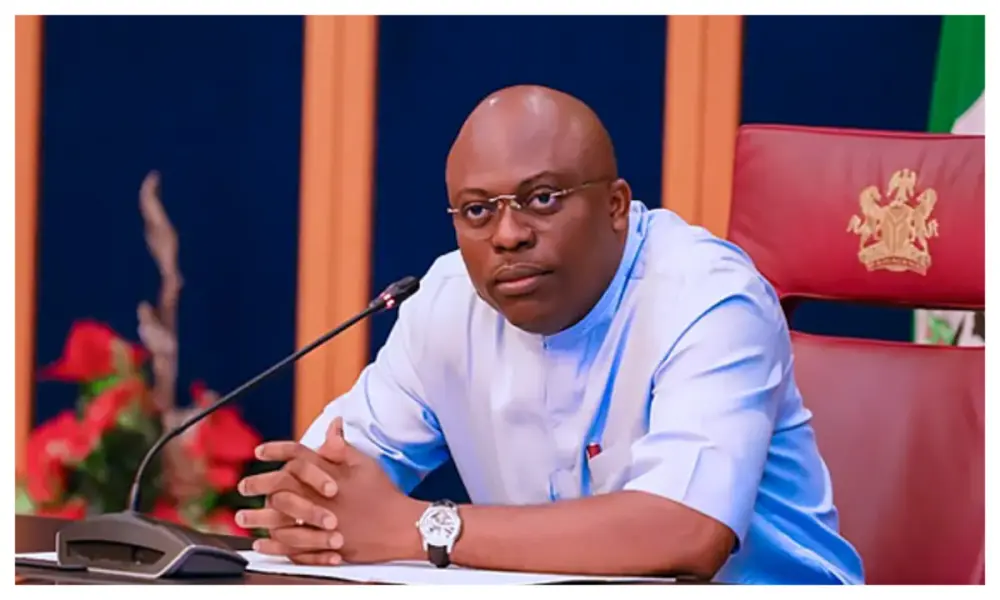
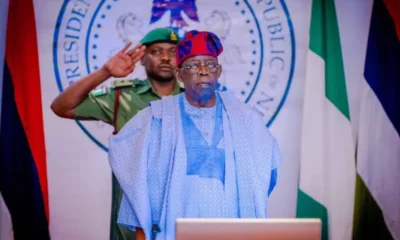
The suspended governor of Rivers State, Similanayi Fubara, has responded to some of the allegations made by President Bola Tinubu in his nationwide broadcast on Tuesday night.
During the broadcast, Tinubu declared a State of Emergency in the state.
The President also suspended Fubara and members of the Rivers House of Assembly for six months.
Tinubu appointed Vice Admiral Ibokette Ibas (rtd) as sole administrator of the state.
Fubara, in a statement signed by Chief Press Secretary, Nelson Chukwudi, denied some of the allegations made in the broadcast.
According to him, the Rivers State House of Assembly complex was not abandoned after it was demolished, but was under 80% completion.
The statement read in part, “First, it is important to clarify that Governor Fubara has nothing to do with the threats by militants and also did not in any way “telegraph” the reported attacks on any oil facility in the State.
”Fubara also claimed that some developments in Rivers State were owing to a controversial remark made by Nyesom Wike, FCT Minister, about the Ijaws.
“It is on record that the reaction of stakeholders in the Niger Delta, especially elders, chiefs, women, Ijaw National Congress, its youth wing, IYC, as well as militants, among others, were triggered by remarks by the Minister of the Federal Capital Territory (FCT), Chief Nyesom Wike, in a live media chat, during which he dismissed Ijaws as a minority of the minorities and powerless in the Nigerian polity, saying that Ijaws are not the only ones that are militants and can blow up pipelines; that Ogonis, Ikwerres, and others are also militants and can as well blow up pipelines.
“Most of the Ijaw groups and leaders even demanded an apology from the FCT Minister, which he rebuffed,” he said.
Fubara “made it clear that his administration was committed to the peace, security, and safety of oil facilities in the State.“
He often recalled his pivotal role as a member of the Presidential Committee on the Protection of Oil Installations in the Region, and repeatedly emphasized the need to protect oil pipelines and other facilities in the State, urging his supporters and the people of the State to avoid acts capable of destabilizing the State or sabotaging the nation’s economy.”







News
Police confirm Kogi APC Chairman’s Murder by Bandits
Yunusa’s vehicle was reportedly intercepted by the suspected bandits during a kidnapping operation along the Itobe–Ochadamu Expressway, around Ojuwo Olijo in Ofu Local Government Area of the state, on Thursday, August 27, 2026.

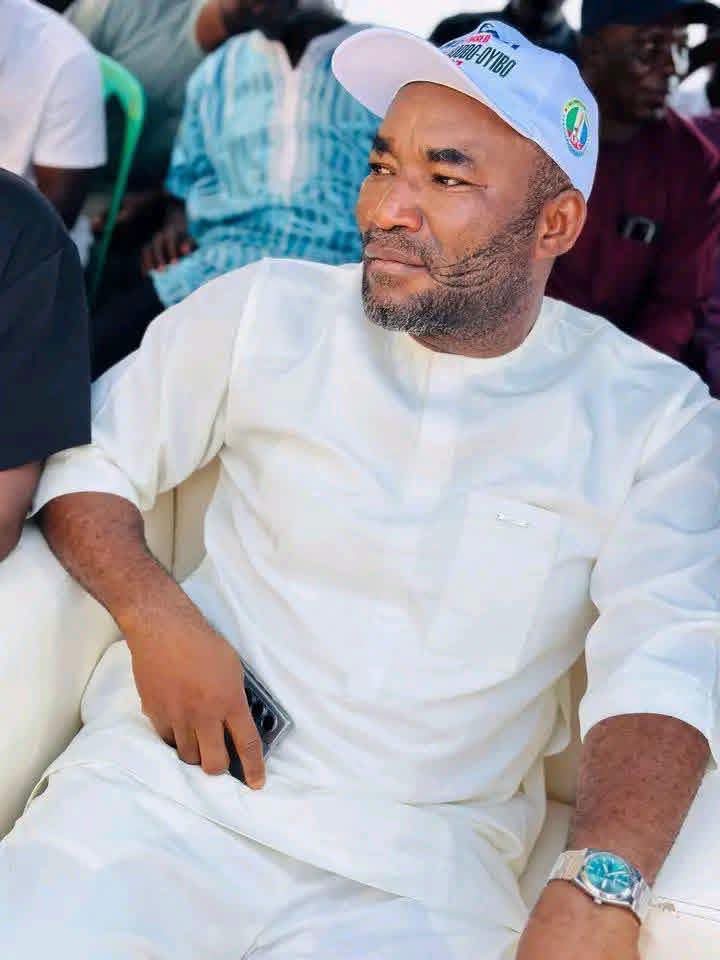
•Ishaq Yunusa
Kogi State Police Command on Friday confirmed the murder of the Chairman of the All Progressives Congress, APC, in Dekina Local Government Area of Kogi State, Ishaq Yunusa.
Yunusa was killed in an attack by suspected bandits.
Yunusa’s vehicle was reportedly intercepted by the suspected bandits during a kidnapping operation along the Itobe–Ochadamu Expressway, around Ojuwo Olijo in Ofu Local Government Area of the state, on Thursday, August 27, 2026.
His death has thrown family members, friends and APC supporters into mourning, with calls for the immediate arrest and prosecution of those responsible.
The Public Relations Officer, ASP Saliu Oyiza Afusat, confirmed the incident in a statement issued on Friday.
She said the attack occurred at about 5 p.m. on Thursday when armed assailants emerged from the surrounding bush and opened sporadic fire on motorists.
According to the police, security agencies are intensifying operations in the area, while personnel are combing the surrounding forests in a bid to rescue any abducted victims and track down those responsible for the attack.
The command says efforts are ongoing to restore security along the affected route.
News
President Tinubu Orders Comprehensive Forensic Audits of MDAs, IPPIS
The exercise will establish the nature and extent of weaknesses in Government’s control system, and determine how such weaknesses have been exploited.
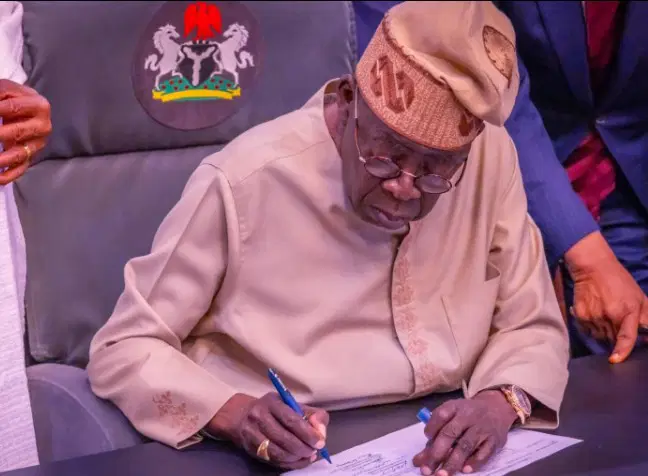
President Bola Ahmed Tinubu has directed the Minister of Finance and Co-ordinating Minister of the Economy, Mr Taiwo Oyedele, to oversee and coordinate a comprehensive forensic audit of Federal Government systems.
The audit will include a review of the Integrated Personnel and Payroll Information System (IPPIS), Federal Government agencies, and their administration and internal controls.
Bayo Onanuga,Special Adviser to the President(Information & Strategy), in a press release on Friday, said that President Tinubu’s directive follows the Federal Executive Council’s resolution on August 19, 2026, in response to findings by the Independent Corrupt Practices and Other Related Offences Commission (ICPC) on “fake agencies”, ghost workers, and other control failures.
The exercise will establish the nature and extent of weaknesses in Government’s control system, and determine how such weaknesses have been exploited.
The review will comprise two interconnected components. The first will focus on a forensic audit of Government systems, particularly IPPIS and related payroll, personnel, pension and financial-management platforms.
It will examine reported cases of ghost workers and payroll fraud, reconcile the figures identified by the ICPC, trace how fictitious or ineligible persons were enrolled, and review access, identity, biometric and bank-account controls.
The exercise will also examine the interfaces between IPPIS and other government platforms, including GIFMIS, Remita, the Treasury Single Account (TSA) and Sub-TSA, to determine whether fraud resulted from system defects, process failures, inadequate segregation of duties or deliberate circumvention.
The second component of the audit will cover all Federal Government agencies, departments, commissions, councils, parastatals and other government bodies.
It will establish a definitive inventory of such bodies and verify their legal basis, while examining how entities obtain official recognition, budgetary consideration, correspondence privileges, office facilities and access to government systems.
The exercise will assess governance, procurement, internal-audit, and oversight controls across Government to close systemic weaknesses that could allow irregular entities or persons to access public resources.
President Tinubu directed that the exercise be conducted with the highest standards of independence, professionalism and forensic integrity.
The audit team will have access to relevant government systems and records. It will collaborate with the ICPC to ensure that the review complements all ongoing investigations, prosecutions and recoveries.
President Tinubu expects the exercise to go beyond identifying individual cases of fraud or administrative failure by strengthening the architecture of Government, closing systemic loopholes, improving data verification and reconciliation, reinforcing accountability, and ensuring that only duly constituted entities and eligible personnel have access to Government resources.
The exercise underscores the President’s commitment to strengthening transparency, accountability, fiscal governance and institutional integrity across the Federal Government.
News
Wushishi, National Population Commission’s Chairman, Dies
Wushishi reportedly died on Friday, August 28, 2026, after a brief illness.
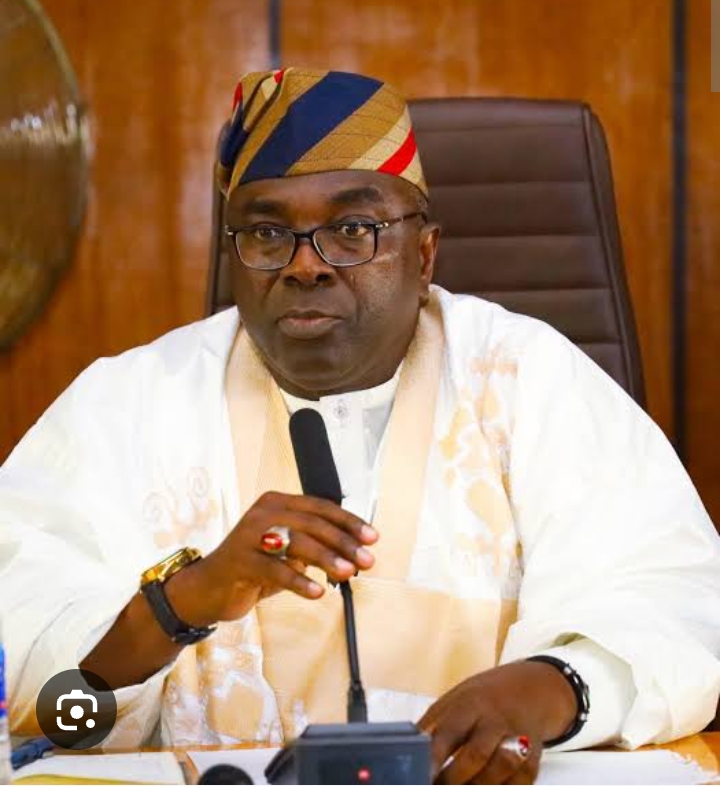
•Dr. Aminu Wushishi
Chairman of the National Population Commission, NPC, Dr. Aminu Wushishi, has died.
Wushishi reportedly died on Friday, August 28, 2026, after a brief illness.
Wushishi, a former Secretary of the Niger State chapter of the Peoples Democratic Party, PDP, was said to have taken ill briefly before his death.
His Special Adviser on Media, Stanley Nwosu, confirmed the development to the media.


Police confirm Kogi APC Chairman’s Murder by Bandits

President Tinubu Orders Comprehensive Forensic Audits of MDAs, IPPIS

Wushishi, National Population Commission’s Chairman, Dies

Tech Expert, Zuckerberg trains with UFC champions, Adesanya, Alexander

Organ Trafficking: Ekweremadu bags 10 years in UK prison

SAINT OBI: Between his marriage and his death
-

 Business2 days ago
Meta U.S. agrees to pay $18bn lawsuits over children’s social media addiction
-

 Business2 days ago
Naira Exchange Rates Thursday, August 27
-
 News3 days ago
Ex-Supreme Court Judge Justice Kalgo dies at 89
-

 Sports2 days ago
NFF President Gusau, other board members resign Over DSS Probe
-

 News2 days ago
NIGCOMSAT To Procure Two New Communication Satellites
-

 Business3 days ago
Naira Exchange Rates Wednesday, August 26
-
 News2 days ago
Gunmen abduct Dangote Cement senior driver in Ogun
-
 News2 days ago
Troops Resist Terrorists At Sokoto Barracks