
Business
Nigerians Speak As Petrol sells N1,500/litre
A visit to filling stations showed that motorists were purchasing the commodity for between N1,450 and N1,500 per litre, against the former price of N1,350.

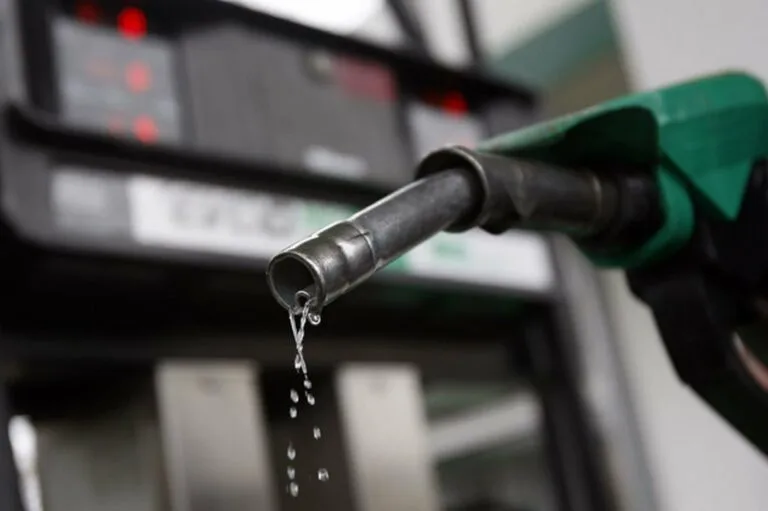
NIGERIANS across the 36 states and the Federal Capital Territory – Abuja, are complaining bitterly as the pump prices of Premium Motor Spirit, popularly known as petrol, is selling for as much as N1,500 per litre nationwide .
According to the Prices across states tracked by the PUNCH, the cost of the commodity has continued to rise nationwide, selling for as high as N1,500 in many states.
In Yobe State, residents reported that petrol was selling for between N1,500 and N1,520 per litre at some filling stations in Damaturu, the state capital.
Similarly, a tricycle rider in the state capital, Musa Ibrahim, said he buys the commodity for about N1,500 per litre at some Nigerian National Petroleum Company filling stations.
Also speaking, a civil servant, Lawan Garba, said some filling stations were selling petrol at an even higher price.
“I am buying petrol at N1,520 per litre in some petrol stations,” Garba said.
In Kano State, petrol was selling for between N1,460 and N1,500 per litre at most filling stations in the metropolis. The increase has forced some vehicle owners to park their vehicles, while commercial tricycle operators, popularly known as “yan’ adaidaita sahu”, have also increased their fares by about 50 per cent, depending on the distance.
The operators who used to charge N200 for a short distance now collect N300, while they charge between N500 and N700 for longer distances.In Sokoto State, petrol prices rose to between N1,465 and N1,500 per litre in the metropolis.
Checks by our correspondent showed that the product had risen from the previous price of N1,365 per litre.
At some filling stations, including AA Rano, Shafa and Total, petrol was sold for N1,465 per litre, while major marketers sold it for between N1,470 and N1,500 per litre.
In Borno State, a litre of petrol was selling for N1,500 at filling stations in Maiduguri, the state capital.
A motorist, Ishaku Curutsi, confirmed to our correspondent that he bought petrol from Matrix filling station for N1,500 per litre on Wednesday. “I bought it this morning, and a litre at Matrix cost 1,500,” he said.
In Taraba State, the price of petrol had risen to N1,500 per litre, with motorists and commuters reporting prices of between N1,500 and N1,700 per litre at some filling stations.
The development is expected to further increase the cost of transportation and movement of goods within the state.In Zamfara State, a litre of petrol was selling for N1,500 in Gusau, the state capital, and its environs.
A visit to filling stations showed that motorists were purchasing the commodity for between N1,450 and N1,500 per litre, against the former price of N1,350.
At Danmarina filling station, motorists were seen purchasing the commodity amid complaints about the increase. One of the motorists, who gave his name as Musa Idris, said the current price was putting pressure on consumers.
• Culled from the PUNCH


Business
WEF could appoint Lagarde as its next chair, sources say
The WEF’s Board of Trustees, which includes Lagarde herself, was due to meet on November 2 and could elect her as its next chair, said the people close to the organisation, who spoke on condition of anonymity due to the sensitivity of the matter.
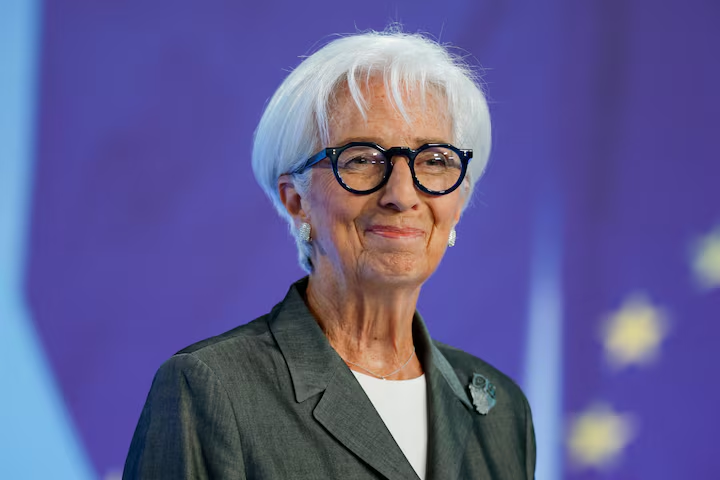
•European Central Bank President Christine Lagarde
The World Economic Forum could appoint Christine Lagarde as its next chair as soon as next month, four people close to the organisation told Reuters, meaning she would step down early as European Central Bank chief and trigger a wider reshuffle at the top of the ECB.Lagarde’s ECB term is scheduled to end in October 2027.
Leaving early would give European Union leaders a chance to pick a new ECB President before France’s spring presidential election, which opinion polls suggest the far-right could win, and could pave the way for a deal involving two other senior ECB roles.
The WEF’s Board of Trustees, which includes Lagarde herself, was due to meet on November 2 and could elect her as its next chair, said the people close to the organisation, who spoke on condition of anonymity due to the sensitivity of the matter.
No final decision has been taken yet, they said.
A spokesperson for the WEF said the forum could not confirm when the next full Board of Trustees meeting would take place, but that the aim was to hold one before the end of the year.
Business
Germany plans tax on sugary drinks
The tax is expected to generate additional revenue for the federal government of €690 million in 2027 and €925 million in 2028.
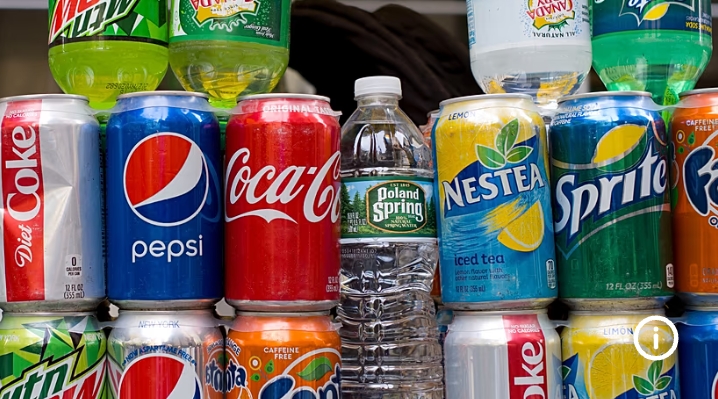
The German cabinet has approved draft legislation to tax sugary drinks in Europe’s biggest economy.
If passed by the German Bundestag, the tax will take effect on 1 July 2027.
The coalition aims to raise revenue for the federal budget while encouraging manufacturers to reduce sugar content and offer healthier products.
The levy is intended to ease pressure on the healthcare system, which faces costs of more than €2 billion every year linked to the high consumption of sugary drinks, which contributes to obesity, diabetes and tooth decay.
According to the federal government, Berlin is using the tax to implement “what associations from the fields of health, science, child protection, and consumer protection have long been demanding.”
The tax is expected to generate additional revenue for the federal government of €690 million in 2027 and €925 million in 2028.
BLACK (PARALLEL) MARKET RATES
₦1370 DOLLAR (USD
₦1800 POUND (GBP)
₦1500 EURO (EUR)
₦970 CANADIAN DOLLAR (CAD)
₦65 SOUTH AFRICAN RAND (ZAR)
₦350 UAE DIRHAM (AED)
₦190YUAN (CNY)
₦2300CFA F.(XOF)
₦2200CFA F.(XAF)
₦850AUSSIE (AUD)SELL₦1000
Official CBN Exchange Rates
DOLLAR (USD)₦1332.59
POUND (GBP)₦1765.55
EURO (EUR)₦1491.57
SWISS FRANC (CHF)₦1590.77
JAPANESE YEN (JPN)₦8.39
CFA FRANC (XOF)₦2.27
WEST AFRICAN UNIT OF ACCOUNT (WAUA)₦1802.33
CHINESE YUAN (CNY)₦199.10
SAUDI RIYAL (SAR)₦354.92
SOUTH AFRICAN RAND (ZAR)₦80.37


BREAKING: Explosion Rocks Rivers, Many Rushed to Hospital

“Mother of all bombs,” Trump Plans To Hit Iran

WEF could appoint Lagarde as its next chair, sources say

Tech Expert, Zuckerberg trains with UFC champions, Adesanya, Alexander

BREAKING: Lagos Govt Declares Today, Thursday Work-Free to Mark 2026 Ìṣẹ̀ṣe Day

Organ Trafficking: Ekweremadu bags 10 years in UK prison
-
 Business3 days ago
Dangote Refinery IPO Attracts N8.61trn in Subscriptions, Four Times Offer
-
Business3 days ago
Top 10 Highest-Paid CEOs in Nigeria
-
 Business3 days ago
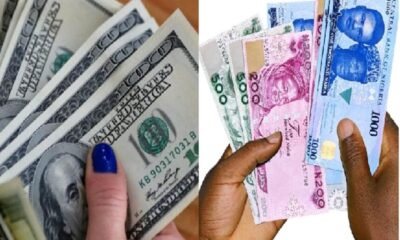
Naira Exchange Rates To Dollar , Pound ,Euro, … Tuesday, October 13
-

 Business3 days ago
Global smartphone shipments fall 20% in Q3 2026, lowest in 14 years
-

 International3 days ago
Child marriage in southern Germany: Over 350 cases recorded, some brides as young as 11
-
Sports3 days ago
Rwanda to host F1’s first race in Africa since 1993
-
 News3 days ago
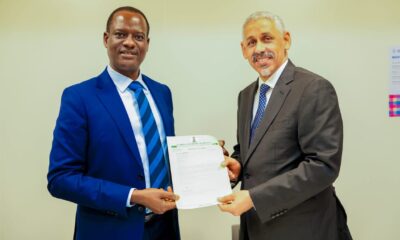
Nigeria, AfDB Agree Portfolio Review (Photos)
-
 News3 days ago
UNCTAD Warns Debt Burden Threatens Future of 3.7bn People