
Business
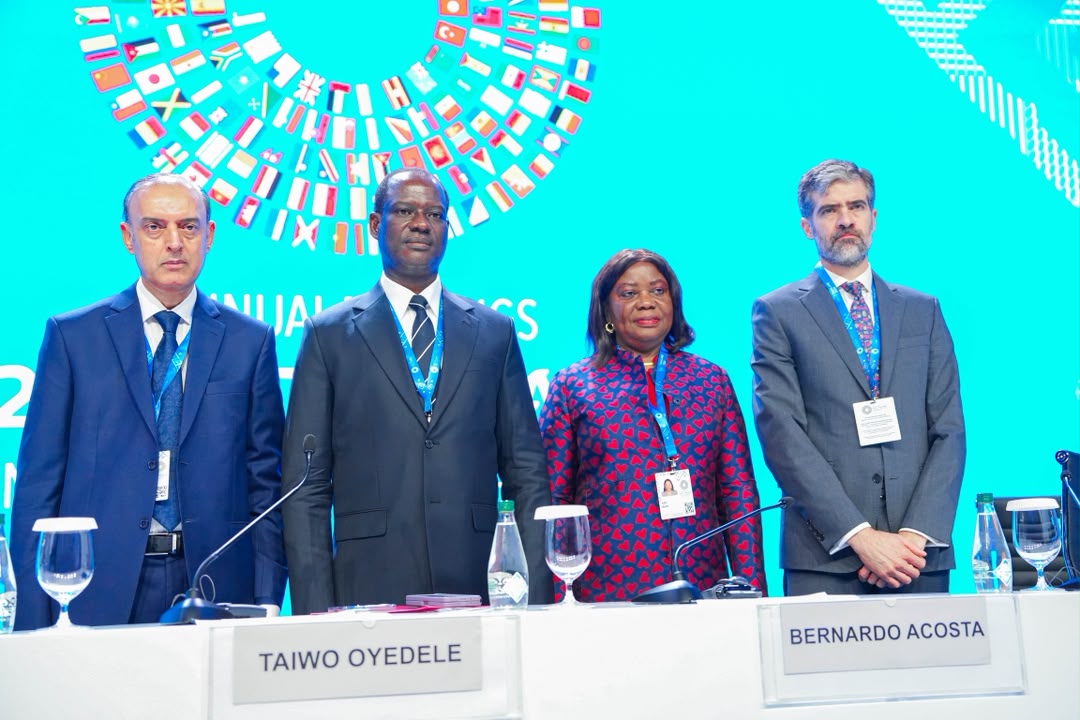
Oyedele Chairs G-24 Call for Fairer Global Financial System, Affordable Development Financing
The meeting concluded that domestic reform alone will not shield developing economies from external shocks — affordable finance, effective debt resolution, fairer representation in international institutions, and sustained cooperation are equally necessary.



Business
NNPCL wants to sell 10% equity via IPO on NGX, LSE
NNPC is expected to spend at least the whole of 2027 preparing for the proposed offering, with the listing primarily intended to strengthen corporate transparency and governance in line with Nigerian law.
The Nigerian National Petroleum Company Limited (NNPC Ltd.) is considering selling between 5% and 10% of its equity through a potential initial public offering (IPO), with the proposed listing expected to focus primarily on Nigeria’s domestic capital market.
The Group Chief Executive Officer of NNPC Ltd., Bashir Bayo Ojulari, disclosed this in an interview with Reuters on Tuesday, November 3, 2026, adding that the company could also pursue a secondary listing in London or New York.
The disclosure comes shortly after the Dangote Petroleum Refinery’s IPO closed on October 27, following a two-week extension of its subscription period from the initial October 13 deadline.
NNPC is expected to spend at least the whole of 2027 preparing for the proposed offering, with the listing primarily intended to strengthen corporate transparency and governance in line with Nigerian law.
Ojulari indicated that raising additional capital would be a secondary consideration rather than the main reason for going public.
The company is also considering listing some of its subsidiaries separately, following a model adopted by Abu Dhabi National Oil Company (ADNOC), the United Arab Emirates’ state-owned oil company.
Beyond the potential IPO, Ojulari disclosed that Chinese companies have expressed interest in acquiring equity stakes in some of NNPC’s smaller refineries, particularly the Port Harcourt and Warri facilities, which require substantial rehabilitation.
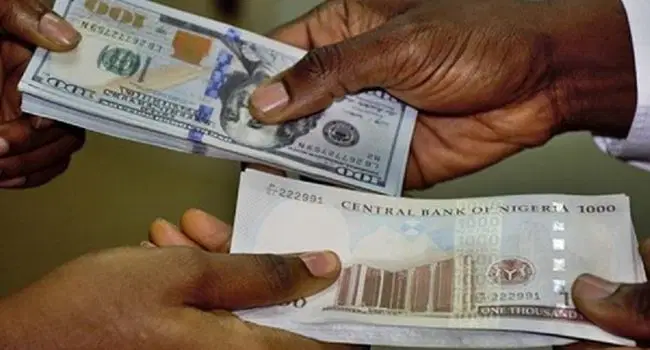
BLACK/PARALLEL MARKET RATES
1390DOLLAR (US
₦1835POUND (GBP)
₦1510EURO (EUR
₦970 CANADIAN DOLLAR (CAD)
₦65 SOUTH AFRICAN RAND (ZAR)
₦350 UAE DIRHAM (AED)
₦190 CHINESE YUAN (CNY)
₦100 GHANAIAN CEDI (GHS)
₦2300 West African CFA F.(XOF)
₦2200 Central African CFA F.(XAF)
₦850 Australian Dollar AUSSIE (AUD)
OFFICIAL CBN EXCHANGE RATES
DOLLAR (USD)₦1346.93
POUND (GBP)₦1807.72
EURO (EUR)₦1512.26
SWISS FRANC (CHF)₦1644.21
JAPANESE YEN (JPN)₦8.52
West African CFA FRANC (XOF)₦2.30
WEST AFRICAN UNIT OF ACCOUNT (WAUA)₦1825.03
CHINESE YUAN (CNY)₦201.92
SAUDI RIYAL (SAR)₦359.15
SOUTH AFRICAN RAND (ZAR)₦81.37
Business
Australia hikes rates to 18-year high to fight inflation
The hike is the fifth this year, adding to cost-of-living pressures felt by households by increasing home mortgage payments, a politically potent topic in Australia.
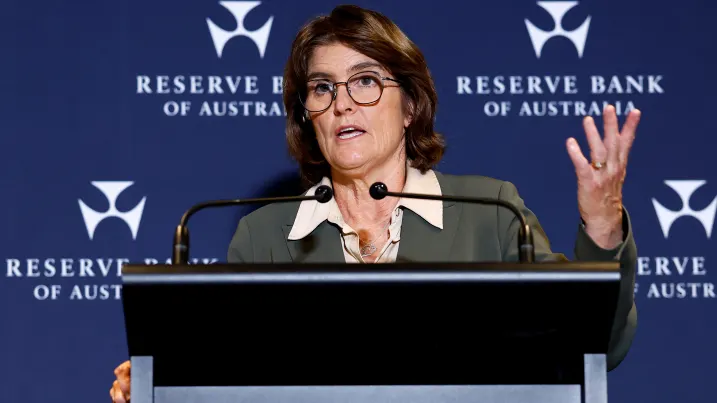
•Michele Bullock, governor of the Reserve Bank of Australia (RBA), during a news conference at the central bank’s head office in Sydney, Australia, on Tuesday, May 5, 2026. Photographer: Brendon Thorne/Bloomberg via Getty Image.
Australia’s central bank Tuesday raised its key interest rate to a 18-year high , citing the prolonged war in the Middle East and persistent inflationary pressures.
In a statement, the Reserve Bank of Australia said it would lift its cash rate by 25 basis points to 4.85 percent.
“Inflation remains elevated,” it said. “This partly reflects higher fuel and other commodity prices affected by the conflict in the Middle East.”
“AI-related investment is driving rapid growth in prices for technology-related goods, and inflation in many goods and services remains high.”
The hike is the fifth this year, adding to cost-of-living pressures felt by households by increasing home mortgage payments, a politically potent topic in Australia.
It brings rates to their level seen since late 2008, at the height of the global financial crisis.


Sanusi: Critics Are Not Enemies Of The Govt

NNPCL wants to sell 10% equity via IPO on NGX, LSE

Naira Exchange Rates Wednesday, 4 Nov 2026

BREAKING: Lagos Govt Declares Today, Thursday Work-Free to Mark 2026 Ìṣẹ̀ṣe Day

Tech Expert, Zuckerberg trains with UFC champions, Adesanya, Alexander

Organ Trafficking: Ekweremadu bags 10 years in UK prison
-
 Business3 days ago
Why Cement Is Expensive in Nigeria – PAMA
-
 Business10 hours ago
Naira Exchange Rates Wednesday, 4 Nov 2026
-
 Business10 hours ago
NNPCL wants to sell 10% equity via IPO on NGX, LSE
-
 Business2 days ago
Naira Exchange Rates Today, Monday November 2,2026
-
 Business1 day ago
Naira Exchange Rates 3 November,2026
-
 News8 hours ago
Sanusi: Critics Are Not Enemies Of The Govt
-

 Business3 days ago
African Energy Bank Headquarters Operation in Nigeria
-

 International2 days ago
Tens of thousands protest against Narendra Modi regime in Delhi