
News
Kogi State Ranks 5th Lowest in Debt, Boosts Economy with Mining Deal

The strategic economic and fiscal reforms of the Kogi State Government have begun to yield fruitful results, with the state now ranked as having the 5th lowest domestic debt among the 36 states of the federation and the Federal Capital Territory (FCT), according to the latest figures released by the Debt Management Office (DMO) as of March 31, 2025.
The report shows that Kogi State’s domestic debt stands at ₦20.38 billion, marking a significant drop from the ₦121.81 billion recorded in Q4 of 2023, when the state ranked 18th lowest in the country.
This reflects a remarkable debt reduction of over ₦101.43 billion in just over one fiscal quarter.
Speaking on the achievement, the State Commissioner for Finance, Budget and Economic Planning, Asiwaju Asiru Idris, attributed the success to the state’s aggressive implementation of global best practices in financial management, including prudent borrowing, enhanced revenue performance, and strategic expenditure control.
“We are deliberate in our financial approach, cutting waste and focusing on impactful spending. This improvement is not accidental; it is the result of Governor Ahmed Usman Ododo’s transparent , accountable and reform-minded leadership,” he said.
Also speaking, the Auditor General of the State, Alhaji Yakubu Okala, said Kogi’s improved debt standing is evidence of transparency and effective oversight.
“We ensure that all government funds are deployed strictly for their intended purposes. His Excellency’s accounting background has brought a culture of accountability and efficiency to every level of government. Our systems now deliver more results with fewer resources,” he said.
Alhaji Okala commended Governor Ododo’s unwavering support for fiscal institutions, saying the Governor has not only backed reforms but insisted on compliance and value-for-money across all MDAs.
Both the Commissioner of Finance and the Auditor General of the State agreed that the results are products of the hard work by the finance team in the last administration and the consolidation of the present administration in the State to ensure that the resources of the state serve for the people of the State.
They also attribute improved revenue to the reduced need for domestic borrowing, saying the State Government is conveniently funding a good number of capital projects in the State.
In a related development, the Kogi State Government says it has acquired licenses to fully participate in solid minerals mining in the State in a bold move to diversify the state’s economy and expand its revenue base.
The State Government confirmed that it has acquired 15 mining licenses to begin strategic participation in the nation’s solid minerals sector.
This was disclosed in a statement issued on Tuesday by the Commissioner for Information and Communications, Kingsley Femi Fanwo, who said the move was driven by the government’s resolve to ensure that Kogites benefit directly from the natural resources on their land.
“With these licenses, Kogi will now take its rightful place in the mining sector, not just as a host but as an active operator. This will unlock value, create jobs for our teeming youth, and grow our internally generated revenue,” Fanwo stated.
He also praised President Bola Ahmed Tinubu for the Federal Government’s support and the policy framework that now enables subnational entities to participate more directly in mining and resource development.
“This is a major economic breakthrough for our state. We thank Mr. President for enabling states like Kogi to take charge of their destiny. Governor Ododo’s leadership is positioning Kogi not just for today, but for a prosperous, resource-driven future,” Fanwo added.
He assured that the licenses would be put to use through environmentally responsible and community-focused mining initiatives that will stimulate industrial growth and promote local content development.
With the twin achievements of improved debt ranking and entry into strategic mining operations, Kogi State is fast becoming a national model in fiscal sustainability and economic diversification.








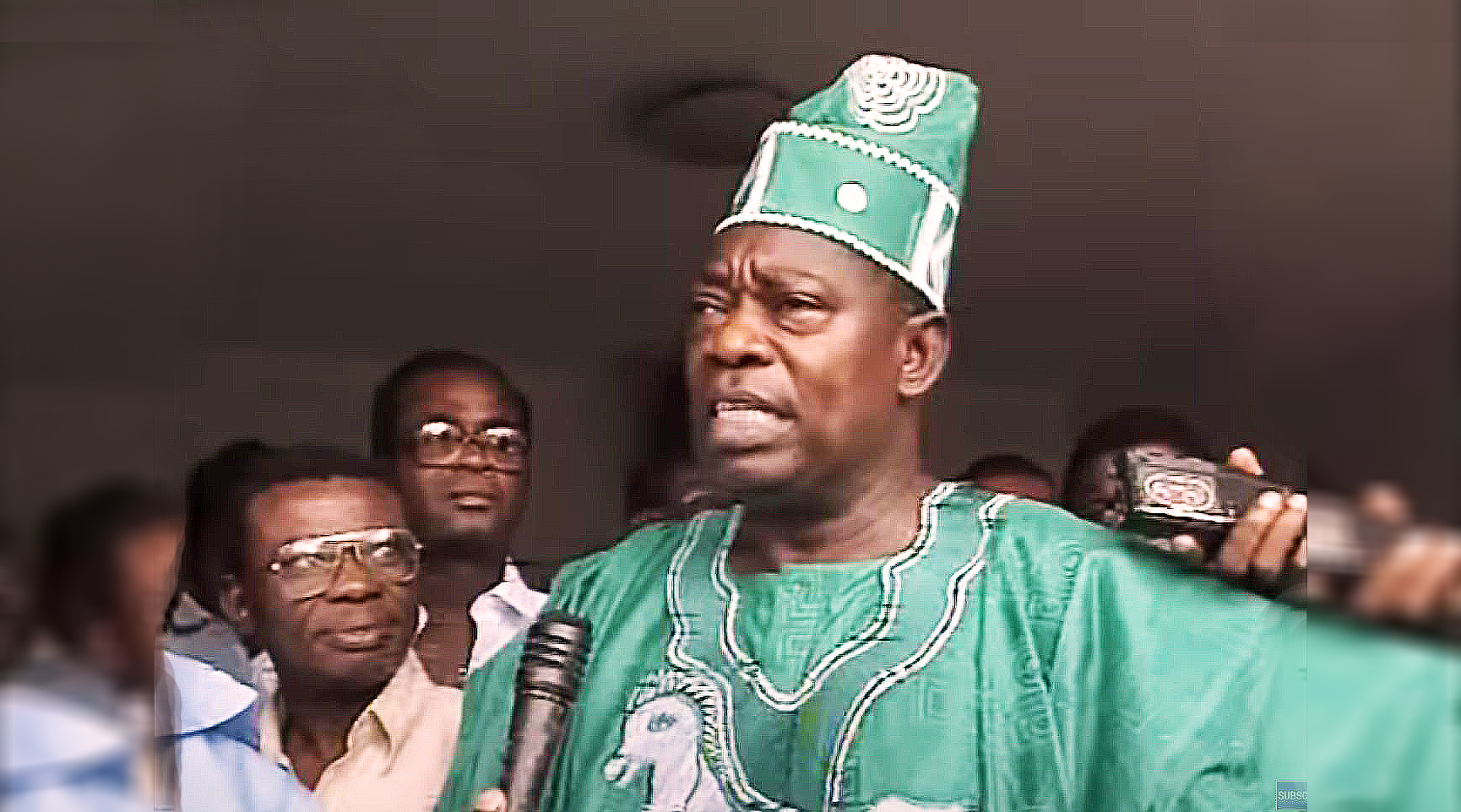
A new documentary on the life and political struggle of the late Chief Moshood Kashimawo Olawale (MKO) Abiola is set to premiere in Nigerian cinemas in October.
Titled MKO, the 108-minute film is directed by Ose Oyamendan and produced with American documentary filmmaker Mark Jonathan Harris. It explores the annulment of the June 12, 1993, presidential election, widely regarded as free and fair, Abiola’s subsequent detention, and the controversial circumstances surrounding his death in custody in 1998.
The documentary features interviews with key figures including former military rulers Ibrahim Babangida and Abdulsalami Abubakar, former President Olusegun Obasanjo, Nobel laureate Wole Soyinka, Abiola’s running mate Baba Gana Kingibe, members of the Abiola family, journalists, and diplomats.
Oyamendan, who worked as a young journalist during the June 12 crisis, has described the film as an investigative documentary that examines Nigeria’s unfinished democratic journey. It had its world premiere earlier this year at the Sheffield DocFest in the United Kingdom.
The Nigerian cinema release is scheduled for early October, with some reports linking the premiere to Independence Day on October 1.
The Joint Admissions and Matriculation Board (JAMB) has released the 2026 Unified Tertiary Matriculation Examination (UTME) results of underage candidates for viewing.
In a statement issued on Saturday in Abuja by the Board’s Public Communication Adviser, Dr Fabian Benjamin, JAMB defined an underage candidate for the 2026 admission exercise as any candidate who will be less than 16 years old as at September 30, 2026.
Benjamin said the results were released primarily to enable candidates and their parents or guardians to know their performance in the examination. However, he stressed that the release does not confer eligibility for admission on all underage candidates.
According to him, the results cannot be used for admission or any other official purpose, except by candidates who satisfy the stringent requirements prescribed for exceptionally performing underage candidates.
Candidates can check their results by sending “RESULT” to 55019 or 66019 using the same SIM card with which they registered for the UTME.
JAMB reiterated that only underage candidates who demonstrate exceptional academic ability and maturity will be considered for admission through a rigorous, multi-stage assessment process. Key requirements include a minimum UTME score of 320, at least 80 per cent performance in relevant Senior Secondary School Certificate Examination (SSCE) subjects where applicable, satisfaction of the Post-UTME requirements of their chosen institutions, and a final assessment conducted by experts.

Veteran journalist Mr. Ohi Odiai and his wife, Mrs. Elizabeth Ohi-Odiai, today mark their 17th wedding anniversary, a milestone that highlights an enduring partnership built on mutual support, professional excellence, and family.
Mr. Odiai serves as Deputy Head of News at Arise News TV, one of Nigeria’s leading television networks. He is also the CEO and Chief Editor of Ohibaba.Com, the online news platform he founded and continues to steer as a key voice in digital journalism. His career spans years of impactful reporting, newsroom leadership, and media innovation.
Mrs. Elizabeth Ohi-Odiai is the owner and founder of Bukbeth Concepts Classic, a business reflecting her entrepreneurial drive and creative vision. Together, the couple has built a home grounded in shared values and quiet strength.
The family is blessed with three children — two boys and a girl — who form the heart of their journey.

Friends, colleagues, and well-wishers describe the Odiais as a model of resilience and partnership in both public and private life.
As they celebrate 17 years of marriage today, September 5, 2026, the couple is receiving warm congratulations from across the media and business communities. Their story stands as a reminder that lasting unions thrive on commitment, respect, and the everyday work of building a life together.
Happy anniversary to Mr. Ohi Odiai and Mrs. Elizabeth Ohi-Odiai.


MKO Abiola’s Documentary to hit Cinemas in October

Trump sends envoys to Russia, Ukraine with new peace plan

BREAKING: JAMB releases underage UTME results, clarifies admission conditions

Tech Expert, Zuckerberg trains with UFC champions, Adesanya, Alexander

Organ Trafficking: Ekweremadu bags 10 years in UK prison

SAINT OBI: Between his marriage and his death
-

 Business2 days ago
Okin Biscuits Set For Comeback After 17 Years, Targets Revival Of Jobs, Local Manufacturing
-
 Business3 days ago
Forest Sector Employs 42m People Globally – FAO
-
 News2 days ago
BREAKING: FG Harmonizes Workers’ Salaries
-

 News2 days ago
Toxic fumes kill 37 in Okrika oil tragedy
-
 Politics2 days ago
Nduka Obaigbena Challenges Tinubu, Atiku, Obi on 2027 election campaigns
-

 News2 days ago
FG Announces Two Weeks Closure of First Niger Bridge for Repairs
-

 Business3 days ago
Entrepreneurship: “How I Made N10m Monthly From Akara Burger” – Gov Eno
-

 Crime2 days ago
More Than 23 Terrorists Killed in Boko Haram-ISWAP Clash in Sambisa (Video)