
News
JUST IN: LASG Debunks Rumour of EFCC’s Alleged Plan To Arrest, Prosecute Sanwo-Olu After Tenure


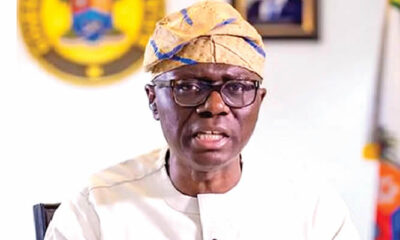
The Lagos State Government has debunked rumours circulating in a section of the media alleging that the state government has dragged the Economic and Financial Crimes Commission (EFCC) to court over alleged plan by the agency to arrest, and persecute the state governor, Babajide Sanwo-Olu after his turnure.
The statement reads:
Our attention has been drawn to the news circulating in a section of the media, titled: “Sanwo-Olu Sues EFCC over alleged plan to arrest, prosecute him after tenure.”
We need to clarify that Mr. Babajide Sanwo-Olu, at no time, sued or briefed any legal practitioner to file a suit on his behalf concerning the above subject matter.
Also, it is disingenuous for the Governor who enjoys immunity as conferred on him by the Constitution and has almost three years ahead of him to brief any lawyer on this kind of matter.
To the best of my knowledge and my inquiry confirmed that the EFCC is not investigating the Governor and has never invited him or threatened arrest of any member of his staff, domestic or otherwise.
We are currently investigating how the case came to be without our knowledge.
For the avoidance of doubt, Mr. Babajide Sanwo-Olu has been an exemplar in terms of service delivery, prudent and judicious management of the public resources.
Therefore, Mr. Babajide Sanwo-Olu who is busy working assiduously on how to improve the living conditions of all Lagosians does not have anything to fear when he eventually leaves office at the end of his tenure in May 2027.
We, therefore, enjoin media organisations to be wary of the kind of reports they entertain and publish on their respected platforms in order not to mislead the public.






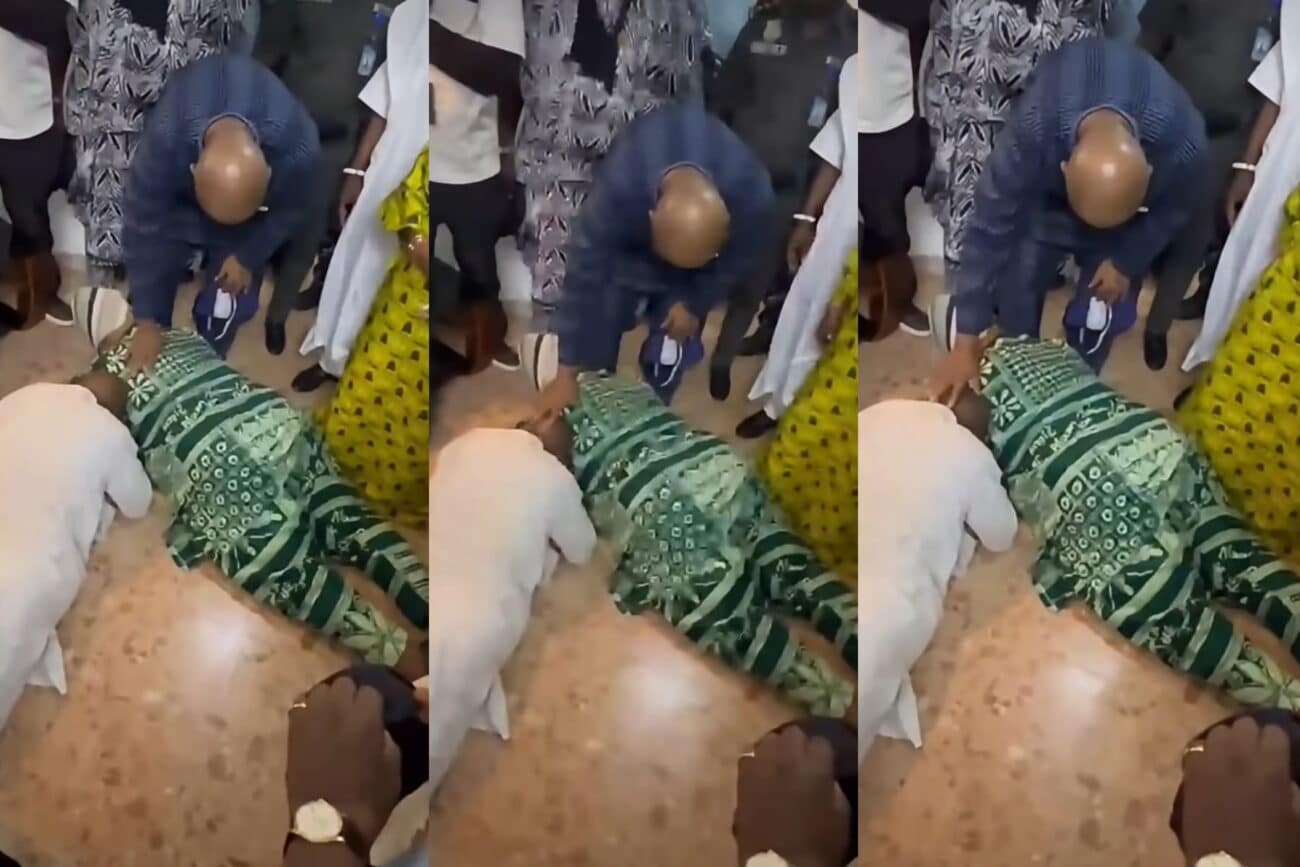
Osun State Governor Ademola Adeleke has drawn widespread praise after a video emerged showing him prostrating fully before his elder brother, Dr. Adedeji Adeleke, in a traditional Yoruba gesture of respect and gratitude.
The clip, shared on social media by media publisher Dele Momodu, captures the re-elected governor lying flat on the floor before his older brother — the father of Afrobeats star Davido — shortly after Adeleke was declared winner of the August 15, 2026 Osun governorship election. In the footage, the governor is seen thanking his brother for his support during the campaign and asking for his prayers. Dr. Adedeji Adeleke responded by removing his cap and offering prayers for the governor and his administration as family members and associates looked on.
Adeleke secured 511,067 votes to defeat his closest rival, Bola Oyebamiji of the All Progressives Congress, who polled 444,815 votes. The Independent National Electoral Commission declared him the winner days before the viral moment.
The gesture has sparked positive reactions online, with many Nigerians highlighting the governor’s humility and the strong cultural values of the Adeleke family. Commenters noted that the display of respect for elders remains a hallmark of Yoruba tradition, even for someone holding high office.
Governor Adeleke has previously described his elder brother as a father figure and trusted adviser whose counsel he values highly.
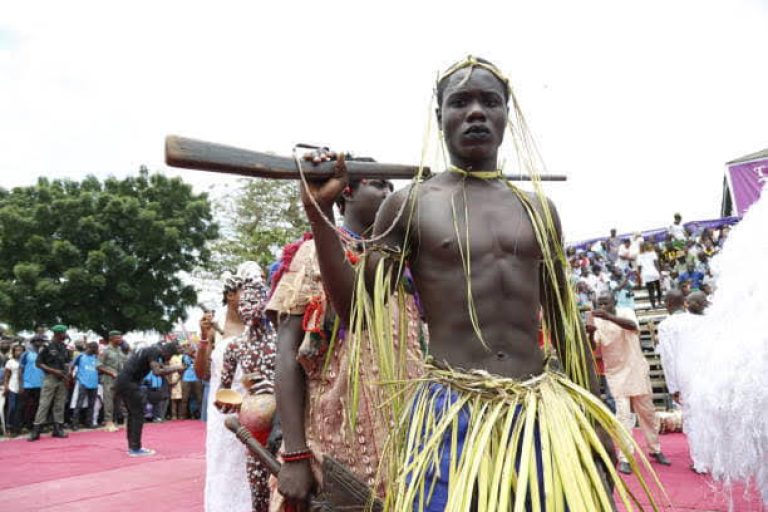
Ogun and Oyo states have joined Lagos in declaring Thursday, August 20, 2026, a work-free day to mark this year’s Isese Day celebration.
Oyo State Governor Seyi Makinde announced the decision in a memo signed by the Secretary to the State Government, Prof. Musibau Babatunde. The governor said the day would allow residents to fully participate in celebrating Yoruba cultural and traditional heritage while praying for peace and unity in the state and the country.
In Ogun State, Special Adviser on Information and Strategy Kayode Akinmade confirmed that the government had declared the day a public holiday. He noted that the move reflects the administration’s commitment to preserving Yoruba culture, heritage and traditional values. August 20 has been observed as a public holiday in Ogun since 2023.
Lagos State earlier declared the day work-free for public servants, political appointees and others. Special Adviser on Tourism, Arts and Culture Idris Aregbe described Isese as “a living expression of our traditions and a celebration of Yoruba spirituality.”
The three southwestern states are among those recognising Isese Day, which celebrates indigenous Yoruba religion, culture and ancestral practices. Residents have been urged to celebrate peacefully and responsibly.
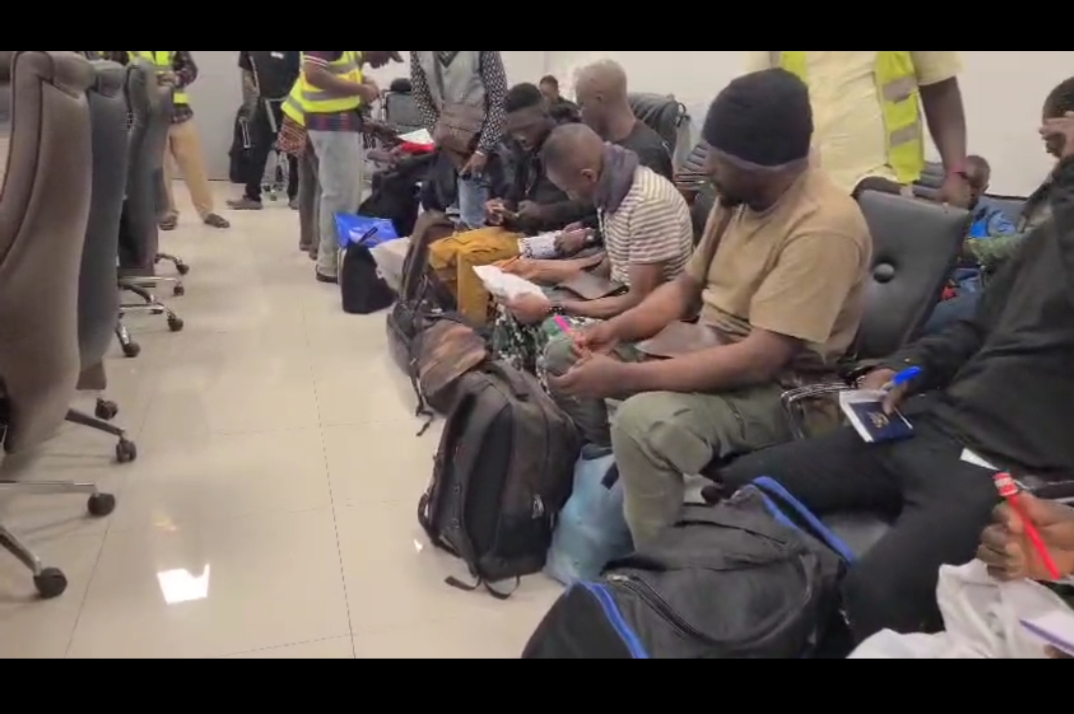
Another batch of Nigerians repatriated from South Africa has arrived in Lagos.
Eighty-three distressed citizens — comprising 58 adults and 25 children — returned aboard South African Airways flight SA060.
The returnees are currently undergoing biometric clearance under the supervision of the Nigerians in Diaspora Commission (NiDCOM). This marks the first repatriation exercise conducted by commercial flight, following seven earlier batches that arrived on chartered aircraft.
Authorities say the returnees will complete the necessary documentation before reuniting with their families.
Watch Video Below:


Gov. Adeleke Prostrates Before Elder Brother After Re-Election Win

Mascots kick off campaign for Tinubu in Abuja

12-years after, US clears Nigerian vessels to land at its ports

Tech Expert, Zuckerberg trains with UFC champions, Adesanya, Alexander

Organ Trafficking: Ekweremadu bags 10 years in UK prison

SAINT OBI: Between his marriage and his death
-

 News3 days ago
200 Kaduna varsity lecturers resign over poor condition of service
-

 Business2 days ago
CBN’s Sidi-Ali wins 2026 overall Spokesperson of the Year Award, courtesy of NSA
-

 Crime3 days ago
NDLEA destroys illicit drugs valued at N301bn in Lagos
-
 News3 days ago
Edo House of Assembly Elect New Speaker Idiaye, Hints Why Agbebaku Resign
-

 News21 hours ago
BREAKING: Tinubu Diverts EFCC Funds to NELFUND
-
 Sports2 days ago
NFF Sacks Madugu over WAFCON crashed out
-
 Politics2 days ago
2Baba’s wife Natasha emerges Edo Assembly Minority Leader
-

 International2 days ago
Trump Annex Strait of Hormuz “New US Territory”