
News
Governor Oyebanji Agrees to Pay Ekiti Civil Servants N70,000 minimum wage

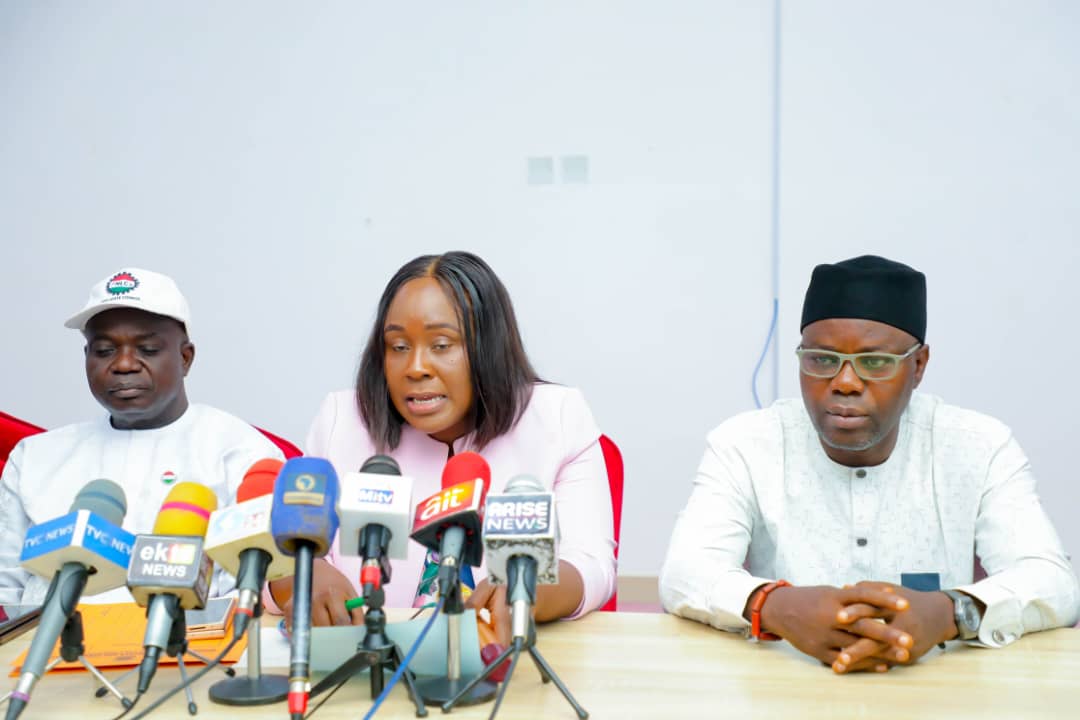
Ekiti State Governor, Mr Biodun Oyebanji on Tuesday approved a new minimum wage of N70,000 for workers in the state effective December 1.
The approval follows the signing of a Memorandum of Understanding (MoU) by the state Government and leaders of Organised labour in the state.
According to the MoU, the new minimum wage will cover all strata of Ekiti workers, as well as pensioners.
The wage agreement was signed on behalf of the state government by the Head of Service, Dr Folakemi Olomojobi; while leaders of the labour centres in the state signed on behalf of workers.
Dr Olomojobi said Governor Oyebanji approved the template the way it was presented by the committee based on the Governor’s commitment to prioritising workers’ welfare and wellbeing.
While describing Governor Oyebanji as a “worker – friendly Governor” who desires the best for workers in the state, the Head of Service used the opportunity to express her appreciation to the labour leaders for their understanding, patience and dexterity in achieving the best for the workers.
She also thanked Ekiti workers for waiting patiently for the outcome of the decision of the committee and for their unwavering trust in the state government that it will give them the best deal.
She called on workers to reciprocate the government gesture by enhancing their service delivery through their commitment to the success of the administration.
“Today is another landmark in the history of Ekiti State as we come together to sign the new minimum wage for Ekiti State Public servants.
I want to first appreciate our Governor, who on the 31st August, 2024 put together the committee to negotiate Ekiti state public service minimum wage.
This committee has taken not less than eight weeks to meet to deliberate on the minimum wage for Ekiti state.
“I want to emphasize that this was a very painstaking process, it was a process that brought to bear the funds available to Ekiti.
In the midst of this, Mr Governor bent forward and backward to accommodate our yearnings, and today we have agreed on the minimum wage to be paid in Ekiti State.
“In the past few weeks, we have also put together the consequential adjustment and I am happy to announce that the Governor of Ekiti State is bringing out the best for every public worker in the state.
“I have had the privilege of looking at what is done across the nation and I congratulate Ekiti state workers for having the best deal.
Today we will be endorsing the consequential adjustment, across the state, local government areas, across every parastatals and MDAs in the state.
The pensioners are not left out”, The Head of Service stated. In their separate remarks, Chairmen of Nigeria Labour Congress (NLC) in the state, Comrade Kolapo Olatunde; Trade Union Congress (TUC), Comrade Sola Adigun and Joint Negotiating Council (JNC), Comrade Femi Ajoloko commended Governor Oyebanji for his efforts at giving the best to Ekiti workers.
The Labour leaders also noted that the new minimum wage cut across all strata of Ekiti workforce including the pensioners, adding that when the table is compared with those of other states, Governor Oyebanji has given the best.
Also at the brief event were the Commissioner for Information, Rt. Hon. Taiwo Olatunbosun, Permanent Secretaries of Ministry of Finance and Office of Establishment, Training and Service Delivery.
Recall that Governor Oyebanji had since assuming office as the Chief Executive of the state on October 16, 2022 demonstrated strong commitment to workers welfare and wellbeing, in addition to creating economic opportunities for those in the informal sector.
Aside regular payment of salaries and pensions ( usually paid around 22nd of every month), the Governor has also ensured regular payment of deductions to appropriate channels.
In the wake of the subsidy removal last year, Governor Oyebanji also introduced a special wage award of N15,000 to workers and N10,000 to pensioners to cushion the effect of the subsidy removal and the attendant economic challenges .
The wage award, which was initially planned for six months, has since being paid along with salaries and pensions to workers and pensioners, thereby making Ekiti one of the few states paying wage award to workers and pensioners till date.
In a bold attempt to defray outstanding gratuities owed by previous administrations, Governor Oyebanji had in the last two months doled out a total N4.5 billion to pay pensioners.
The new minimum wage reflects the commitment of the Biodun Abayomi Oyebanji administration to ensure the state workforce is supported and motivated for a more effective service delivery.
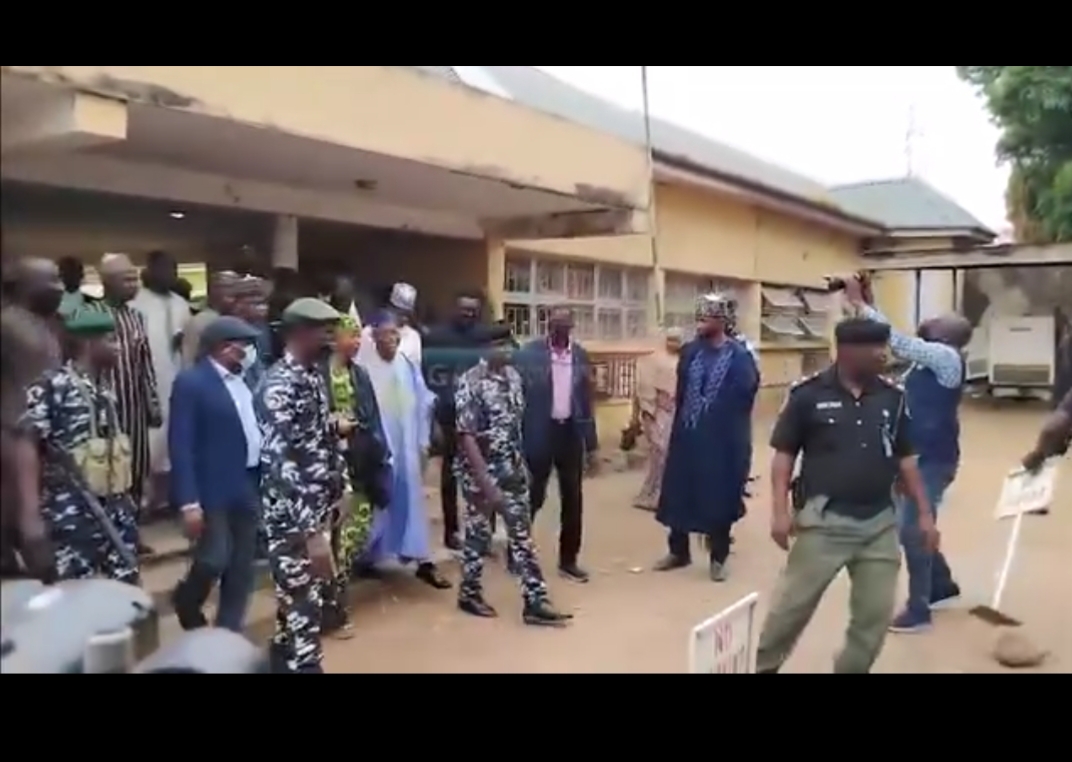
Former Kaduna State Governor, Nasir El-Rufai, has concluded proceedings at the State High Court in Kaduna and is now proceeding to the Federal High Court for the continuation of another suit.
El-Rufai, who was earlier present at the State High Court for the continuation of his trial, left the premises after the sitting ended.
He is expected to appear before the Federal High Court in Kaduna for further proceedings related to another case.
Security presence remained visible around both court premises as proceedings attracted attention from observers and supporters.
Details of the proceedings at the Federal High Court are expected to emerge as the matter continues.
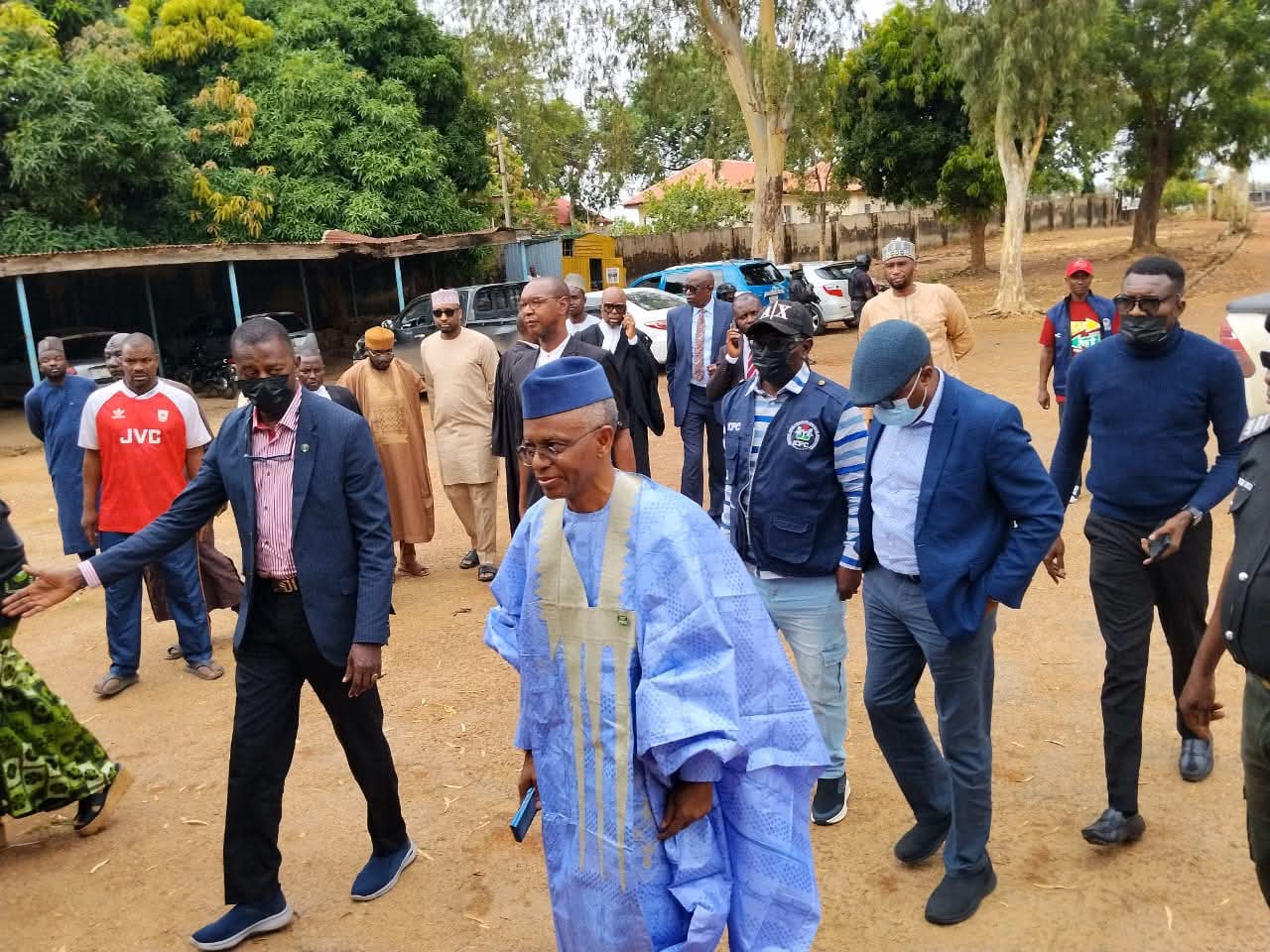
The former Kaduna State Governor, Nasiru El-Rufai, on Tuesday morning arrived at the Kaduna State High Court for the trial, and there after he is expected to proceed to the Federal High Courtfor continuation of his proceedings.
The former governor arrived at the Kaduna State High Court amid tight security presence, as legal teams from both sides prepare to continue hearing in the matter. El-Rufai is also scheduled to appear before the Federal High Court for continuation of related legal processes.
The case continues to attract significant public attention, with observers closely monitoring developments across both courts.
Details of the matters to be addressed in both courts have not been fully disclosed, but outcomes from the hearings are expected to influence the direction of the trial.
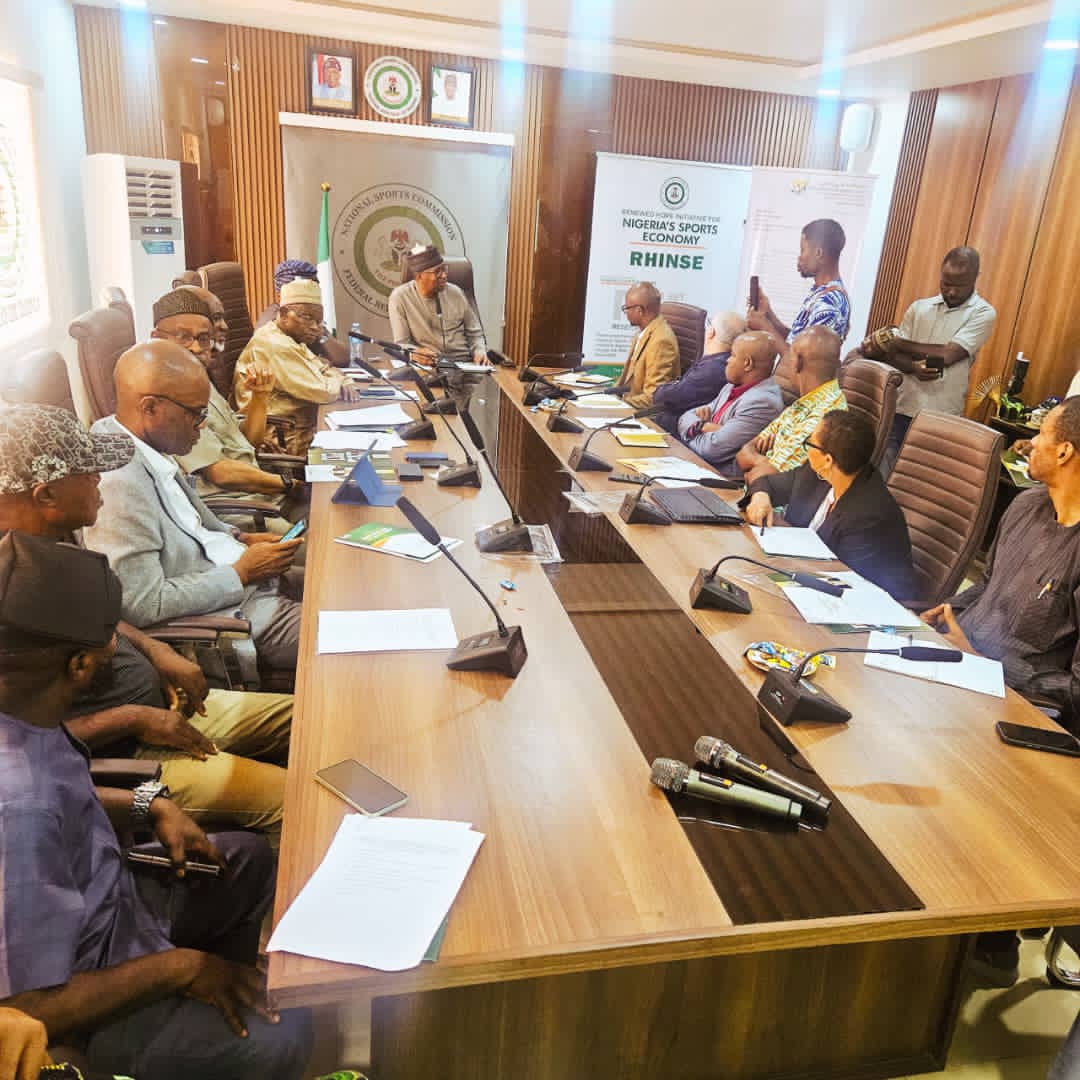
Nigeria officially welcomed the African Games Bid Evaluation Committee on Monday, marking a significant step in the nation’s quest to host the 2031 African Games.
The delegation, led by Dr. Decius Chipande, was received by top officials of the National Sports Commission (NSC) and treated to a comprehensive and compelling presentation showcasing Nigeria’s readiness, capacity, and vision to host a memorable Games.
Chairman of the NSC, Mallam Shehu Dikko, in his remarks, reaffirmed the solid support of the Federal Government for the bid.
He emphasized that hosting the African Games remains a national priority, backed by strong political will and a commitment to deliver world-class infrastructure, seamless organization, and a lasting legacy for African sports.
Director General of the Commission, Hon. Bukola Olopade, presented Nigeria’s strategic sponsorship and marketing framework, outlining innovative approaches to funding and commercial partnerships.
He noted that Nigeria’s large market, vibrant sports culture, and growing private sector interest provide a solid foundation for a financially successful Games.
Providing further depth to the bid, ace broadcaster and Bid Coordinator, Mainasara Ilo, delivered an engaging presentation on legacy, highlighting how the Games would catalyze youth development, infrastructure expansion, and community impact across the country.
On the technical front, former Director of Medicine at the Commission, Dr. Paul Onyedo, detailed Nigeria’s preparedness in sports medicine and its scientific approach to anti-doping, testing, and athlete health management, aligning with international best practices.
In addition, Dr. Emmanuel Igbinosa presented the country’s comprehensive welfare framework, assuring the Committee of Nigeria’s readiness to provide a safe, secure, and athlete-centered environment throughout the Games.
The Evaluation Committee commended Nigeria’s presentation, noting the clarity of vision, depth of planning, and strong alignment between government and private sector stakeholders.
The Committee commenced inspection of key facilities on Monday, with further assessments on Tuesday.
Nigeria remains confident that its compelling bid, backed by experience, infrastructure, and national commitment, positions the country strongly to host a historic and impactful African Games.


Afreximbank Leads $4bn Financing for Dangote Refinery with $2.5bn Commitment

JUST IN: El-Rufai Leaves State High Court for Federal High Court in Kaduna

El-Rufai Appear in State High Court, after Mother’s death, as Trial Continues

Tech Expert, Zuckerberg trains with UFC champions, Adesanya, Alexander

Organ Trafficking: Ekweremadu bags 10 years in UK prison

SAINT OBI: Between his marriage and his death
-

 Business2 days ago
Governor Otti Commissions Ultimum Manufacturing Plant in Aba
-
 Sports2 days ago
CAF appoints Nigeria’s Samson Adamu as acting secretary general
-
 Politics3 days ago
JUST IN: Kwankwaso Set to Join ADC on Monday
-
 News2 days ago
President Tinubu at 74, Donates Salaries to Armed Forces Welfare Fund
-
 Politics2 days ago
PDP will contest 2027 polls, says Wike
-
 Business10 hours ago
BUA Foods Plc Reports Strong 2025 Performance with ₦1.77 Trillion Revenue, Proposes Record ₦28 Dividend per Share
-
 Business2 days ago
OPay launches new office in Jos
-

 Politics1 day ago
PDP Leadership Crisis: Faction Heads to Supreme Court as Tussle Deepens