
News
Understanding the Types of Certificates of Occupancy in Nigeria by Dennis Isong


A Certificate of Occupancy (C of O) is a crucial legal document that establishes the right of an individual or entity to possess and utilize a piece of land in Nigeria.
This document plays a pivotal role in the country’s land tenure system, and there are various types of Certificates of Occupancy, each with its unique features and implications.
The Statutory Right of Occupancy is one of the most common types of C of O in Nigeria. It is issued under the provisions of the Land Use Act of 1978, which vests all lands in the country in the government. Individuals or entities seeking to acquire land must apply for this type of C of O.
The government grants the statutory right of occupancy for a specified term, typically 99 years, and the landholder is expected to comply with the terms and conditions outlined in the document.
- Statutory Right of Occupancy:
- Customary Right of Occupancy:
In areas where customary land tenure systems prevail, the Customary Right of Occupancy is applicable. This type of C of O recognizes and formalizes land rights based on customary practices. It is crucial for individuals to adhere to the customary rules of the community to obtain and maintain this right of occupancy. The Customary Right of Occupancy provides a legal framework for land ownership within the context of local customs and traditions.
- Deemed Grant:
The Deemed Grant of C of O occurs when an individual or entity has been in continuous and undisturbed possession of land for an extended period, typically 12 years.
In such cases, the law deems the government to have granted the occupier the right to the land. However, the conditions for a Deemed Grant vary, and it is essential for individuals to consult legal professionals to ensure compliance.
- Rural Certificate of Occupancy:
Specifically designed for rural areas, the Rural Certificate of Occupancy is a form of land title that aims to encourage agricultural and rural development.
It provides a legal basis for individuals to engage in agricultural activities and other developments in rural settings. The conditions for obtaining this type of C of O often involve demonstrating a commitment to rural development projects.
Challenges and Considerations:
While Certificates of Occupancy provide a legal framework for land ownership in Nigeria, there are challenges and considerations that individuals should be aware of.
Delays in the issuance of C of O, bureaucratic processes, and disputes over land ownership are common issues that can arise. It is crucial for individuals to navigate these challenges by seeking legal advice, conducting due diligence, and engaging with the appropriate land authorities.
Legal Compliance:
Compliance with the conditions outlined in the Certificate of Occupancy is paramount. Failure to adhere to the terms and obligations specified in the document can lead to revocation of the C of O. Regular inspections and assessments by relevant authorities may occur, underscoring the importance of continuous compliance.
Certificates of Occupancy in Nigeria are instrumental in securing land rights and fostering responsible land use
Land Use Planning:
Certificates of Occupancy are also closely tied to land use planning. Zoning regulations, environmental considerations, and adherence to development plans are integral aspects that landholders must take into account. It is essential to ensure that any development on the land aligns with the stipulations set forth in the C of O and local planning regulations.
Professional Assistance:
Given the complexity of land laws and the potential challenges in the process, individuals are strongly advised to seek professional assistance. Legal experts specializing in real estate and land matters can provide invaluable guidance, ensuring that all legal requirements are met and potential pitfalls are avoided.
Future Developments:
The landscape of land tenure in Nigeria may undergo changes with evolving legislation and policies. Staying informed about any amendments to land laws and government policies is crucial for individuals holding Certificates of Occupancy. Adapting to these changes will help protect landholders’ rights and interests over time.
Certificates of Occupancy in Nigeria are instrumental in securing land rights and fostering responsible land use. However, navigating the complexities of the land tenure system requires diligence, compliance, and a proactive approach. Whether acquiring a Statutory Right of Occupancy, adhering to Customary Land practices, or benefiting from a Deemed Grant, individuals should be aware of the challenges and considerations involved. Seeking professional assistance and staying informed about legal developments will contribute to a secure and sustainable land ownership experience in Nigeria.
▪︎Dennis Isong is a TOP REALTOR IN LAGOS.He Helps Nigerians in Diaspora to Own Property In Lagos Nigeria STRESS-FREE. For Questions WhatsApp/Call 2348164741041



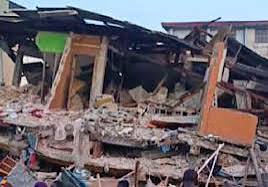
A two-storey residential building has collapsed along Baale Road (also referred to as Baale Street) near Ajuwon Bus Stop in Ajuwon/Akute, Ifo Local Government Area of Ogun State, on Monday, 27 July 2026, leaving several occupants feared trapped under the rubble.
The incident, which occurred in the Lagos-Ogun border community, triggered panic among residents and passers-by as the structure gave way unexpectedly. Crowds quickly gathered at the scene while waiting for emergency responders. Eyewitnesses described chaotic scenes of people attempting to dig through the debris by hand.
According to one eyewitness identified as Anthony, only a single male occupant managed to escape before the building became completely inaccessible. The survivor reportedly told those at the scene that his wife and children remained trapped inside.
Preliminary reports indicate that at least three people — including a grandmother, her toddler grandchild, and another man — have been rescued from the rubble and taken to hospital. Several others are still feared trapped. The exact number of people affected, including any injuries or fatalities, has not been officially confirmed by authorities at the time of reporting.
The Executive Chairman of Ifo Local Government, Hon. Idris Kusimo, has arrived at the scene and is coordinating with residents and responders. Rescue operations involving locals and emergency personnel are ongoing.
Urgent Appeal
An urgent call has gone out to the Ogun State Government, Ogun State Emergency Management Agency, relevant state fire and rescue services, the National Emergency Management Agency (NEMA), and all other emergency responders to immediately mobilise fully equipped teams to the location to rescue those still trapped beneath the debris.
Further updates will follow as official information becomes available. Residents in the area are advised to stay clear of the site to allow unhindered access for rescue teams.
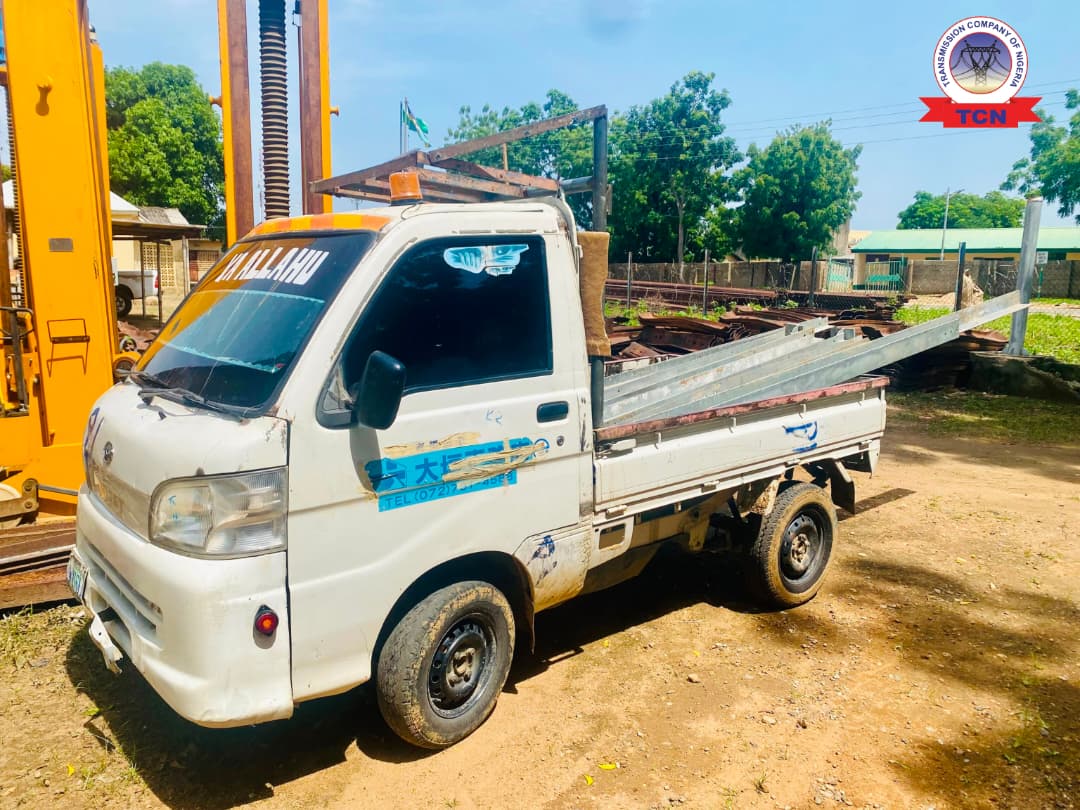
The Transmission Company of Nigeria, TCN, foiled an attempted theft at its 330/132kV transmission substation in Bauchi on Friday, July 24, 2026, at about 9:34pm.
Security personnel at the substation intercepted suspected vandals attempting to remove critical tower members. The suspects fled the scene on sighting the guards.

An inspection of the area led to the recovery of 12 transmission tower angle irons, one heavy-duty metal measuring scale, and a white pickup truck believed to have been used for the operation.
The recovered items and the vehicle have been handed over to the Railway Division Police Station, Bauchi, for further investigation.
No equipment was carted away and no injuries were recorded during the incident.
TCN commends the prompt response of its security team, whose vigilance prevented the theft of or damage to critical transmission infrastructure.
TCN reiterates the need for host communities to report suspicious activities around power installations to security agencies or the nearest TCN office.
News
ISWAP Finance Chief Surrender To Nigeria Military
The senior operative surrendered to troops of 3 Battalion under 24 Task Force Brigade at about 06:45 WAT on 25 July along the Ladari-Jegarawa-Tunokalia axis of the Gamboru-Wulgo Main Supply Route. He arrived with two male children, voluntarily laying down his arms before the troops.
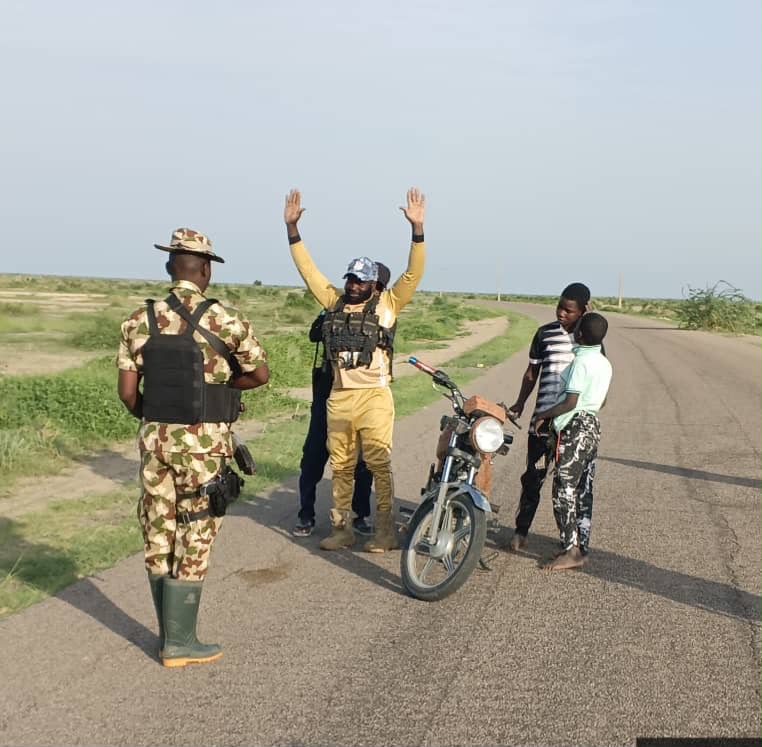
Credit: Operation HADIN KAI
Military authorities confirmed on Monday a senior Islamic State West Africa Province (ISWAP) finance operative, has surrendered to Operation HADIN KAI in Nigeria’s North-East.
Acting Military Information Officer, Headquarters Joint Task Force (North East) Operates HADIN KAI, Captain Mohammed Goni, disclosed this in a statement, emphasising that the surrender followed coordinated land and air offensives that have intensified pressure on terrorist enclaves, contributing to a growing wave of defections.
The senior operative surrendered to troops of 3 Battalion under 24 Task Force Brigade at about 06:45 WAT on 25 July along the Ladari-Jegarawa-Tunokalia axis of the Gamboru-Wulgo Main Supply Route.
He arrived with two male children, voluntarily laying down his arms before the troops.
Preliminary profiling by the Theatre Command identified the individual as the chief finance operative of the ISWAP enclave at Jubillaram, where he reportedly managed the terrorist group’s financial activities and logistics support.
Military authorities further disclosed that about 46 terrorists and their family members have voluntarily surrendered in recent days, suggesting that the combination of kinetic operations and intelligence-led campaigns is steadily weakening ISWAP’s cohesion and sustainment capabilities.


BREAKING: Two-Storey Building Collapses in Ajuwon, Residents Feared Trapped

IEA Cushions Global Oil Supply By 290 Million Barrels March -July

Ex-Int’l Football Player Bag 24 Years Jail Term for Cocaine Importation

Tech Expert, Zuckerberg trains with UFC champions, Adesanya, Alexander

Organ Trafficking: Ekweremadu bags 10 years in UK prison

SAINT OBI: Between his marriage and his death
-

 Business17 hours ago
Naira Exchange Rates To Foreign Currencies Monday, July 27
-

 Business15 hours ago
Phillips Consulting Report Ranks Enugu Nigeria’s Fastest Improving State
-

 Sports16 hours ago
Saudi’s Club Al-Ittihad Table €10.5m Bid For Super Eagles Captain Ndidi
-

 News2 days ago
Zamfara LG Chairman Abduction: Security operatives intensify rescue efforts
-

 Business16 hours ago
Rural Electrification Agency targets 3.7GW solar manufacturing to close Nigeria’s power gap
-
 Business16 hours ago
IMF Warns of AI Financial Shocks Across Institutions, Markets
-

 Business15 hours ago
Nigerian Exchange Emerges Top In Africa By Dollar Values
-

 Politics14 hours ago
Why I committed to one term presidency – Peter Obi