
Business
BREAKING News:PAMA Appoints Segun Ajayi-Kadir Co-Secretary General


By Ocheneyi Alli
The Pan-African Manufacturers Association (PAMA) has appointed Segun Ajayi-Kadir, as its Co-Secretary General.
Segun Ajayi-Kadir is currently the Director-General of the Manufacturers Association of Nigeria.
His appointment as the PAMA Co-Secretary General was announced at the recently concluded Intra-African Trade Fair (IATF2023) in Cairo, Egypt.
PAMA, established as the voice of Africa’s manufacturing sector, is committed to driving industrialisation across the continent.
Engr. Mansur Ahmed, former President of MAN, assumed the role of Interim President of PAMA.
Business
Dangote at IPO Listing, Charges Public,”I don’t want to be called richest man in Africa”
“I don’t want anybody again to call me the richest man in Africa. I want to be called the wealthiest man in Africa so that I can create wealth for others,” he said.
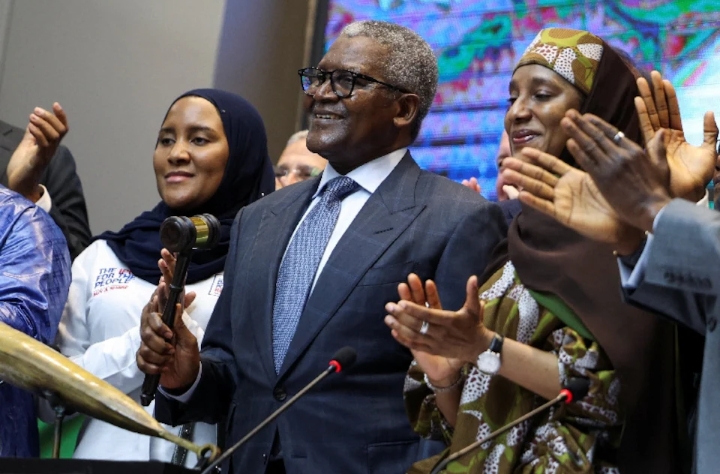
The trading floor of the Nigeria Exchange Limited (NGX) is agog this morning as billionaire industrialist,Aliko Dangote, declared opened trading activities for the day.
“I don’t want anybody again to call me the richest man in Africa. I want to be called the wealthiest man in Africa so that I can create wealth for others,” he said.
Dangote made the remarks on Monday while sounding the gong at the Nigerian Exchange (NGX) in Lagos to formally launch the Initial Public Offering (IPO) of Dangote Petroleum Refinery and Petrochemicals.
The billionaire businessman said the IPO provided an opportunity for investors to participate in what he described as a transformational phase for Nigeria and Africa’s economies.
“Today, we are not merely offering shares. We are offering an opportunity to participate in the transformational chapter of not only Nigeria’s economy, but Africa’s economy,” Dangote said.
He urged Nigerians to deepen the capital market and promote wider ownership of wealth.
“Together, let us deepen our capital market. Together, let us create prosperity through ownership. Together, let us build a stronger Nigeria. Together, let us ensure prosperity for Africa,” he said.
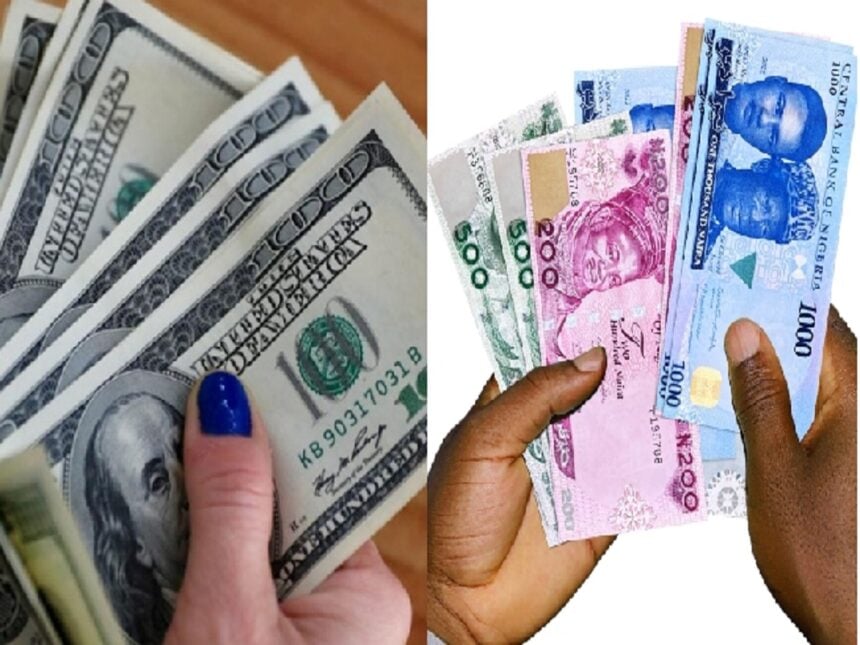
BLACK MARKET
US DOLLAR ₦1385
POUND (GBP) ₦1880
EURO (EUR) ₦1580
CANADIAN DOLLAR (CAD) ₦1000
SOUTH AFRICAN RAND (ZAR) ₦90
UAE DIRHAM (AED) ₦370
CHINESE YUAN (CNY) ₦190
GHANA CEDI (GHS) ₦100
Central Bank of Nigeria Rates
DOLLAR (USD)₦1326.52
POUND (GBP)₦1794.52
EURO (EUR)₦1540.22
SWISS FRANC (CHF)₦1627.83
JAPANESE YEN (JPN)₦8.64
CFA FRANC (XOF)₦2.34
WEST AFRICAN UNIT OF ACCOUNT (WAUA)₦1811.58
CHINESE YUAN (CNY)₦197.74
SAUDI RIYAL (SAR) ₦353.20
SOUTH AFRICAN RAND (ZAR) ₦82.24
Business
Dangote Refinery’s IPO Officially Opens Today On NGX
Speaking on the significance of the IPO, President and Chief Executive of Dangote Industries Limited, Aliko Dangote, said:“Today marks the beginning of a new chapter in the history of Dangote Refinery and, indeed, in the economic future of our nation…”
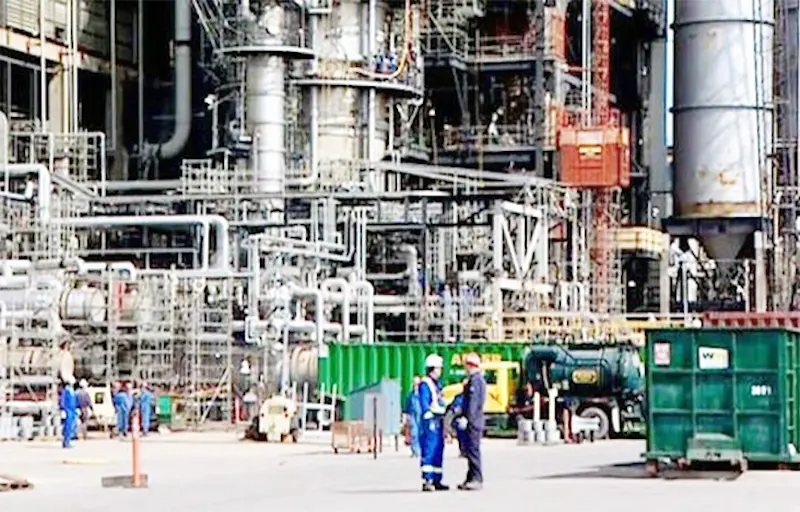
Dangote Petroleum Refinery & Petrochemicals FZE today announced the commencement of its Initial Public Offering (IPO) to the investing public.
The offer will be formally launched at a ceremony on the trading floor of the Nigerian Exchange (NGX) Limited in Lagos.
The IPO, which opens today, September 14, 2026, consists of 4.1 billion new ordinary shares offered at N525 per share, with a minimum subscription of 10 shares valued at N5,250.
The offer is expected to remain open until October 13, 2026, subject to the terms outlined in the Prospectus. The transaction is targeted at retail, institutional, and eligible African investors, reinforcing Dangote Refinery’s commitment to broadening ownership and deepening participation in Nigeria’s capital market.
The public offer is expected to raise approximately N2.15 trillion, making it one of the largest equity offerings ever undertaken in Africa.
The proceeds will support the Refinery’s long-term growth plans, operational expansion, strategic investments, and the creation of additional value for shareholders and stakeholders alike.
Speaking on the significance of the IPO, President and Chief Executive of Dangote Industries Limited, Aliko Dangote, said:“Today marks the beginning of a new chapter in the history of Dangote Refinery and, indeed, in the economic future of our nation. This offering is about more than raising capital; it is about creating an opportunity for ordinary Nigerians, Africans, and investors across the globe to participate directly in one of the most transformative industrial projects ever built on the continent.
We established this refinery to transform Africa’s energy landscape, create jobs, conserve foreign exchange, and unlock shared prosperity. With this IPO, we are extending that vision by democratising ownership and ensuring that millions of people can benefit from the value being created.”


Dangote Refinery IPO: SEC Warns Investors, ‘Don’t Pay Into Wrong Hands’

Again, Desmond Elliot begs political mentor,Gbajabiamila , “I’m sorry, Daddy”
Dangote at IPO Listing, Charges Public,”I don’t want to be called richest man in Africa”

Tech Expert, Zuckerberg trains with UFC champions, Adesanya, Alexander

Organ Trafficking: Ekweremadu bags 10 years in UK prison

SAINT OBI: Between his marriage and his death
-
 News2 days ago
Bamanga Tukur, former Adamawa gov, ex-PDP Chair dies at 90
-
 Business19 hours ago
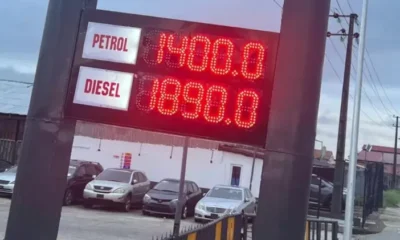
Filling Stations Selling Petrol, Diesel Higher Driven By Global Crude Prices
-
 Business16 hours ago
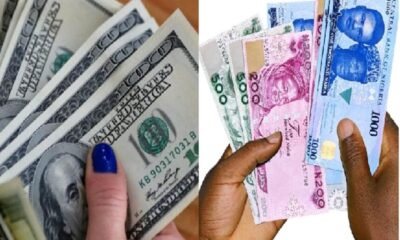
Naira Exchange Rates To Dollar, Pound , Euro… September 14
-
 Business17 hours ago
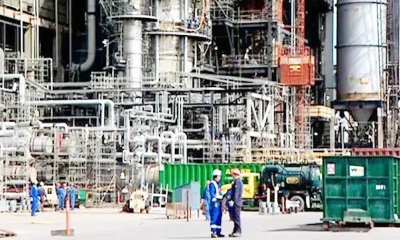
Dangote Refinery’s IPO Officially Opens Today On NGX
-
 Business15 hours ago
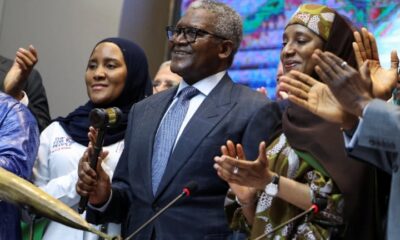
Dangote at IPO Listing, Charges Public,”I don’t want to be called richest man in Africa”
-
 Politics13 hours ago
Again, Desmond Elliot begs political mentor,Gbajabiamila , “I’m sorry, Daddy”
-
News8 hours ago
Dangote Refinery IPO: SEC Warns Investors, ‘Don’t Pay Into Wrong Hands’